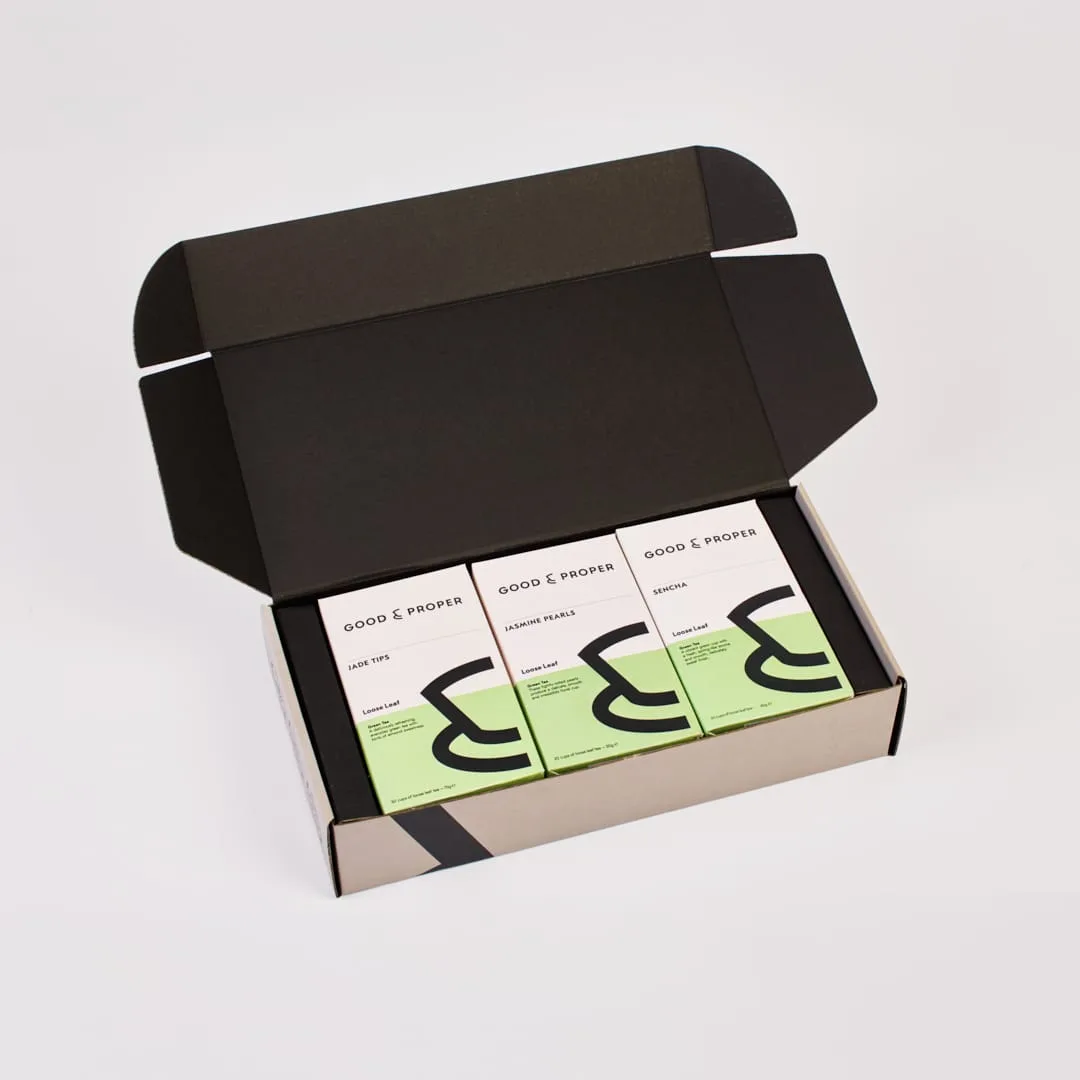
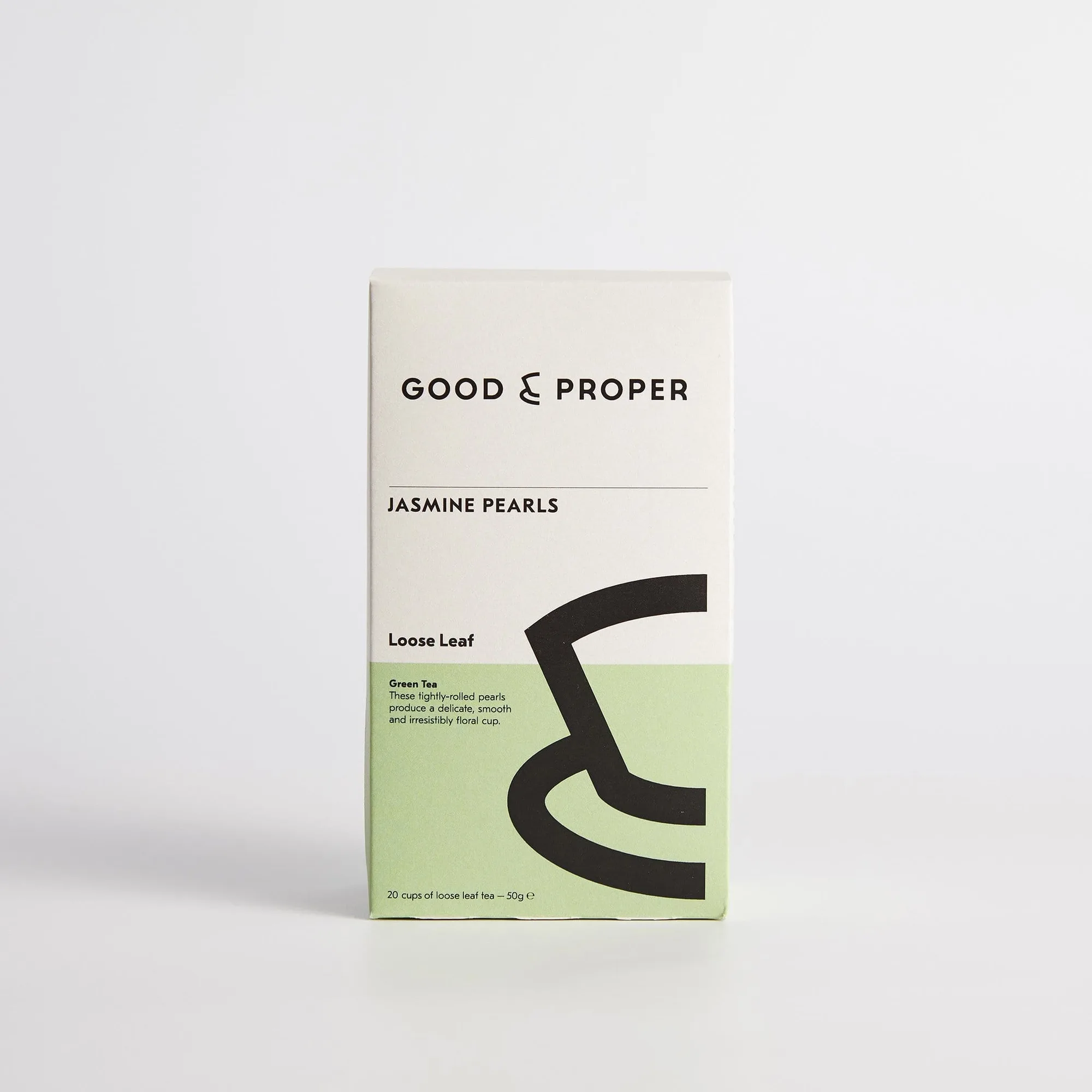
Green tea is one of the most beloved beverages worldwide, but not all green teas are created equal. The two major producing nations—China and Japan—offer distinctly different styles, shaped by centuries of tradition, unique processing methods, and regional terroir. Understanding these differences can transform your tea drinking experience, helping you choose the perfect green tea for your taste and mood.
In this guide, we’ll explore the fundamental contrasts between Chinese and Japanese green teas: from cultivation and harvesting to steaming vs. pan-firing, flavor profiles, brewing techniques, and cultural rituals. Whether you’re a curious beginner or a seasoned enthusiast, you’ll gain a deeper appreciation for these two green tea worlds.
Processing: Steaming vs. Pan-Firing
The most significant difference between Chinese and Japanese green teas lies in how the leaves are processed after harvest. Japanese green teas are steamed to halt oxidation, a method that preserves a vibrant green color and produces a grassy, vegetal flavor with umami notes. This steaming process—used for teas like Sencha and Gyokuro—gives Japanese greens their characteristic brightness and a slightly oceanic or seaweed-like taste.
In contrast, Chinese green teas are typically pan-fired or roasted in a wok. This dry-heat method deactivates enzymes while imparting a toasty, nutty, or chestnut-like aroma. Famous Chinese green teas such as Longjing (Dragon Well) and Bi Luo Chun exhibit a more mellow, sweet, and sometimes smoky flavor profile. The pan-firing also yields a flatter, more twisted leaf shape compared to the needle-like leaves of Japanese steamed teas.
- Japanese steaming: retains more chlorophyll, results in bright green liquor and a grassy, umami-rich taste.
- Chinese pan-firing: produces a golden-green liquor with toasted, nutty, or floral notes.
Flavor Profiles: Umami vs. Toasted
Because of the different processing methods, Chinese and Japanese green teas offer contrasting flavor experiences. Japanese green teas are renowned for their umami—a savory, brothy quality derived from high levels of amino acids like L-theanine. This makes them smooth and satisfying, often with a lingering sweetness. The best Japanese greens, such as ceremonial-grade matcha, deliver a creamy, full-bodied taste without bitterness.
Chinese green teas, on the other hand, tend to be lighter and more floral or nutty. A well-made Longjing offers a clean, chestnut-like sweetness with a hint of orchid. Some Chinese greens, like Jasmine Pearls, are scented with jasmine blossoms for an added floral dimension. If you prefer a tea that is gentle, aromatic, and less vegetal, Chinese greens are an excellent choice.
- Japanese: grassy, seaweed-like, umami-rich, sometimes sweet.
- Chinese: nutty, floral, toasty, mellow, and often more aromatic.
Brewing Differences: Temperature and Time
Brewing green tea correctly is crucial to avoid bitterness, and the ideal parameters differ between Chinese and Japanese varieties. Japanese green teas are best brewed at lower temperatures—around 70–80°C (158–176°F)—for 1–2 minutes. Using boiling water will scald the delicate steamed leaves, releasing excessive bitterness. A shorter steep time preserves the sweet umami and prevents astringency.
Chinese green teas can handle slightly hotter water, typically 75–85°C (167–185°F), and a longer steep of 2–3 minutes. The pan-fired leaves are more robust and release their flavors gradually. For a truly authentic experience, consider using a gaiwan or a small teapot for multiple infusions, as many Chinese greens can be re-steeped 2–3 times, each infusion revealing new layers of flavor.
- Japanese green tea: water at 70–80°C, steep 1–2 minutes.
- Chinese green tea: water at 75–85°C, steep 2–3 minutes, suitable for multiple infusions.
Cultural Context and Rituals
Tea culture in Japan is deeply ritualistic, with the Japanese tea ceremony (chanoyu) elevating matcha preparation to an art form. Matcha, a powdered green tea, is whisked with hot water to create a frothy, vibrant beverage central to Zen meditation and hospitality. This ceremonial aspect underscores the Japanese emphasis on mindfulness and precision.
Chinese tea culture, while also ancient, is more diverse and regionally varied. The Gongfu tea ceremony, originating in Fujian and Chaozhou, focuses on brewing small quantities of tea in multiple short infusions to savor the evolving flavor. Chinese green teas are often enjoyed in casual settings as well, from office cups to family gatherings. For a taste of Chinese tradition, try a loose leaf like Iron Buddha or Earl Grey, which offer a glimpse into the rich tapestry of Chinese tea heritage.
- Japan: ceremonial matcha whisking, emphasis on aesthetics and tranquility.
- China: Gongfu brewing, multiple infusions, regional diversity.
Which Green Tea Is Right for You?
Choosing between Chinese and Japanese green teas ultimately comes down to personal preference. If you enjoy a bold, grassy, umami-packed cup that feels like a savory broth, Japanese greens like Sencha or Gyokuro are ideal. For a lighter, more floral or nutty experience that can be sipped throughout the day, Chinese greens such as Longjing or Jasmine Pearls are excellent.
Don’t be afraid to explore both worlds. Many tea lovers keep a selection of each to match their mood or time of day. For a convenient introduction, try the Herbal Collection Tea Bags for a caffeine-free option, or the Loose Leaf Essentials Starter Kit to begin your loose leaf journey. And if you’re curious about Japanese preparation, the Matcha Whisk Stand is a simple tool to enhance your matcha ritual.
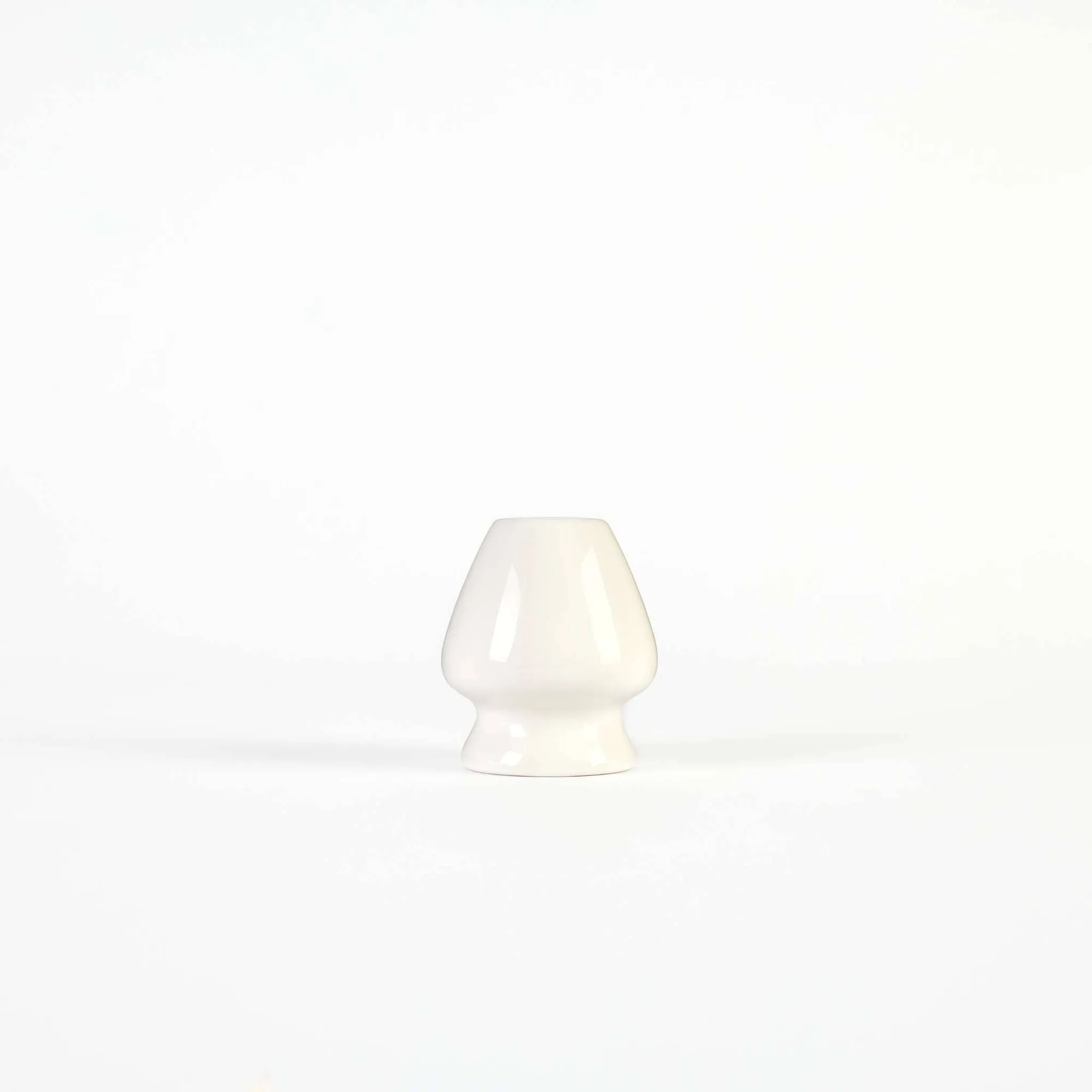
Matcha Whisk Stand
- Love umami and vibrant green? Go Japanese.
- Prefer floral, nutty, and mellow? Choose Chinese.
- Want to try both? Start with a sampler or starter kit.
Whether you’re drawn to the steamed, umami-rich elegance of Japanese green teas or the pan-fired, floral charm of Chinese varieties, each offers a unique window into centuries of tea culture. Experiment with different styles, adjust your brewing technique, and discover your personal favorite. For a perfect starting point, explore our selection of Chinese and Japanese green teas at Good & Proper Tea—your next cup of discovery awaits.