Quick answer
Gyokuro and Matcha are both shaded Japanese green teas with intense umami, but they differ in form and preparation. Gyokuro is a loose-leaf tea brewed by steeping, while Matcha is a powdered tea whisked into suspension. Choose Gyokuro for a contemplative, savory cup and Matcha for a creamy, energizing drink you can enjoy on the go.
Cultivation and processing differences
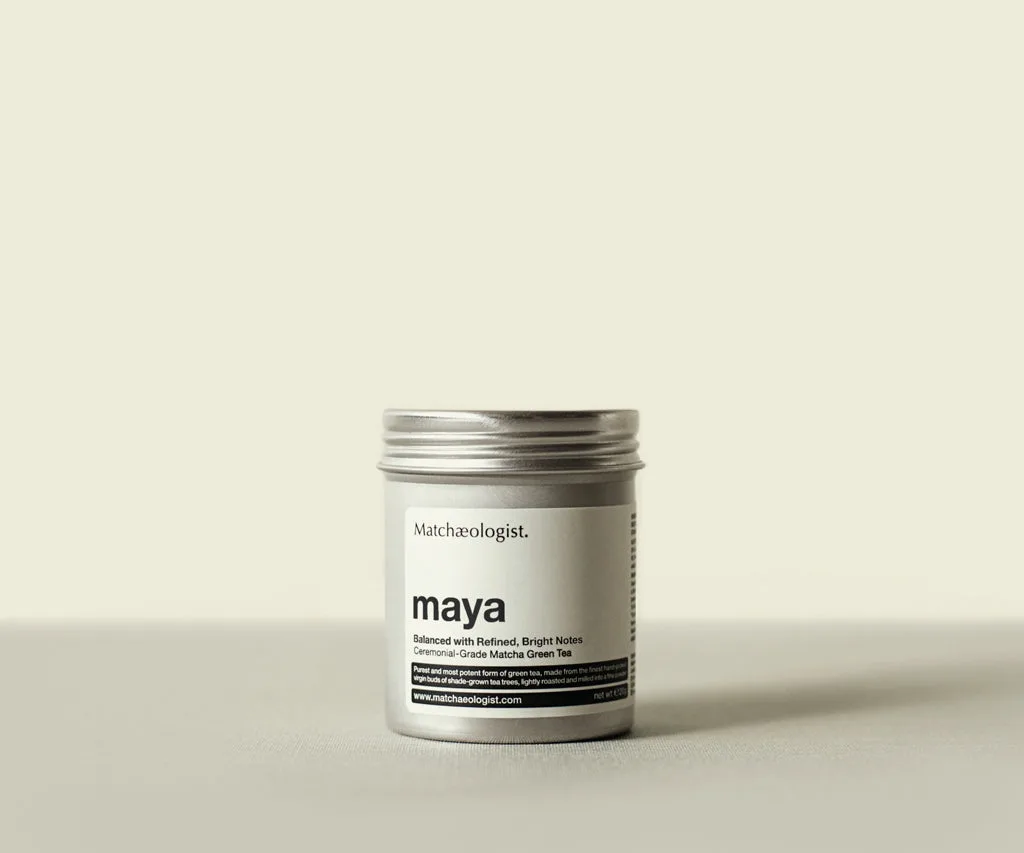
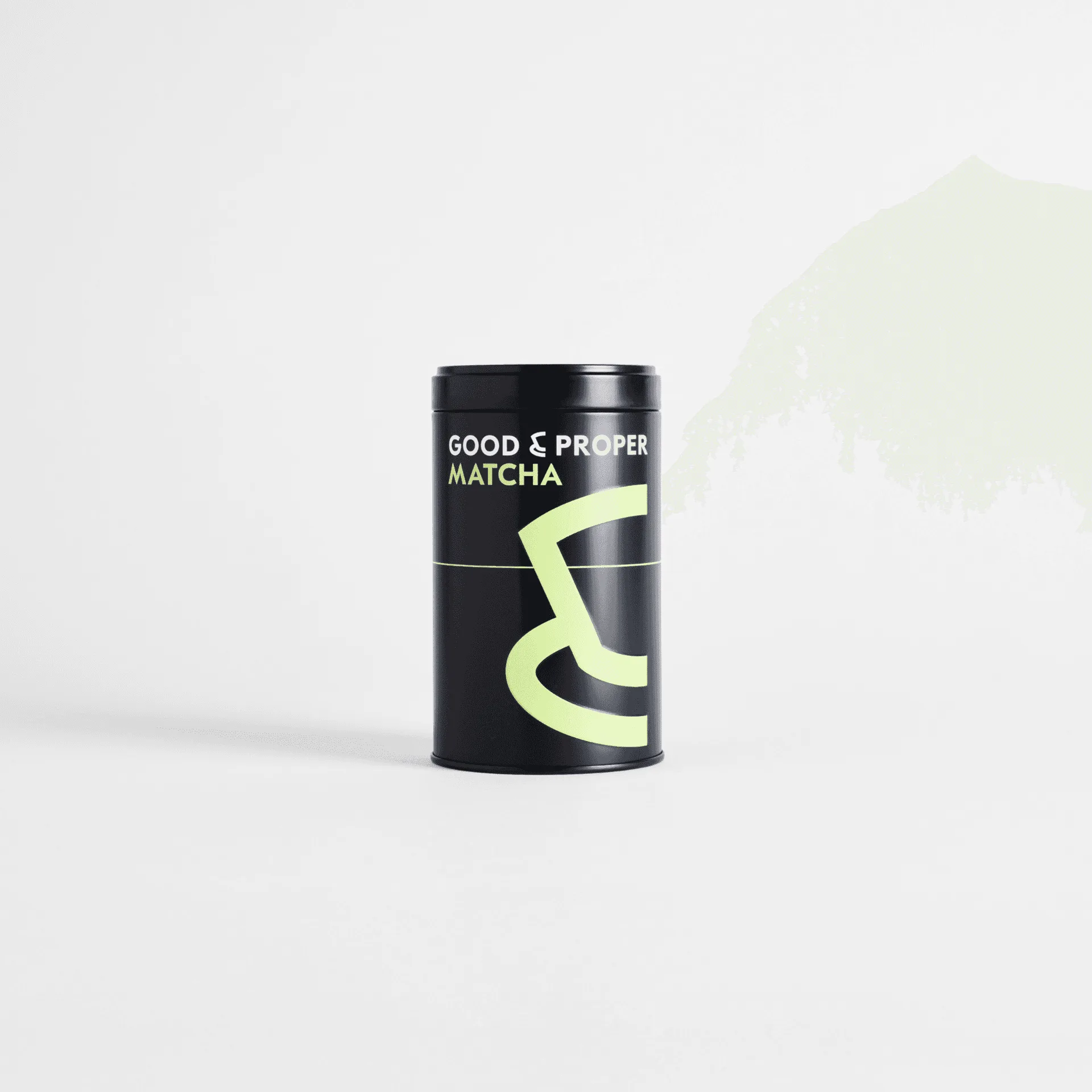
Both Gyokuro and Matcha come from shade-grown tea plants, but the shading period and subsequent processing set them apart. Gyokuro is shaded for about three weeks before harvest, then steamed and rolled into needle-like leaves. Matcha is made from tencha — leaves that are shaded longer, then steamed and stone-ground into a fine powder. The extra shading in Matcha boosts chlorophyll and L-theanine, giving it a more pronounced creamy texture and vibrant green color.
Flavor and texture: what to expect
Gyokuro delivers a rich, sweet umami with a silky mouthfeel and a clean, vegetal finish. Because you discard the leaves after steeping, the flavor is lighter and more delicate. Matcha, on the other hand, is consumed whole — you ingest the entire leaf powder. This results in a thicker, creamier beverage with a bold, full-bodied umami and a slight grassy note. The texture of Matcha can be an adjustment if you're used to clear infusions.
Brewing methods and daily practicality
Gyokuro requires precise, cooler water (around 122–140°F) and a short steeping time of 1–2 minutes. It's a mindful ritual best suited for quiet moments. Matcha is whisked with hot water (around 175°F) using a bamboo whisk, taking under a minute. It's more portable — you can prepare a cup with just a bowl and whisk, or even shake it in a bottle. However, Matcha requires more cleanup (whisk and bowl) compared to Gyokuro's simple strainer or infuser.
Trade-offs at a glance
- Umami intensity: Gyokuro offers a delicate, sweet umami that fades after steeping. Matcha delivers a concentrated, lingering umami because you consume the whole leaf. Choose Gyokuro for subtlety, Matcha for boldness.
- Preparation effort: Gyokuro needs precise temperature and timing but simple straining. Matcha requires a whisk and bowl but takes under a minute to prepare. Gyokuro suits a meditative ritual; Matcha fits a quick morning boost.
- Caffeine and energy: Both contain caffeine and L-theanine for calm alertness. Matcha typically has more caffeine per serving due to consuming the whole leaf. Matcha provides a stronger energy lift; Gyokuro offers a gentler, sustained focus.
Featured teas from Sancha Tea Boutique
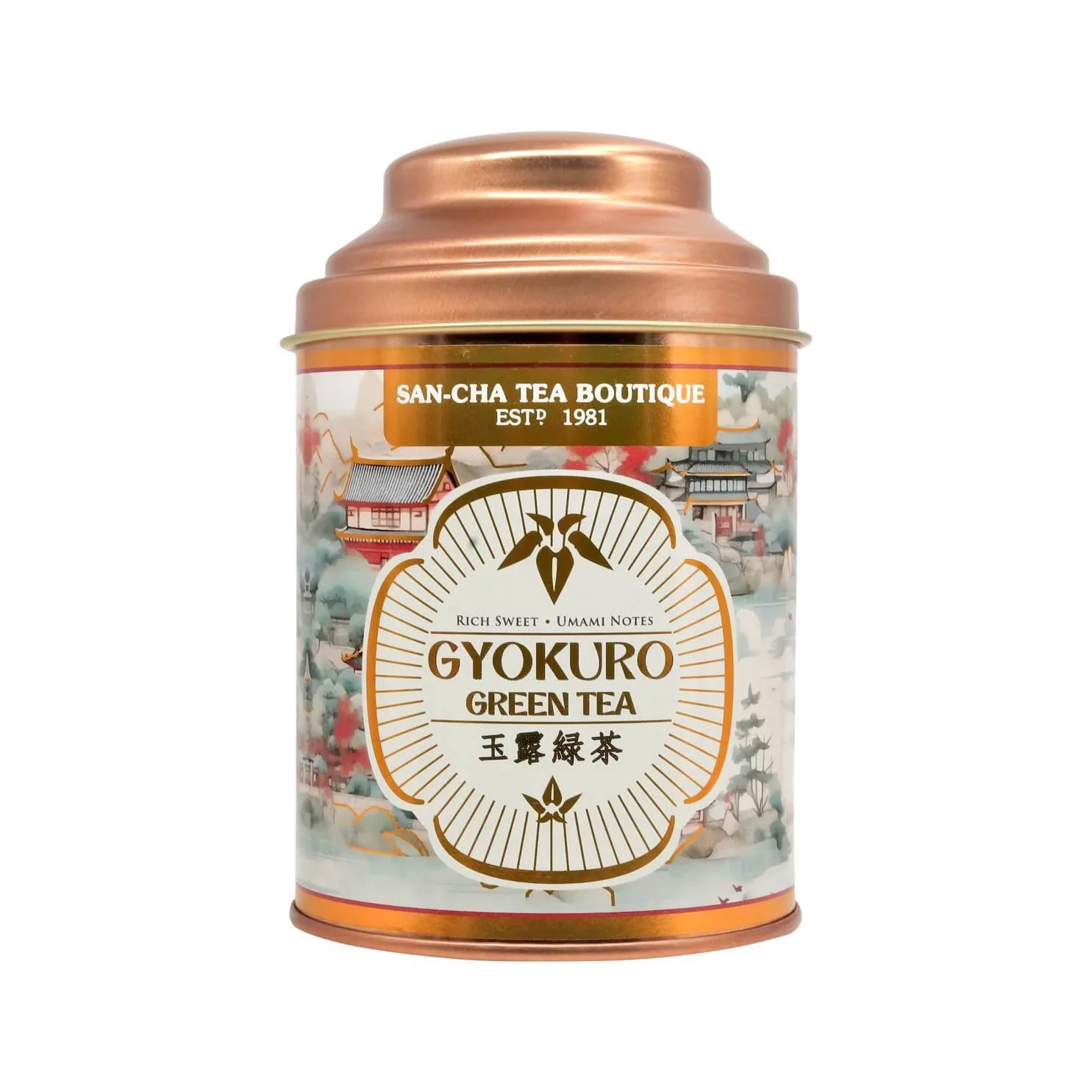
- Gyokuro Japanese Green Tea | Rich & Sweet Umami Elegance: Gyokuro – Jewel Dew Japanese Green Tea is carefully shade-grown before harvest, a traditional method that enhances its sweet, savoury umami depth. Brewed to perfection, it reveals a rich, silky liquor with a fresh green vegetal aroma. If you value a refined, savory cup with a smooth finish, this Gyokuro delivers the signature umami experience without the powder texture.
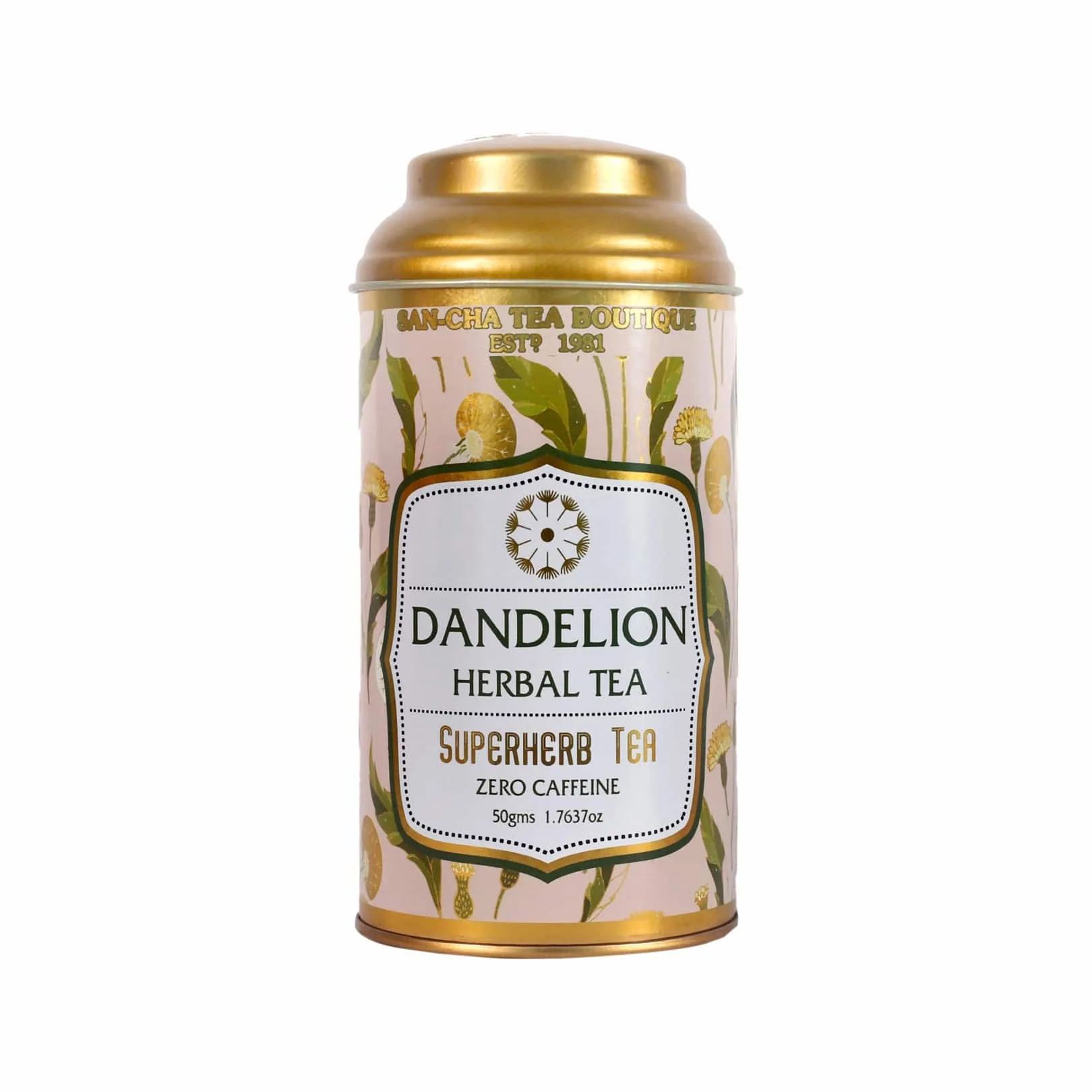
- Dandelion Herbal Infusion – Everyday Wellness | 100% Caffeine-Free: Dandelion Herbal Infusion is a 100% caffeine-free herbal tisane with toasty, earthy, and delicately floral notes. It is thoughtfully crafted for those who enjoy grounding, comforting flavours. For caffeine-free evenings or a break from green tea, this infusion offers a completely different flavor profile — toasty and floral — without any of the grassy notes found in Matcha or Gyokuro.
Which one should you choose?
Best for
- Tea drinkers who enjoy a contemplative, savory cup with a clear liquor and subtle sweetness — choose Gyokuro.
- Those who want a quick, creamy, high-energy drink they can prepare in under a minute — choose Matcha.
Not for
- Anyone who dislikes grassy or seaweed-like flavors — both teas have pronounced vegetal notes.
- Caffeine-sensitive individuals looking for an afternoon or evening tea — both contain significant caffeine.