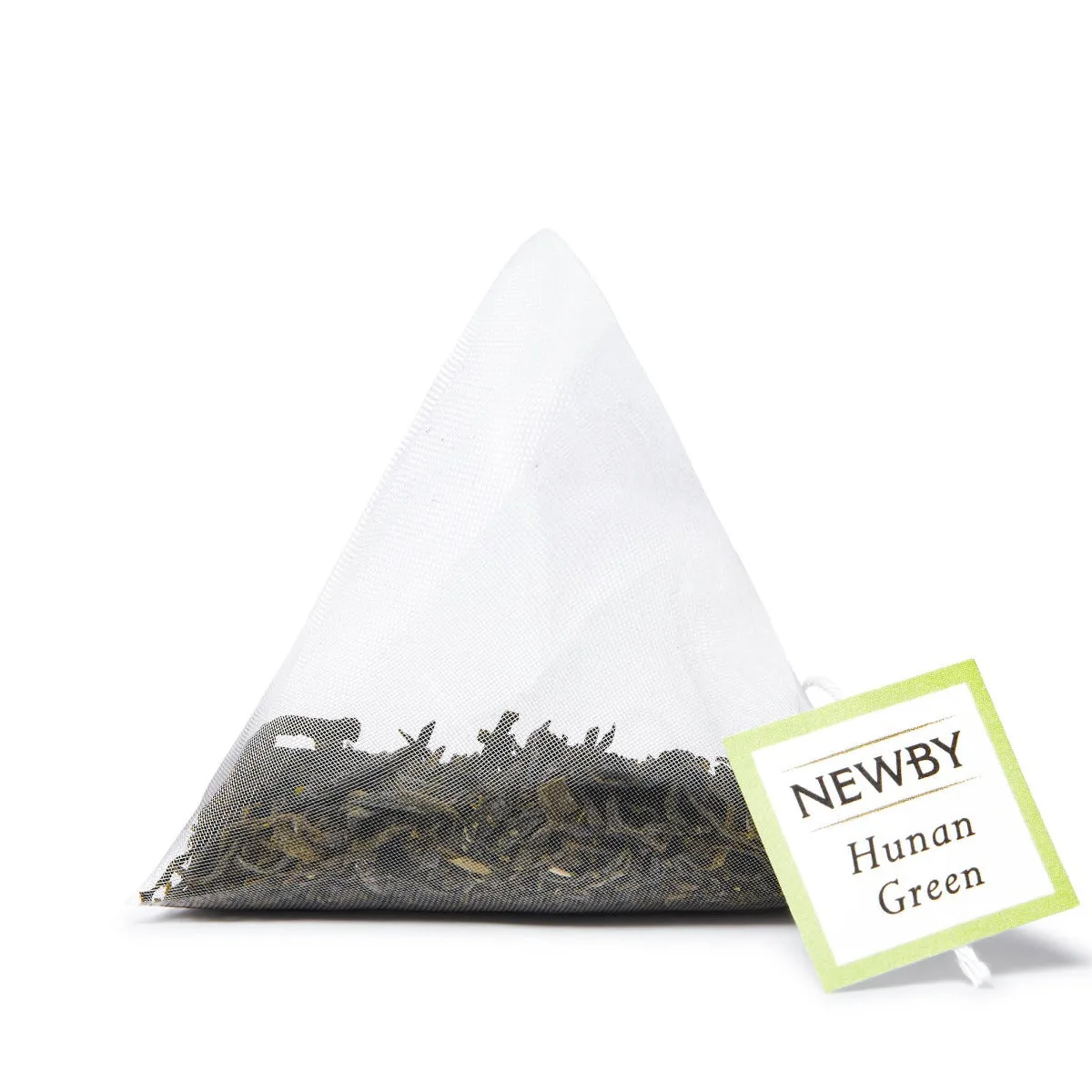
Green tea is one of the most beloved beverages worldwide, but not all green teas are created equal. The two major traditions—Chinese and Japanese—offer vastly different experiences in aroma, taste, and appearance. Understanding these differences can help you choose the perfect green tea for your palate and elevate your daily tea ritual.
Whether you are a seasoned tea enthusiast or a curious beginner, this guide will walk you through the key distinctions between Chinese and Japanese green teas. From processing methods to brewing techniques, you will learn what sets them apart and how to appreciate each style to the fullest.
Processing Methods: Steaming vs Pan-Firing
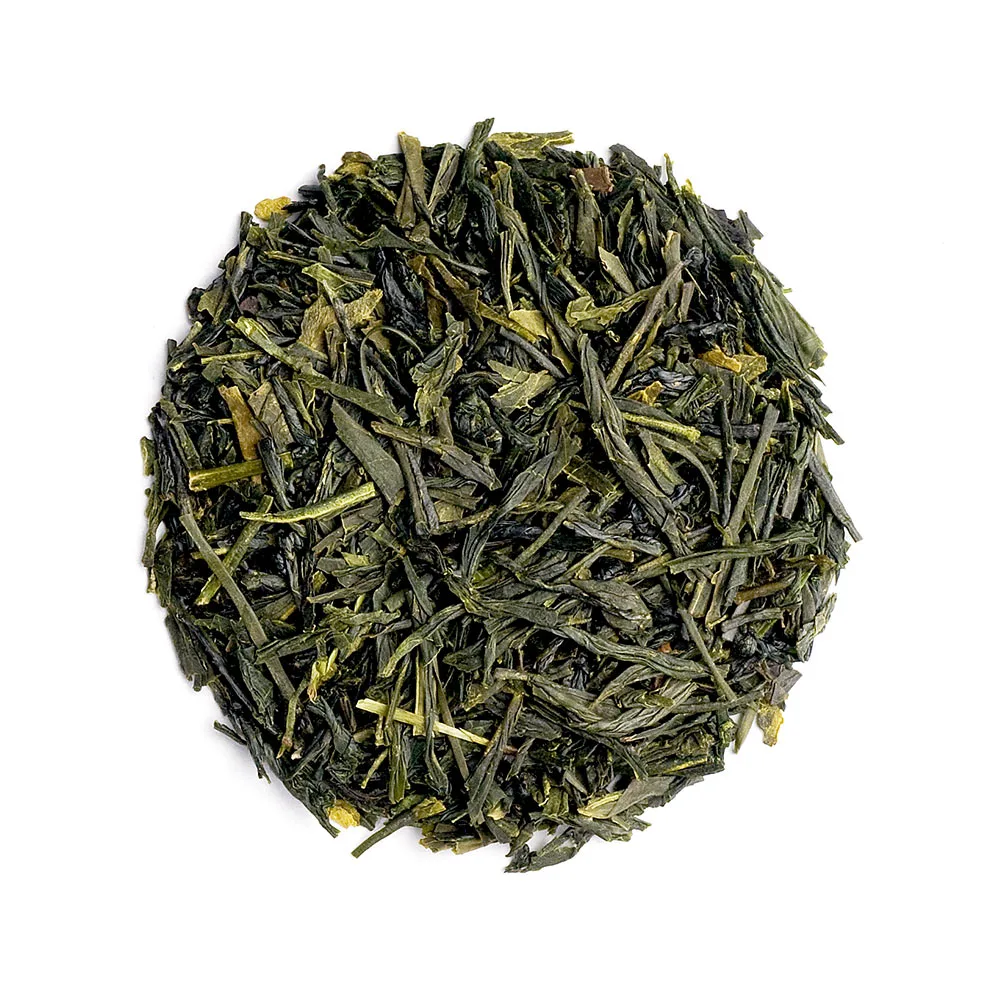
The most fundamental difference between Chinese and Japanese green teas lies in how they are processed to stop oxidation. Japanese green teas are typically steamed, a method that preserves the leaves' vibrant green color and creates a grassy, vegetal flavor profile. Steaming also results in a finer, more needle-like leaf shape and a distinctive umami richness, especially in premium varieties like Gyokuro.
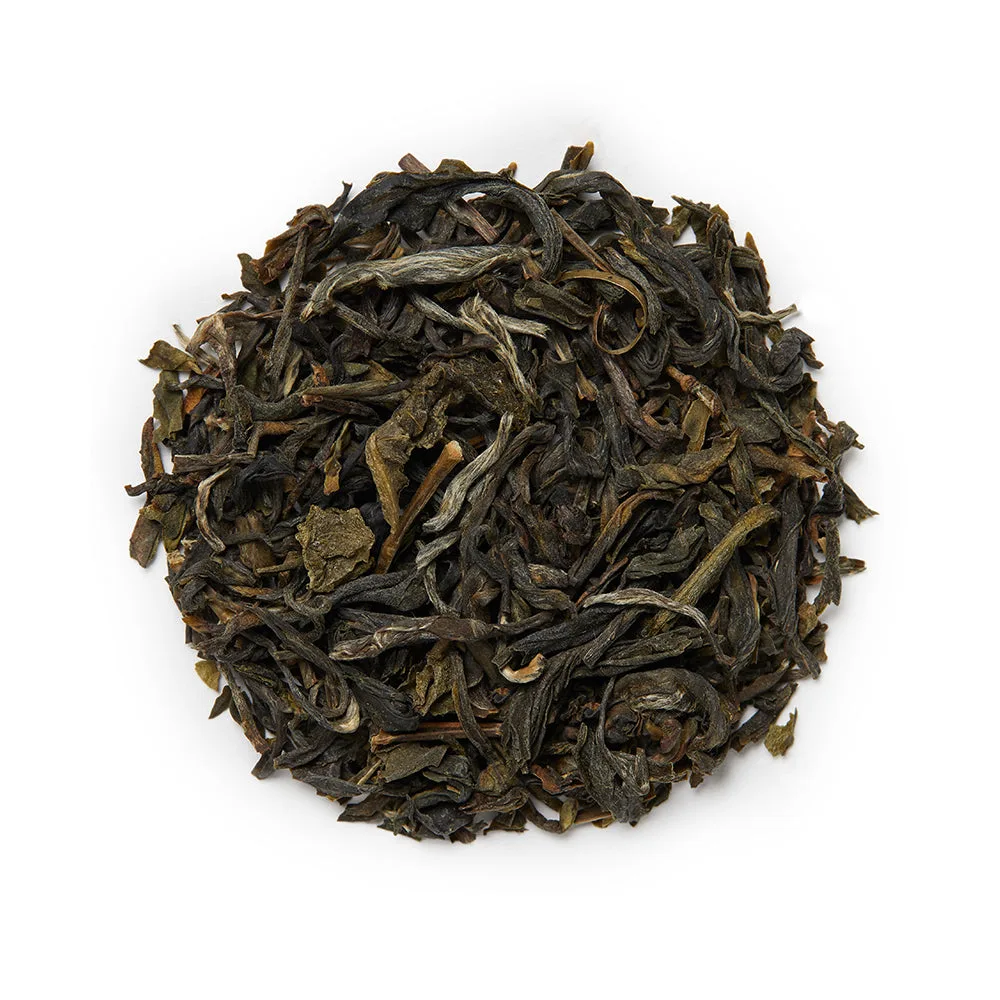
Chinese green teas, on the other hand, are usually pan-fired or roasted in woks. This method imparts a toasty, nutty, or even slightly smoky character to the tea, with flavors ranging from chestnut to orchid. Pan-firing also yields a more varied leaf appearance—from flat and sword-shaped (like Longjing) to curly or twisted. The result is a broader spectrum of taste experiences, from delicate and sweet to bold and roasted.
- Japanese steaming: yields bright green liquor, grassy notes, and high umami
- Chinese pan-firing: produces golden or pale liquor, toasty aromas, and diverse flavor profiles
Flavor Profiles: From Grassy to Nutty
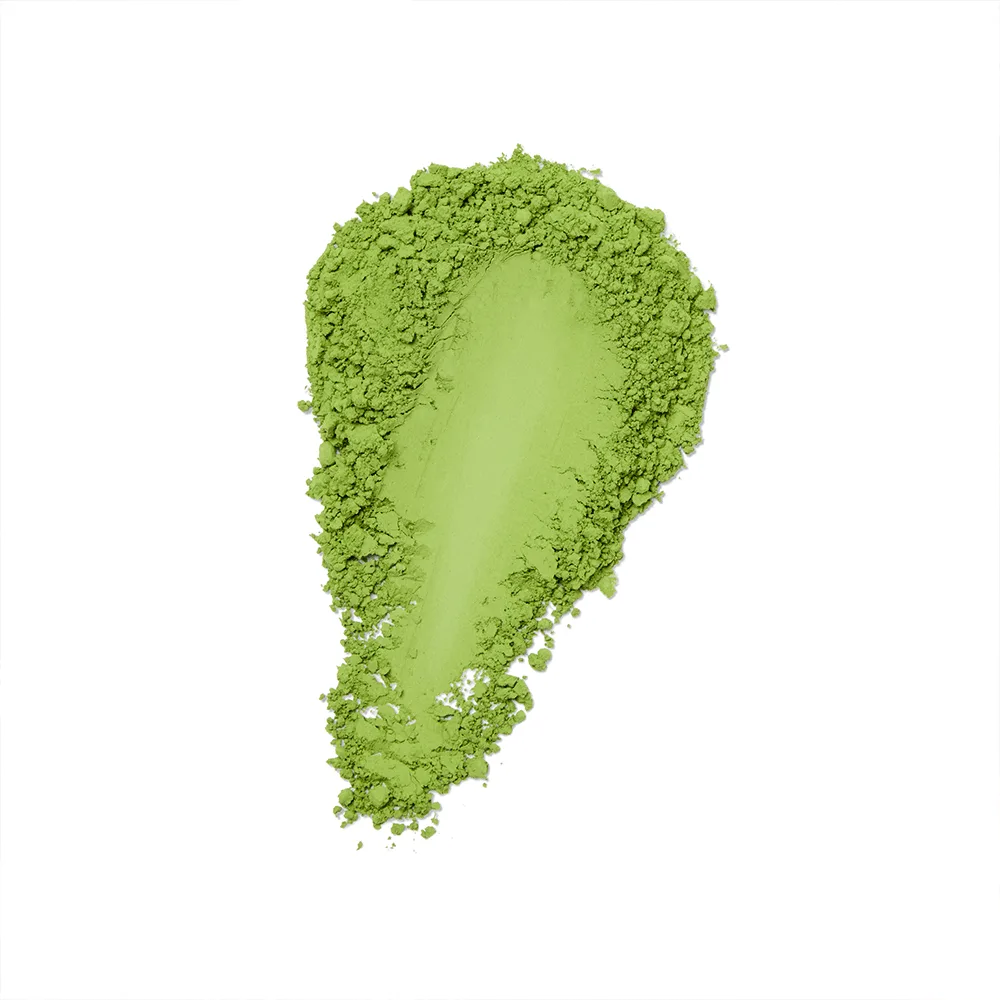
The flavor of Japanese green teas is often described as fresh, grassy, and oceanic, with a pronounced umami character derived from high levels of L-theanine. Gyokuro, for example, is shaded before harvest to boost chlorophyll and amino acids, resulting in a sweet, almost brothy taste. Sencha offers a balanced blend of vegetal sweetness and astringency, while Matcha provides a creamy, full-bodied experience.
Chinese green teas tend to be more varied and often lean toward nutty, floral, or roasted notes. Longjing (Dragon Well) is famous for its chestnut-like flavor and flat, jade-green leaves. Biluochun offers a fruity, floral aroma with a delicate sweetness. Some Chinese greens, like Huangshan Maofeng, are light and refreshing with a hint of orchid. This diversity makes Chinese green teas an exciting category to explore.
- Japanese: grassy, umami-rich, sweet, and slightly astringent
- Chinese: nutty, floral, toasty, and often more subtle in astringency
Brewing Techniques: Temperature and Time Matter
Because of their different processing and leaf structures, Chinese and Japanese green teas require distinct brewing approaches. Japanese green teas are best brewed at lower temperatures—around 160°F to 175°F (70°C to 80°C)—for 1 to 2 minutes. Higher temperatures can scorch the delicate leaves and result in excessive bitterness. Use a small kyusu teapot or a simple infuser for best results.
Chinese green teas can handle slightly hotter water, typically 175°F to 185°F (80°C to 85°C), and a shorter steeping time of 2 to 3 minutes. The leaves are often larger and more robust, so they can be re-steeped multiple times. A glass gaiwan or a porcelain teapot works beautifully, allowing you to watch the leaves unfurl. For a premium experience, consider pairing your tea with a Fine Bone China Teapot to maintain optimal temperature and elegance.
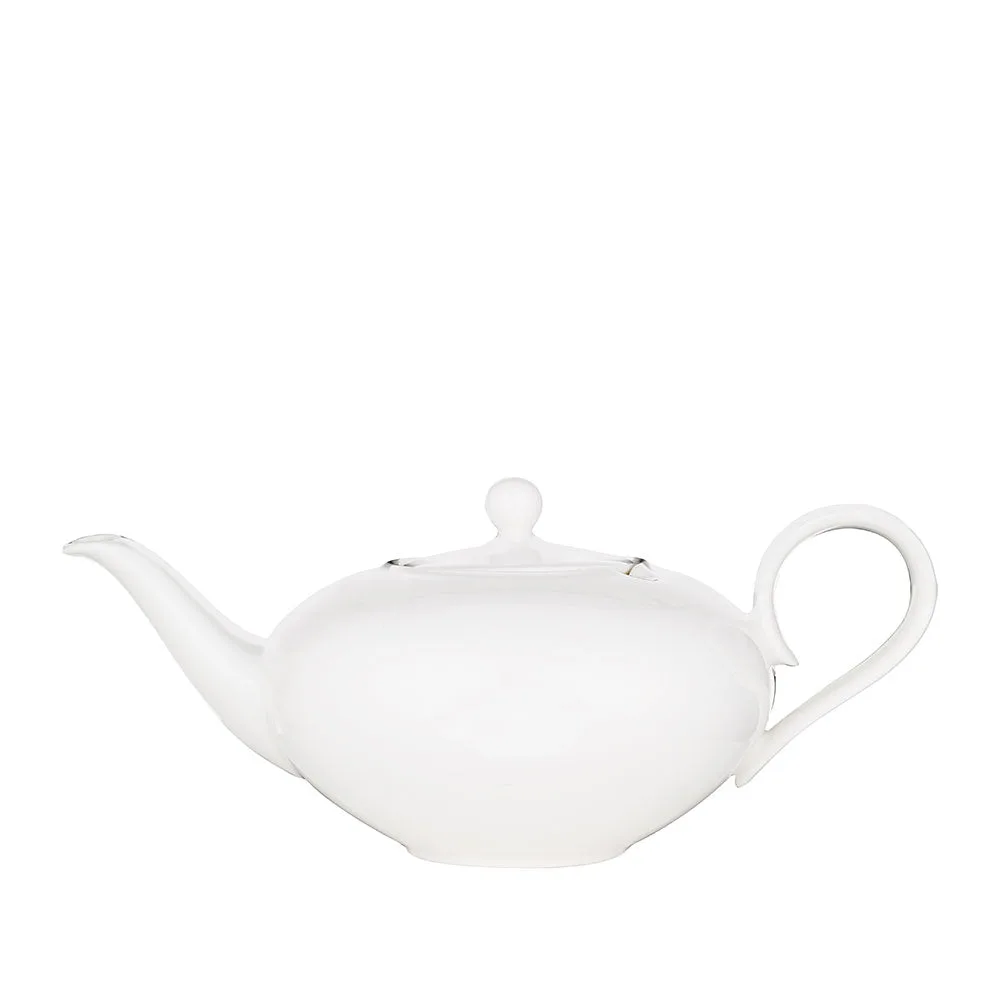
Fine Bone China Teapot
- Japanese greens: 160-175°F, 1-2 minutes, avoid boiling water
- Chinese greens: 175-185°F, 2-3 minutes, multiple infusions possible
Appearance and Aroma: Visual and Olfactory Cues
The visual differences are striking. Japanese green tea leaves are typically thin, needle-like, and a deep emerald green. The brewed liquor is often a bright, clear green or yellow-green. The aroma is intensely vegetal, reminiscent of steamed spinach or seaweed, with a fresh, ocean-like quality.
Chinese green tea leaves vary widely—from flat and smooth to twisted and curly. Their color ranges from pale green to dark jade, sometimes with a silvery sheen. The brewed liquor is usually pale yellow or light green. Aromas can be nutty, floral, or even fruity, with notes of roasted chestnut, orchid, or fresh peas. This diversity makes Chinese green teas a sensory adventure.
- Japanese: needle-like leaves, bright green liquor, grassy aroma
- Chinese: varied leaf shapes, pale to golden liquor, nutty or floral aroma
Which One Should You Choose?
Your choice between Chinese and Japanese green teas ultimately depends on your taste preferences. If you enjoy a savory, umami-rich cup with a clean, grassy finish, Japanese greens like Gyokuro or Sencha are ideal. They pair wonderfully with sushi or light seafood dishes. For a more diverse experience with toasty, nutty, or floral notes, explore Chinese greens such as Longjing or Biluochun.
Both traditions offer exceptional quality and health benefits, including antioxidants and calming L-theanine. To start your journey, try a curated selection like the Black & Green Silken Pyramids Gift Box, which includes both styles for easy comparison. Or, if you prefer loose leaf, the Eid Mubarak Green Teas & Tisanes Loose Leaf Selection offers a beautiful assortment of green teas perfect for exploring.
- Japanese greens: best for umami lovers and those who enjoy a savory note
- Chinese greens: ideal for those who prefer nutty, floral, or roasted flavors
Whether you lean toward the grassy elegance of Japanese green teas or the toasty complexity of Chinese varieties, exploring both traditions will deepen your appreciation for this timeless beverage. For a convenient and elegant way to sample different green teas, we invite you to explore the Black & Green Silken Pyramids Gift Box, which beautifully showcases the best of both worlds.