Why the Chogori changes cold-weather pitching
The Chogori Mountaineering Tent is a four-season shelter built around a simple but significant idea: the fly is integrated with the tent body, and the poles sit on the outside. That combination lets you pitch the tent in half the time compared with a traditional setup, according to NEMO. In extreme weather, that time savings matters.
This design also trims weight by 25% while maintaining category-leading ventilation, vestibule space, and guy-out options. The silicone-treated fabrics are stronger and don't require seam tape, which adds durability. For cold-weather trips, those details translate into a tent that's quicker to set up and easier to anchor when the wind picks up.
Chogori specs that affect pitching and anchoring
-
Chogori™ Mountaineering Tent: Integrated fly and body with external pole structure allows setup in half the time. Less time fumbling with a separate fly in cold or windy conditions means you can get sheltered faster.
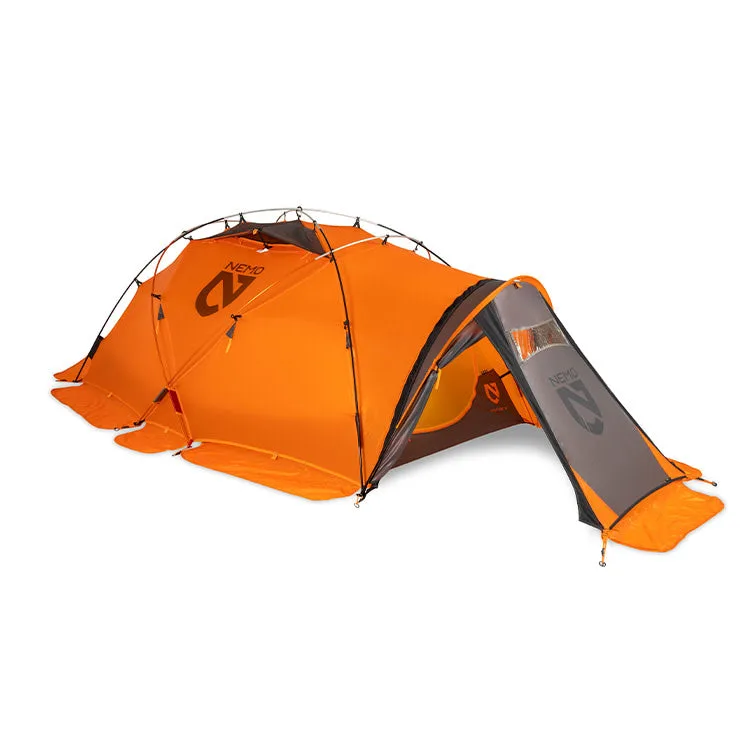
Chogori™ Mountaineering Tent
-
Chogori™ Mountaineering Tent: Silicone-treated fabrics are significantly stronger and don't require seam tape. Stronger fabric and no seam tape reduce failure points that could compromise the tent in high wind or snow.
-
Chogori™ Mountaineering Tent: Maintains category-leading ventilation, vestibule space, and guy-out options. Good ventilation helps manage condensation in cold weather, while vestibule space and guy-out points give you room and anchoring flexibility.
A cold-weather pitching sequence for the Chogori
The Chogori's design supports a streamlined pitch. Follow these steps, adapted from the tent's integrated fly and external pole structure, to set it up efficiently in cold conditions.
- Clear and prepare your site: Choose a level spot and clear away sharp objects. In snow, you may need to stomp down a platform. The Chogori's four-season design is intended for cold weather, but site preparation still matters.
- Lay out the tent body: Unroll the tent and orient it so the door faces away from the prevailing wind. Because the fly is integrated, you won't need to attach a separate fly later.
- Assemble and insert the external poles: The external pole structure means poles go on the outside of the tent. Connect the pole sections and feed them through the sleeves or clips as designed. This external system is what enables the faster setup.
- Raise the tent: With poles in place, lift the tent into shape. The integrated fly will come up with the body, saving the step of adding a fly separately.
- Stake the base: Anchor the corners and key points with stakes. Use the guy-out options to add stability, especially if wind is forecast. The Chogori maintains category-leading guy-out options, so use them.
- Adjust guy lines and tension: Tension guy lines to keep the tent taut. In high wind, a taut pitch reduces flapping and stress on the fabric. Check that the vestibule is oriented to block wind if possible.
Guy-out basics for high wind
The Chogori's guy-out options are a key part of its four-season capability. In high wind, use them all. Attach guy lines to the provided loops and anchor them at a low angle to the ground. In snow, you may need to use snow stakes or bury anchors; the tent record doesn't specify snow-specific anchoring methods, so rely on your own training and local conditions.
If you expect extreme wind, consider linking two Chogori tents of the same size together. The record states this creates a larger, connected shelter in which to wait out the storm. That option can be valuable for groups, but it requires two tents and careful planning.
Capacity options for your team
- Chogori™ Mountaineering Tent: Available in 2-Person and 3-Person capacities. Choose based on how many people and how much gear you need to shelter. A 3-person tent may offer more room for gear or for linking with another tent.
What the record does not confirm
The supplied information does not include specific wind or snow load ratings, nor does it provide detailed instructions for pitching on snow or in extreme cold. It also doesn't confirm compatibility with specific stake types or provide a step-by-step for linking two tents. For those details, consult the full manufacturer documentation or seek training. This article covers only what the record supports.