Quick answer
Start by deciding whether you need color or black-and-white film, then choose an ISO that matches your light conditions. For accurate skin tones and fine grain, go with a color negative like Kodak Portra 160. If you want a contrasty black-and-white look on a budget, Kentmere Pan 200 delivers strong results for a fraction of the cost.
Color vs Black-and-White: Your First Fork
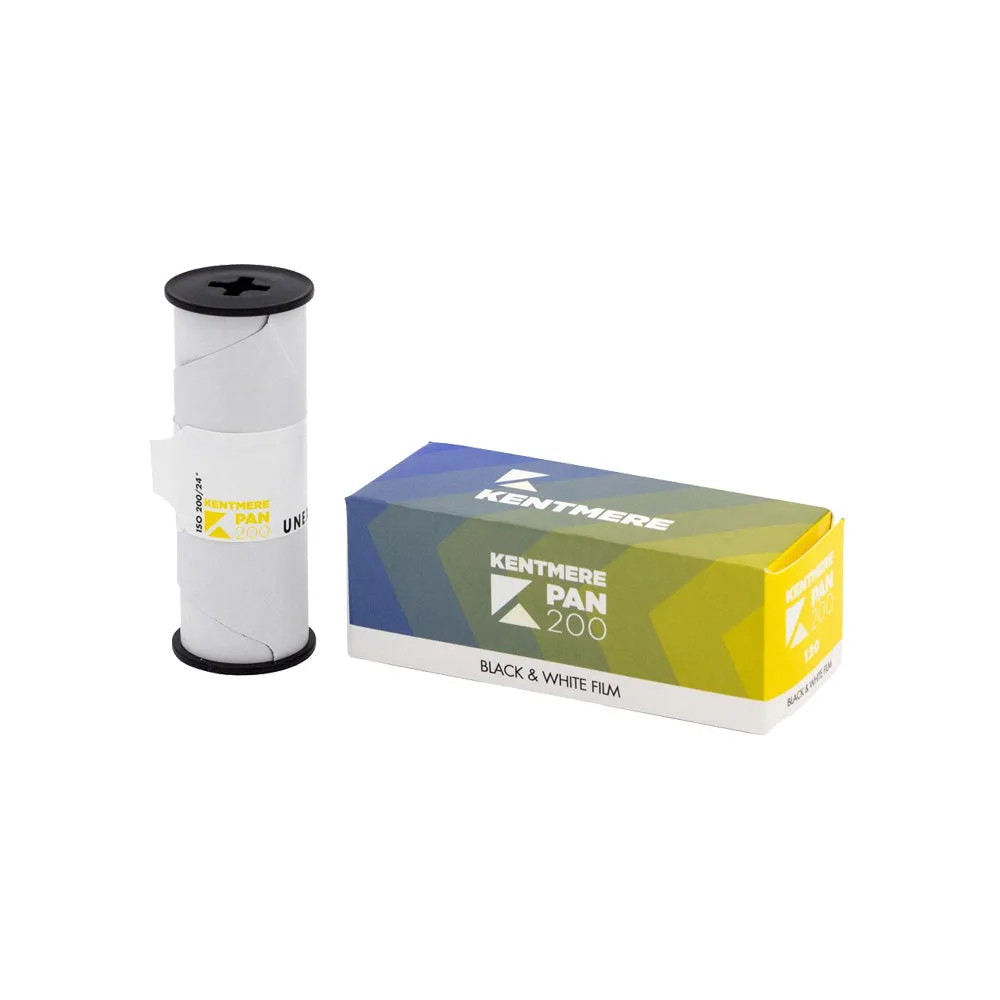
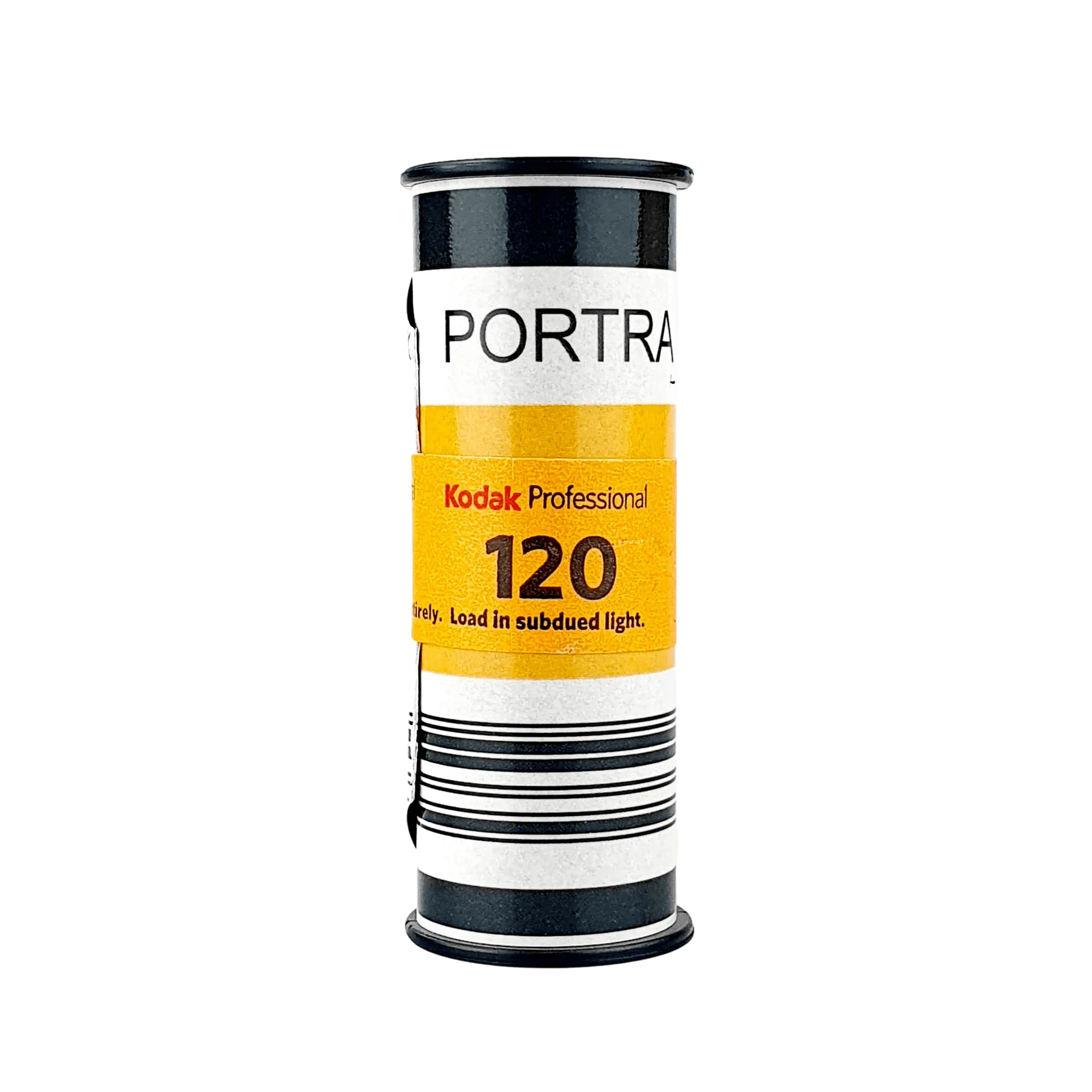
Color negative film like Kodak Portra 160 gives you natural skin tones and medium saturation, making it a safe pick for portraits, events, and everyday shooting. Black-and-white film such as Kentmere Pan 200 offers a contrasty, classic look with pleasing grain — ideal when you want to control the final image through your own development and printing.
If you plan to scan and share digitally, color film is more forgiving of exposure errors and requires less post-processing. Black-and-white film rewards you with lower film cost and the ability to develop at home without a color chemistry setup.
ISO and Light: Matching Speed to Scene
ISO 160 film (like Portra 160) works best in bright daylight or with a tripod in overcast conditions. It delivers very fine grain and high sharpness, but you'll need to steady your camera in lower light. ISO 200 black-and-white film (like Kentmere Pan 200) is slightly faster, giving you an extra stop of flexibility in shade or late afternoon, while still keeping grain well controlled.
If you often shoot indoors or in dim conditions without flash, consider a 400-speed film instead. The 160 and 200 options here shine when you have decent light and want maximum image quality.
Budget and Volume: What You Pay For
Kodak Portra 160 sits at a premium price point (catalog comparison price USD 38.00) because it uses T-GRAIN technology and VISION Film Technology for exceptional color accuracy and fine edge detail. Kentmere Pan 200 costs about a third as much (catalog comparison price USD 12.00) and gives you a contrasty, sharp black-and-white look — perfect for practicing or shooting high-volume projects.
Your choice here is between paying for advanced color science or saving money for more rolls and development. Both are excellent in their own lane.
Your Decision Rules for 120 Film
- Subject comes first: Choose color negative for people and natural scenes; black-and-white for graphic, contrasty compositions. Portra 160 for portraits, Kentmere Pan 200 for street or architecture.
- Light sets your ISO: ISO 160 and 200 films need good light. If you shoot in deep shade or indoors, move to a 400-speed film. Both Portra 160 and Kentmere Pan 200 are daylight-friendly.
- Budget controls your volume: Kentmere Pan 200 costs roughly one-third of Portra 160 per roll. If you burn through film, the savings add up fast. Shoot Kentmere for practice, Portra for final images.
Two Films, Two Missions
- Kodak Portra 160 120 Film: Kodak Portra 160 120 Film is a daylight-balanced C-41 color negative film with ISO 160, very fine grain, VISION Film Technology, medium color saturation, low contrast, accurate color and neutral skin tones, high sharpness and fine edge detail. You get professional-grade color reproduction and skin tones that need little correction in post. The low contrast and fine grain make it forgiving for portraits and scenes with a wide brightness range.
- Kentmere Pan 200 120 Film: Kentmere Pan 200 120 Film is a 200 ISO black-and-white film formulated for a more contrasty look, with enhanced contrast, pleasing and well controlled grain, and good sharpness. Its contrasty character gives your images a punchy, classic black-and-white feel straight from the camera. The lower price and solid sharpness make it a great choice for learning, street photography, or high-volume shooting.
Which Film Fits You?
Best for
- Photographers who want accurate color and fine grain for portraits or events — Kodak Portra 160
- Budget-conscious shooters or black-and-white enthusiasts who want a contrasty look at a low price — Kentmere Pan 200
Not for
- Low-light or indoor shooting without flash — consider a 400 ISO film instead
- Shooters who want extreme color saturation or high contrast color — look at slide film or higher-saturation color negative stocks