Quick answer
Buy two products, not one: a pH-appropriate cleaner for visible soil and a separate disinfectant for the kill step. Match the disinfectant to your surfaces, your contact time, and your ventilation, and buy concentrates only if you will dilute accurately and use them within their shelf life.
Most grooming salons do not have a cleaning problem, they have a sequencing problem. One spray bottle gets used on tables, tubs, and floors, and the result is a product that cleans well but disinfects poorly, or disinfects well but leaves hair and dander behind.
This guide treats cleaners and disinfectants as two purchases with two jobs. It covers the practical differences between chemistry types, how to read a label without a chemistry degree, and where a concentrate saves money versus where it creates waste.
Separate the clean step from the kill step
Cleaners lift organic matter: hair, dander, oils, shampoo residue, and feces. Disinfectants reduce pathogens on a surface that is already clean. If you apply a disinfectant to a table covered in wet hair, the organic load consumes the active ingredient and the label contact time becomes meaningless. The practical rule is clean first, let the surface dry or nearly dry, then disinfect.
This means your buying list has at least two line items. A general cleaner for tubs, tables, and floors, and a disinfectant for high-contact surfaces and tools. Some products are labeled as cleaner-disinfectants, which can work for light daily use, but they still need the same two-step discipline on visibly soiled surfaces. If you want one bottle for everything, accept that it will do neither job as well as a dedicated pair.
- Keep a dedicated sprayer for disinfectant only; do not top it up with cleaner.
- Pre-scrape or wipe hair before any spray touches the surface.
- Follow the label contact time, not a quick wipe-and-go.
Match the chemistry to the surface, not the marketing
Quaternary ammonium compounds are common in salon disinfectants because they are less corrosive to stainless steel and have reasonable residual activity. Accelerated hydrogen peroxide is popular where fast kill times and low residue matter. Bleach is cheap and effective but corrosive to many metals and harsh on skin and airways. Each has a place, and none is universally best.
Read the label for what the product is registered to kill and what surfaces it is approved for. If a product does not list your surface, do not assume it is safe. Stainless steel tubs, plastic kennels, painted walls, and rubber mats all behave differently. When a specification is not supplied, treat that as a decision limitation: contact the manufacturer or choose a product with a complete label rather than guessing.
- Check the dilution ratio and contact time before you compare price per bottle.
- Ventilation matters: strong odors are a sign you need airflow, not more product.
- Keep a separate, gentler product for anything that touches a pet's skin or coat.
Concentrates versus ready-to-use
Concentrates win on cost per use and shipping weight, but only if you dilute accurately and use the solution within its stated shelf life. A diluted quat in a spray bottle can lose potency over weeks, and a wrong ratio can either waste product or leave residue that irritates skin. If your team is rushed or turnover is high, ready-to-use may be the cheaper choice in practice.
If you do buy concentrate, buy the mixing bottles and pumps that let you measure consistently. A marked bottle and a dedicated pump remove the guesswork that causes most dilution errors. Store concentrates away from direct sun and out of reach of pets, and label every secondary bottle with the product name and dilution date.
- Buy concentrate if you clean daily and can train one person to mix it.
- Buy ready-to-use if you have multiple staff or irregular cleaning volume.
- Never store diluted disinfectant in an unlabeled bottle.
Build a sanitation kit that matches your workflow
A workable kit has four parts: a cleaner, a disinfectant, a tool-safe disinfectant or wipe for clippers and shears, and a hand hygiene product for staff. Tools are the most overlooked. Clipper blades and shears contact skin and coat directly, so they need a method that does not rust or dull them. Follow the tool manufacturer's guidance and keep a dedicated container for tool disinfection.
For colognes and finishing products, keep them out of the sanitation conversation entirely. They are cosmetic and should not be used to mask odor on a surface that has not been cleaned. A fresh scent on a dirty table is a false signal to the next client.
- Assign one bin or tray for dirty tools and one for disinfected tools.
- Wipe clipper blades after each pet and disinfect at the end of the day.
- Restock gloves and hand sanitizer with the same cadence as shampoo.
What to check before you buy
Compare products on five points: dilution ratio, contact time, surface compatibility, ventilation needs, and whether the label covers the pathogens you care about. A product that is cheap per bottle but needs a long contact time may cost more in labor than a faster product. A product that is fast but corrosive to your tubs will cost more in replacement.
Buy a small size first if you are switching chemistry. Run it for a week on your real surfaces and see how it behaves with your water hardness and your staff. Only then commit to a concentrate or a case. This is the same logic you would apply to a new shampoo: test, then scale.
- Photograph the label of any product you are considering for staff training.
- Track how long a bottle lasts to compare true cost per use.
- Keep a backup product from a different chemistry in case of shortage.
Decision rules for salon sanitation products
- If surfaces are visibly soiled: Use a cleaner first, remove all hair and residue, then apply disinfectant to a clean surface and respect the full contact time. Never skip the clean step; disinfectant on organic matter is wasted product.
- If you clean the same surfaces many times a day: Choose a concentrate with a simple dilution ratio and buy marked mixing bottles so one trained person can mix consistently. Concentrate saves money only when dilution is accurate and the solution is used within its shelf life.
- If your team is large or turnover is high: Choose ready-to-use disinfectant and cleaner so no one has to measure or remember a ratio during a busy day. Pay for convenience when training time is the real bottleneck.
- If tools are part of your routine: Keep a separate tool-safe disinfectant or wipe and follow the tool maker's guidance; do not soak shears or blades in a general surface cleaner. Tool disinfection is a separate purchase, not an afterthought.
- If a label does not list your surface or pathogen: Do not assume coverage. Ask the manufacturer or pick a product with a complete, legible label for your intended use. Missing information is a decision limitation, not a green light.
Product facts that inform the decision
- Groomer's Warehouse #4F Clipper Blade: High quality Japanese high carbon steel, heat treated and ice tempered for longer life, cool running and extra sharp, rust resistant, and compatible with Oster, Andis, and other A-5 type clippers that use a snap-on/off blade system. Blades that run cool and resist rust are easier to keep in a disinfection rotation, because you can clean and dry them without worrying about corrosion between pets.
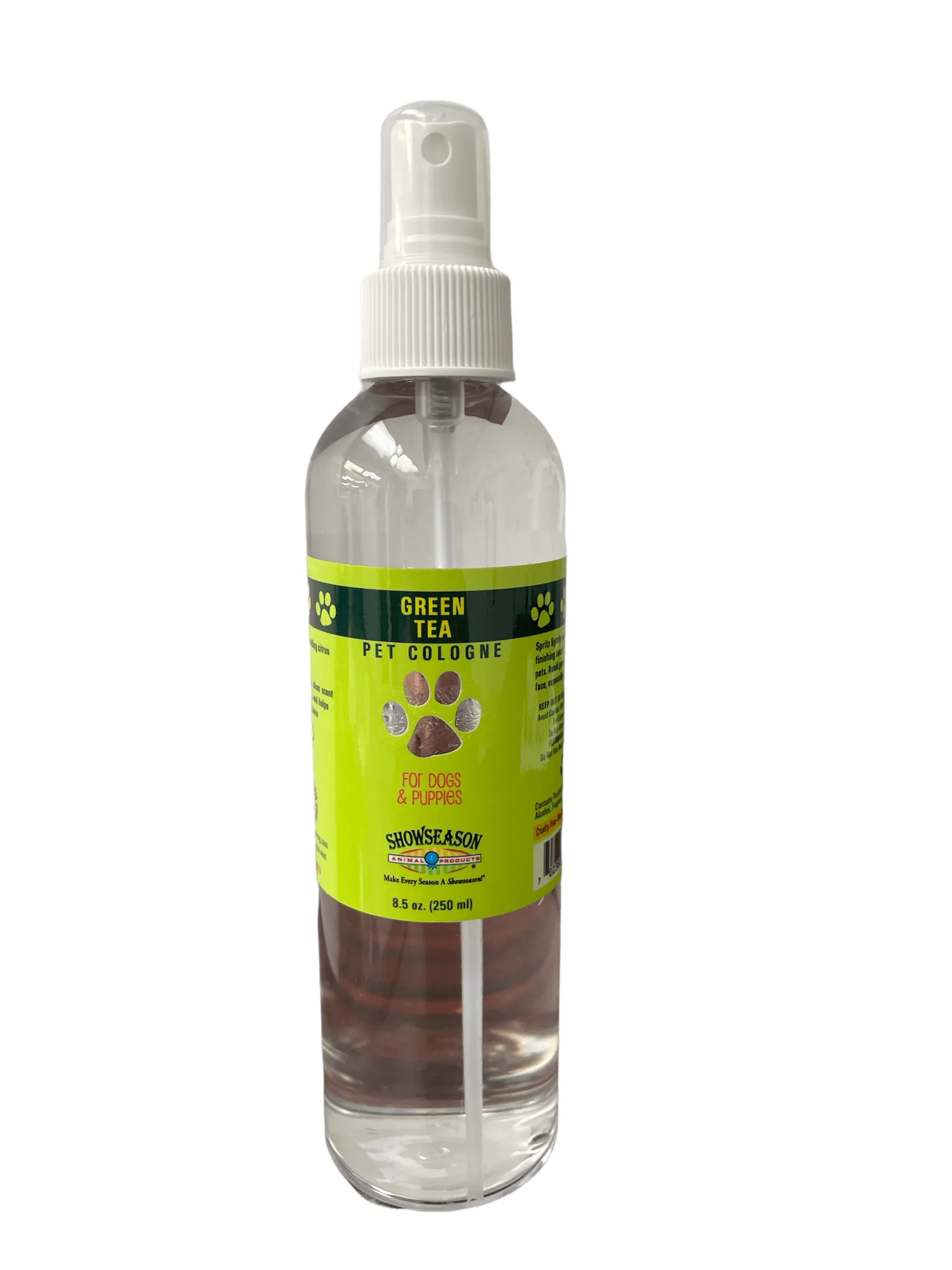
- Showseason Green Tea Cologne-8.5oz.: A clean blend of sparkling citrus and green tea, described as controlling pet odor between baths and giving the coat a fresh, clean aroma that lasts for weeks without overpowering you or the dog's keen nose. Cologne is a finishing step after a clean coat, not a substitute for cleaning. Keeping it separate from your sanitation products prevents staff from using scent to cover a surface that still needs washing.
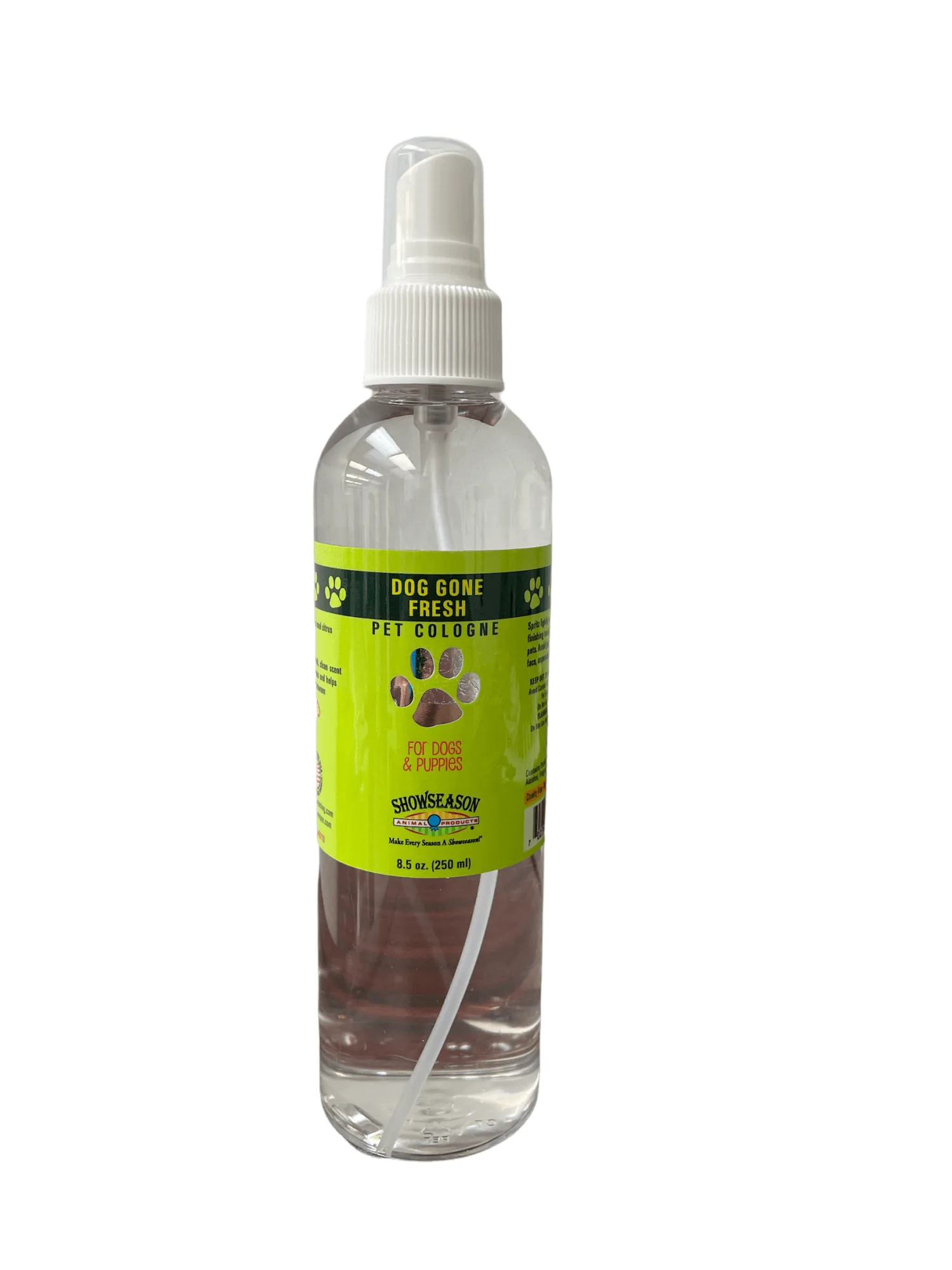
- Showseason Dog Gone Fresh Cologne-8.5oz: Soft floral with a cool citrus undertone, described as a staff favorite that controls pet odor between baths and gives the coat a fresh, clean aroma that lasts for weeks. A mild, non-overpowering scent is a better fit for salons where multiple dogs are handled in a day, because strong fragrances can mask odors that should trigger a cleaning step instead.
Who this approach fits
Best for
- Salon owners building a written sanitation routine with separate clean and disinfect steps
- Mobile groomers who need compact, accurately diluted products and a tool-safe option
- Teams willing to train one person on dilution and contact times
Not for
- Anyone looking for a single spray to clean and disinfect everything with a quick wipe
- Groomers who cannot commit to measuring concentrate or tracking shelf life
- Households that only need a gentle pet-safe wipe for occasional use
Buy your cleaner and your disinfectant as two decisions, match the chemistry to your real surfaces, and let dilution and contact time drive the price comparison. Test a small size before you commit to a case, and keep colognes and finishing sprays in the cosmetic lane where they belong.