Quick answer
For family walks, pick a foldable litter picker that folds small enough to live in a coat pocket or backpack, then add a high-visibility vest so children stay seen near roads and paths. A 22-inch picker suits most children and adults for light litter on pavements and parks; longer arms help only if you plan to reach into hedges or ditches. Buy one picker per person rather than sharing, because turn-taking usually ends the walk early.
Why a foldable litter picker beats a fixed one for family walks
A folding litter picker is a tool that collapses or folds for storage, so it can be carried in a bag and brought out only when you spot litter. That matters on a family walk because the picker is not the main activity: the walk is. A fixed-length picker that does not fold is awkward to carry for an hour and tends to be left at home.
The trade-off is real. Folding joints add a small amount of flex compared with a solid shaft, and some models need a firm push to lock open. For light litter such as wrappers, cans, and paper cups, that flex is not a problem. If you plan to lift heavier or awkward items, a fixed picker with a stronger grip is the more sensible choice.
Match the picker to the person, not just the litter
Litter picking with children works best when each child has a tool they can actually control. A picker that is too long for a child is harder to aim, and a picker that is too short for an adult means bending, which is the exact thing a picker is meant to prevent. As a rough rule, children under about eight do better with a shorter, lighter picker, while adults and older children can manage a longer arm.
Check the folded length before buying, not just the open length. A picker that folds to roughly the length of a forearm will fit in a backpack side pocket; one that folds only in half may still be too long to carry comfortably. If the listing does not state the folded length, treat that as a genuine limitation and choose a model that does.
Safety and visibility on family litter picks
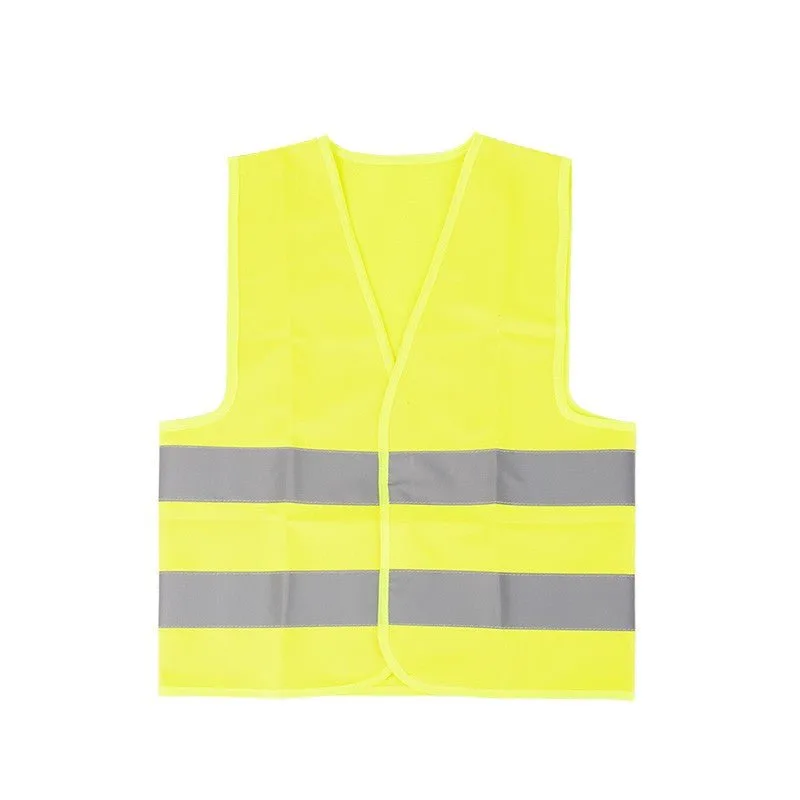
Children should be visible before they are useful. A high-visibility vest is the single cheapest safety upgrade for litter picking with children, especially on pavements beside roads, in car parks, or on dull afternoons. Pair it with a simple rule: children pick on the inside of the path, away from the road edge, and an adult handles anything near traffic.
Teach three habits before the first pick. First, never touch litter with bare hands; use the picker or a glove. Second, leave broken glass, needles, and unknown liquids alone and tell an adult. Third, wash hands straight after the walk. These rules matter more than the picker model you choose.
Build a family litter picking kit that actually gets used
A kit works when it is small enough to keep by the door. One picker per person, a high-visibility vest for each child, a couple of sturdy bags or a bucket, and gloves cover most family walks. Keep it in one bag so nobody has to assemble it from scratch.
For younger children who lose interest in picking, a nature-themed activity gives the walk a second purpose. A memory game about wildlife, or a flower-pressing and field-notes bag, keeps children engaged with the outdoors after the litter is collected. This is not a substitute for picking, but it prevents the trip ending in complaints.
Decision rules for buying a foldable litter picker
- Rule 1: Buy for the shortest person first: If a child will use the picker, choose the shorter, lighter option and let adults adapt. A picker a child cannot aim will be abandoned within ten minutes. One picker per person, sized to the user.
- Rule 2: Check folded length, not just open length: A foldable litter picker only earns its place if it fits in the bag you actually carry. If folded dimensions are not listed, assume it may not fit and look for a model that states them. If it does not fold small, it will stay at home.
- Rule 3: Accept the flex trade-off: Folding joints flex slightly. That is fine for wrappers, cans, and cups. For heavy or awkward items, choose a fixed-shaft picker with a stronger grip instead. Foldable for light litter; fixed for heavy lifting.
- Rule 4: Add visibility before accessories: A high-visibility vest for each child does more for safety on a family walk than any extra picking gadget. Buy vests first, then extras. Visibility is the priority purchase.
Products that fit this approach
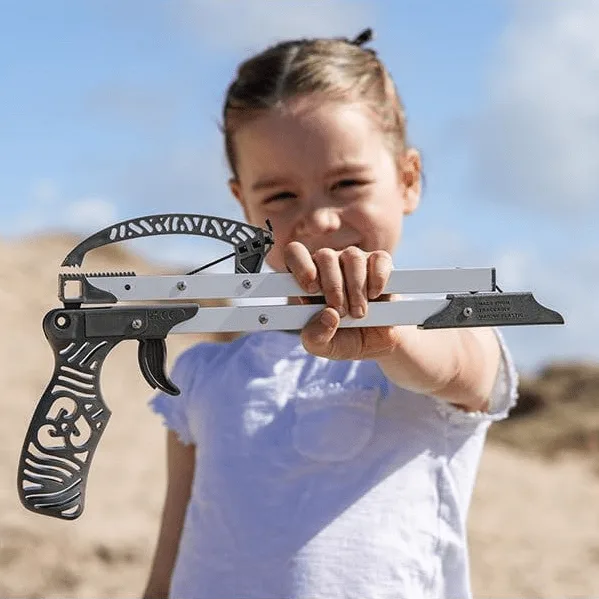
- Waterhaul Ocean Positive Kid's 22" Foldable Litter Picker: A portable 22-inch folding litter picker made in the UK from 100% Traceable Marine Plastic, with each picker repurposing 115g of recovered fishing gear and marine debris, plus an integrated mount for a GoPro or action camera. The 22-inch length suits most children and adults for light litter, the folding design makes it practical to carry on a walk, and the camera mount lets older children document a cleanup if they want a job beyond picking.
- Kid's High Viz Vest: A high-visibility vest designed for children as a litter picking jacket, intended to keep young helpers safe and visible while cleaning up. It is the lowest-effort way to make litter picking with children safer near roads and paths, and it signals to children that they have a real role in the walk.
Who this setup suits
Best for
- Families who want a picker that lives in a coat pocket or backpack for occasional litter on walks
- Parents introducing children aged roughly six and up to litter picking with a tool they can control
- Adults who want a lightweight picker for pavements, parks, and towpaths rather than heavy-duty clearing
Not for
- Heavy-duty or professional cleanup where a fixed-shaft picker with a stronger grip is more suitable
- Very young children who cannot yet follow the no-touching and tell-an-adult rules
- Anyone picking in fast traffic or on steep ground, where adult supervision and a different route matter more than the tool