Quick answer
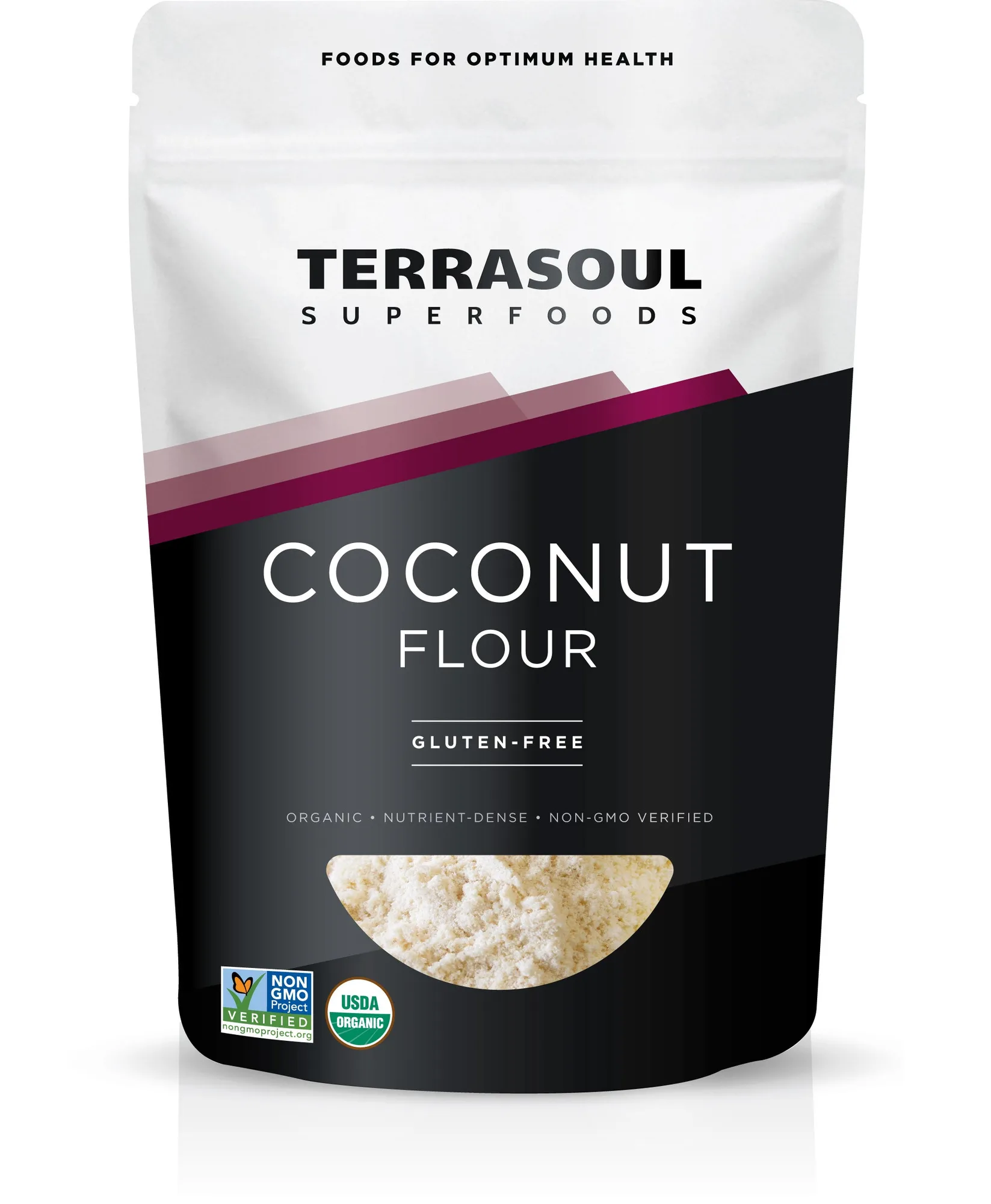
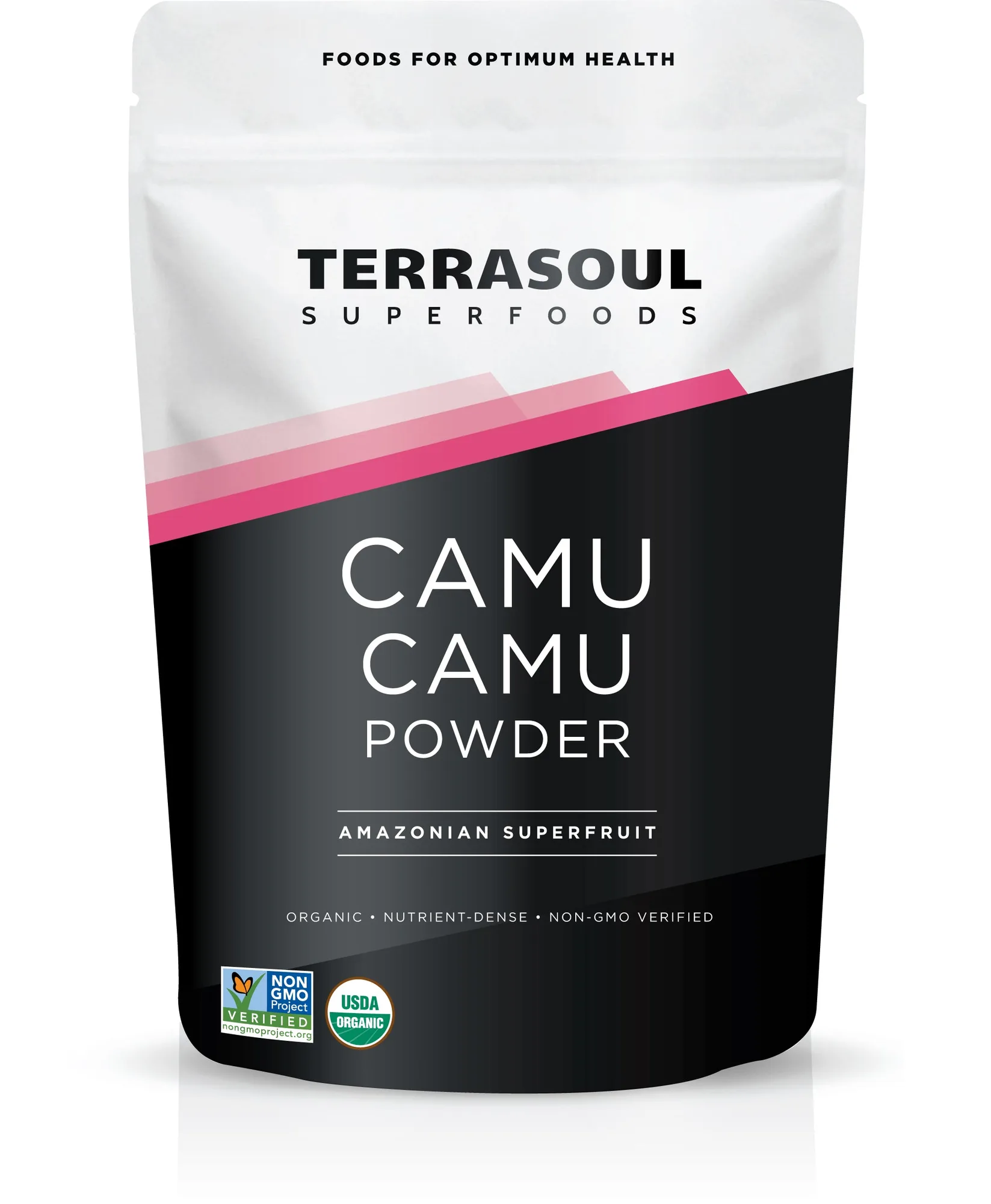
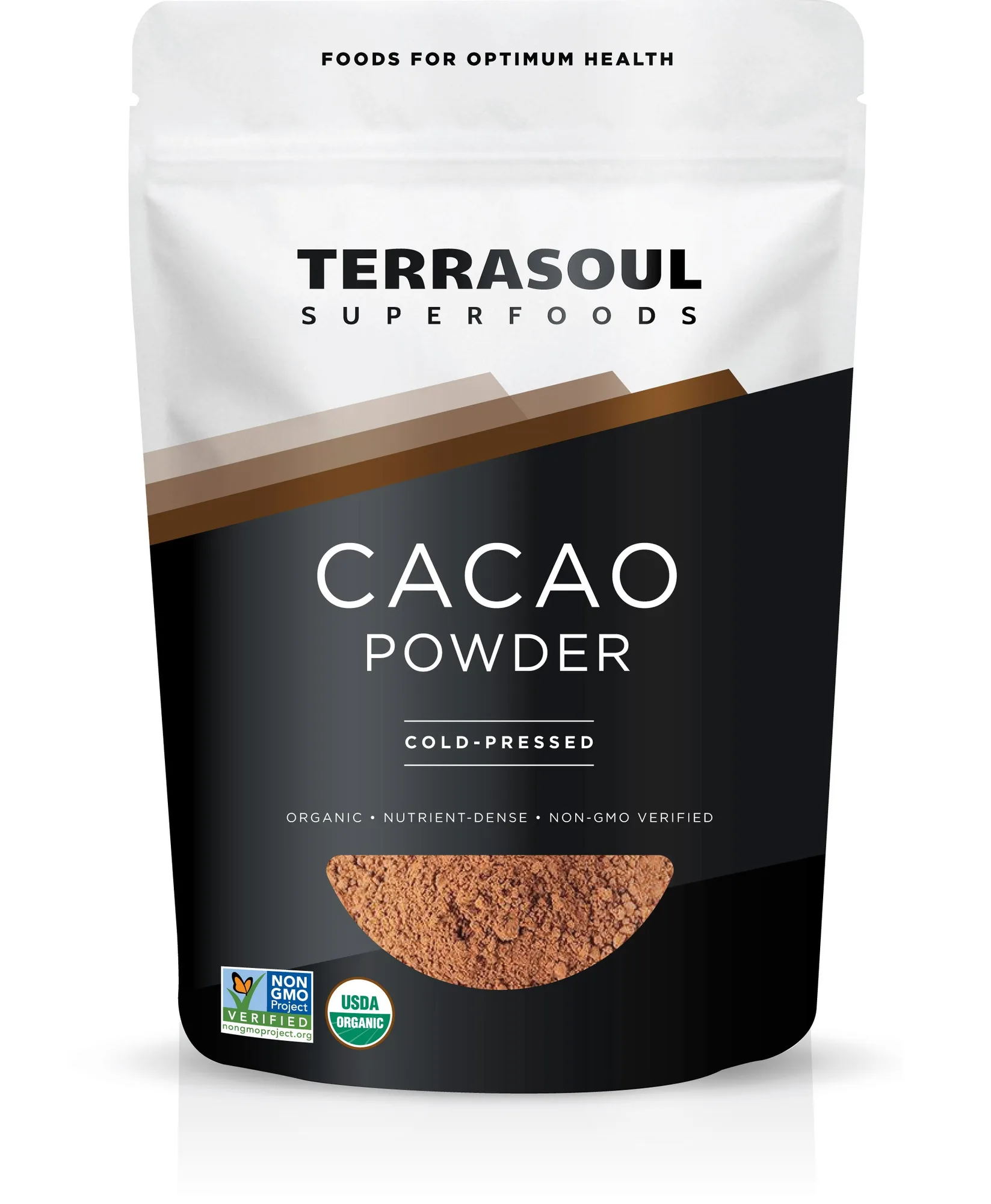
Buy one structural gluten free flour first, then add powders for flavor and nutrition. For most kitchens, organic coconut flour is the workhorse because it is a non-grain alternative that substitutes for grain flours in baking recipes. Add raw cacao powder for chocolate flavor, camu camu powder for vitamin C, and coconut milk powder for creamy drinks. Buy small sizes until you know how a powder behaves in your recipes.
Start with the job, not the label
A gluten free pantry works best when every bag has a defined role. Structural flours hold baked goods together, while flavor and nutrition powders are add-ins. Coconut flour is a structural option: it is finely ground from dehydrated and defatted mature coconut meat and is described as a non-grain alternative that can substitute for grain flours in baking recipes. Cacao powder, camu camu powder and coconut milk powder are better treated as flavor, nutrient or texture add-ins rather than as the only flour in a recipe.
This distinction prevents the most common buying mistake: filling a cart with superfood powders and expecting them to behave like a one-to-one wheat flour replacement. Read the product page for the role a powder is designed to play before you compare price per ounce.
Read certifications and sourcing before price
Certifications tell you what a supplier has verified, and sourcing tells you where the raw material comes from. Terrasoul Superfoods raw cacao powder is certified organic, kosher, Non-GMO Project verified, fermented and naturally gluten-free. The coconut flour comes from handpicked coconuts grown on sustainable organic farms in Sri Lanka. Camu camu powder is certified organic, 100% pure, raw and wild-harvested from the Amazon river basin. Coconut milk powder is made from hand-harvested mature coconuts on small plantations and gently dehydrated.
Use these details as tie-breakers. If two products look similar, choose the one whose certification and origin story match what you actually care about, whether that is organic farming, Non-GMO verification or wild-harvested fruit.
Match package size to how fast you use it
Powders lose aroma and potency over time, so buy the size you can finish. Cacao powder and coconut flour are used in larger amounts, so a bigger bag can make sense if you bake weekly. Camu camu powder is used in small spoonfuls, so a smaller size is usually the smarter first purchase. Coconut milk powder is a creamy non-dairy creamer for coffee and lattes, and it also works in smoothies and curries, so usage depends on your daily drink habit.
If you are new to a powder, start with the smallest available size and track how many recipes it covers. That gives you a real cost-per-use number instead of a guess.
Plan substitutions before you bake
Gluten free baking is less forgiving than wheat baking, so decide your substitution strategy in advance. Coconut flour absorbs more liquid than grain flours, so recipes usually need extra eggs, liquid or fat, and a binder. If a recipe was written for almond flour, do not assume coconut flour will swap one-for-one. Almond flour is not part of this catalog, so if a recipe depends on it, buy it separately or choose a recipe written for coconut flour.
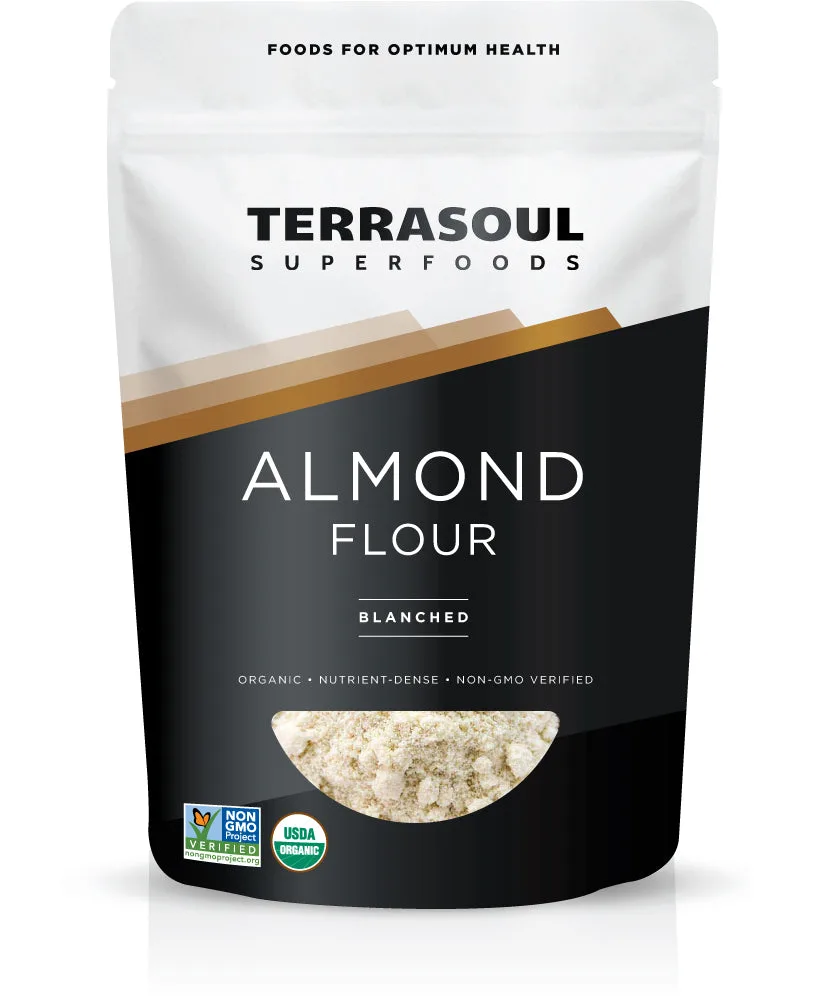
almond flour
For chocolate flavor, replace part of the cocoa in a recipe with raw cacao powder, which is made by cold pressing the bean, removing the cacao butter and using the leftover fruit. For a vitamin C boost, stir camu camu powder into a smoothie or yogurt after blending rather than cooking it, since it is valued for its raw vitamin C content.
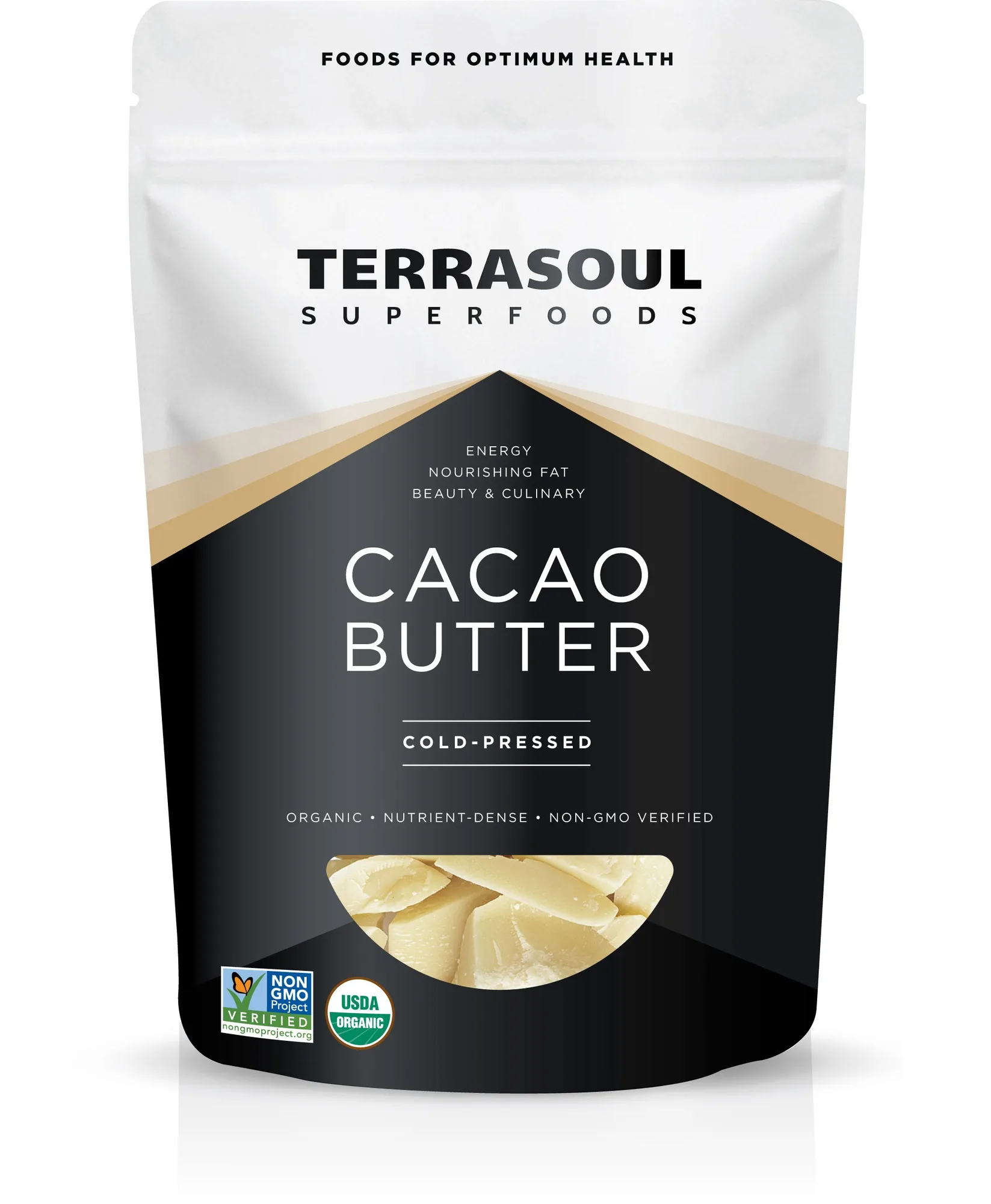
cacao butter
Decision rules for your gluten free pantry
- If you bake weekly: Buy a larger size of coconut flour and raw cacao powder, since both are used in measurable recipe amounts. Anchor your pantry with one structural flour and one flavor powder.
- If you mainly make drinks: Choose coconut milk powder for coffee and lattes, and add camu camu powder only if you want a vitamin C boost in smoothies. Skip bulk flour if you rarely bake.
- If you are new to a powder: Buy the smallest available size first, then compare cost per use after you finish the bag. Small sizes reduce the risk of stale powder.
Product facts that affect your decision
- Coconut Flour: Organic coconut flour comes from handpicked coconuts grown on sustainable organic farms in Sri Lanka and is finely ground from dehydrated and defatted mature coconut meat. A single-origin, non-grain flour gives you a traceable structural base for gluten free baking, but its high absorbency means you must adjust liquids.
- Cacao Powder: Raw cacao powder is certified organic, kosher, Non-GMO Project verified, fermented and naturally gluten-free, and is made after cold pressing the bean and removing the cacao butter. The fermentation and cold-press process supports a clean chocolate flavor, and the gluten-free status makes it safe for a gluten free pantry.
- Camu Camu Powder: Camu camu powder is certified organic, 100% pure, raw and wild-harvested from the Amazon river basin, and is guaranteed to be at least 8.6% vitamin C by weight. A guaranteed vitamin C level makes dosing more predictable, but the wild-harvested supply means you should buy only what you will use.
- Coconut Milk Powder: Coconut milk powder is made from hand-harvested mature coconuts on small coconut plantations and gently dehydrated, and it works as a non-dairy creamer for coffee and lattes. Gently dehydrated coconut milk gives you a shelf-stable creamy option for drinks without refrigeration, but it is not a flour substitute.
Who this buying approach fits
Best for
- Shoppers building a gluten free pantry who want one structural flour plus flavor and nutrition add-ins
- Home bakers who will adjust liquids and binders for coconut flour
- Coffee and smoothie drinkers who want a shelf-stable non-dairy creamer
Not for
- Bakers who need a one-to-one wheat flour replacement without recipe changes
- Shoppers looking for almond flour, which is not part of this catalog
- Anyone who wants a single powder to cover every baking and drink need