Quick answer
For most bag straps, choose a firm-to-medium temper leather in the 5–7 oz (2–2.8 mm) range; for thin, minimalist straps, 4–5 oz (1.6–2 mm) works if the bag is small and lightly loaded. For leather tabs for bags, use 3–5 oz (1.2–2 mm) so they fold and sit flat without bulk. Vegetable tanned leather is the most reliable choice when you want a strap that holds its shape and ages well.
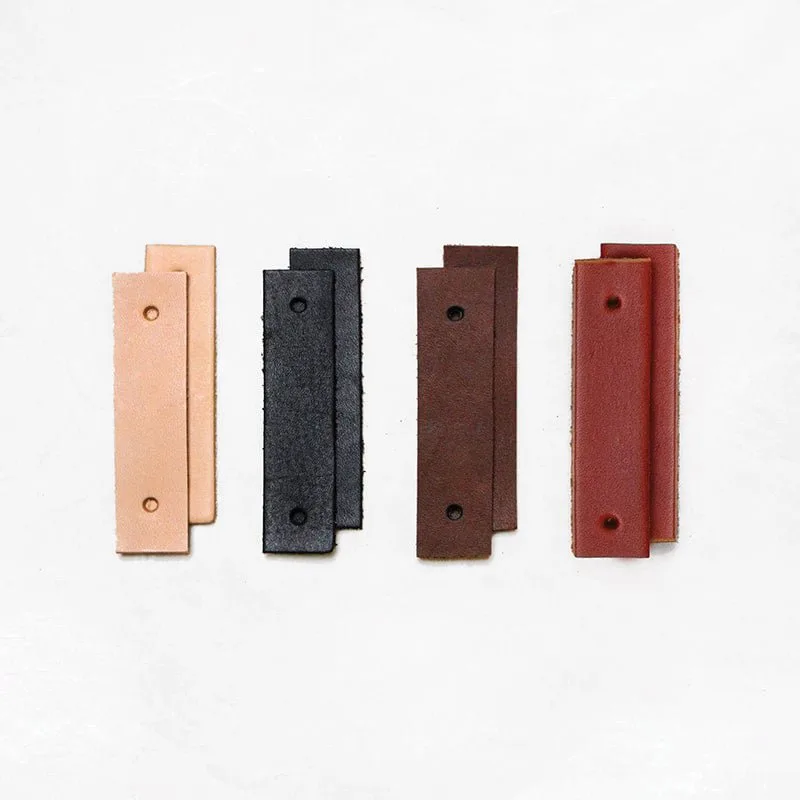
leather tabs
Start with weight and temper, not color
Leather weight (thickness) and temper (firmness) determine how a strap carries and how a tab behaves. A strap that is too thin will stretch and cup under load; a strap that is too thick can be stiff, hard to stitch, and uncomfortable on the shoulder. Tempe matters just as much: a firm strap resists curling, while a soft, drapey leather feels broken-in but may need a wider cut or a lining to avoid sagging.
Use this leather strap thickness guide as a starting point: 4–5 oz (1.6–2 mm) for small crossbody bags and decorative straps; 5–7 oz (2–2.8 mm) for everyday totes and shoulder bags; 7–9 oz (2.8–3.6 mm) only for heavy-duty straps or structured designs where bulk is acceptable. If you are unsure, 5–6 oz is the safest all-round choice for a first strap.
Vegetable tanned vs chrome tanned for straps and tabs
Vegetable tanned leather is firm, takes a crisp edge, and develops a patina, which makes it a strong default for straps that need to hold a shape and for tabs that should stay flat. It can be stiffer at first and may show water spots, so it rewards a little patience and a simple wax or conditioner. Chrome tanned leather is softer and more water-resistant, which suits slouchy bags and straps that need to drape immediately, but it can stretch more under load and may not hold a sharp edge as cleanly.
For vegetable tanned leather bags, choose a firm temper for the strap and a slightly thinner piece for tabs. If you want a soft, folded tab, chrome tanned or a softer vegetable tanned side is easier to work. There is no single best leather for every bag; match the temper to the bag’s structure.
How to test leather before you cut a strap
Before committing to a full strap, cut a 1-inch-wide test strip and hang a weight from it for a day. If it stretches noticeably or curls at the edges, it is too soft or too thin for that bag. Bend the strip around a curve similar to your bag’s shoulder; if it cracks or feels brittle, it is too dry or too firm for a folded tab.
Also check the back side: a loose, hairy flesh side can shed and feel rough against clothing. You can line the strap or seal the flesh side with edge paint or a light conditioner. For tabs, pre-punch holes and test a rivet or snap; if the leather compresses too much, the hardware may loosen over time.
Tabs: small pieces with big rules
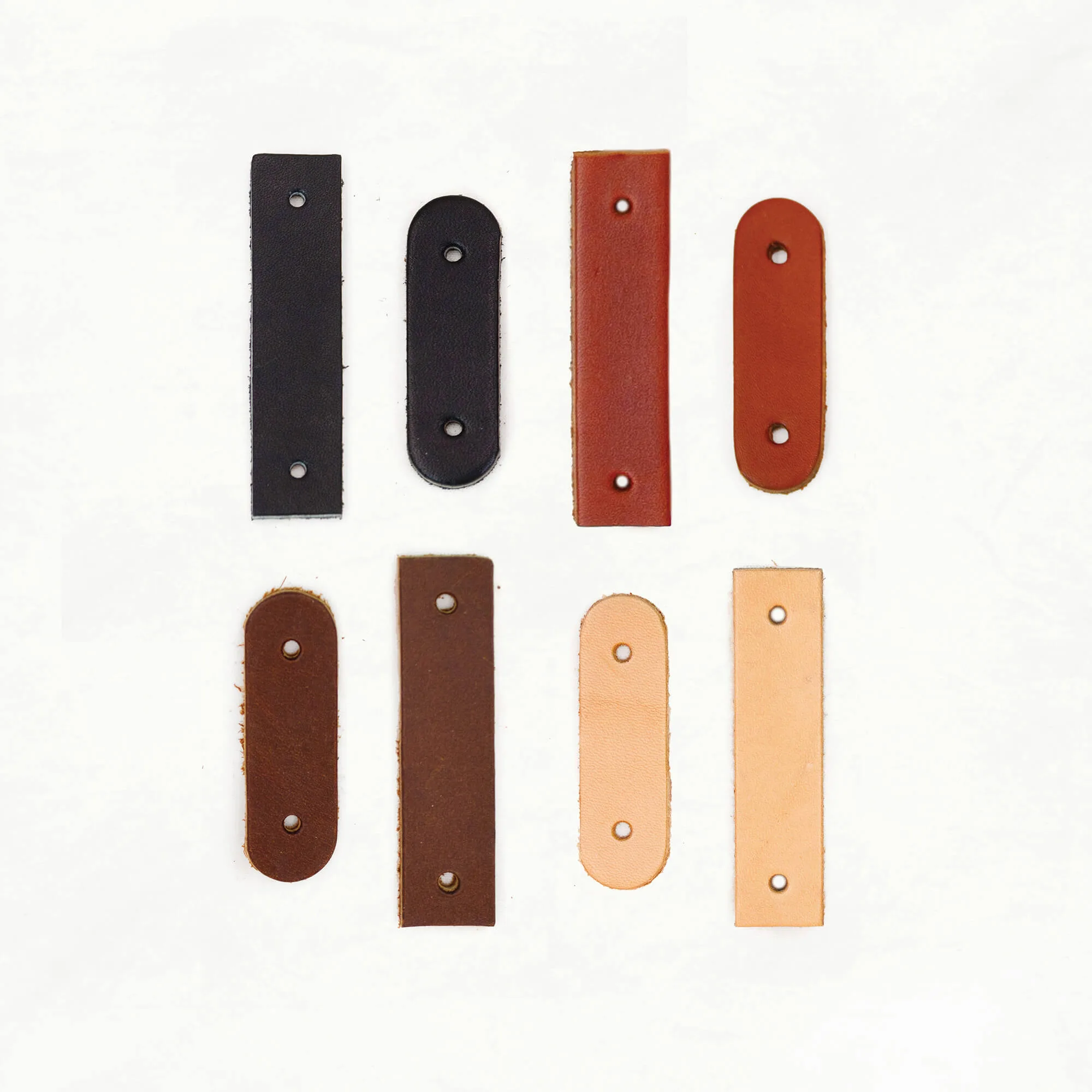
Leather tabs for bags are usually folded, riveted, or sewn at stress points. Use 3–5 oz (1.2–2 mm) leather so the tab folds without bulk and sits flat against the bag. For a tab that holds a D-ring or swivel snap, a firm temper keeps the hardware from pulling through; for a decorative tab, a softer leather is fine.
If you are using pre-cut tabs, check the length and hole spacing against your hardware before assembly. A tab that is too long can flop; too short can bind. When in doubt, cut your own from the same hide as the strap for a consistent look and predictable stretch.
Decision rules for straps and tabs
- Everyday tote or shoulder bag strap: Choose 5–7 oz (2–2.8 mm) firm-to-medium temper vegetable tanned or a firm chrome tanned leather. Cut 1–1.25 inches wide for comfort. If the strap curls or stretches, go up one weight or add a lining.
- Small crossbody or decorative strap: Choose 4–5 oz (1.6–2 mm) with a medium temper. Keep the bag light and avoid heavy hardware. If the bag will carry more than a phone and keys, move up to 5–6 oz.
- Folded or riveted tab: Choose 3–5 oz (1.2–2 mm) with enough firmness to hold a D-ring or snap without stretching. Pre-punch holes and test hardware before final assembly. If the tab feels flimsy, use a firm temper or add a second layer.
Products that support these choices
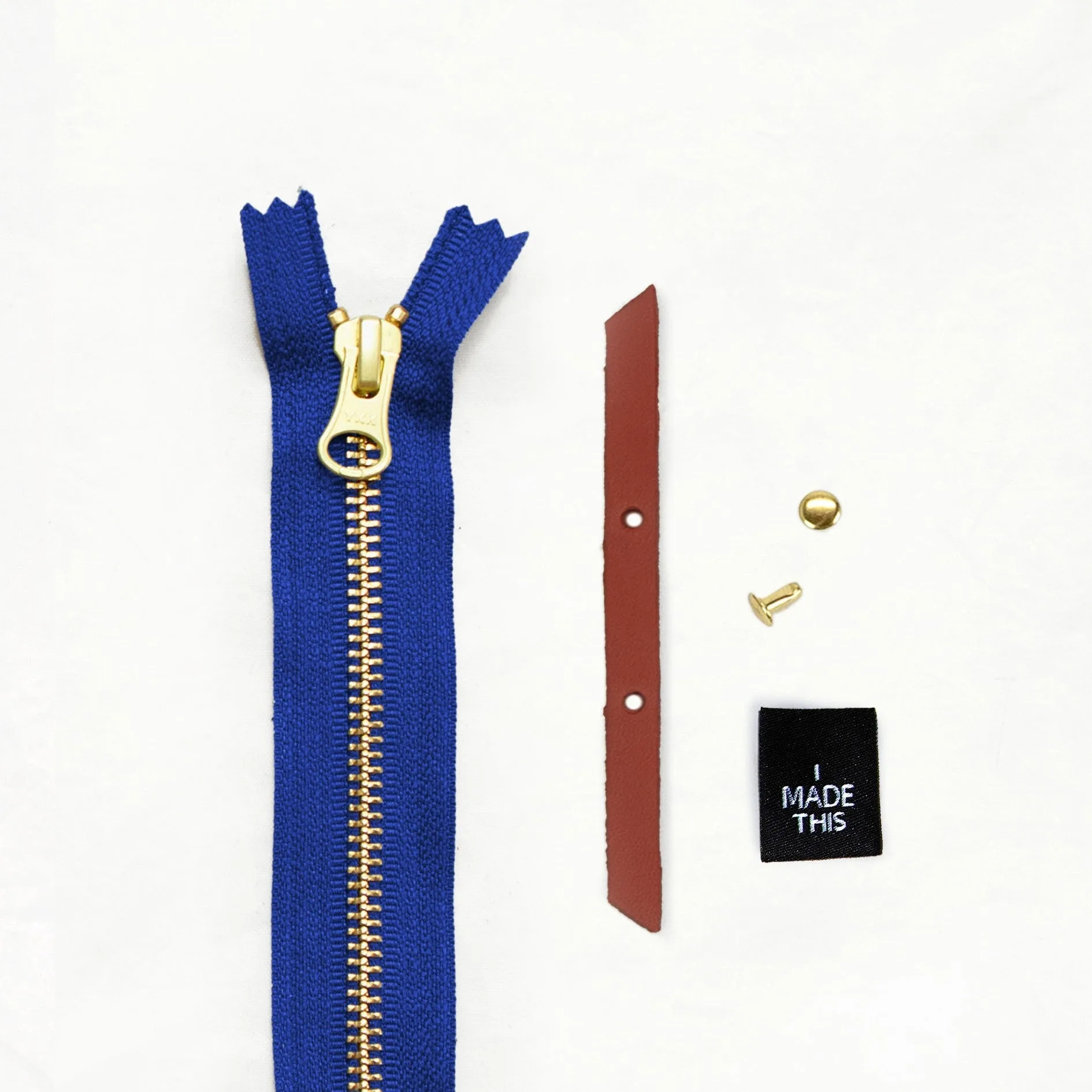
- Alberta - Chestnut Leather + Hardware Kit: The Alberta - Chestnut Leather + Hardware Kit includes all of the leather and hardware needed to make the Alberta Crossbody Tote, with an adjustable leather strap and a brass zipper with leather pull. This kit gives you a matched leather and hardware set, so you can focus on strap thickness and tab placement without sourcing separate components.
- Leather Tabs (Seconds): Leather Tabs (Seconds) is a 10-pack of B-Grade, pre-cut, hole-punched leather tabs packed by length, with a variety of weights, end shapes, and colors; imperfections may include marks, spots, dents, mis-aligned cuts, and extra hairy fibers. A low-cost way to test tab sizes and hardware fit before cutting into a full hide, but expect cosmetic flaws and final sale.
Who should choose which leather
Best for
- Makers who want a strap that holds its shape and develops a patina: vegetable tanned leather in 5–7 oz.
- Beginners who want a forgiving, matched project: a kit with pre-selected leather and hardware.
- Testing tab sizes and hardware fit on a budget: pre-cut leather tabs, accepting cosmetic flaws.
Not for
- Anyone who needs a soft, immediately drapey strap for a slouchy bag: choose chrome tanned or a softer temper.
- Heavy-duty load carrying beyond everyday use: go thicker than 7 oz or use a reinforced design.
- Projects where flawless appearance is required: avoid seconds-grade tabs.