Quick answer
Choose a psyllium fiber supplement by matching form to your routine: powder if you want to stir it into water or juice and adjust texture, capsules if you travel or dislike gritty drinks. Then check whether the label adds prebiotics, probiotics, or herbs such as Triphala, and whether the psyllium is grown organically. For most people, a single-ingredient organic psyllium husk is the simplest starting point; a 5-in-1 powder is better if you want convenience and additional gut-support ingredients in one daily scoop.
Powder vs capsules: match the form to your day
Powder gives you the most control. You can mix it into water, juice, or a smoothie and adjust the amount gradually, which matters when you are introducing fiber for the first time. It is also the form used in most psyllium husk powder vs capsules comparisons because powder typically delivers more fiber per serving by volume. The trade-off is texture: psyllium thickens quickly, so you need to stir and drink it before it gels. Capsules solve that problem. They are portable, tasteless, and easy to take with a glass of water at a restaurant or office desk. The trade-off is that you may need several capsules to equal one scoop of powder, and some people find swallowing them tedious. If you already drink a morning glass of water, powder fits naturally. If your routine happens at different times or places, capsules reduce friction.
Read the fiber source and organic status
Psyllium husk is the outer coating of the Plantago ovata seed. How it is grown affects what ends up in your scoop. Organic psyllium fiber benefits start with the farming method: organic certification limits synthetic pesticides and fertilizers, and regenerative organic practices go further by focusing on soil health. Organic India grows psyllium using regenerative practices, which is a meaningful distinction if you care about how your fiber is produced. If a label does not state organic certification or the source of the husk, treat that as a gap. You can still buy it, but you cannot verify the growing standard. For a daily habit, sourcing transparency is worth paying attention to.
Decide whether you want prebiotics, probiotics, or both
Plain psyllium is a soluble fiber and a natural prebiotic, meaning it feeds beneficial bacteria in your gut. Some products go further and add probiotics, the live bacteria themselves. A combination product can be convenient because you get fiber and CFU in one daily dose, but it is not automatically better for everyone. If you already take a probiotic you like, a plain psyllium product lets you keep the two separate and adjust each independently. If you want fewer bottles on the counter, a combined powder is simpler. Look for the CFU count per daily dose, not per scoop or per capsule, so you can compare products fairly. Also check whether the product adds herbs such as Triphala, an Ayurvedic tri-herb formula. That can be a plus for people who want a traditional blend, but it adds ingredients you should review if you prefer a single-herb approach.
Plan your starting dose and timing
Psyllium supplement dosage is individual. A common approach is to start with one serving daily, then increase gradually over a week or two as your digestion adjusts. Taking psyllium with too little water can cause discomfort, so always use a full glass and drink more water during the day. Timing matters less than consistency. Some people take psyllium first thing in the morning, others before bed. If you take medications, separate them from psyllium by at least two hours, because fiber can affect absorption. If you are pregnant, nursing, or managing a digestive condition, talk with your clinician before adding a fiber supplement. Start low, go slow, and let your body set the pace.
Check the label details that affect daily use
Serving size, added flavor, and sweetener type determine whether you will actually stick with a product. An unflavored powder is versatile but needs mixing. A flavored option such as orange can make a daily glass more appealing, especially for people who dislike the earthy taste of plain psyllium. Look at the canister or bag size too. A larger container lowers cost per serving but can go stale if you use it slowly; a smaller size is better for testing whether you like the product. Finally, check whether the label lists the amount of psyllium per serving and the CFU count if probiotics are included. If a key number is missing, that is a reason to keep looking.
Decision rules for choosing your psyllium
- If you want the simplest daily fiber: Choose a plain organic psyllium husk powder or capsules with no added probiotics or herbs. You can adjust the dose independently and combine it with any other supplement. Start with one serving daily and increase slowly.
- If you want fiber plus probiotic support in one step: Choose a combined prebiotic and probiotic psyllium powder and check the CFU count per daily dose. This reduces the number of products in your routine. Confirm the CFU is listed per day, not per scoop.
- If you dislike gritty drinks or travel often: Choose psyllium capsules so you can take them with water anywhere. Expect to take more than one capsule per serving compared with a powder scoop. Keep a water bottle with you and drink extra fluids.
- If flavor is the barrier: Choose a flavored powder such as orange rather than forcing yourself through an unflavored one. A product you enjoy is more likely to become a habit. Check the sweetener and serving size before buying a large container.
Product facts to compare
- Psyllium Prebiotic & Probiotic Fiber Supplement Original: Organic India Psyllium Prebiotic & Probiotic Fiber Supplement Original is a 5-in-1 purifying powder with organic psyllium grown by regenerative practices, 2 billion CFU of probiotics per daily dose, and a classic Ayurvedic tri-herb formula known as Triphala. This is a good fit if you want fiber, prebiotics, probiotics, and a traditional herbal blend in one daily scoop, especially if you prefer an unflavored powder you can mix into water or a smoothie.
- Psyllium Prebiotic & Probiotic Fiber Orange: Organic India Psyllium Prebiotic & Probiotic Fiber Orange is the same 5-in-1 powder format with organic psyllium, 2 billion CFU of probiotics per daily dose, and Triphala, in an orange flavor. Choose the orange version if you want the same combination but find plain psyllium hard to drink; flavor can make a daily fiber habit easier to keep.
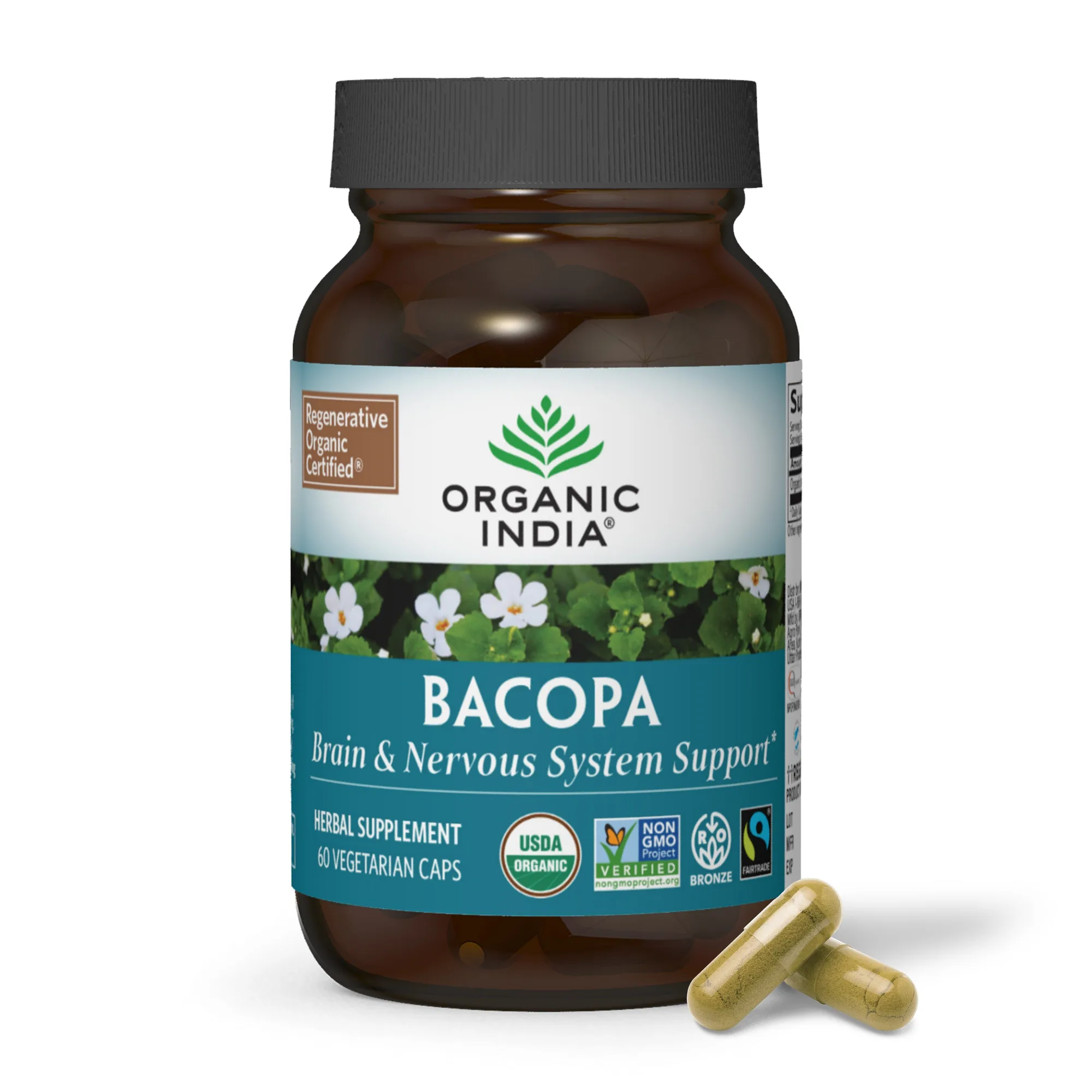
- Bacopa Capsules: Organic India Bacopa Capsules are an organic Ayurvedic brain support supplement with bacosides for mental clarity and calm. If your wellness routine already includes psyllium for gut health, Bacopa is a separate option for focus support rather than a fiber product, so it does not replace your psyllium choice.
Who this is for
Best for
- People who want a daily fiber habit and are deciding between powder and capsules
- Shoppers who want organic psyllium and a prebiotic plus probiotic option in one product
- Anyone comparing plain psyllium with a 5-in-1 powder that includes Triphala
Not for
- People looking for a stimulant laxative or a treatment for a diagnosed digestive condition
- Anyone who wants a fiber gummy or a chewable rather than a powder or capsule
- Shoppers who need a flavor-free capsule and do not want any added herbs