What Makes a Good Planted Tank Substrate?
The substrate in a planted aquarium does more than hold plants in place. A nutrient-rich base can supply roots with iron, trace elements, and other essentials for months or years, reducing the need for liquid fertilizers. But not every substrate works the same way. Some are designed to be a long-term nutrient reservoir, others focus on buffering water chemistry, and a few are neutral and purely structural.
Your choice depends on the plants you keep, the water parameters you want, and how much maintenance you are willing to do. Below, we look at four popular options and what each one actually delivers.
Four Substrates at a Glance
-
JBL ProFlora Aquabasis Plus: JBL ProFlora Aquabasis Plus delivers essential plant nutrients—including iron—directly to the roots over a 5-year period. Special clay components absorb excess nutrients from the water and release them back to plant roots only as needed. This makes it a low-maintenance option for heavily planted tanks, as it actively prevents nutrient spikes that cause algae.
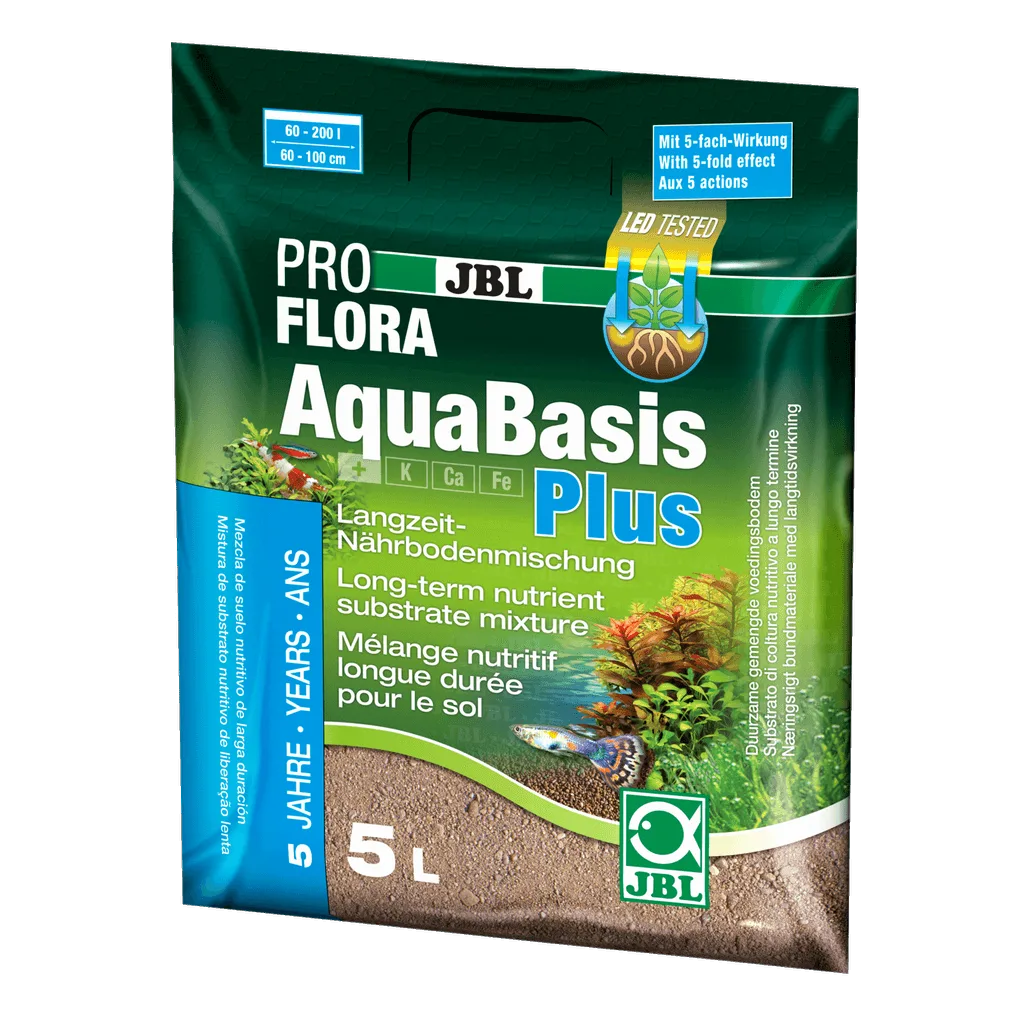
JBL ProFlora Aquabasis Plus
-
Seachem Gray Coast 3.5kg: Seachem Gray Coast is an all-natural calcite substrate that stabilizes calcium and alkalinity while preventing large pH declines. It is not suitable for soft water setups. If you keep fish or invertebrates that need harder water, this substrate helps maintain stable pH. But it is a poor choice for soft-water species or low-pH planted tanks.
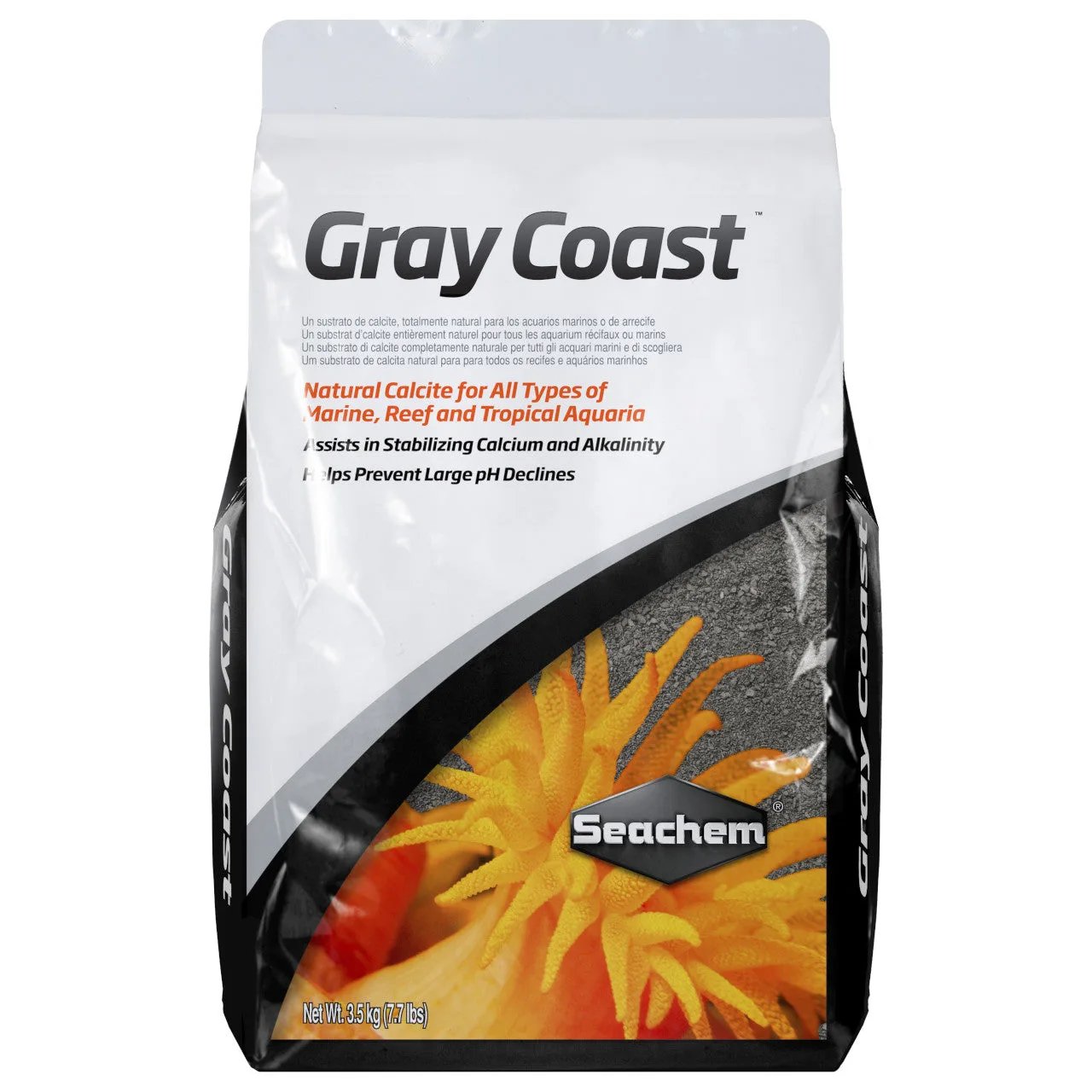
Seachem Gray Coast 3.5kg
-
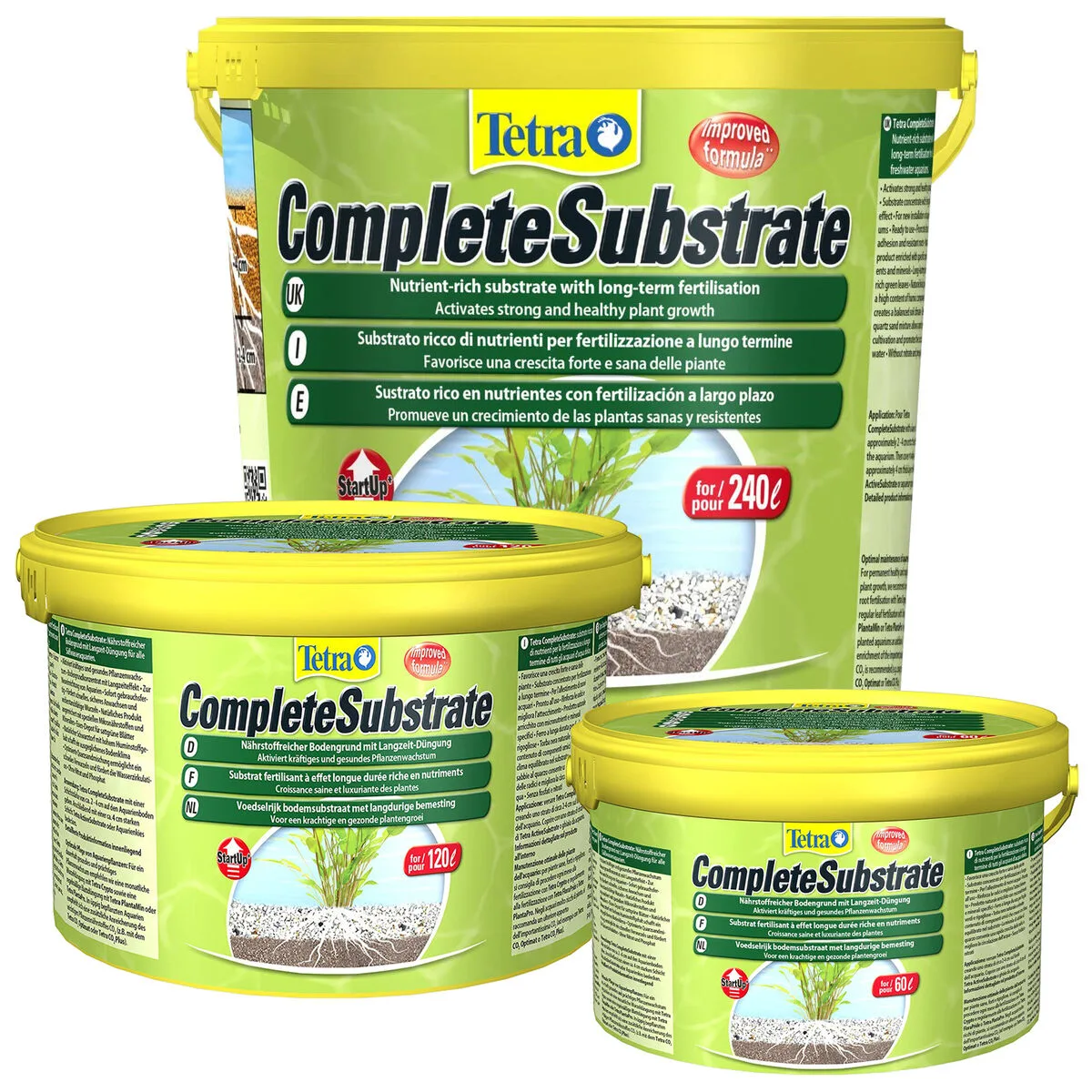
Tetra Complete Substrate: Tetra Complete Substrate acts as a long-lasting nutrient reservoir, providing plants with everything they need for robust growth without the need for additional fertilizers. A convenient all-in-one base for beginners who want to avoid measuring and dosing liquid fertilizers. Available in 2.5 kg, 5 kg, and 10 kg sizes.
-
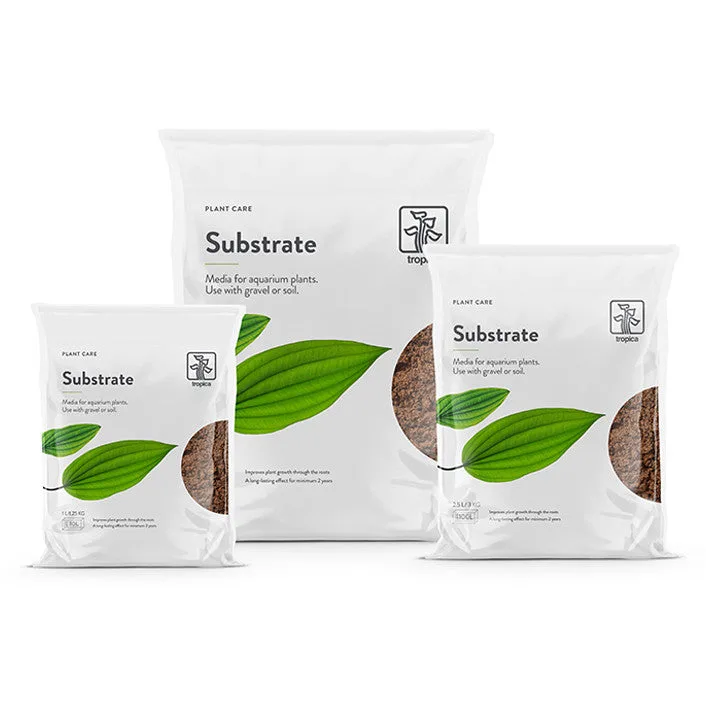
Tropica Substrate: Tropica Substrate is a plant nutrient growth media concentrate that is neutral and does not affect the KH or pH value of the water. It absorbs nutrients and makes them available for plant roots. Ideal for planted tanks where you want to maintain precise water chemistry. It adds nutrients without shifting pH or hardness.
Nutrient Delivery: Long-Term vs. Concentrate
If you want a substrate that keeps feeding plants for years with minimal effort, JBL ProFlora Aquabasis Plus and Tetra Complete Substrate both act as long-term nutrient reservoirs. JBL ProFlora Aquabasis Plus specifically claims a 5-year lifespan and uses clay components to release nutrients only when plant roots need them, which helps prevent algae. Tetra Complete Substrate is described as providing everything for robust growth without additional fertilizers, making it a simpler choice for beginners.
Tropica Substrate, on the other hand, is a concentrate meant to be laid in a 1 cm layer under gravel. It does not last as long by itself but gives you more control over the nutrient layer depth and composition. It also does not alter pH or KH, so you can combine it with any topping gravel or sand without worrying about water chemistry shifts.
pH and Water Chemistry Considerations
Not all substrates are pH-neutral. Seachem Gray Coast is made of calcite and actively stabilizes calcium and alkalinity, preventing large pH declines. The manufacturer explicitly states it is not suitable for soft water setups. If you keep fish like tetras or angelfish that prefer soft, acidic water, this substrate will work against you.
Tropica Substrate is explicitly neutral and does not affect KH or pH, making it the safest choice if you want to maintain specific water parameters. JBL ProFlora Aquabasis Plus and Tetra Complete Substrate do not claim to alter pH, but their nutrient compositions may have minor effects depending on your water source. If you are unsure, start with a neutral base like Tropica and add root tabs later.
Setup and Maintenance Differences
JBL ProFlora Aquabasis Plus is ready to use: simply spread a layer on the bottom of your empty aquarium and cover it with washed gravel or sand. No rinsing required. Tetra Complete Substrate is also designed to be used as a base layer, though the supplied information does not specify rinsing instructions. Seachem Gray Coast is pre-washed but may become dusty in transit, so rinsing before use is recommended. When filling the tank, add water slowly to avoid disturbing the bed.
Tropica Substrate is laid in a 1 cm thick layer at the bottom when building the aquarium. Because it is a concentrate, you need to cover it with a thicker layer of gravel or sand. This adds an extra step but gives you flexibility in choosing the top layer's color and grain size.
Which Substrate Should You Choose?
The right choice depends on your tank goals and water type.
- For a low-maintenance, long-term planted tank: JBL ProFlora Aquabasis Plus offers 5-year nutrient delivery with built-in algae prevention. Tetra Complete Substrate is a solid alternative if you want a simpler all-in-one base.
- For hard water or African cichlid tanks: Seachem Gray Coast helps stabilize pH and alkalinity, but avoid it if you keep soft-water species.
- For precise water chemistry control: Tropica Substrate is neutral and won't shift pH or KH, making it ideal for planted tanks with sensitive fish or shrimp.
- For beginners on a budget: Tetra Complete Substrate is affordable and requires no additional fertilizers. Start with the 2.5 kg size for small tanks.