Quick answer
Choose a collar that sits high on the neck, leaves two fingers of slack, and uses a material that matches your dog's coat and lifestyle. For active dogs, a wide, adjustable collar with a metal buckle or a locking snap is the safest everyday choice; for casual walks, a lighter snap collar is easier to put on and take off.
Measure Before You Buy: A Simple Size Check
Use a soft tape measure around the middle of your dog's neck, then add two inches for small dogs and three inches for large dogs. The collar should sit high behind the ears, not low on the shoulders, so it does not slide over the head during a shake or a sudden pull. If you are between sizes, size up and use the adjustable range to tighten the fit.
- Small dogs (under 20 lb): neck 8-12 in, add 2 in
- Medium dogs (20-60 lb): neck 12-18 in, add 2-3 in
- Large dogs (over 60 lb): neck 18-26 in, add 3 in
Material Matters: Nylon, Leather, and Natural Rubber
The best dog collar material depends on your dog's coat, your climate, and how often the collar gets wet. Nylon webbing is lightweight, dries fast, and holds up to mud and rain, but it can cause matting on long-haired dogs. Leather is durable and softens with age, yet it needs drying and conditioning after water exposure. For dogs that swim or run in wet grass, a quick-drying synthetic or a coated webbing reduces odor and chafing. If your dog has sensitive skin, look for rolled edges or padded linings to prevent rubbing.
Buckle vs Snap Collar: Which Closure to Pick
A buckle vs snap collar decision comes down to security versus speed. Traditional metal buckles are the most secure and are hard for a dog to pop open, but they take longer to fasten and can be heavier. Snap or side-release buckles are fast and convenient for daily walks, yet some plastic models can fail under a hard pull. For strong pullers or dogs that back out of gear, choose a metal buckle or a snap with a locking mechanism. For calm dogs and quick potty breaks, a standard snap is fine.
Adjustable Dog Collar: Why Range Beats Exact Size
An adjustable dog collar gives you room to tighten or loosen as your dog's coat changes with the seasons or as they gain or lose weight. Look for at least two inches of adjustment range and a keeper or slider that stays put after you set it. A collar that only fits one exact measurement is harder to keep snug and is more likely to loosen during play.
Dog Collar for Active Dogs: What Changes
For running, hiking, or canicross, a collar should stay high on the neck and not bounce or rotate. Wide, padded collars distribute pressure better than thin ones, and a handle or grip loop can help you steady your dog at road crossings. If your dog pulls hard, pair the collar with a harness so the neck is not taking the load. In canicross, the harness does the pulling work, and the collar is mostly for identification and control when you are not attached.
Everyday Dog Collar: Comfort and ID
An everyday dog collar should be light enough to wear all day, hold ID tags securely, and not catch on crate bars or furniture. A small D-ring or tag loop keeps tags from dangling and snagging. If your dog wears a collar 24/7, check it weekly for fraying, stretched holes, or a stiff buckle, and replace it before it fails.
Decision Rules for Buying a Dog Collar
- If your dog pulls hard or backs out of gear: Choose a metal buckle or a locking snap and a wide, padded collar. Pair it with a harness for walks and runs. Security first; convenience second.
- If your dog swims or runs in wet conditions: Pick quick-drying nylon or coated webbing over leather, and rinse the collar after muddy sessions. Dry fast, smell less, avoid chafing.
- If you want one collar for everything: Choose an adjustable collar with at least two inches of range, a secure buckle, and a tag loop that lies flat. Adjustability covers coat and weight changes.
Gear that pairs well with a well-fitted collar
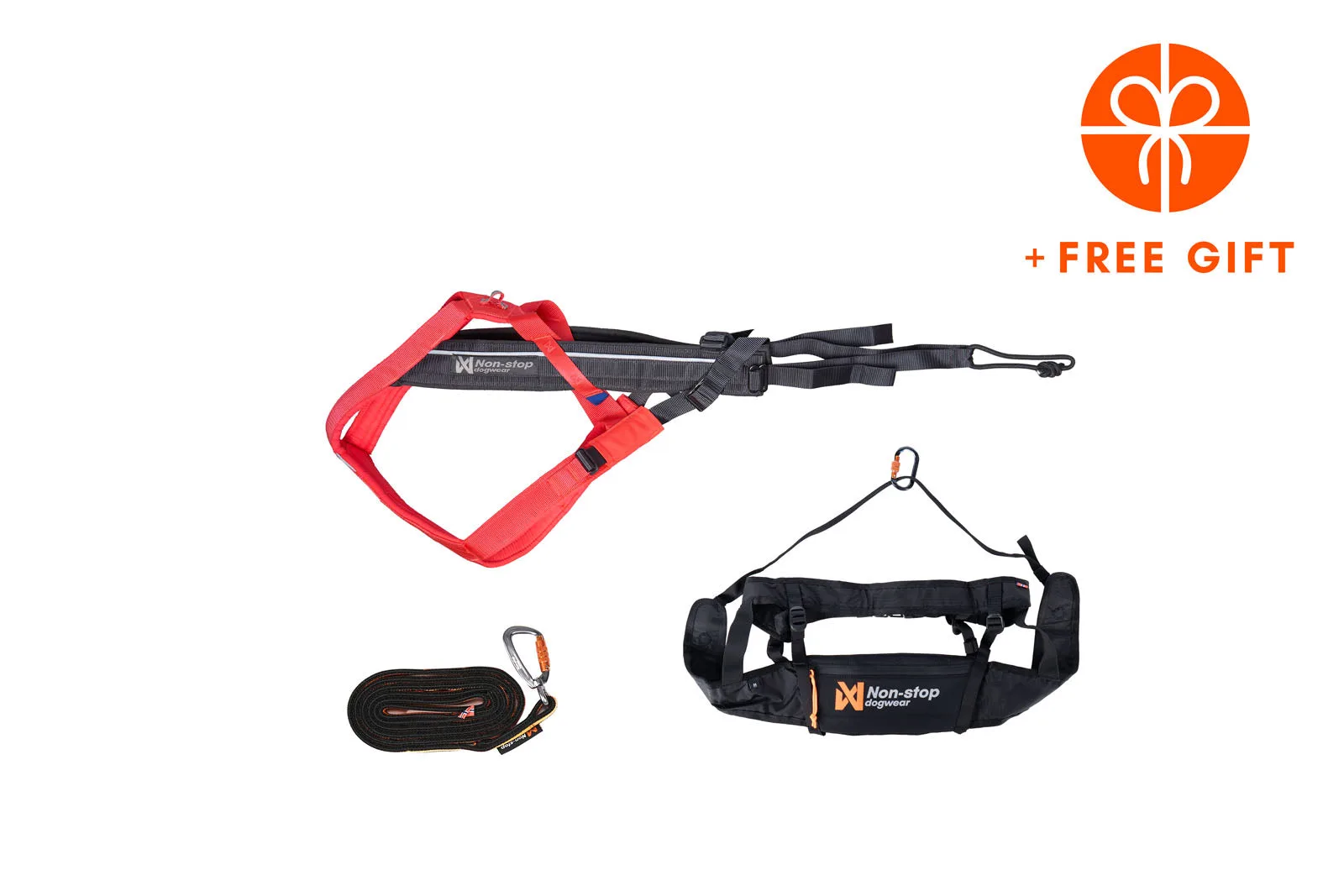
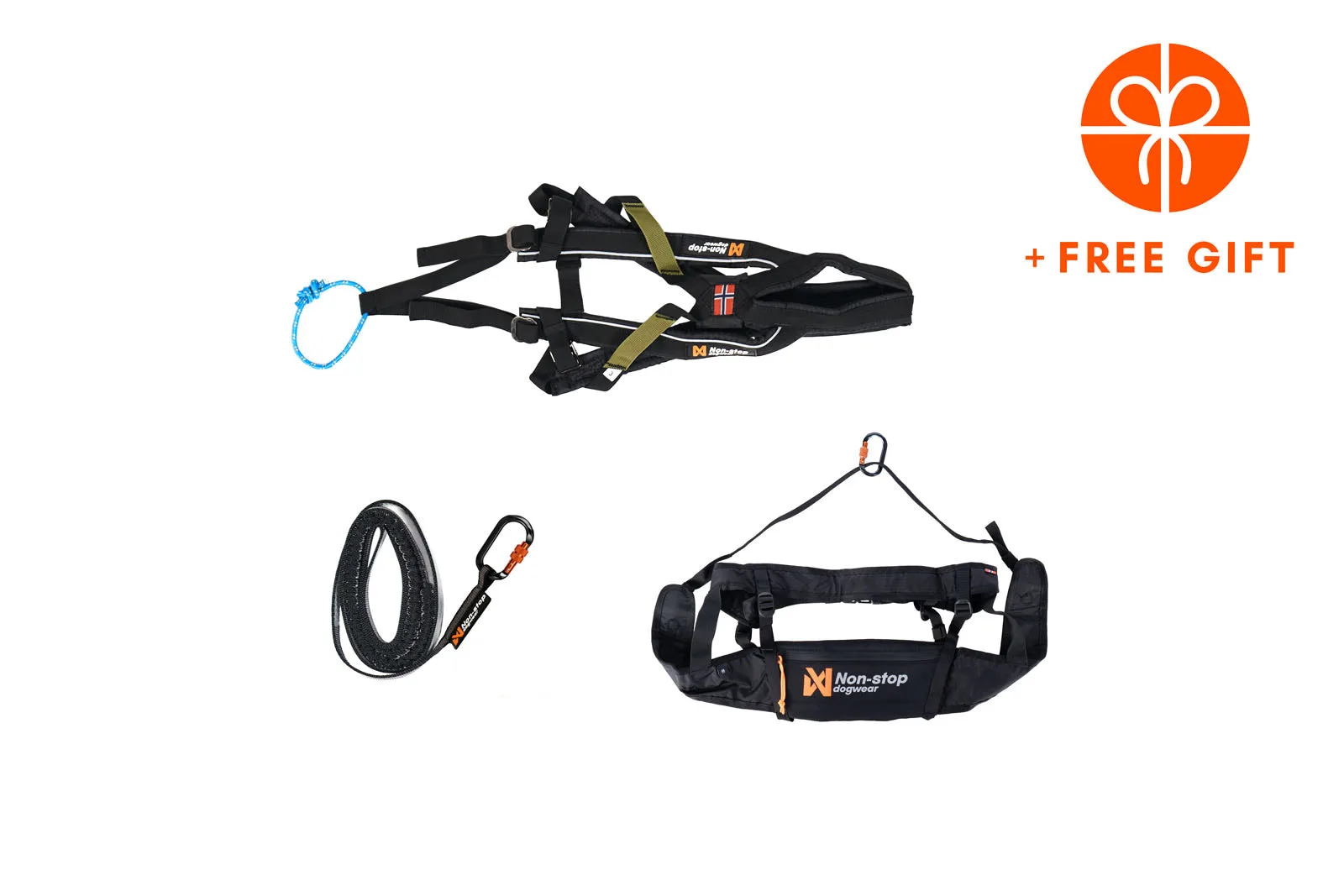
- Line harness grip: Line harness grip is a versatile harness for everyday and hiking featuring a handle that provides extra control, with an ergonomical design that provides freedom of movement for the dog's shoulders. If your dog pulls or you run together, a harness takes pressure off the neck and the handle gives you a safe way to hold your dog close.
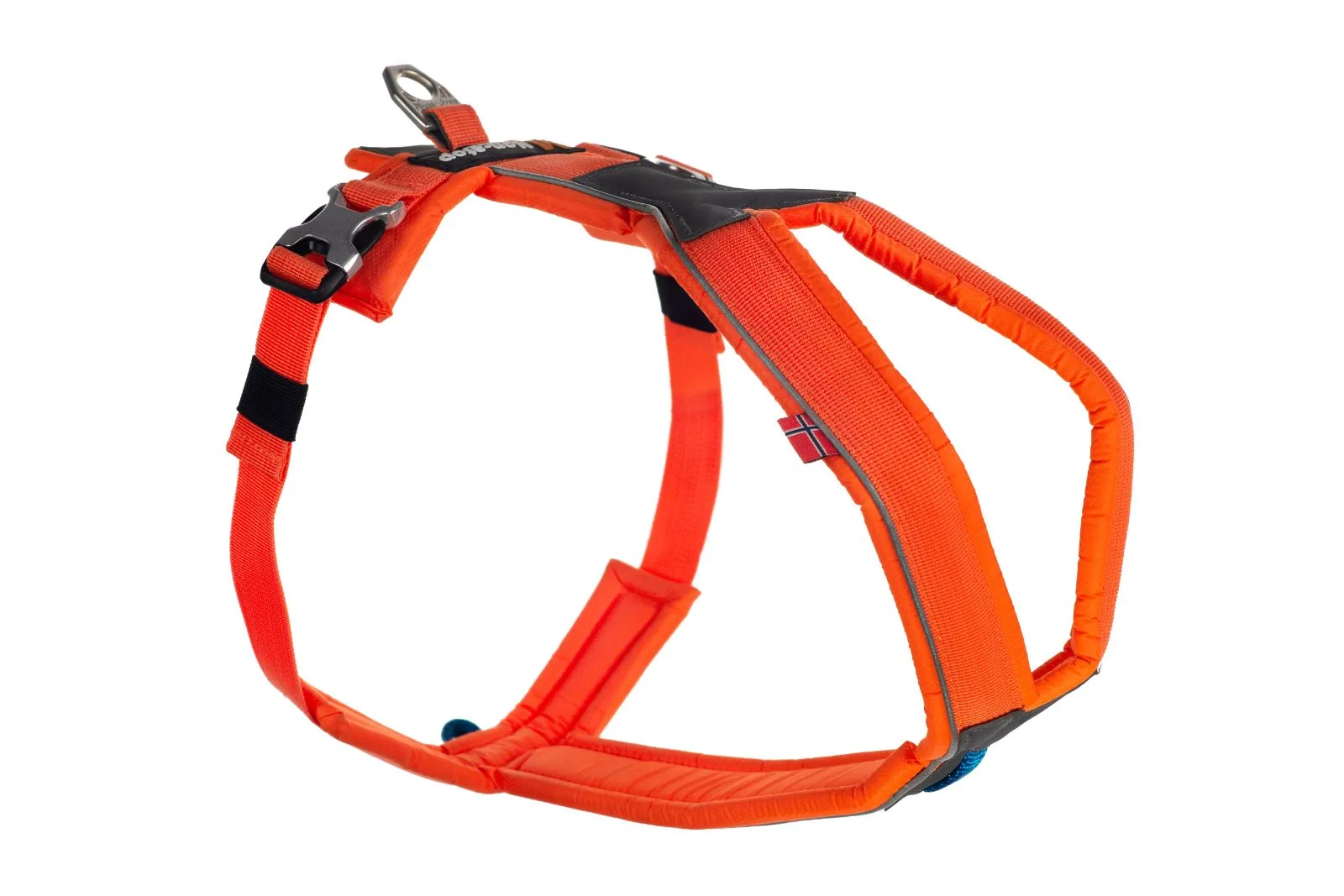
Line harness
- Dog ball: A durable dog ball made from natural materials, perfect for fetch, chase, and search play, made from natural rubber and bamboo. A collar stays cleaner and lasts longer when you redirect high-energy play into fetch instead of tugging on the collar.
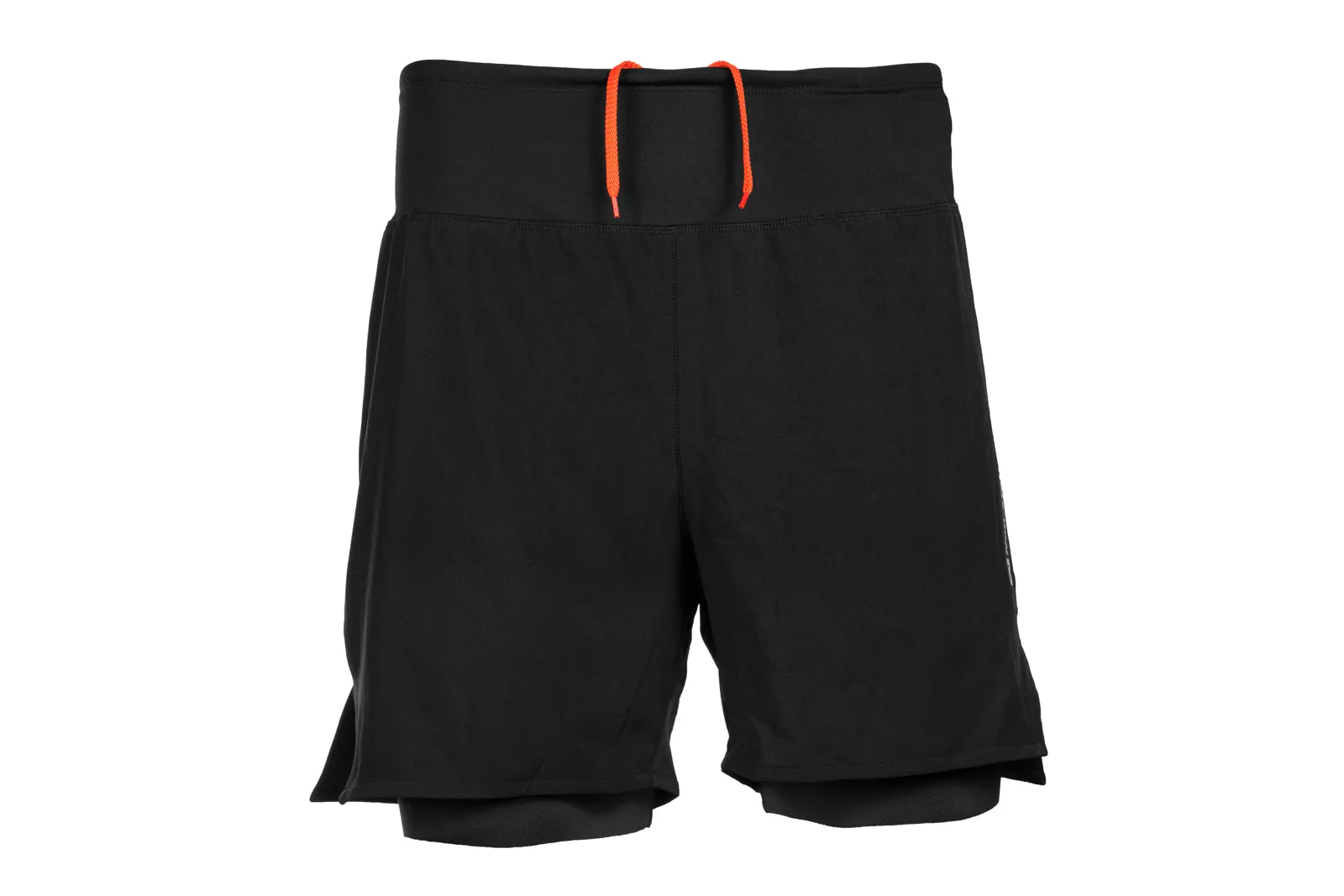
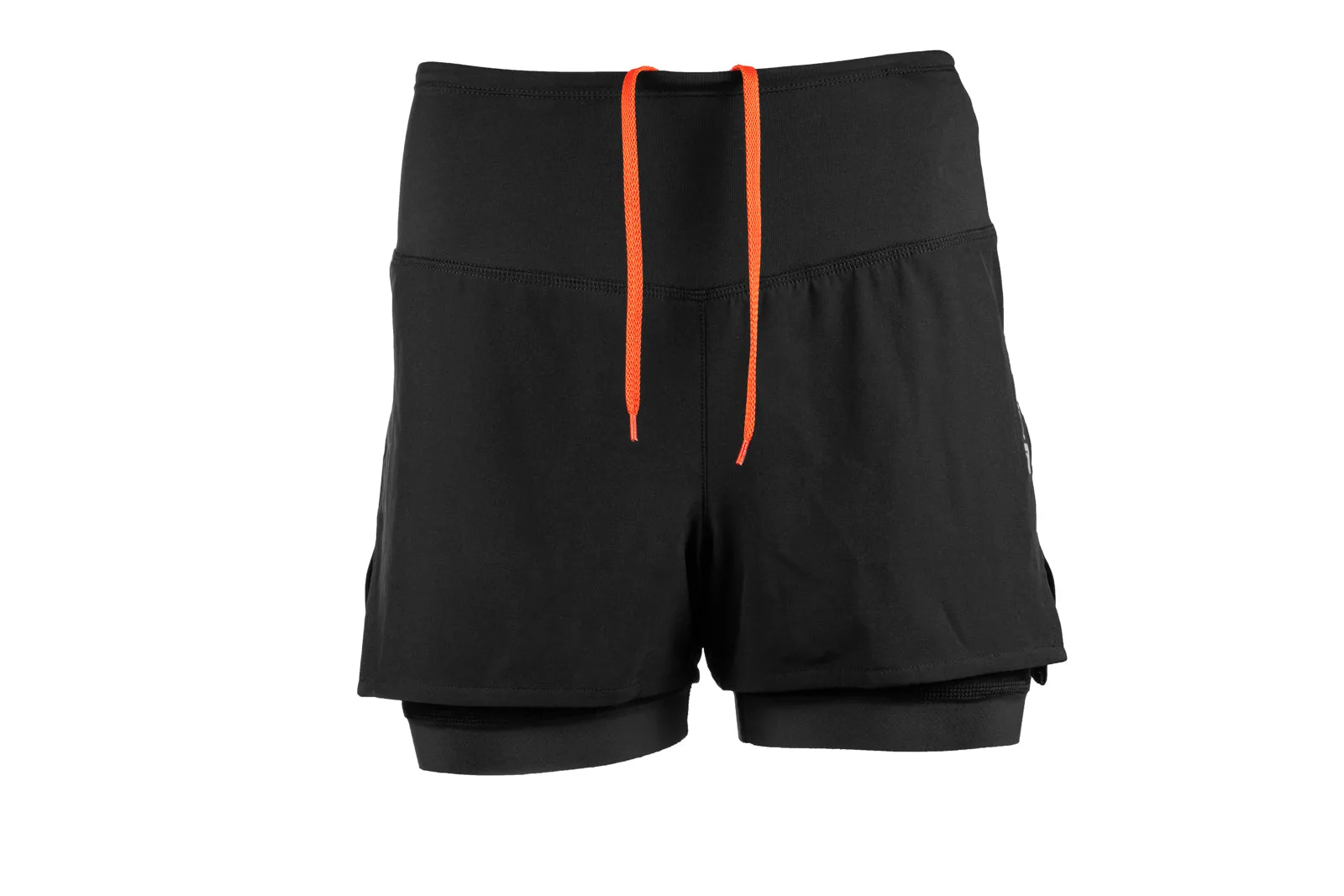
- CaniX short tights men's: Light and functional shorts developed for canicross and an active lifestyle with dogs, comfortable also when wearing a belt because of the wide waistband and zipperless pocket. For canicross or active walks, clothing that does not interfere with a belt or leash system keeps your hands free and your dog's collar from being grabbed.
Who this collar advice is for
Best for
- Owners of active dogs who run, hike, or do canicross
- Dogs that wear a collar all day and need a comfortable, secure fit
- Anyone unsure whether to choose a buckle or snap closure
Not for
- Dogs that need a harness-only setup for pulling sports
- Owners looking for a training collar or prong collar
- Puppies still growing fast enough to need a new size every month