Quick answer
Choose unbleached paper bedding for rabbits and most small pets because it is dust-controlled, absorbent, and free of aromatic oils that can irritate sensitive respiratory tracts. If you want a calming scent, pick a paper bedding made with real lavender buds rather than adding essential oils yourself. Skip softwood shavings such as pine or cedar unless the label states they are kiln-dried and low-aroma, and never rely on bedding alone to meet a rabbit's chewing needs.
What "safe" actually means in bedding
Safety in small pet bedding comes down to three things: what the material is, how it was processed, and how much dust it releases when your pet digs and shifts it. Paper bedding made from clean, unused food-grade packaging remnants avoids the aromatic oils found in many softwoods. Unbleached paper also skips the chlorine-heavy bleaching step, which matters for pets that spend most of their day with their nose near the floor.
- Material: paper, aspen, or hemp are common low-risk choices.
- Processing: unbleached and unscented beats heavily perfumed or dyed bedding.
- Dust: shake a handful near a light; visible clouds mean more respiratory risk.
Paper bedding vs wood shavings
Paper bedding wins on absorbency and dust control for most indoor setups, and it is easy to spot-clean because soiled patches clump and lift out. Wood shavings vary widely: aspen is generally considered safer than pine or cedar, but any softwood that still smells strongly of resin can release aromatic compounds. If you use shavings, look for kiln-dried and low-dust labels, and ventilate the enclosure well. Paper bedding costs more per litre, so budget-conscious owners often mix paper in the sleeping area with a cheaper absorbent layer underneath.
Match bedding to the pet, not just the cage
Rabbits and guinea pigs are the heaviest small pets most owners bed, so they need a bedding that compresses without collapsing and stays dry under repeated urination. Hamsters, gerbils, and mice burrow, so they benefit from a deeper layer of paper bedding they can tunnel through. If your pet has a history of respiratory sensitivity, treat dust as the first filter and scent as the second. A mild herbal or floral scent can be pleasant for you, but it should come from a real plant ingredient, not a fragrance oil.
How much bedding to buy and when to change it
Aim for a layer deep enough that your pet can push it aside and nest, which for rabbits usually means several centimetres across the main floor area. Spot-clean wet patches daily and do a full change when the bedding stops absorbing or starts to smell, which is typically every few days for guinea pigs and rabbits in a standard indoor cage. Buying a larger pack lowers the cost per change, but only if you can store it dry; damp paper bedding loses absorbency and can grow mould.
Decision rules for buying small pet bedding
- If your pet sneezes or has weepy eyes: Switch to an unbleached paper bedding and avoid any bedding with added fragrance or visible dust. Respiratory signs are a stop signal, not a preference.
- If you want a calming scent: Choose a paper bedding that lists real lavender buds as an ingredient rather than adding essential oils to plain bedding. Plant ingredients are easier to control than DIY scenting.
- If you are bedding a rabbit or guinea pig: Prioritise absorbency and a deep enough layer to nest, and plan to spot-clean daily. Heavier pets need more bedding volume per change.
- If you are bedding a hamster, gerbil, or mouse: Choose a soft paper bedding you can pile deeply so burrows hold their shape. Burrowing pets judge bedding by tunnel structure.
- If you use wood shavings: Stick to aspen or a labelled kiln-dried low-dust softwood, and ventilate the enclosure. If it smells strongly of resin, leave it on the shelf.
Bedding and enrichment products worth knowing
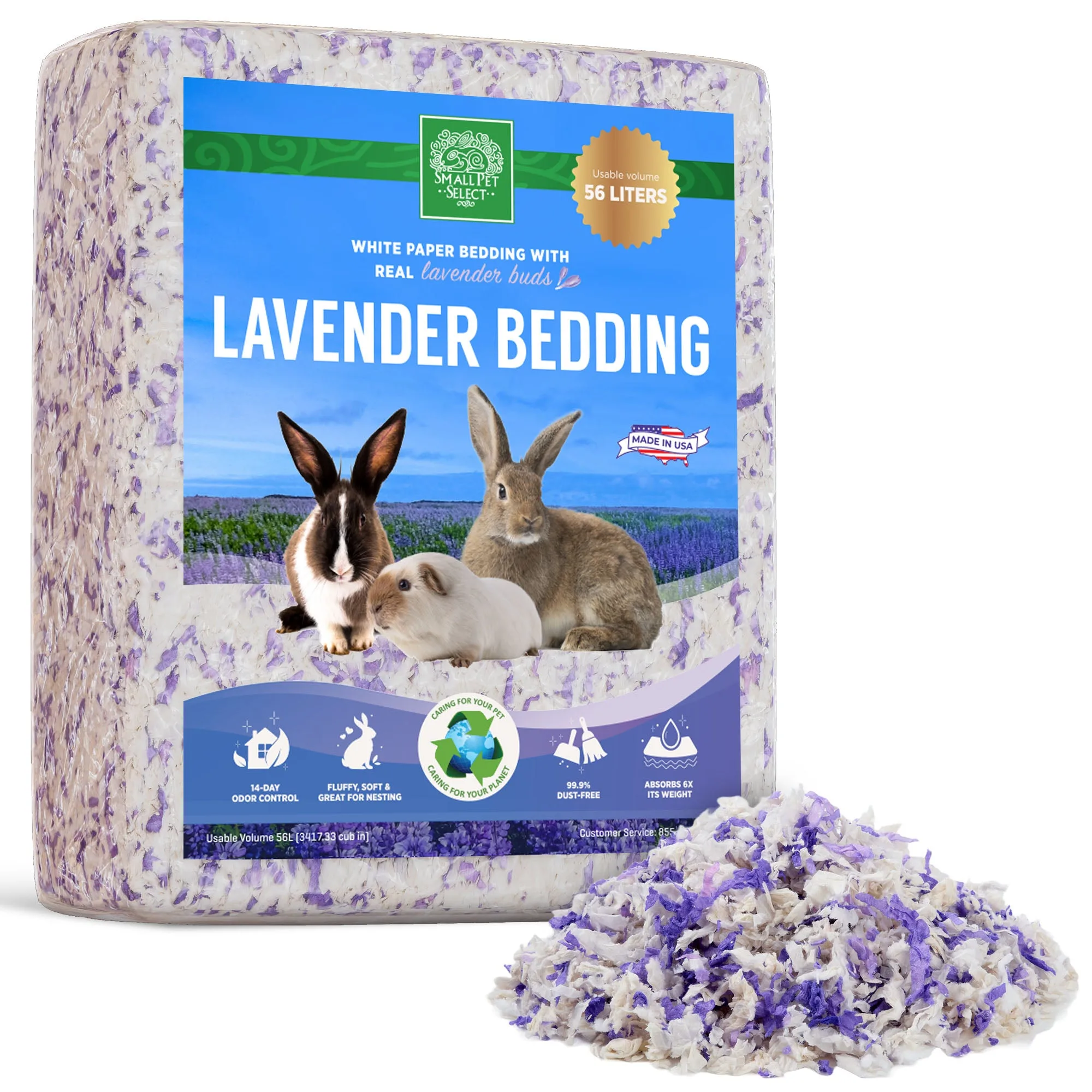
- Lavender Unbleached Paper Bedding: Lavender Unbleached Paper Bedding is made from the clean, unused remnants of food-grade packaging and includes 100% real lavender buds. It gives you a paper bedding with a plant-based calming scent instead of a synthetic fragrance, which suits rabbits and guinea pigs kept indoors.
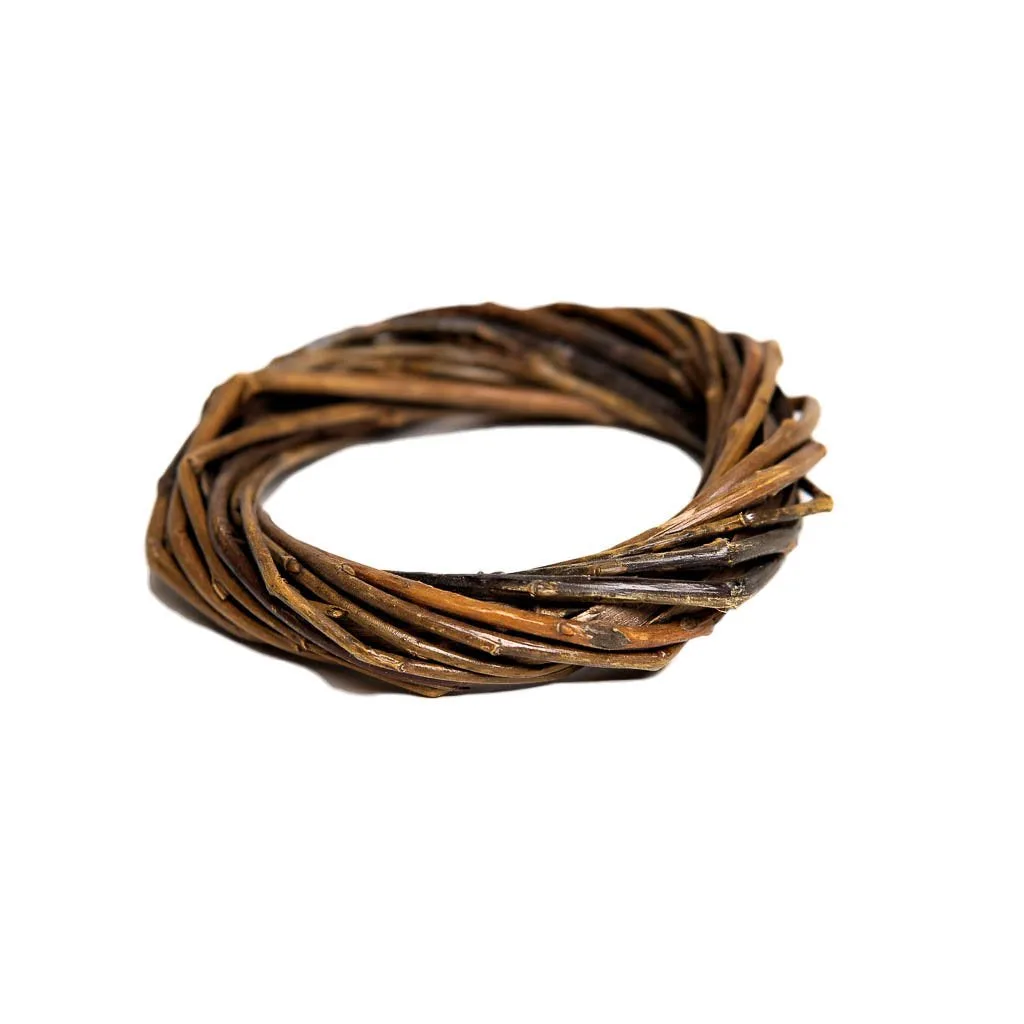
- Tiny Paws - Willow Chew Ring: Tiny Paws - Willow Chew Ring is made from 100% all-natural, unpeeled willow and is shaped as a ring for chewing and play. Bedding does not wear down teeth, so pairing it with a willow chew gives rabbits and other rodents a safe outlet for their natural gnawing instinct.
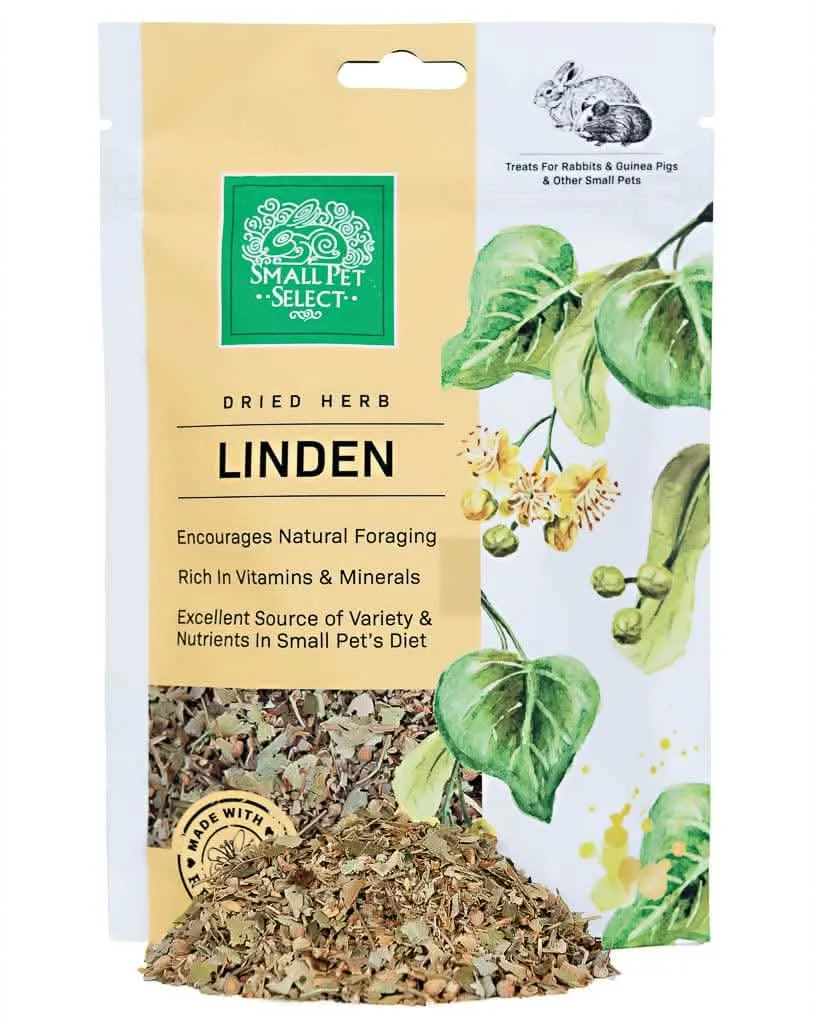
- Linden Foraging Herbs: Linden Foraging Herbs are hand-selected, pesticide-free linden leaves and flowers suitable for rabbits, guinea pigs, hamsters, gerbils, and mice. Scattering foraging herbs over clean bedding encourages natural foraging behaviour and adds enrichment without changing the bedding itself.
Who this bedding approach suits
Best for
- Indoor rabbit and guinea pig owners who want low-dust, absorbent bedding
- Owners whose pets have shown sensitivity to scented or dusty shavings
- Homes where bedding is changed frequently and stored in a dry spot
Not for
- Owners looking for the cheapest possible bulk bedding regardless of dust
- Pets with a known allergy to lavender or other specific plant ingredients
- Outdoor hutches where bedding gets wet quickly and needs constant replacement