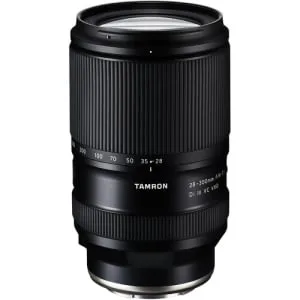
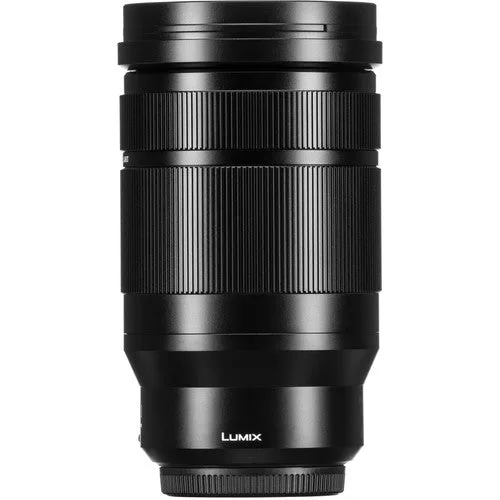
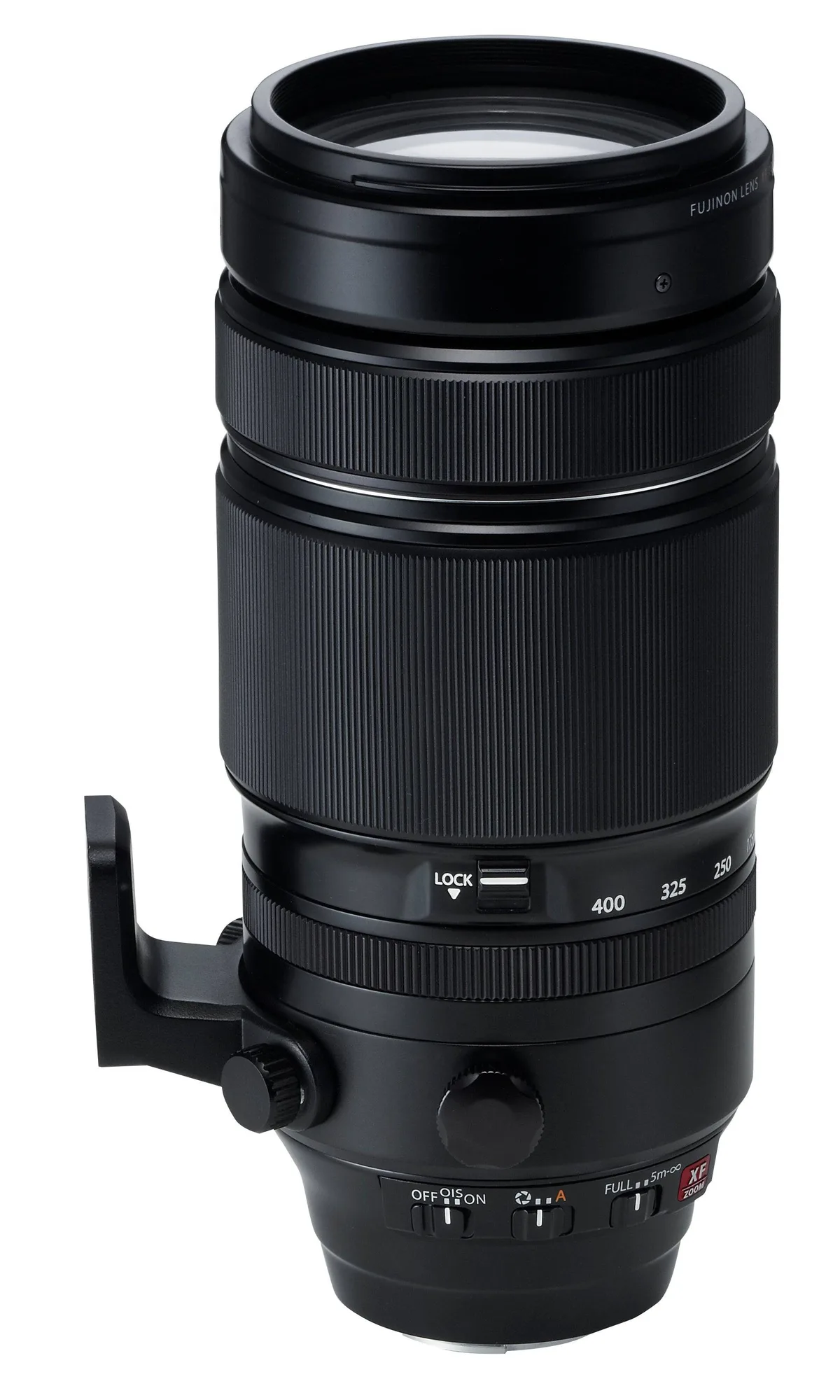
What to Look for in a Nature Telephoto Lens
Choosing a telephoto lens for nature photography means balancing reach, aperture, weight, and cost. Whether you photograph birds, mammals, or distant landscapes, the right lens helps you capture sharp, detailed images without carrying unnecessary bulk.
A longer focal length lets you fill the frame with distant subjects, while a wider aperture (lower f-number) gives better performance in low light and more control over background blur. However, longer and faster lenses are heavier and more expensive. Understanding these trade-offs is the first step in making a smart choice.
Key Factors in Telephoto Lens Selection
Consider these aspects when comparing telephoto lenses for nature photography.
- Focal Length Range: For wildlife, a longer telephoto is common. Shorter telephotos work well for larger animals or scenic details, while longer telephoto lenses let you photograph small birds and skittish mammals from a distance.
- Maximum Aperture: A lens with f/4 or f/2.8 lets in more light, helping you use faster shutter speeds in dawn or dusk conditions. The trade-off is added weight and cost. Variable-aperture zooms (e.g., f/5.6-6.3) are lighter and more affordable but less capable in low light.
- Image Stabilization: Optical stabilization reduces camera shake, especially when handholding a long lens. It can make the difference between a sharp shot and a blurry one at slower shutter speeds.
- Weight and Portability: A long telephoto lens may weigh a significant amount, requiring a sturdy tripod and limiting mobility. Smaller zooms or primes are easier to carry on long hikes.
Learn the Techniques Alongside Your Gear
Choosing the lens is only half the equation. Knowing how to use it effectively—freezing motion, eliminating blur, and catching wildlife in action—is just as important. Visual Wilderness offers a dedicated learning resource, Telephoto Lenses for Nature Photography, part of the Apprentice Series. It guides you through the creative and technical aspects of telephoto shooting, helping you get the most out of your new lens.
Investing in both the right gear and the skills to use it will pay off in stronger, more consistent nature photos.
A Learning Resource to Complement Your Lens
-
Telephoto Lenses for Nature Photography: Telephoto Lenses for Nature Photography is part of the Apprentice Series from Visual Wilderness, a learning resource in the Learn to Shoot category. This resource teaches practical techniques for telephoto use, such as freezing motion and eliminating blur, which are essential for wildlife and nature photography.
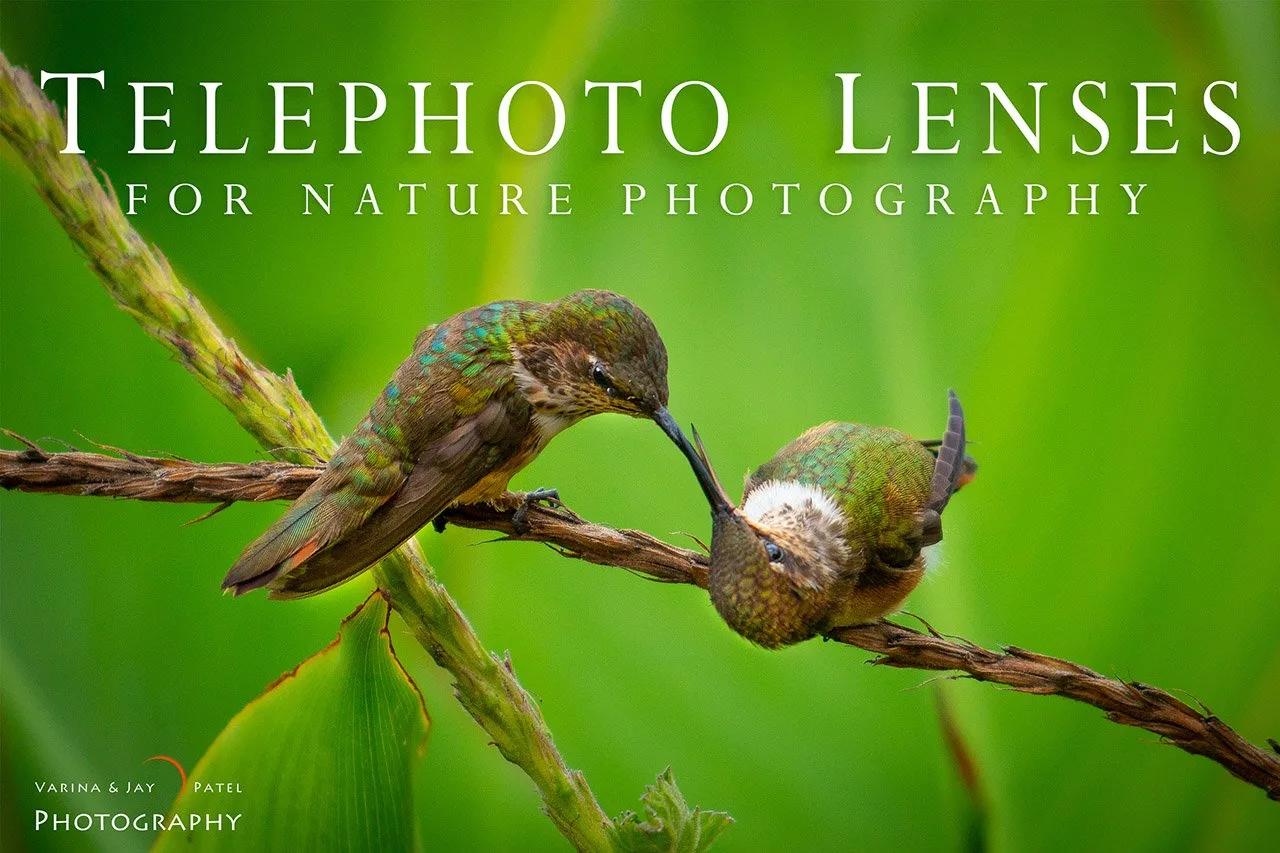
Telephoto Lenses for Nature Photography
-
Telephoto Lenses for Nature Photography: Learn to freeze motion, eliminate blur, catch wildlife in action, be creative, and capture awe-inspiring photos with your telephoto lenses. These skills directly address the challenges of telephoto photography, helping you produce sharp, compelling images in the field.
The Honest Trade-Offs in Telephoto Lens Buying
No single telephoto lens is perfect for every situation. A lightweight zoom is versatile for travel and general wildlife, but it may struggle in low light compared to a fast prime. A super-telephoto delivers unmatched reach and light-gathering, but its size and price make it impractical for casual hikes or tight budgets.
Start by identifying your most common subjects and shooting conditions. If you photograph birds at dawn, a fast, long lens is worth the investment. If you shoot large mammals in good light, a mid-range zoom may serve you well. Pair your choice with a solid tripod or monopod to maximize sharpness, and consider buying used to get more reach for your money.