Quick answer
Match the lens to your sensor and your most common subject distance first, then decide on aperture and stabilization. For Micro Four Thirds birders who want maximum reach in one lens, the OM SYSTEM 150-600mm f/5.0-6.3 IS is the direct fit. For full-frame Sony shooters who want one walk-around lens that covers wide to telephoto, the TAMRON 28-300mm F4-7.1 Di III VC VXD is the flexible choice, while the Tamron 18-300mm F/3.5-6.3 Di III VC VXD suits Nikon Z APS-C bodies. If your wildlife work happens in low light at closer range, the SIGMA 28-45mm F1.8 DG DN Art trades reach for a constant F1.8 aperture.
Start with reach, not with focal length numbers
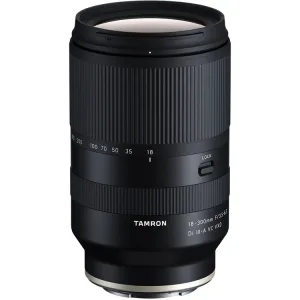
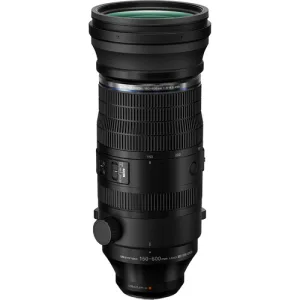
Reach is about how much of the frame your subject fills, and that depends on your sensor size as much as the lens. On APS-C, the Tamron 18-300mm covers a 27-450mm full-frame equivalent range, so it can go from a habitat shot to a perched bird without changing lenses. On Micro Four Thirds, the OM SYSTEM 150-600mm is built for distant subjects, and its narrower field of view means small birds and remote nature subjects fill more of the frame. Full-frame Sony shooters get a different trade: the TAMRON 28-300mm starts wide enough for environmental portraits of wildlife and reaches 300mm for moderate telephoto work.
Before buying, estimate your typical working distance. Backyard feeders and urban parks rarely need more than 300mm equivalent. Shorebirds, raptors, and mammals across a field usually reward 400mm equivalent or more. If you regularly crop heavily, put more of your budget into optical reach rather than into a wider zoom range you will not use.
Aperture, stabilization, and light
Wildlife is most active at dawn and dusk, so aperture and stabilization matter as much as reach. The OM SYSTEM 150-600mm has a variable f/5.0-6.3 maximum aperture and built-in IS, which helps when you are handholding at long focal lengths. The Tamron 18-300mm uses a variable f/3.5-6.3 aperture and VC image stabilization, so it stays usable in shade and at the long end. The TAMRON 28-300mm also includes VC stabilization and a VXD linear motor for fast, quiet autofocus.
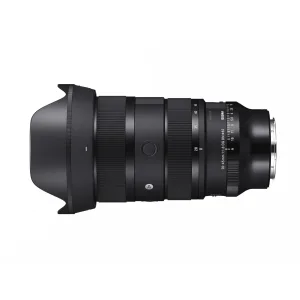
A constant aperture like the SIGMA 28-45mm F1.8 DG DN Art's F1.8 lets in far more light and gives you faster shutter speeds or lower ISO, but it does not give you the reach most wildlife photographers need. Treat it as a specialized tool for close-range, low-light animal work rather than a general wildlife zoom.
Autofocus, sealing, and handling
Fast, quiet autofocus keeps up with birds in flight and unpredictable movement. The Tamron 18-300mm uses a VXD linear autofocus motor and adds a 1:2 maximum magnification for close-up detail, plus a weather-sealed construction that helps in dust and light rain. The TAMRON 28-300mm also uses VXD linear autofocus. The OM SYSTEM 150-600mm is described as designed for the nature enthusiast, so it is aimed at exactly this kind of outdoor use.
Handling matters over a long day. A lighter all-in-one zoom is easier to carry on a hike, while a dedicated super-telephoto rewards a monopod or a sturdy shoulder strap. If you shoot from a hide or a vehicle, weight matters less than reach and stabilization.
Mount and system fit
Your camera mount narrows the field immediately. The TAMRON 28-300mm F4-7.1 Di III VC VXD is made for Sony E-mount full-frame mirrorless cameras. The Tamron 18-300mm F/3.5-6.3 Di III VC VXD is built for Nikon Z APS-C bodies. The OM SYSTEM 150-600mm and the SIGMA 28-45mm F1.8 DG DN Art are separate systems with their own mounts, so confirm compatibility before you compare prices.
Also check whether the lens is designed for full-frame or APS-C. Using an APS-C lens on a full-frame body usually means a crop mode and fewer megapixels. Using a full-frame lens on APS-C is generally fine but adds size and cost you may not need.
Decision rules for wildlife zooms
- If your subjects are small and far away: Prioritize reach over zoom range. A dedicated super-telephoto like the OM SYSTEM 150-600mm is built for distant birds and remote nature subjects. Choose reach first when you crop often.
- If you want one lens for travel and wildlife: An all-in-one zoom such as the TAMRON 28-300mm for Sony E full-frame or the Tamron 18-300mm for Nikon Z APS-C covers wide to telephoto without lens changes. Accept a slower variable aperture in exchange for convenience.
- If you shoot in low light at close range: A constant F1.8 zoom like the SIGMA 28-45mm DG DN Art gathers much more light, but its short range limits distant subjects. Pick brightness only if your wildlife work is close and dim.
- If you shoot in dust or rain: Look for weather-sealed construction, such as the Tamron 18-300mm, and pair it with a rain cover for heavy downpours. Sealing extends the days you can actually shoot.
Lens facts that affect your decision
- OM SYSTEM 150-600mm f/5.0-6.3 IS Mirrorless Lens: Designed for the nature enthusiast, this lens brings distant wonders into clear view, effortlessly capturing small birds and remote nature subjects. It is purpose-built for the exact subjects wildlife photographers chase, so reach and handling are aimed at birds and distant animals rather than general travel.
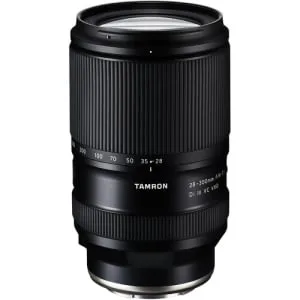
- TAMRON 28-300mm F4-7.1 Di III VC VXD for Sony E-Mount: The TAMRON 28-300mm F4-7.1 VC is an all-in-one zoom lens for Sony E-mount full-frame mirrorless interchangeable lens cameras. One lens covers wide through telephoto on a full-frame Sony body, which reduces lens changes in the field but gives up the extreme reach of a dedicated super-telephoto.
- Tamron 18-300mm F/3.5-6.3 Di III VC VXD (Nikon Z): 27-450mm full-frame equivalent focal length, VXD linear autofocus motor, 1:2 maximum magnification, VC image stabilization, and weather-sealed construction. On Nikon Z APS-C it reaches 450mm equivalent while adding close-up capability and sealing, making it a strong single-lens option for hikers and travelers.
- SIGMA 28-45MM F1.8 DG DN ART Lens for Sony E: Full-frame mirrorless zoom lens with a constant F1.8 aperture, described by the manufacturer as the world's first zoom lens with a constant F1.8 aperture for full-frame mirrorless systems. The bright constant aperture helps in low light and for subject separation, but the 28-45mm range means it is not a substitute for a long wildlife zoom.
Who should buy which lens
Best for
- Bird and distant wildlife photographers on Micro Four Thirds who want maximum reach in one lens
- Full-frame Sony shooters who want a single walk-around zoom for travel and moderate wildlife
- Nikon Z APS-C users who want 450mm equivalent reach plus close-up and weather sealing
Not for
- Photographers who need a constant bright aperture across a long telephoto range
- Shooters who mainly photograph landscapes and never need more than 70mm
- Buyers who have not confirmed their camera mount and sensor format