Quick answer
For most play therapy practices, choose a standard 30-by-20-by-3-inch sand tray and build a miniature collection of 200 to 300 pieces that cover people, animals, buildings, transportation, nature, and fantasy. Prioritize durable, safe, and versatile miniatures that can be used across many client scenarios.
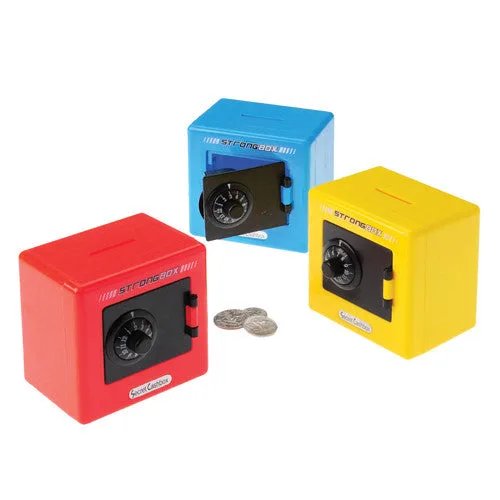
safe
Sand tray therapy is a powerful tool for helping clients express feelings and experiences that are hard to put into words. But the success of your sessions depends on having the right equipment. This guide will help you choose the correct sand tray size and build a miniature collection that supports your therapeutic goals.
You don't need to buy everything at once. Start with a core set that covers common themes like family, community, and nature, then expand as you learn what your clients need. We'll cover the key decisions you'll face and give you clear rules to follow.
Sand Tray Size: Standard vs. Custom
The most common sand tray size is 30 inches long, 20 inches wide, and 3 inches deep. This size fits well on a table and gives clients enough space to create a world without feeling overwhelmed. It also works for both individual and small group sessions.
If you have limited space or work with very young children, a smaller tray (around 24 by 18 inches) can be easier to manage. However, a smaller tray may restrict the complexity of the scenes clients can build. On the other hand, a larger tray (36 by 24 inches) allows for more elaborate worlds but takes up more room and can be harder to store.
Consider the depth of the tray as well. A depth of 3 inches is ideal because it holds enough sand for burying and uncovering, which is a common therapeutic action. Deeper trays (4 to 5 inches) are heavier and may be difficult for children to reach into, while shallower trays (2 inches) limit sand manipulation.
Also think about the material. Wooden trays are classic and sturdy but can be heavy. Plastic trays are lighter and easier to clean but may not feel as durable. Some therapists prefer trays with a blue interior to represent water, which can be a useful element in sand scenes.
- Measure your available table or shelf space before buying.
- Choose a tray with a solid bottom to prevent sand from spilling.
- If you work with multiple age groups, consider having two sizes.
Building Your Miniature Collection: Quality Over Quantity
When it comes to miniatures, more is not always better. A well-chosen collection of 200 to 300 pieces can cover a wide range of therapeutic themes. Focus on variety and durability rather than sheer numbers.
Start with categories that appear most often in sand tray work: people (different ages, genders, and ethnicities), animals (domestic and wild), buildings (houses, schools, hospitals), transportation (cars, trucks, planes), nature (trees, rocks, shells), and fantasy figures (dragons, fairies, superheroes). These categories allow clients to create realistic or imaginative scenes.
Choose miniatures that are sturdy and safe. Avoid tiny pieces that could be a choking hazard for younger clients. Embroidered eyes on puppets are a good example of a safe design, but for miniatures, look for solid construction with no sharp edges.
Consider the size of the miniatures relative to the tray. Miniatures that are too large will dominate the scene, while those that are too small may be hard to see. A general guideline is to choose pieces that are between 1 and 3 inches tall, so they fit comfortably in the tray.
You don't have to buy a complete set at once. Many therapists build their collection gradually, adding pieces that reflect the needs of their current clients. This also helps you avoid spending money on items that rarely get used.
- Buy a starter set with a good mix of categories, then expand based on client needs.
- Choose miniatures with a matte finish to reduce glare and distractions.
- Store miniatures in clear, divided containers so clients can see and choose easily.
Therapeutic Considerations: Themes and Symbolism
Sand tray miniatures are more than just toys; they are symbols that clients use to tell their stories. The right collection should include items that represent common life experiences and emotions. For example, a house can symbolize family or safety, while a fence might represent boundaries.
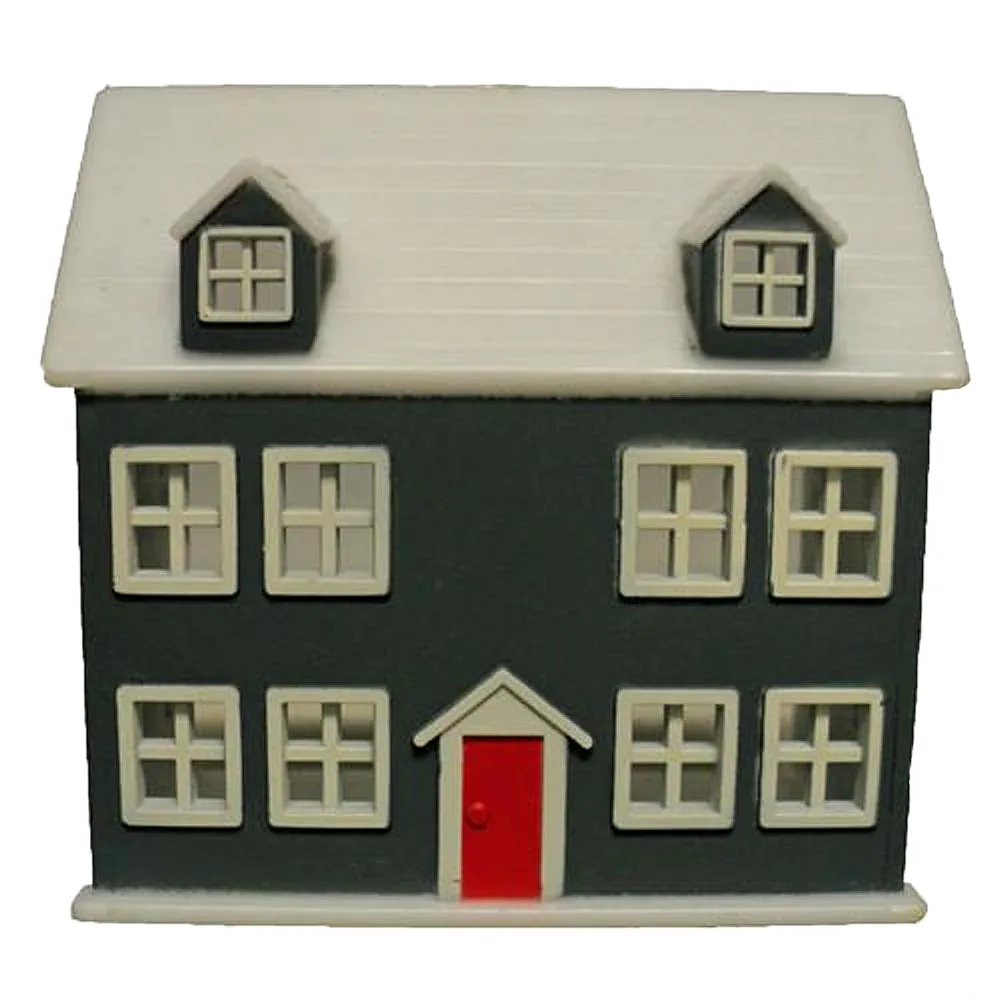
house
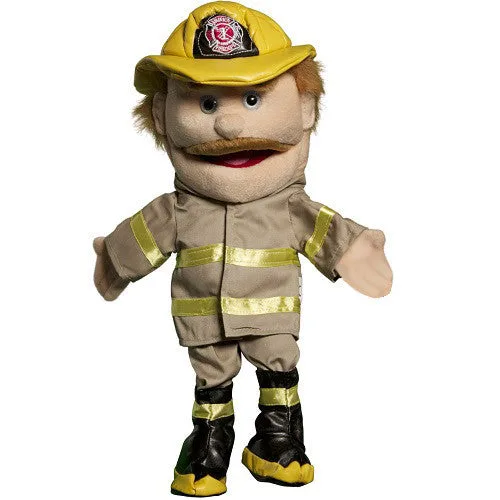
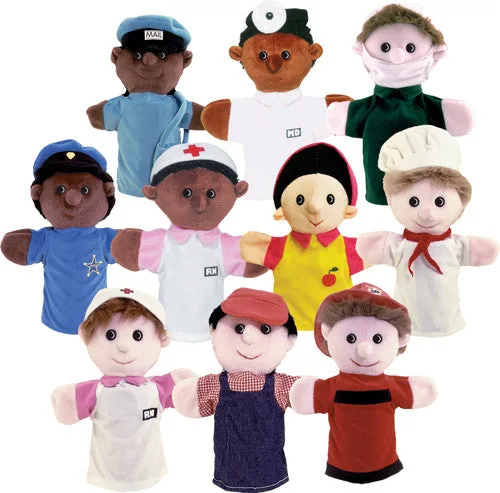
Include miniatures that depict community helpers like firefighters, police officers, and doctors. These figures can help clients explore themes of safety, rescue, and authority. In our catalog, the Fireman Puppet and Ten Community Helper Puppets are excellent examples of community helper figures that can be used in sand tray work.
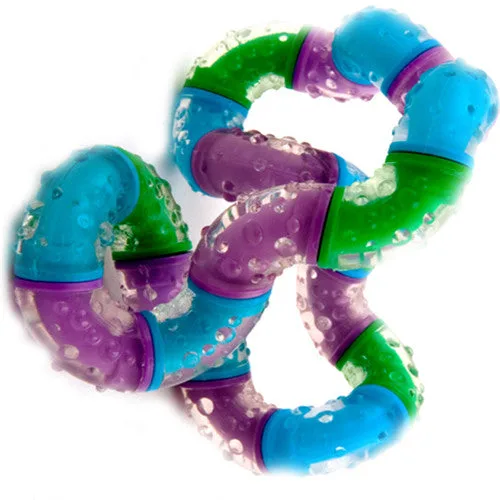
Also consider adding miniatures that represent stress and coping, such as a tension ball or a small figure in a yoga pose. These can be useful when working with clients who have anxiety or anger issues. The Tangle Therapy device is a sensory tool that can be incorporated into the sand tray or used alongside it.
Finally, think about cultural diversity. Your collection should reflect the backgrounds of your clients. Include miniatures of different ethnicities, family structures, and abilities. This helps clients see themselves in the sand tray and feel understood.
- Review your collection regularly to ensure it reflects the diversity of your clients.
- Add miniatures that represent emotions, such as a smiling face or a frowning figure.
- Consider having a separate set of miniatures for specific therapeutic themes like grief or divorce.
Budgeting and Storage
Sand tray therapy equipment can be a significant investment, but it doesn't have to break the bank. Start with a basic tray and a modest miniature collection, then add to it over time. Look for sales or bundle deals to save money.
Storage is another important factor. Miniatures should be organized so that clients can easily find what they need. Use clear plastic bins with dividers, or a multi-drawer cabinet. Label each drawer with the category to make selection quick and easy.
Consider the weight of the sand and the tray. A standard tray filled with sand can weigh 20 to 30 pounds, so make sure your table or stand can support it. If you have limited mobility, you might prefer a lighter plastic tray.
Finally, think about sanitation. Sand should be replaced or cleaned regularly to maintain hygiene. Some therapists use a sand sifter to remove debris. Miniatures should be wiped down between sessions, especially if they are used by different clients.
- Set a budget for your initial purchase and allocate funds for future additions.
- Invest in a sturdy stand or table that can hold the weight of the sand tray.
- Use a sand sifter and disinfectant wipes to keep your equipment clean.
Decision Rules for Choosing Sand Tray Size and Miniatures
- Rule 1: Match tray size to your space and client age: For most practices, a 30x20x3-inch tray is ideal. If space is tight or you work with young children, consider a smaller tray. For older clients or group work, a larger tray may be beneficial. Choose a tray that fits your room and is comfortable for your clients to use.
- Rule 2: Prioritize variety over quantity in miniatures: A collection of 200-300 pieces covering people, animals, buildings, transportation, nature, and fantasy is sufficient. Start with a starter set and expand based on client needs. A well-rounded collection is more effective than a large but repetitive one.
- Rule 3: Include community helpers and diverse figures: Community helpers like firefighters and police officers are important for exploring safety and authority. Ensure your collection reflects diverse cultures, ages, and abilities. A diverse collection helps clients see themselves and feel understood.
Products to Consider
- Ten Community Helper Puppets: These friendly puppets are 11 inches tall and have embroidered eyes. Great for small hands. Community helper figures are a staple in sand tray therapy, allowing clients to explore roles and relationships. This set offers a variety of helpers and is safe for young children.
- Fireman Puppet: This friendly fireman is suited up and ready for action! Durable construction and well-suited for both large and small hands. Measures approximately 14 inches tall. A fireman figure can represent safety, rescue, and heroism, which are common themes in therapy. Its durable design ensures it will withstand frequent use.
- Tangle Therapy: This twistable therapy device is a new ergonomic approach to stress relief, as well as a manipulative for hand therapy. 20 interconnected twistable pieces. Made of ABS plastic covered with a soft (latex free) rubberized material. Blue/Purple/Green. For ages 5 and up. This sensory tool can be used alongside sand tray work to help clients regulate emotions and focus. Its compact size makes it easy to incorporate into a therapy session.
Who This Guide Is For
Best for
- Therapists starting a new sand tray practice
- Practitioners looking to expand or refresh their miniature collection
Not for
- Therapists who already have a large, well-established collection and need specialized themes
- Practitioners with very limited space who require a compact setup
Choosing the right sand tray and miniatures is a personal decision that depends on your space, client population, and therapeutic approach. Start with a standard tray and a versatile collection, then adapt as you learn what works. With thoughtful selection, your sand tray can become a powerful tool for healing and growth.