Quick Answer
For a winter wedding, prioritize closed-toe styles with block heels and materials that offer warmth and stability, especially if you'll be outdoors or on uneven surfaces.
Why Closed Toes and Block Heels Win in Winter
Winter weddings often mean colder temperatures, wet floors, and potentially icy walkways. Closed-toe heels protect your feet from the chill and keep them cleaner if you step outside. Block heels distribute your weight more evenly, reducing the risk of sinking into soft ground or slipping on slick surfaces.
While stilettos look elegant, they are less practical for winter conditions. A chunkier heel provides better balance and comfort, especially if you'll be standing for long periods during photos or the reception.
Material Matters: Warmth and Weather Resistance
The material of your wedding heels affects both warmth and durability. Lace and mesh are breathable but offer little insulation. For winter, consider styles with more coverage, such as those with illusion mesh lining or thicker fabrics that block cold air.
If your ceremony is entirely indoors with climate control, you have more flexibility. But if there's any chance of stepping outside—even for photos—choose shoes that can handle a bit of moisture without being ruined.
Comfort for Long Winter Celebrations
Winter weddings often involve layers of clothing, heavy gowns, and long hours. Your shoes need to be comfortable enough for dancing and standing. Look for features like cushioned insoles, adjustable straps, and a heel height you're already used to walking in.
Remember that your feet may swell slightly from being on them all day. Shoes with adjustable straps or a bit of give in the material can accommodate this better than rigid, unforgiving styles.
Decision Rules for Winter Wedding Heels
- Outdoor ceremony?: Choose block heels with a wider base to prevent sinking into grass or slipping on frost. Avoid stilettos and thin heels.
- Will your feet be exposed?: If you're wearing an open-toe style, plan for cold weather with accessories like fleece-lined insoles or decorative toe covers. Closed-toe styles are naturally warmer. Consider a closed-toe style like EDNA for maximum warmth.
- Indoor reception only?: You can prioritize style over weather resistance, but still choose a heel height you can dance in comfortably for hours.
- Walking on hard floors?: Look for shoes with rubber soles or add grip pads to prevent slipping on polished floors, especially if there's snow or rain residue on your shoes. Test your shoes on the actual floor surface before the big day.
- Do you need extra warmth?: If you tend to feel cold, choose a shoe with more coverage, like a pump or bootie style, rather than a sandal.
Winter-Ready Wedding Heels from Bella Belle
-
EDNA: EDNA features ivory lace over soft illusion mesh with a 4-inch heel and optional ankle straps. The illusion mesh provides a layer of coverage that helps keep feet warmer than open sandals, while the ankle straps add security on uneven winter terrain.
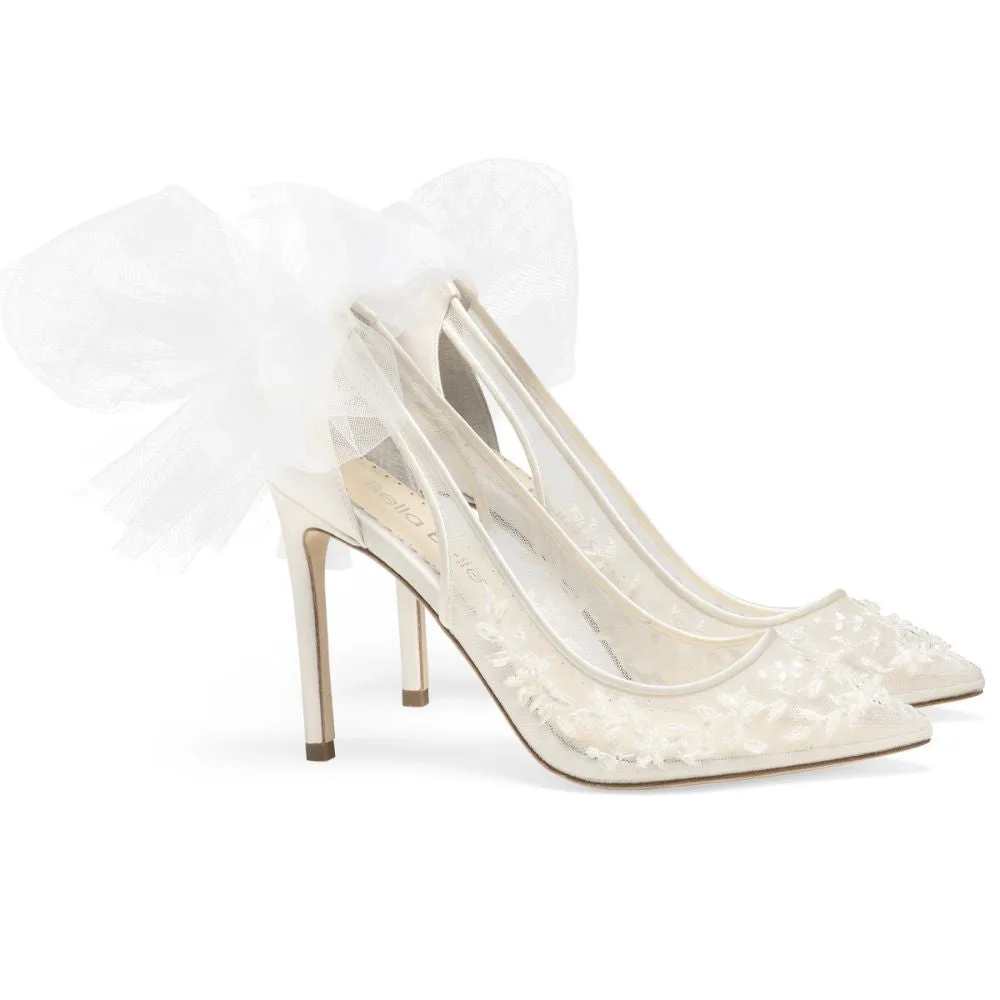
EDNA
-
EDEN: EDEN blush block heels offer a 4-inch block heel and open toe, with 3D organza flowers and embroidered vines. The block heel provides stability for outdoor winter ceremonies, but the open toe means you'll need to plan for colder temperatures—perhaps with stylish hosiery or toe warmers.
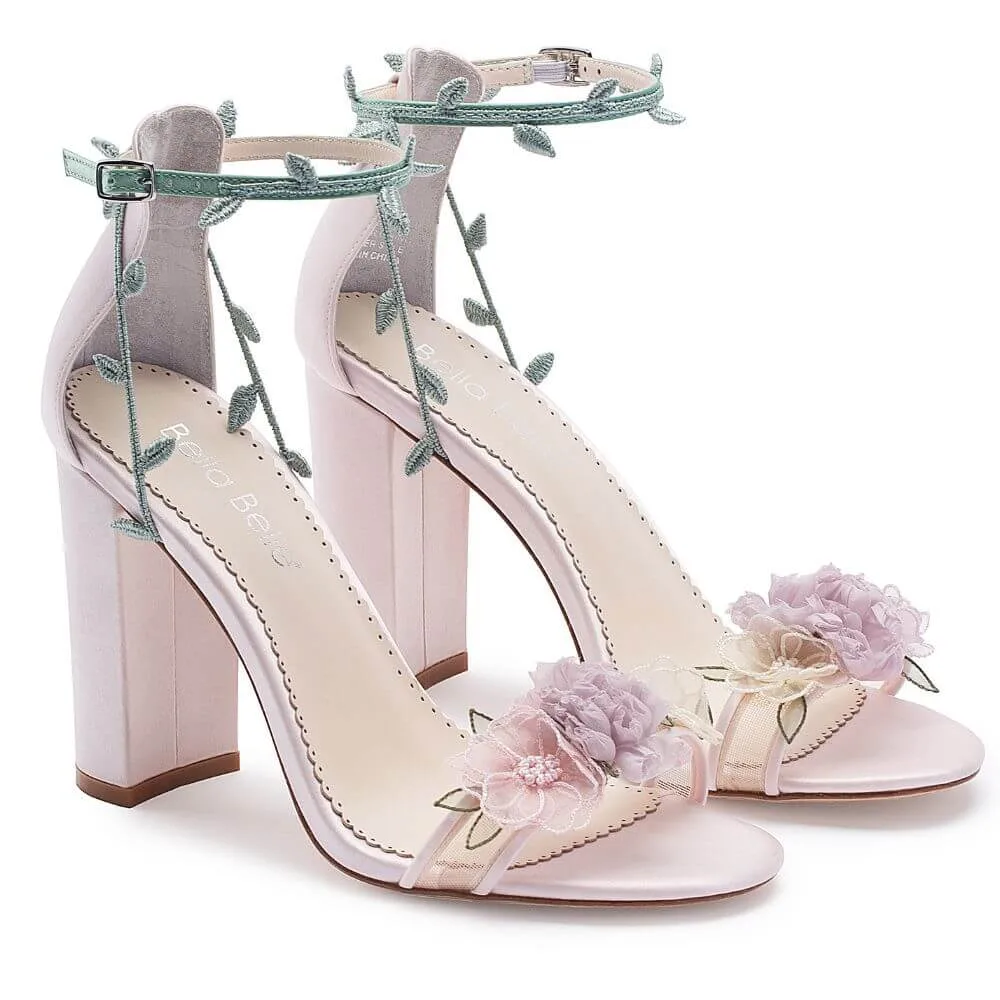
EDEN
Who Should Choose What
Best for
- Brides having an outdoor winter ceremony who need stability and warmth—consider EDNA with its closed-toe illusion mesh and block heel.
- Brides who prioritize comfort and security over bare-foot style—choose a closed-toe heel with ankle straps for a secure fit.
Not for
- Brides who want an open-toe look for a warm indoor venue—EDEN's open toe may leave feet cold if you step outside.
- Brides who plan to walk on icy surfaces—no heel is fully safe on ice; consider changing into boots for outdoor moments.