Quick Answer
Buy a wireless GPS containment system only as a backup layer, not as the primary barrier for a kennel. For most setups, a physical fence or finished kennel run keeps dogs contained reliably, while a wireless system adds a second boundary for off-leash time in open areas. If your dogs live in or near metal buildings, dense tree cover, or hilly ground, expect GPS drift and choose a system with a wide correction zone rather than a tight one.
A wireless dog fence sounds like the simplest containment answer: no trenching, no wire, just a collar and a boundary you draw on a screen. In a kennel setting, that promise runs into a harder reality. Kennels have metal panels, concrete pads, roofed runs, and multiple dogs moving at once, all of which affect GPS signal and training consistency.
This guide walks through the decisions that actually matter when you are buying wireless containment for a kennel property. It covers where GPS works, where it does not, how to layer wireless with physical containment, and which supporting products make the whole setup easier to manage day to day.
How Wireless Containment Actually Works
A wireless dog containment system uses a collar with a GPS receiver. You define a boundary radius or a mapped area through an app, and when the dog approaches the edge, the collar gives a warning tone or vibration, then a static correction if the dog continues. There is no buried wire and no transmitter box in the yard, which is why these systems appeal to kennel owners who cannot trench through concrete or existing runs.
The trade-off is accuracy. GPS positions drift by several feet depending on satellite visibility, nearby structures, and weather. That drift is manageable in an open field and much less manageable next to a metal kennel building or under a dense tree line. Before buying, walk your property with a phone GPS app and note where the signal wanders. If it jumps more than 10 to 15 feet in the areas your dogs will use, set your boundary well inside the physical fence line.
- Test GPS accuracy at the actual corners of your containment area, not just in the open yard.
- Give the boundary a buffer of at least 15 feet from any road, driveway, or neighbor property.
Decisions That Separate a Useful System From a Frustrating One
The first decision is correction zone width. A narrow zone feels precise but triggers false corrections when GPS drifts. A wide zone is gentler on the dog but gives more room before correction begins. For kennels with multiple dogs, a wider zone reduces the chance that one dog gets corrected while standing still.
The second decision is battery life and charging routine. Collars that need daily charging add a task to every kennel shift. Look for a collar that runs at least a full day on one charge, and buy a spare collar or a second charger so a dead battery never means an unprotected dog. The third decision is how the system behaves when the signal drops. Some collars stop correcting entirely; others default to a correction. Know which behavior yours uses before you rely on it.
- Choose a system with a visible low-battery warning on the collar itself, not only in the app.
- Keep a written charging schedule posted in the kennel so no dog goes out with a dead collar.
Where Wireless Fails in a Kennel and What to Use Instead
Wireless containment does not replace a physical barrier. It will not stop a dog from pushing through a gate, digging under a run, or bolting through an open door. It also does not work well indoors, because roofs and walls block GPS. If your dogs spend time inside a kennel building, a wireless collar is not doing containment work during those hours.
For the physical layer, a fully finished kennel with insulated panels and a covered run gives you a controlled environment where wireless is unnecessary. The 6×8 dog kennel, for example, includes a 4×6 insulated box, a 4×6 covered run, poly decking on the runs, glassboard interior lining, full insulation, a plexiglass dog door, and 11.5 GA chain-link panels. That combination handles containment, weather protection, and cleaning access without depending on GPS at all. Use wireless only for supervised off-leash time outside the kennel footprint.
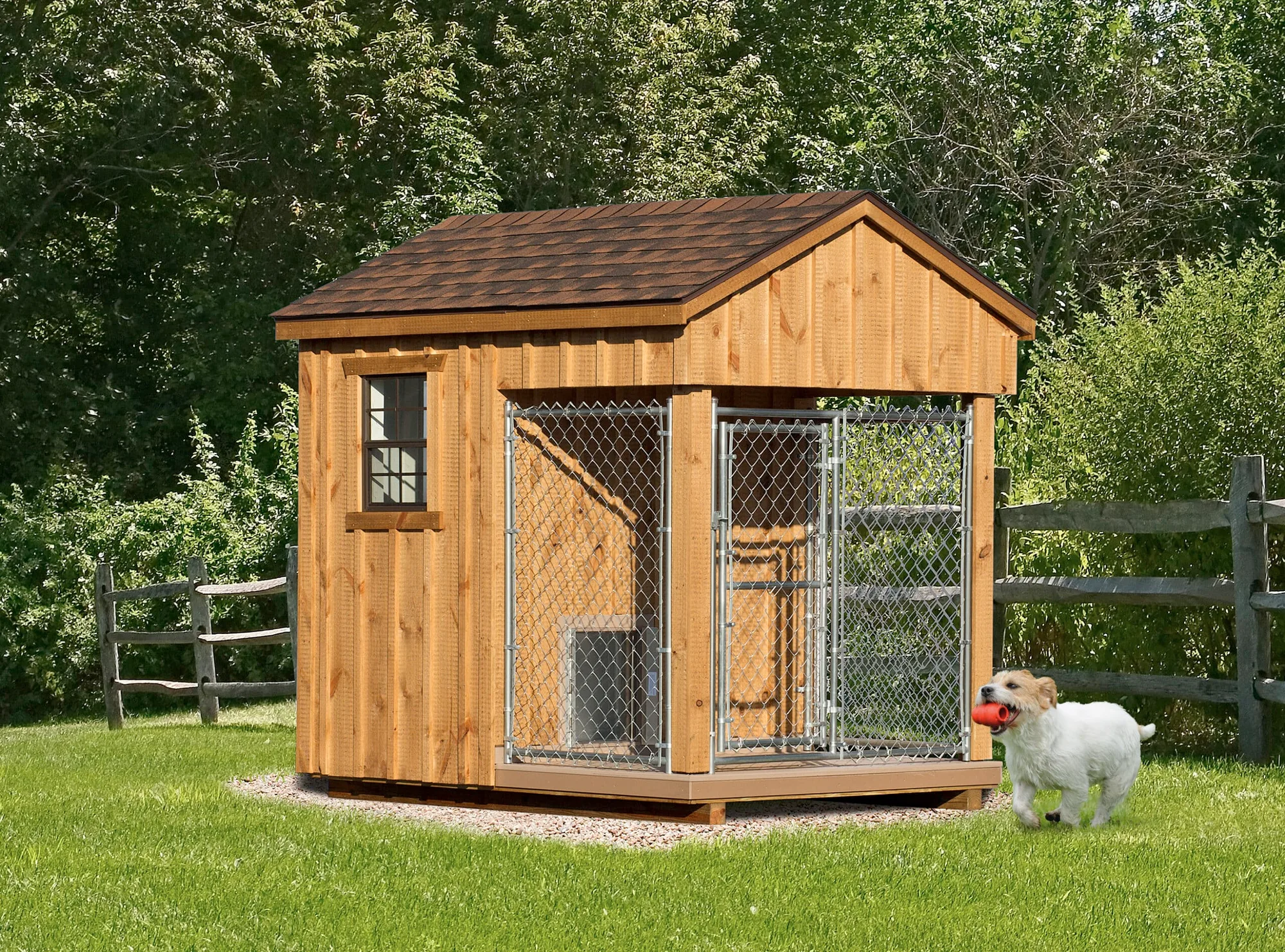
6×8 dog kennel
- Treat wireless as a training aid and backup, not as your fence.
- If a dog can see through or push against a barrier, assume wireless alone will not hold it.
Matching the System to Your Dogs and Your Property
Dog size and temperament change the math. A high-drive working breed will test a boundary repeatedly, while a laid-back companion may never approach it. For strong, determined dogs, a wireless system works best alongside a physical fence and a clear training routine. For calm dogs on a large rural property, wireless can be the main off-leash boundary.
Property layout matters just as much. Flat, open acreage is the best case for GPS containment. Sloped ground, metal outbuildings, and heavy canopy are the worst case. If your kennel sits in the worst case, budget for a wired or physical solution first and add wireless only if you still need an extra layer. A dog fence for large yards is a real category, but large yards with obstructions are where wireless systems disappoint most often.
- Walk the property at the same time of day you will actually use the system; satellite geometry changes.
- For multi-dog kennels, buy one collar per dog plus one spare, and label each collar.
Support Products That Make Containment Manageable
Containment is only one part of kennel operations. Nail care, hygiene, and stress management affect how smoothly dogs move in and out of boundaries. A large dog nail clipper like the Millers Forge Large Dog Nail Clipper is built for larger breeds with a sturdy grip and sharp blades for clean cuts, which matters when you are handling several dogs in one session. Shampoo and cleaning supplies keep runs and bedding in shape so dogs are not distracted by discomfort during boundary training.
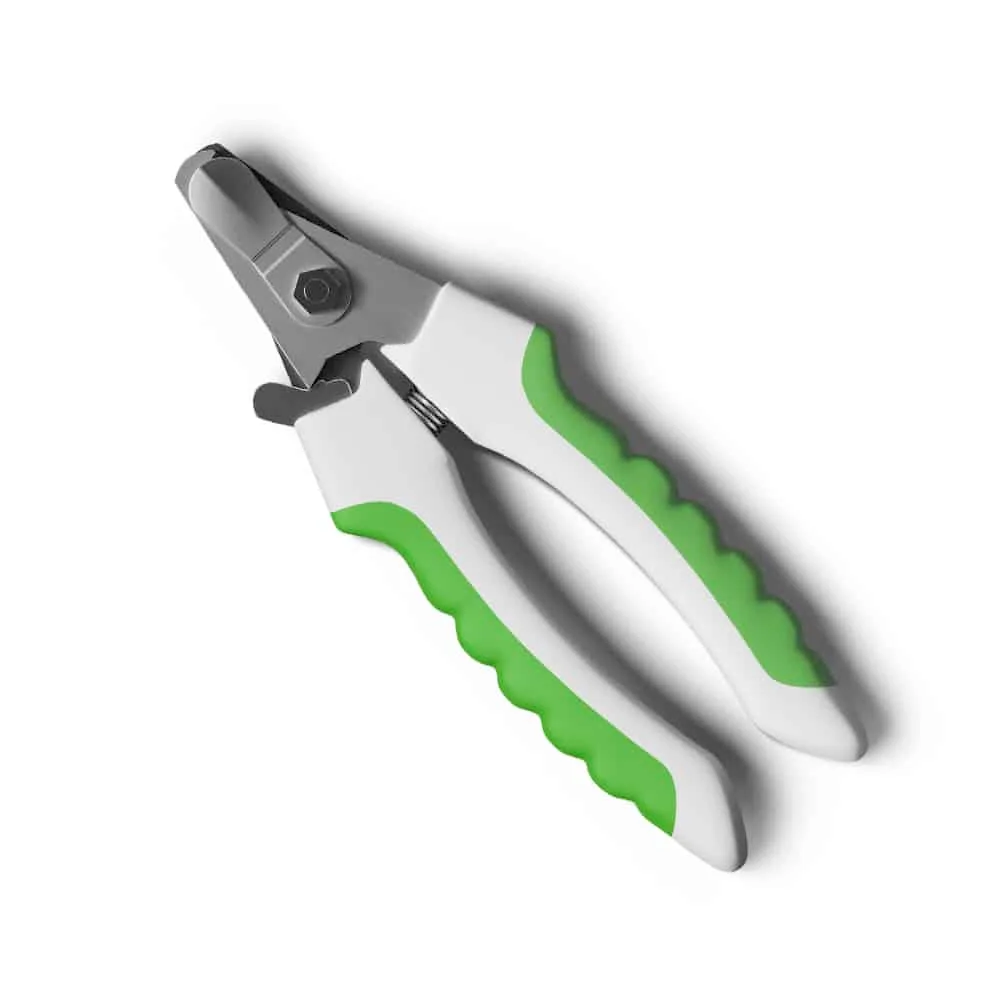
Millers Forge Large Dog Nail Clipper
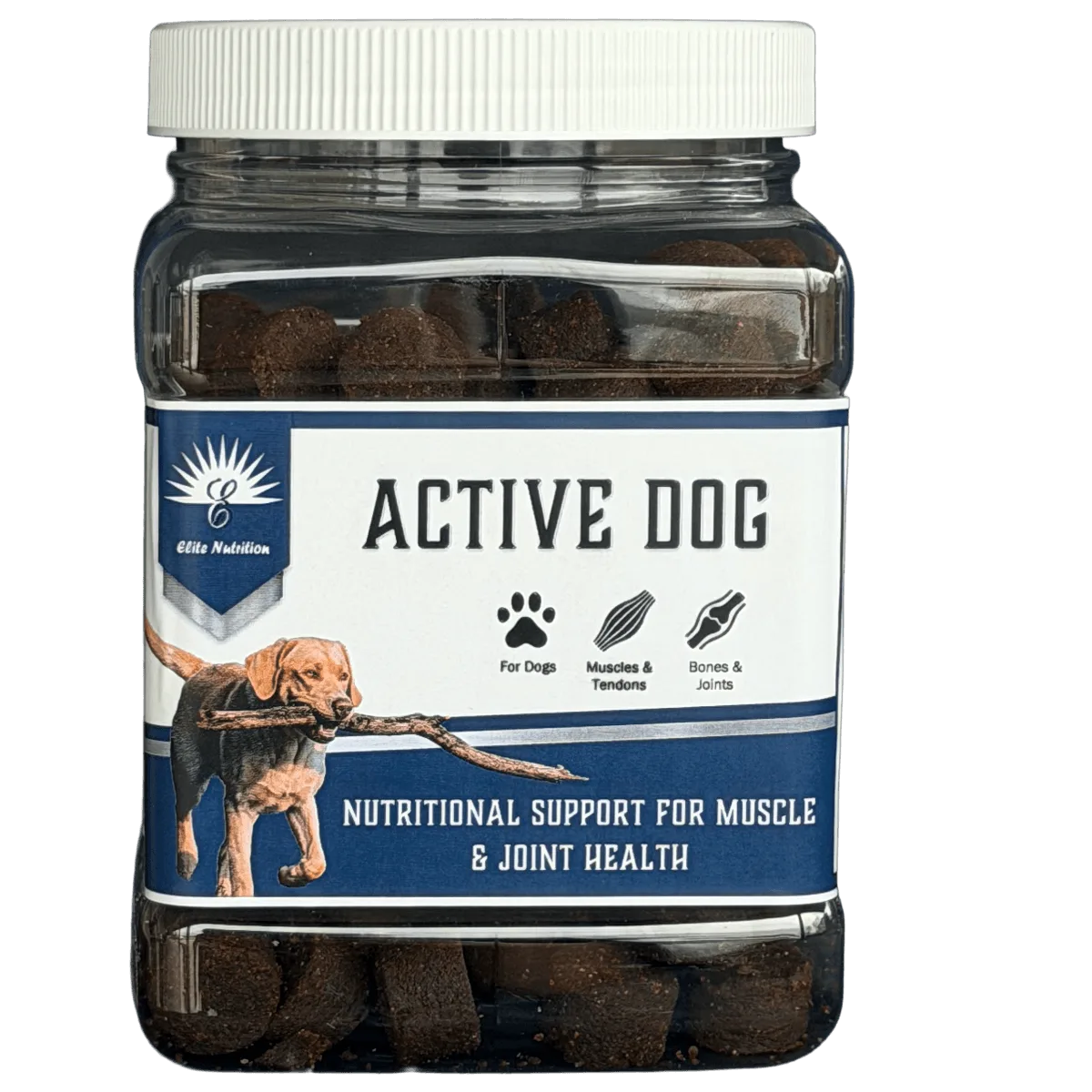
For anxious dogs, a calming supplement can reduce the stress of new routines. Elite Nutrition Serene Dog is a calming herbal blend intended to soothe anxious dogs during stressful events and to help dogs stay more at ease during whelping or post-C-section recovery. That is useful when you are introducing a new containment routine to a nervous dog, though it is not a substitute for training or a physical barrier.
If your kennel includes a washing or watering station, a retractable hose reel simplifies cleanup. The 90-Foot Retractable Hose Reel mounts on a wall with a 180-degree swivel, locks at any length, uses a self-layering system to keep the hose neat, and has a spring-loaded rewind. A 90-foot, 5/8-inch hose covers a long run of kennels without dragging a loose hose through the yard.
- Keep grooming and hygiene tools within reach of the containment area so training sessions end with a positive routine.
- A wall-mounted hose reel reduces trip hazards around gates and run doors.
Decision Rules for Kennel Wireless Fencing
- Rule 1: Physical barrier first: If your dogs are contained by a finished kennel, run, or fence, buy wireless only as a backup for supervised off-leash time. If they are not physically contained, fix that before buying any collar system. No collar replaces a gate, a panel, or a roof.
- Rule 2: Match zone width to GPS drift: Test GPS accuracy at the boundary corners. If drift exceeds 10 to 15 feet, choose a system with a wide correction zone and set the boundary well inside your physical fence line. A tight boundary on a drifting signal means false corrections.
- Rule 3: Plan for battery failure: Choose collars that run at least a full day per charge, buy one spare collar, and post a charging schedule. A dead collar means an unprotected dog. Battery routine is part of containment, not an afterthought.
- Rule 4: Skip wireless in metal-heavy or heavily treed kennels: Metal buildings, concrete pads, and dense canopy degrade GPS. In those conditions, put your budget into physical containment and use wireless only in open areas. If the signal wanders, the boundary will too.
- Rule 5: One collar per dog, plus training: Multi-dog kennels need a collar for every dog and a consistent introduction routine. Pair new containment with familiar handling, grooming, and hygiene tasks so the dog associates the routine with calm activity. Containment works when the dog understands the routine, not just the correction.
Product Facts That Support the Decision
- 6×8 dog kennel: 4×6 insulated box, 4×6 covered run, poly decking on runs, glassboard interior lining, full insulation, plexiglass dog door, and 11.5 GA chain-link panels. This is a physical containment layer that does not depend on GPS, so it works in metal-heavy or tree-covered kennel areas where wireless signal drifts.
- Millers Forge Large Dog Nail Clipper: Built for larger breeds with a sturdy, comfortable grip and sharp, durable blades for clean cuts; suitable for home or professional kennel use. Nail maintenance is part of a kennel routine, and a clipper sized for large dogs reduces hand fatigue when you handle multiple dogs in one session.
- Elite Nutrition Serene Dog: Calming herbal blend that soothes anxious dogs during times of stress, supports relaxation for nervous dogs, and helps dogs stay more at ease during whelping and post-C-section recovery. Useful when introducing a new containment routine to a nervous dog, but it does not replace training or a physical barrier.
- 90-Foot Retractable Hose Reel: 180-degree swivel wall mount, locks at any length, self-layering system, pre-installed 90-foot 5/8-inch hose, and spring-loaded rewind. A long, wall-mounted hose keeps kennel cleanup efficient and reduces loose-hose trip hazards near gates and containment boundaries.
Is Wireless Containment Right for Your Kennel?
Best for
- Rural or large-lot properties with open sightlines and minimal metal or canopy obstruction
- Kennels that already have a physical fence or finished runs and want a second off-leash boundary
- Owners who will maintain a daily collar charging routine and train each dog consistently
Not for
- Kennels with no physical barrier, where wireless would be the only containment
- Properties dominated by metal buildings, concrete pads, or dense tree cover where GPS drifts
- Owners who cannot commit to daily charging, collar checks, and boundary training
Wireless containment can be a useful extra layer for kennel dogs that already have a physical barrier and open GPS conditions. If your property is obstructed or your dogs are not otherwise contained, put your money into finished kennel runs and gates first, then add a wireless system only where it genuinely helps.