Quick answer
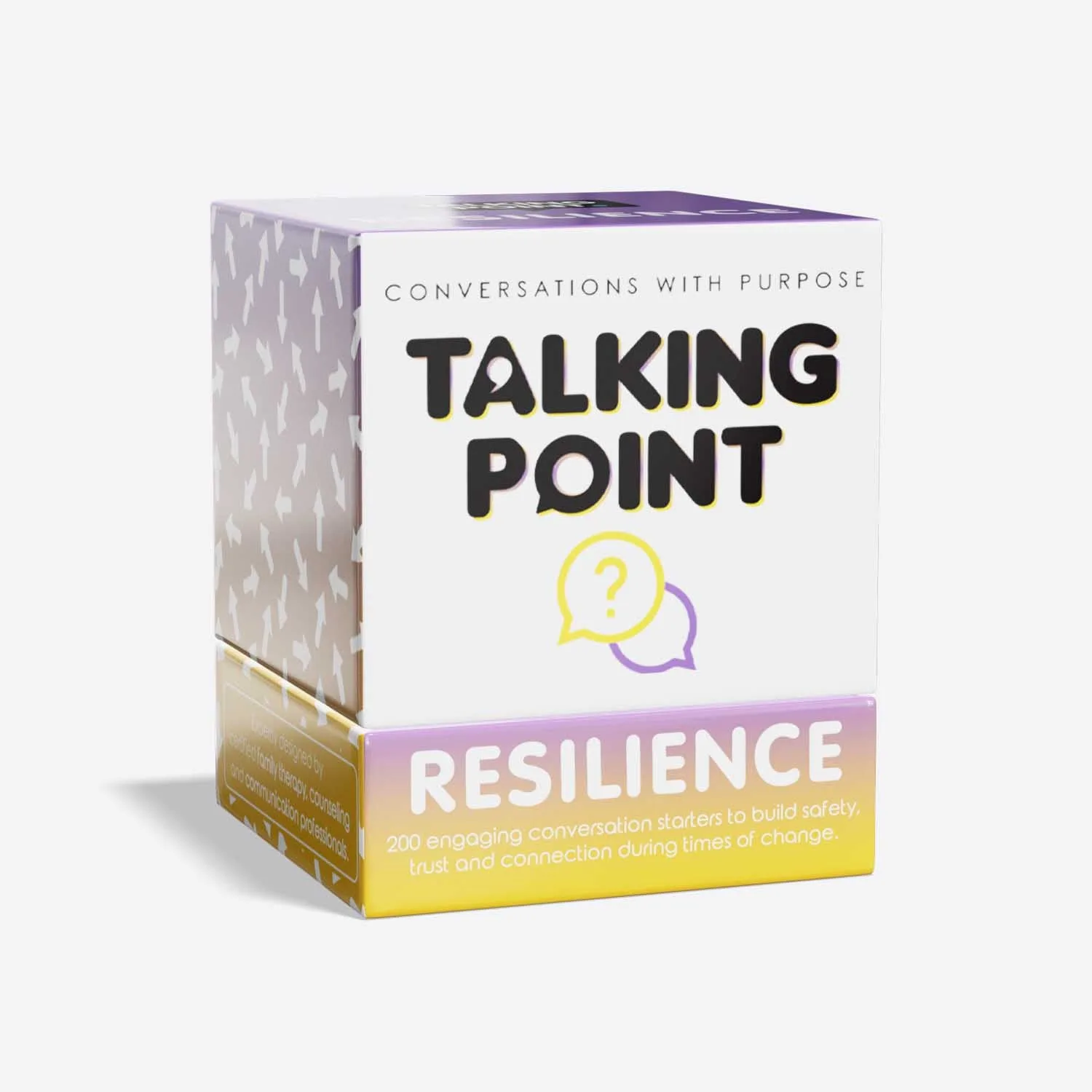
Choose a Christian conversation card deck by matching it to your group and setting, not by theme alone. For family Bible night or all-ages gatherings, the Family Deck works well because its prompts suit mixed ages. For couples or small groups that want to go deeper, the Resilience Edition is the stronger pick. If teens and screen-time boundaries are the real issue, the Teens: Tech + Boundaries Pocket Pack gives you faith-friendly conversation without turning it into a lecture.
Match the deck to the people in the room
The most common mistake with faith conversation decks is buying for the topic you care about instead of the people who will actually be sitting there. A deck that asks couples to examine their marriage will stall in a room full of teenagers, and a teen-focused tech deck will feel off at an adult small group. Before you buy, name the exact people and the exact setting: family dinner table, date night, youth group, small group, or a mentoring coffee. That single decision eliminates most mismatches.
Decide how deep you want the conversation to go
Faith-based conversation starters range from light and get-to-know-you to direct and self-examining. Light decks keep a mixed group comfortable; deeper decks build trust but need the right room. If your group is new or includes children, start lighter and let depth emerge naturally. If your group already shares prayer, study, or accountability, a deck built around handling challenges and staying strong will feel appropriate rather than intrusive.
Check the format against your setting
Full-size decks suit a table where cards stay in one place: family Bible night, a small group circle, or a couples' evening at home. Pocket packs suit cars, waiting rooms, youth group bags, and short windows of time. Neither format is better in general; the setting decides. If your conversations happen in motion or in five-minute gaps, a pocket pack will get used and a full deck will stay in a drawer.
Set one ground rule before you deal
Faith conversations go sideways when someone treats a card as a debate prompt. Agree up front that each person answers for themselves and no one corrects another person's answer. That single rule keeps devotional conversation cards useful for mixed-belief or mixed-maturity rooms and prevents the deck from becoming a source of tension. It also makes the deck reusable, because people will answer honestly the second time.
Decision rules for choosing a faith conversation deck
- If your group spans children and adults: Pick a deck with broad, family-friendly prompts and keep the first few rounds light. The Family Deck is built for exactly this kind of mixed-age table. Choose mixed-age prompts over depth when ages vary widely.
- If you want depth with a partner or small group: Choose a deck built around handling challenges and staying strong, and set aside at least 30 uninterrupted minutes so answers can develop. Depth needs time; a rushed deep deck feels like an interrogation.
- If the real issue is a teen and their phone: Use a targeted pocket pack on technology and boundaries instead of a general faith deck, and frame it as a conversation rather than a rules announcement. Name the actual conflict; a general deck will not resolve a specific one.
- If you are buying as a gift: Match the edition to the recipient's life stage, and check whether a bundle covers more than one person before adding separate decks to your cart. One well-matched deck beats three generic ones.
Product facts
- Family Deck: The Family Deck is described as beautifully crafted playing cards designed to celebrate your closest loved ones, with special editions For Mom, For Dad, and Love You, and a 3-deck bundle option. The style options and bundle let you aim the deck at a specific family member or cover several households at once, which matters if you are buying for a group rather than one table.
- Resilience: The Resilience Edition is designed for meaningful conversation about handling challenges and staying strong, and the catalog lists couples, family, friends, spiritual groups, students, teens, and workplace settings as suitable. That range means one deck can serve a couples' night and a small group, but it also means the prompts are not written for young children, so check the room before you deal.
- Teens: Tech + Boundaries: The Teens: Tech + Boundaries Pocket Pack is designed specifically for families with teens to discuss technology use and personal limits without arguments, in a compact pocket format. If your real friction is screen time rather than general faith discussion, this pack targets the actual conflict instead of circling it, and the pocket size makes it easy to use in short, low-pressure moments.
Is a Christian conversation deck right for you?
Best for
- Families who want a repeatable format for Bible night or dinner-table faith talk
- Couples or small groups ready to discuss challenges, resilience, and personal growth
- Parents who need a non-confrontational way into screen-time and boundary conversations with teens
- Small groups, mentors, and hosts who want prompts instead of leading every question themselves
Not for
- Groups looking for a competitive game with winners and scores; these are conversation tools, not game-night decks
- Rooms where participants have not agreed to discuss faith or personal topics
- Buyers who want a single deck to cover young children and adults at the same depth
- Anyone expecting a study curriculum with lessons, references, or structured teaching material