Quick answer
Rinse cloth pads in cold water right after use, then wash them with a mild, fragrance-free detergent on a normal cycle. Tumble dry low or hang dry. Store clean, fully dry pads in a breathable bag or bin. Avoid fabric softener, bleach, and high heat, which break down absorbency and shorten the pad's life.
Why the first rinse matters more than the wash
The single biggest factor in how well your cloth pads come clean is what you do in the first hour after you take them off. Cold water keeps blood proteins from setting into the cotton fibers. If you can't rinse immediately, fold the pad in on itself and place it in a wet bag or a small bucket of cold water until laundry day.
Hot water at this stage actually makes stains harder to remove because it cooks the proteins into the fabric. Save the warm water for the main wash, after the initial cold rinse has done its job.
Choosing a detergent that won't wreck absorbency
Use a mild, liquid, fragrance-free detergent. Powders can leave residue in the layered cotton, and fabric softeners, dryer sheets, and bleach coat the fibers with a waxy film that blocks liquid from absorbing. That film is the most common reason a pad that used to work well starts leaking after a few months.
If you have hard water, add a half-cup of white vinegar to the rinse cycle. It helps strip mineral buildup without damaging the cotton. Skip the vinegar if your machine has a built-in softener dispenser that uses a separate product—just don't use both.
Drying without shrinking or stiffening
Tumble dry on low, or hang dry. High heat shrinks cotton and can warp the snap placement on holders, which makes the pad fit differently. If you hang dry, the pad may feel stiff when it's dry—that's normal for cotton. A few minutes in the dryer on low, or a quick snap between your hands, softens it right up.
Never dry a pad that still has stains. The heat sets whatever is left. If you see a stain after washing, treat it again before it goes anywhere near the dryer.
Storing clean pads so they stay clean
Store clean, completely dry pads in a breathable cotton bag, a mesh laundry bag, or an open bin. Sealing them in a plastic container while they're still slightly damp invites mildew, which smells musty and can irritate sensitive skin. A simple drawer or shelf works fine as long as air can move around them.
Keep used pads separate. A dedicated wet bag or a small lidded bucket with a little cold water is the easiest system. Don't let used pads sit for more than two or three days before washing—longer than that and the odor becomes harder to fully remove.
How to remove stains from cloth pads
For fresh stains, cold water and a little detergent usually do it. For set-in stains, make a paste of oxygen bleach (not chlorine bleach) and cool water, work it into the stain with your fingers, and let it sit for 30 minutes before washing. Sunlight is another gentle option: lay the damp, stained pad in direct sun for a few hours. The UV light helps fade the mark without chemicals.
If a stain still won't budge after two tries, don't scrub harder. Scrubbing abrades the cotton and makes the pad rougher. Either accept the faint mark or retire that pad to backup duty.
Your 7-step cloth pad care routine
- Rinse in cold water immediately: Hold the pad under cold running water until the water runs mostly clear. If you can't rinse right away, soak it in a small bucket of cold water or store it in a wet bag. Mistake to avoid: using hot water at this stage. Heat sets blood proteins into the cotton and makes stains permanent.
- Pre-treat any visible stains: Rub a little liquid detergent or an oxygen-bleach paste into the stain with your fingers. Let it sit for 15–30 minutes before washing. Checkpoint: if the stain has already been through a hot dryer, it may be permanent. Treat new stains before they ever see heat.
- Wash with mild detergent on a normal cycle: Use a fragrance-free, liquid detergent. Wash with like colors on a normal cycle in warm water. Don't overload the machine—pads need room to agitate. Mistake to avoid: fabric softener, dryer sheets, and chlorine bleach. They coat the fibers and kill absorbency.
- Add vinegar to the rinse if you have hard water: Pour half a cup of white vinegar into the rinse cycle. It strips mineral buildup that makes pads feel stiff and reduces absorbency over time. Checkpoint: if your pads still feel stiff after drying, mineral buildup is the likely culprit. A vinegar rinse usually fixes it.
- Tumble dry low or hang dry: Low heat or line drying prevents shrinkage and keeps snaps aligned. If hang-dried pads feel stiff, a few minutes on low heat softens them. Mistake to avoid: high heat. It shrinks cotton and can warp the holder shape.
- Store clean pads in a breathable container: Once pads are completely dry, keep them in a cotton bag, mesh bag, or open bin. Never seal damp pads in plastic. Checkpoint: if clean pads smell musty when you take them out, they weren't fully dry when you stored them.
- Keep used pads in a separate wet bag or bucket: Use a dedicated wet bag or a small lidded bucket with cold water. Wash within two to three days. Mistake to avoid: letting used pads sit for a week. The odor becomes much harder to remove after day three.
GladRags pads and how they fit this routine
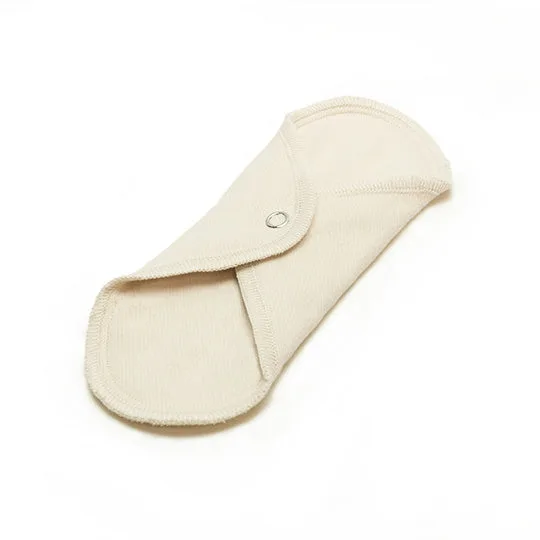
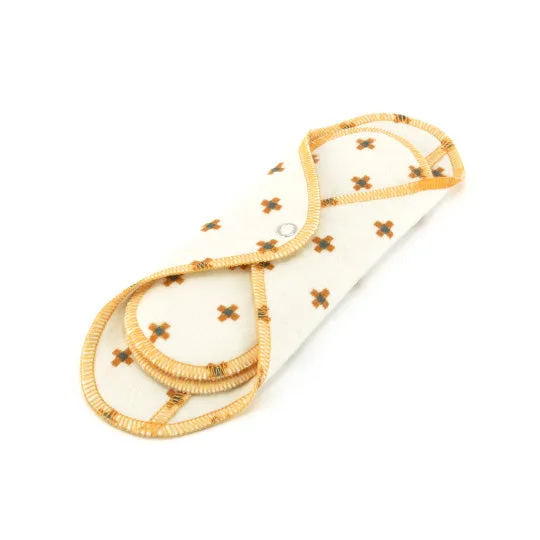
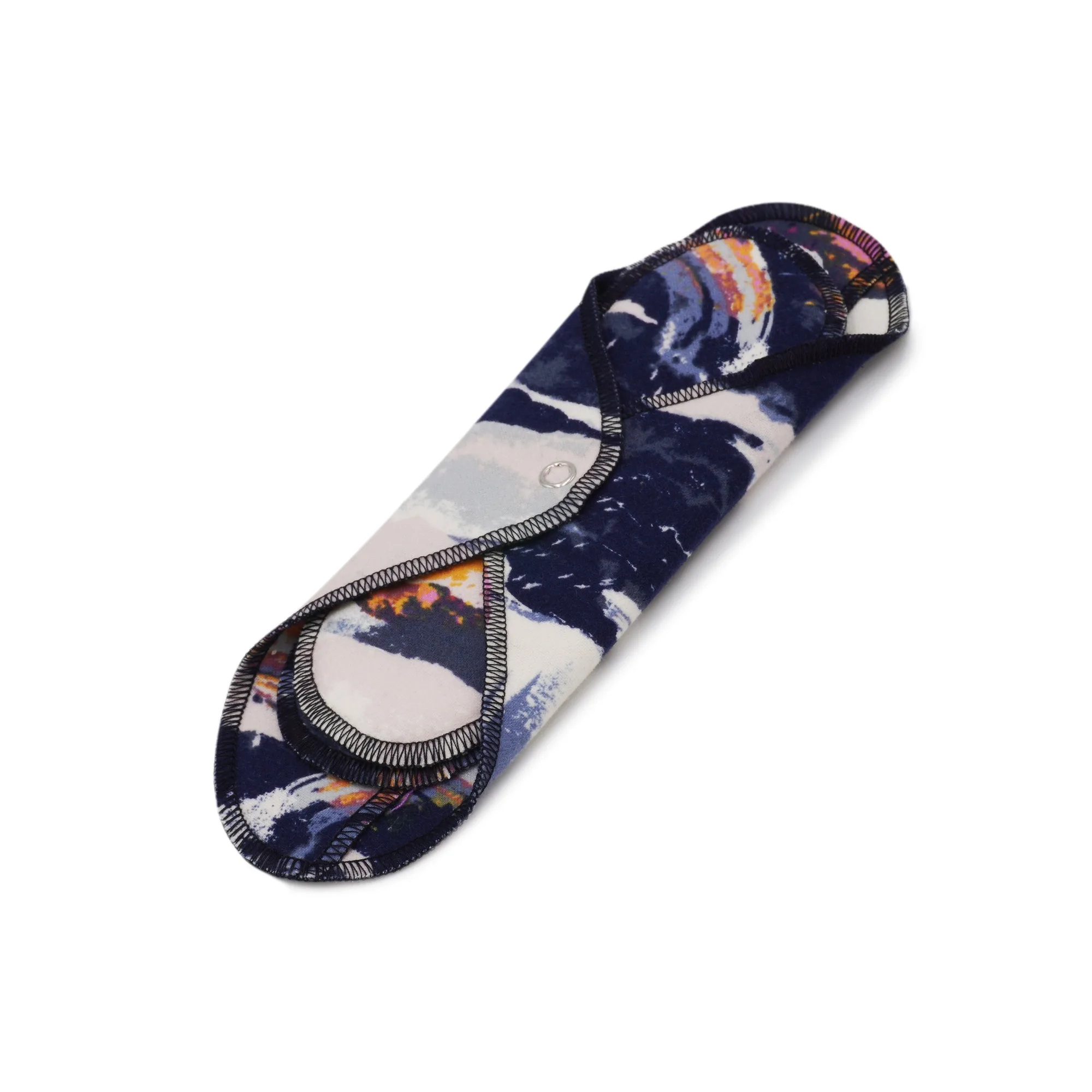
- Bulk Day Pad: Bulk Day Pad includes one holder and two inserts, made from 100% cotton and free from PFAS, plastics, and synthetic materials. Because it's all cotton with no synthetic layers, it responds well to the cold-rinse, mild-detergent routine and can handle occasional oxygen-bleach treatments for stains.
Day Pad
- Just the Holder - Organic Day Holder: Just the Holder - Organic Day Holder is approximately 9 inches long and 2.75 inches wide when snapped, and can be used with up to three inserts or worn alone as an ultra-thin pantyliner. If you already have inserts, replacing just the holder is a cheaper way to refresh a worn stash. The holder is the part that takes the most wear from snapping and washing.
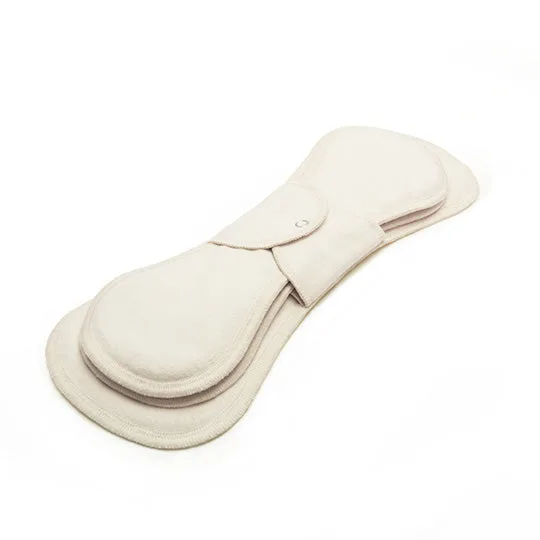
- Night Pad: Night Pad is 14 inches long with a flared, tapered design and includes one holder and two inserts, with full absorbency equivalent to a standard overnight maxi pad. The longer shape and extra layers mean it holds more liquid, so it benefits from a pre-rinse and a slightly longer wash cycle than a day pad to avoid lingering odor.