Quick answer
Coconut palm sugar substitutes 1:1 for white sugar by volume in most recipes, so you can swap it without recalculating. Expect a warmer, caramel-like flavor, faster browning, and a coarser texture. It is not a low-calorie food, but it is a low-glycemic option compared with cane sugar, which matters if you are managing blood sugar.
Taste and texture: what actually changes in the bowl
White sugar is neutral and predictable. It dissolves cleanly, lets vanilla and cacao lead, and keeps cakes pale. Coconut palm sugar is made from the sweet nectar of coconut tree flower blossoms, so it carries a toasted, caramel-molasses note that can read as deeper or heavier in delicate recipes. In a vanilla cake, that flavor is noticeable; in a spiced or chocolate bake, it usually blends in.
Texture is the other practical difference. Coconut palm sugar is often coarser and slightly damp, so it may not cream into butter as smoothly as white sugar. If a recipe depends on a fine, even crumb, give the sugar a quick whiz in a blender or food processor, or cream it a little longer and scrape the bowl down.
The swap ratio and the moisture question
For most cookies, quick breads, muffins, and sauces, replace white sugar with coconut palm sugar 1:1 by volume. That is the simplest coconut sugar substitute ratio and the reason the swap is so approachable. Because coconut palm sugar retains a bit more moisture, batters can look wetter and baked goods can stay softer for longer.
Two adjustments prevent common failures. First, watch browning: coconut palm sugar darkens faster, so check baked goods 5 to 10 minutes early and tent with foil if the top is getting too dark. Second, if a recipe is already very moist, such as banana bread or a custardy dessert, consider pulling back liquid by about a tablespoon per cup of sugar. If the batter looks dry, add liquid a teaspoon at a time.
Glycemic impact and the health question
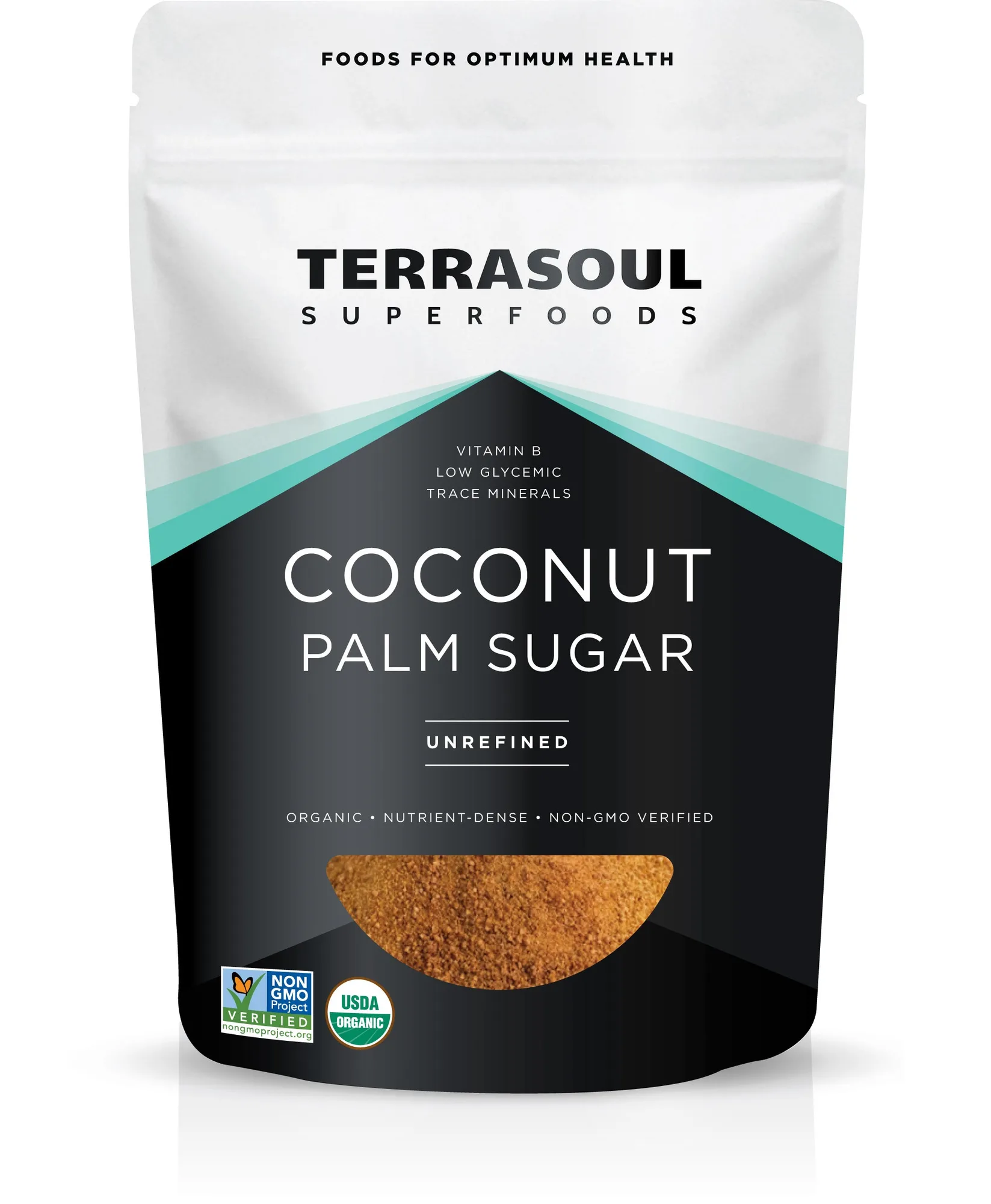
Coconut palm sugar is a pure low-glycemic substitute for cane sugar, stevia, and agave syrup, according to Terrasoul's catalog facts. That is the main reason people reach for it. Low glycemic does not mean calorie-free or carb-free, so it still counts toward total sugar intake. If you are managing blood sugar, treat it as a swap rather than a free pass, and check with your healthcare provider about how it fits your plan.
If your goal is simply less sweetness or fewer carbs, stevia or a monk fruit blend may be a better fit. If your goal is a one-for-one pantry swap with a deeper flavor, coconut palm sugar is the more straightforward choice.
Trade-offs to weigh before you swap
- Flavor: neutral vs caramel: White sugar disappears into a recipe; coconut palm sugar adds a toasted, molasses-like note. In vanilla or citrus desserts, that flavor is the star. In a delicate sponge, it can compete. Use coconut palm sugar where caramel, spice, or chocolate is welcome.
- Browning: predictable vs fast: Coconut palm sugar browns faster than white sugar, so cookies can go from golden to dark quickly. Start checking early and tent with foil if needed. Set a timer 5 to 10 minutes shorter than the recipe says.
- Cost: budget vs premium: Coconut palm sugar typically costs more per pound than white sugar. The catalog comparison price for Terrasoul's 1 lb bag is $4.61 versus a regular price of $6.99, so buying in the larger size lowers the cost per use. If you bake often, the larger bag is the better value.
Product facts that shape the swap
- Coconut Palm Sugar: Coconut Palm Sugar is 100% organic, vegan, gluten-free, and sustainably grown by small farmer cooperatives. It fits vegan, gluten-free, and organic baking without a separate specialty purchase.
- Coconut Palm Sugar: It is made from the sweet nectar of the coconut tree flower blossoms and is described as a pure low-glycemic substitute for cane sugar, stevia, and agave syrup. That is the core reason to swap it in: a 1:1 replacement with a lower glycemic profile than white sugar.
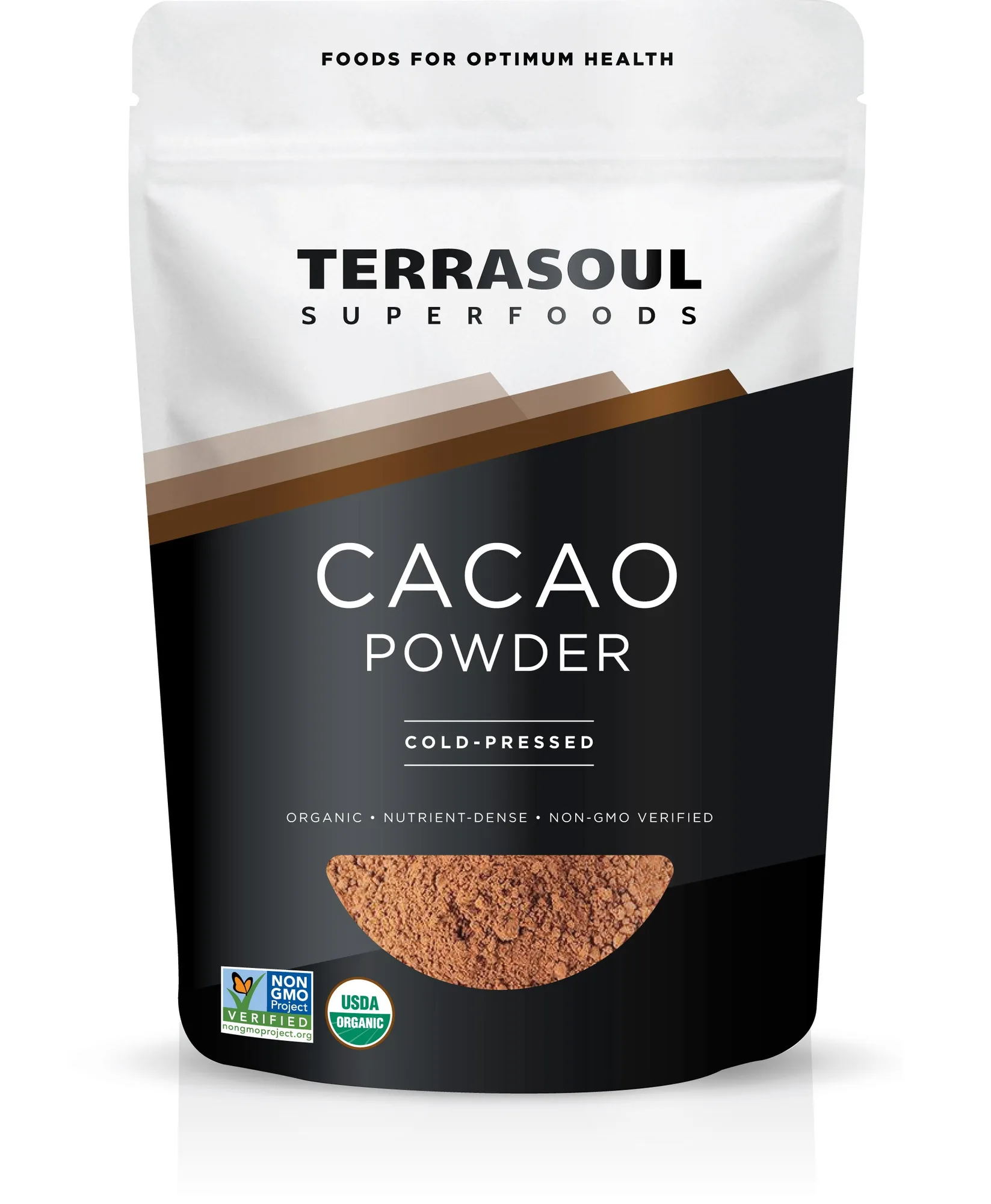
- Cacao Powder: Cacao Powder is certified organic, kosher, Non-GMO Project verified, fermented, and naturally gluten-free. Cacao's bitterness balances coconut palm sugar's caramel note, so the two work well together in brownies, cakes, and hot drinks.
Who should make the swap
Best for
- Bakers who want a 1:1 pantry swap with a deeper caramel flavor
- Shoppers looking for a low-glycemic alternative to cane sugar
- Vegan and gluten-free bakers who want one organic bag that fits multiple recipes
Not for
- Recipes where a pure white color and neutral flavor are essential, such as angel food cake or delicate meringues
- Anyone who needs a calorie-free or carb-free sweetener
- Bakers who want the lowest possible cost per cup