Quick Answer
If you want a long-lasting, skin-friendly option that works with most toys, choose a hybrid lubricant; if you prefer a natural, nourishing feel and don't use silicone toys, coconut oil-based lube is a great fit.
Why formula matters
The main difference between these two lubricants comes down to the base ingredients. A hybrid lube blends silicone and water, while a coconut oil-based lube uses organic coconut oil as its foundation. That difference affects how long the lube lasts, how it feels, and what you can use it with.
If you're prone to dryness or need extra moisture, both formulas can help, but they work in slightly different ways. Knowing your priorities—whether that's longevity, natural ingredients, or toy compatibility—will point you to the right choice.
Longevity and reapplication
Hybrid lubes typically last longer than water-based ones because the silicone component slows evaporation. This means fewer interruptions during intimacy. Coconut oil-based lubes also provide lasting slickness, but they can be absorbed by the skin over time, so you may need to reapply more often.
If you're looking for a 'long lasting lubricant comparison,' consider how much reapplication you're willing to do. Hybrid lubes are often the more convenient choice for extended sessions.
Skin sensitivity and ingredients
Both formulas are free of parabens and fragrances, which is good news for sensitive skin. However, coconut oil is a natural emollient that can be especially soothing, while hybrid lubes often include hyaluronic acid to help retain moisture.
If you have a known sensitivity to silicones, a coconut oil-based lube might feel more comfortable. On the other hand, if you prefer a product that closely mimics your body's natural lubrication, a hybrid formula could be the better match.
Toy and condom compatibility
Here's a key trade-off: silicone-based lubricants can degrade silicone toys. Hybrid lubes contain silicone, so they may not be safe for all silicone toys. Coconut oil-based lubes are generally safe with toys, but they are not compatible with latex condoms—oil can weaken latex.
If you use condoms regularly, a hybrid water-based silicone blend is the safer choice. If condoms aren't part of your routine and you love your silicone toys, coconut oil lube could be your go-to.
Coconut vs. Hybrid: The Trade-offs
- Longevity: Hybrid lubes last longer because silicone slows evaporation. Coconut oil lube may require more frequent reapplication. If you hate interruptions, lean hybrid.
- Skin feel: Coconut oil feels naturally nourishing and silky; hybrid mimics your body's own moisture more closely. Choose based on whether you want a plant-oil feel or a body-like feel.
- Toy safety: Hybrid lubes are not safe for silicone toys. Coconut oil lube is toy-safe but not compatible with latex condoms. Check your toys and condom type before deciding.
Product facts at a glance
-
Hybrid Silicone & Water Based Personal Lubricant Products: Blended silicone and water-based formula with hyaluronic acid; paraben and fragrance-free. This hybrid formula offers longer-lasting slickness while still being gentle on sensitive skin and safe with latex condoms.
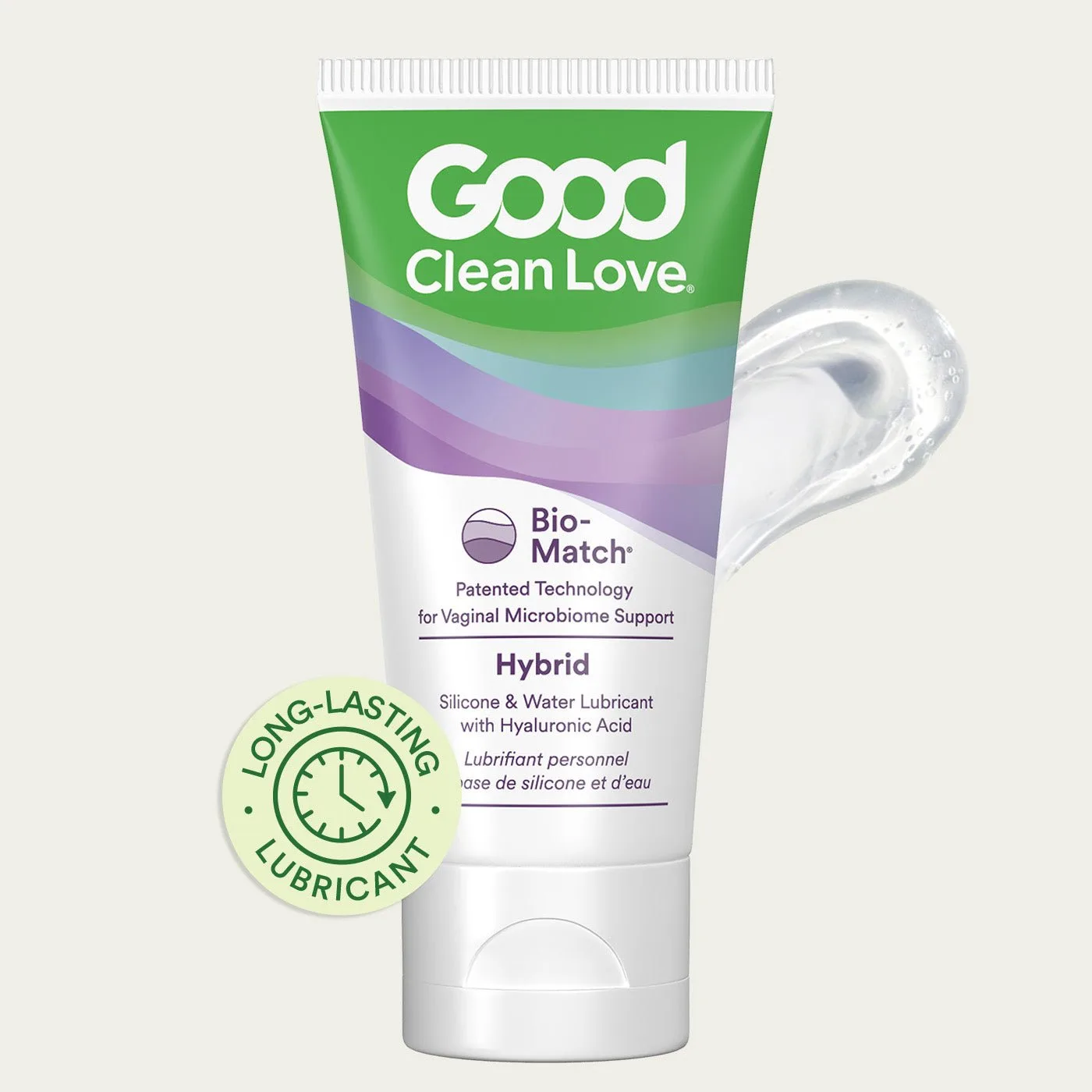
Hybrid Silicone & Water Based Personal Lubricant Products
-
Naked Coconut™ Lubricant: Water and organic coconut oil-based lubricant enriched with hyaluronic acid; pH-balanced and gynecologist-recommended. The organic coconut oil provides natural nourishment and a silky feel, ideal for those who prefer plant-based ingredients and don't need silicone-based longevity.
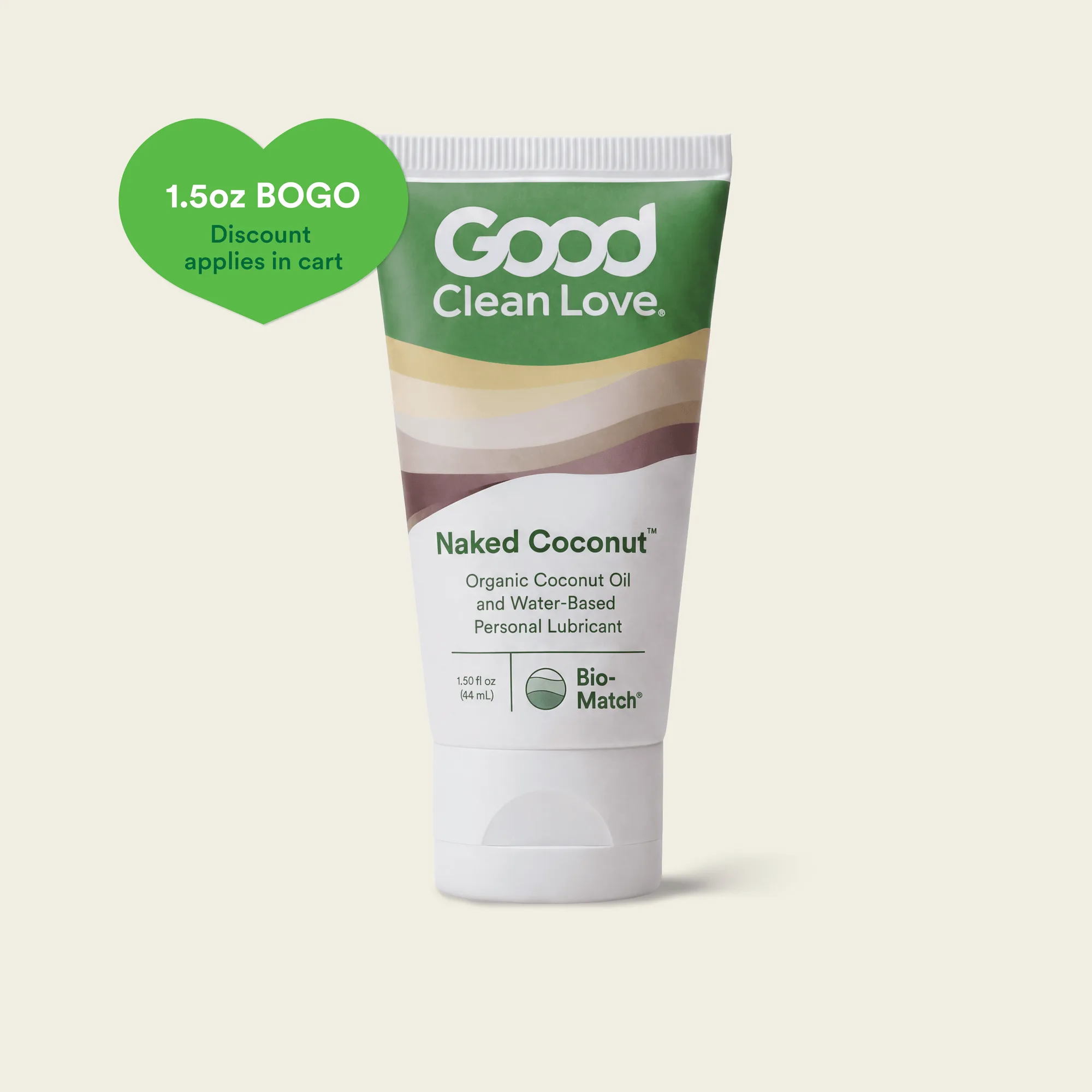
Naked Coconut™ Lubricant
Which one fits you?
Best for
- People who want a long-lasting, condom-safe lubricant with a body-like feel.
- Those who use non-silicone toys and prefer a hybrid formula that won't dry out quickly.
Not for
- Coconut oil lube is not for you if you rely on latex condoms or prefer a silicone-based longevity.
- Hybrid lube is not for you if you use silicone toys or have a known silicone sensitivity.