Quick answer
Choose a drip machine if you brew 4 or more cups at once and want to fill a carafe and walk away. Choose a pod or single-serve machine if you usually drink one cup and value speed over cost per cup. Choose pour-over if you enjoy a manual routine, want the freshest flavor, and have 4 to 5 minutes to stand at the counter. No single type wins every kitchen.
Match capacity to your real daily cups
Count how many cups you actually drink on a normal weekday, then add one for guests. A 12-cup drip machine is wasteful if you brew two cups and dump the rest, and a single-serve pod machine becomes slow if three people each want a mug at 7 a.m.
Use this rule: if your household drinks 4 or more cups within 30 minutes, a drip machine with a thermal carafe keeps the batch hot without a hot plate. If you drink 1 to 2 cups, a single-serve machine or pour-over avoids stale leftovers. If your needs swing between 1 and 8 cups, a drip machine with a small-batch setting plus a pour-over cone covers both ends.
Drip vs pod coffee maker: speed, cost, and counter footprint
Drip machines win on batch speed and low cost per cup because you buy ground coffee in bulk. They lose on cleanup: you still rinse the carafe, and some models need a paper filter change each brew. Pod machines win on speed and zero measuring, but pods cost more per cup and create packaging waste. Pod machines also take up similar counter space to a small drip maker, so do not assume they save room.
If you hate measuring scoops, pods remove that friction. If you hate buying pods, drip removes that cost. Neither type is objectively better; the trade-off is convenience versus ongoing expense.
Pour over vs drip coffee: flavor control and effort
Pour-over gives you control over water temperature, pour speed, and bloom time, which can produce a cleaner, brighter cup. That control costs you 4 to 5 minutes of active attention per brew. Drip machines automate the same steps but usually with less precision, so the flavor is consistent rather than adjustable.
If you want to taste different beans and adjust one variable at a time, pour-over is the better learning tool. If you want coffee while you make breakfast, drip is the better daily tool. A gooseneck kettle is not optional for pour-over; a standard kettle pours too fast for even extraction.
Cleaning basics that decide long-term satisfaction
Every type needs a rinse after each use and a deeper clean on a schedule. For drip machines, remove the filter basket and wash the carafe daily, then run a vinegar or descaling solution monthly if your water is hard. For pod machines, rinse the pod holder and wipe the piercing needle weekly; scale builds up in the internal water path and slows brewing. For pour-over, rinse the cone immediately so oils do not dry on the ridges, and wash the carafe with hot soapy water.
The cleaning task you will actually do is the one that fits your routine. If you know you will not descale monthly, choose a machine with a visible water tank and easy-access parts, or accept that flavor will drift over time.
Decision rules for choosing your coffee maker
- Rule 1: Brew volume per session: If you brew 4 or more cups at once, pick a drip machine with a thermal carafe. If you brew 1 to 2 cups, pick a pod or single-serve machine. If you brew 1 cup but want manual control, pick pour-over. Write down your typical weekday cup count before you shop.
- Rule 2: Counter space and storage: Measure the footprint you can spare. Drip machines with carafes need height for the carafe plus clearance to pour. Pod machines need space for the machine and a pod drawer or bowl. Pour-over needs a cone, a carafe, and a gooseneck kettle. If you have under 6 inches of depth, pour-over stores easiest.
- Rule 3: Cleaning tolerance: If you will not descale monthly, avoid machines with narrow internal water paths that are hard to access. Choose a drip machine with a removable tank or a pour-over cone you can rinse in seconds. Pick the type whose cleaning you will actually do.
- Rule 4: Cost per cup versus upfront price: Pods cost more per cup than bulk grounds. Drip and pour-over have lower ongoing costs but require buying filters and, for pour-over, a kettle. Factor in 6 months of pods versus 6 months of grounds before deciding. If you drink 2 cups daily, pod costs add up faster than the machine price difference.
Products that fit specific buying decisions
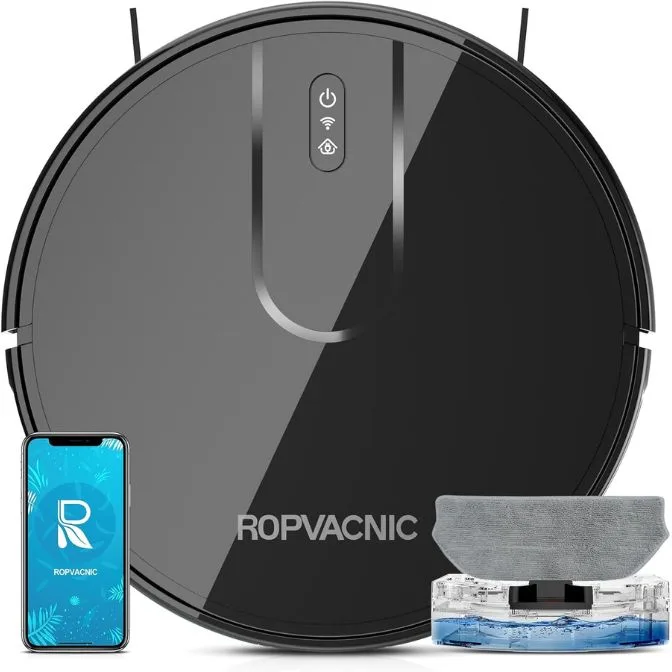
- Robot Vacuum Cleaner Robot Vacuum and Mop Combo with 4000Pa Suction, Personalized Cleaning Adjustments, Self-Charging Robotic Vacuum Cleaner, Advanced Obstacle Avoidance: Robot Vacuum and Mop Combo with 4000Pa Suction, personalized cleaning adjustments, self-charging, and advanced obstacle avoidance. If you keep coffee gear on the floor or have a busy kitchen, a robot vacuum with obstacle avoidance can clean around cords and crumbs without you moving the machine.
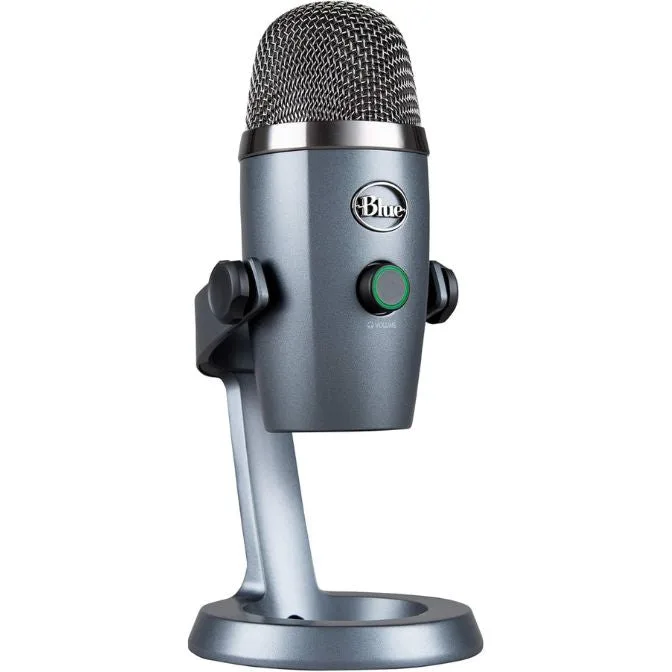
- Logitech for Creators Blue Yeti Nano USB Microphone for Gaming, Streaming, Podcasting,Twitch, YouTube, Discord, Recording for PC and Mac, Plug & Play - Shadow Grey: Logitech for Creators Blue Yeti Nano USB Microphone, plug-and-play for PC and Mac, with no-latency headphone output and mic mute. For coffee review videos or podcast taste tests, this USB mic records clear audio without an interface, so you can focus on brewing rather than setup.
Who should buy which type
Best for
- Households brewing 4 or more cups at once: drip machine with thermal carafe
- One-cup drinkers who want speed and no measuring: pod or single-serve machine
- Manual-control enthusiasts who enjoy a 5-minute routine: pour-over cone and gooseneck kettle
- Small kitchens with limited depth: pour-over setup that stores in a cabinet
Not for
- People who want zero cleanup: no type is maintenance-free; pod machines still need weekly rinsing
- Large households on a tight ongoing budget: pod machines cost more per cup than drip
- Anyone unwilling to buy a gooseneck kettle: pour-over results will be uneven