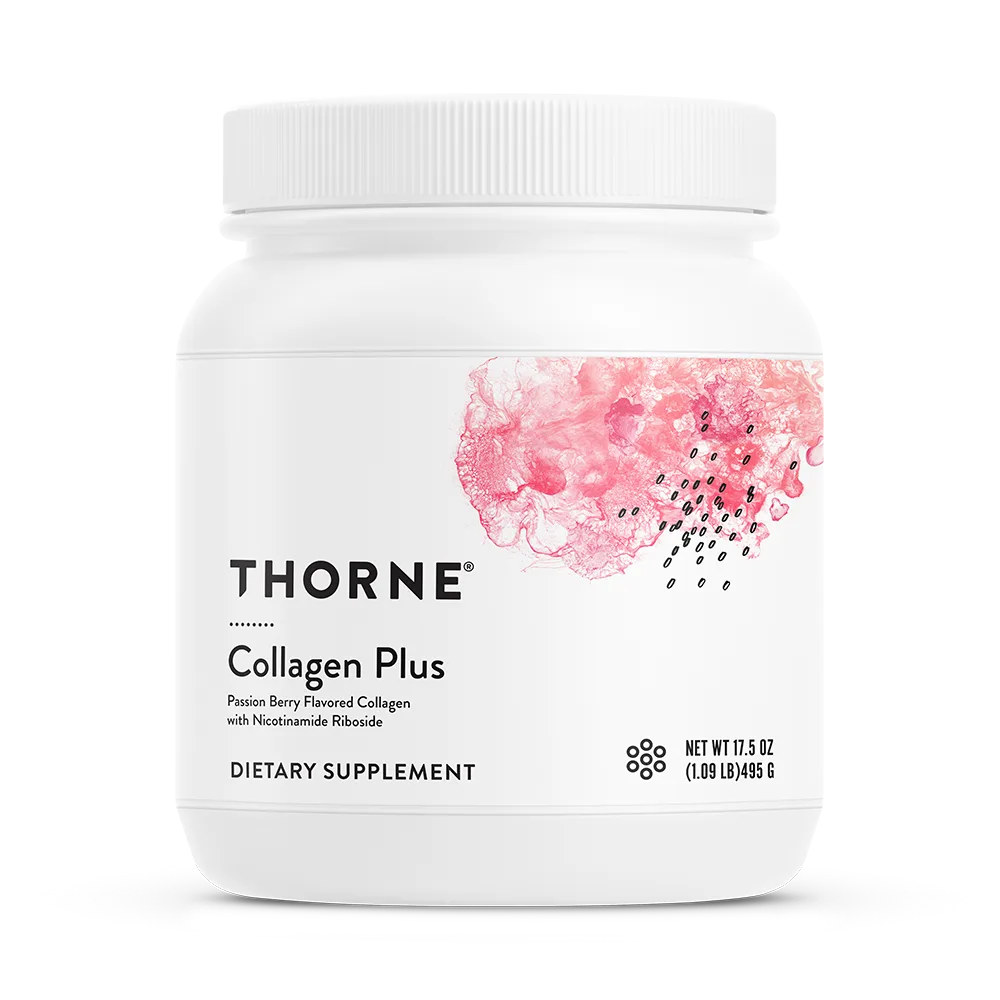
Quick answer
If your main goal is skin elasticity, joint comfort, or muscle recovery, start with collagen. If you struggle with bloating, irregular digestion, or want to strengthen immunity, prioritize probiotics. Many people eventually layer both, but your first choice should match your most pressing concern.
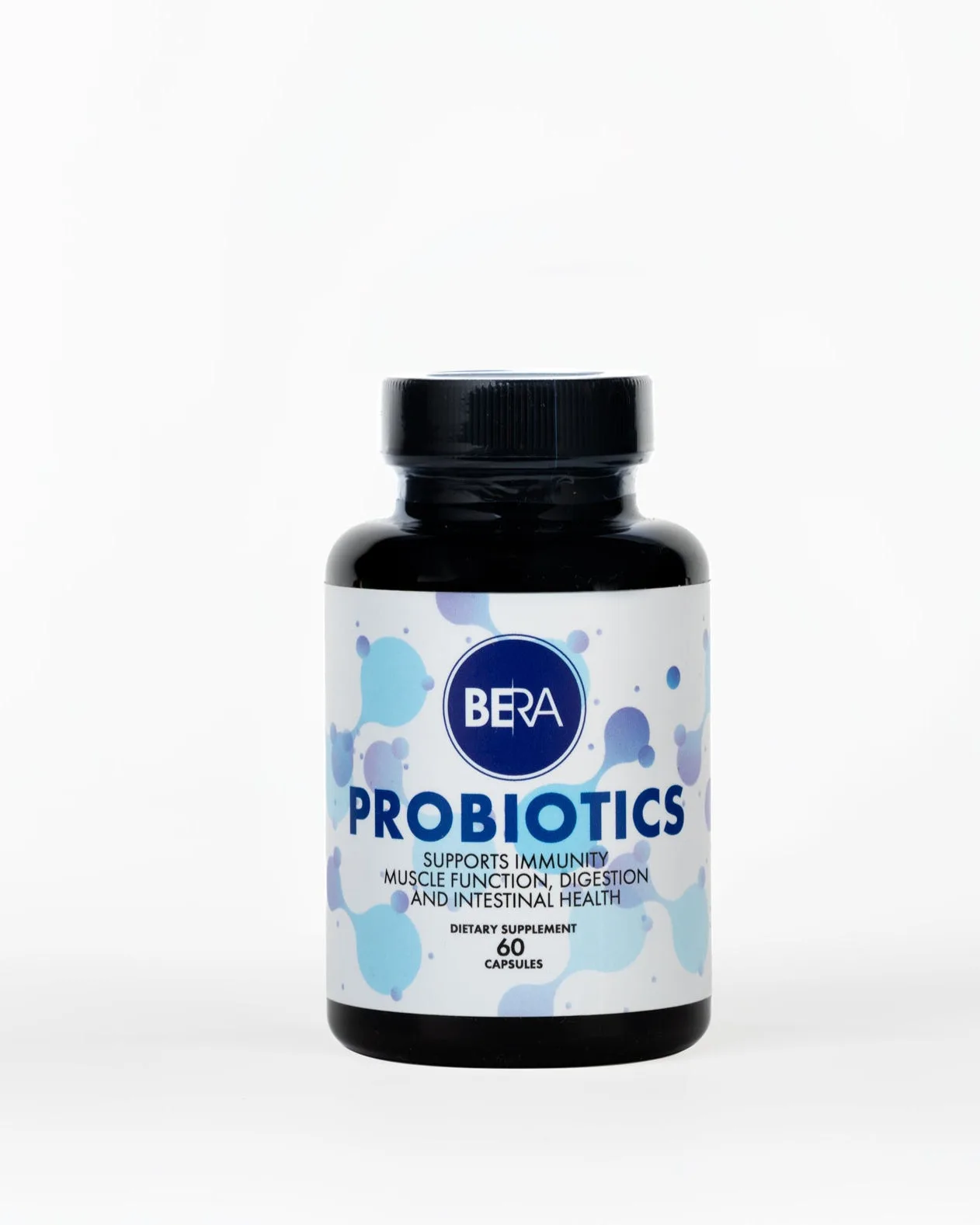
probiotics
What collagen does that probiotics don't
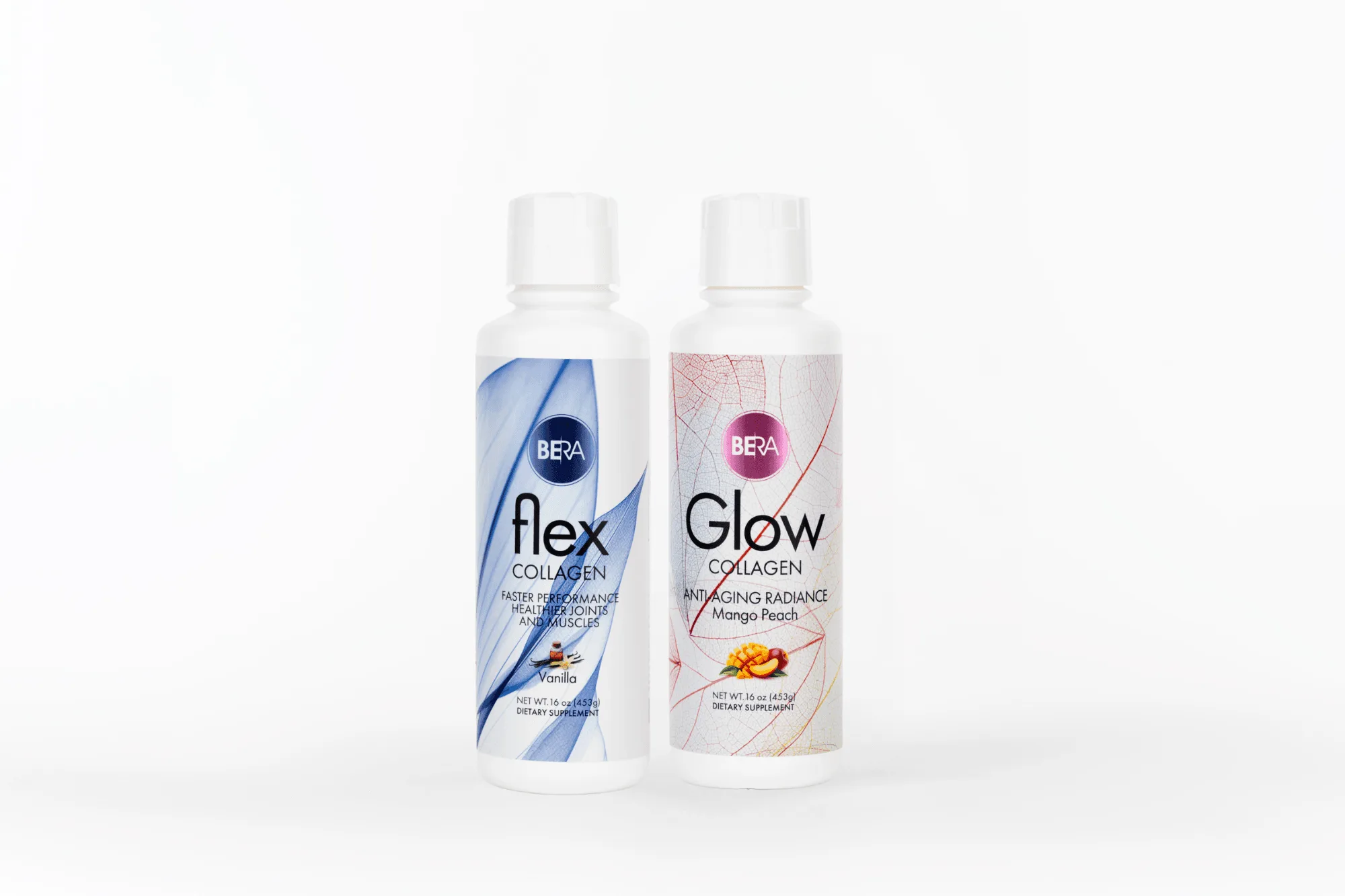
Collagen supplements deliver hydrolyzed collagen peptides, which provide the amino acids your body uses to rebuild connective tissue, skin structure, and joint cartilage. BERA's GLOW Collagen, for example, is formulated with beauty-boosting nutrients to support radiant skin, strong hair, and healthy nails. FLEX Collagen adds MSM and Boswellia to target inflammation and flexibility. Probiotics do not supply these structural building blocks.
What probiotics do that collagen doesn't
Probiotics introduce live beneficial bacteria that help balance your gut microbiome, improve digestion, and support immune function. BERA's Probiotics Bulk Kits combine clinically backed probiotics with digestive enzymes and prebiotics to enhance digestion and boost immunity. Collagen has no direct effect on gut flora or immune modulation.
Can you take both together?
Yes, and many people do. Collagen and probiotics work through different mechanisms and do not compete for absorption. A common approach is to take probiotics first thing in the morning on an empty stomach, then collagen later with food or in a smoothie. If your budget or routine only allows one supplement right now, pick the one that addresses your primary symptom.
Collagen vs. Probiotics: The Trade-Offs
- Speed of noticeable results: Collagen often shows skin and joint changes within 4–8 weeks. Probiotics may relieve bloating or irregularity in 1–2 weeks, but gut microbiome shifts take longer to stabilize. If you want faster relief from digestive discomfort, probiotics may win on timing.
- Target area: Collagen focuses on skin, hair, nails, joints, and connective tissue. Probiotics target the gut, digestion, and immune response. One does not replace the other. Your primary symptom dictates the better starting point.
- Routine simplicity: Collagen powders mix into drinks or food and are easy to add to an existing routine. Probiotics often require refrigeration and consistent timing for best survival through the stomach. If convenience matters, collagen is more flexible.
Products at a glance
- Collagen Duo: FLEX + GLOW: BERA Collagen Duo: FLEX + GLOW combines joint and muscle support (FLEX with medical-grade hydrolyzed collagen, MSM, and Boswellia) with anti-aging beauty support (GLOW with Mango Peach flavor). If you want both joint mobility and skin radiance from one purchase, this duo covers two collagen goals without buying separate tubs.
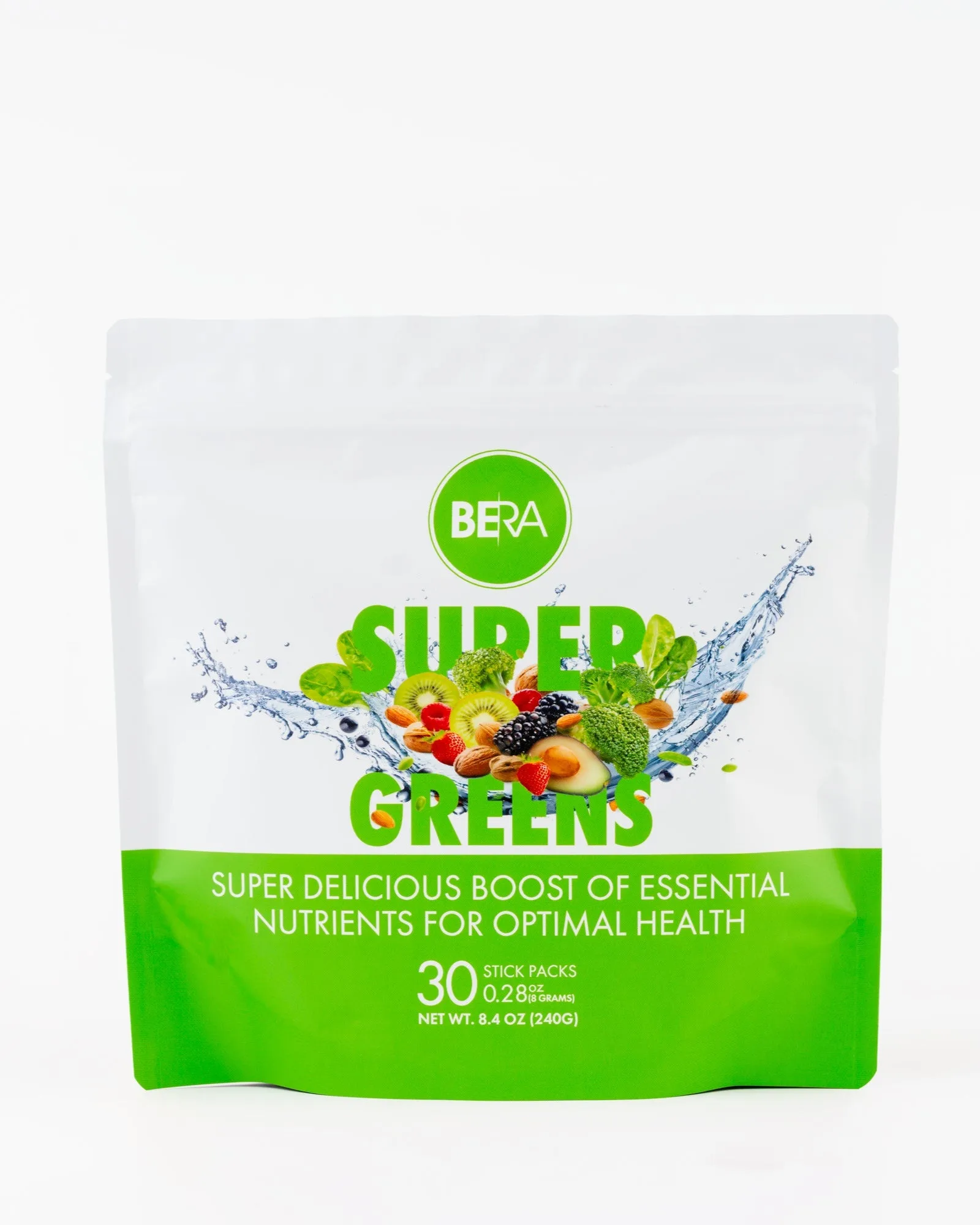
- SuperGreens: SuperGreens is a refreshing superfood blend packed with greens, antioxidants, and digestive support to fuel your body from the inside out. While not a probiotic, SuperGreens offers digestive support through greens and antioxidants—a useful middle ground if you want gut-friendly nutrients without live cultures.
Which one fits you?
Best for
- Anyone whose top concern is skin firmness, joint pain, or post-workout recovery
- People who want a simple, mixable supplement that pairs well with coffee, smoothies, or food
Not ideal for
- Those dealing with chronic bloating, irregular digestion, or frequent illness (probiotics would address the root cause better)
- Anyone who prefers capsules or shelf-stable formats without mixing