When it comes to outfitting your dog, the collar vs harness debate is one of the most common dilemmas pet parents face. Both have their merits, and the right choice often depends on your dog's size, temperament, and lifestyle. Julius-K9 offers a range of both collars and harnesses, each designed with specific purposes in mind, from everyday walks to professional training.
In this guide, we'll break down the differences between Julius-K9 collars and harnesses, helping you understand the pros and cons of each. We'll also look at how factors like your dog's breed, behavior, and the activities you enjoy together can influence your decision. By the end, you'll be equipped to make an informed choice that keeps your furry friend comfortable, safe, and happy.
Understanding the Basics: Collars vs. Harnesses
A collar is the classic choice for everyday identification and leash attachment. It sits around your dog's neck, providing a simple and lightweight option for well-behaved dogs that don't pull. Collars are also essential for holding ID tags, and many dogs are accustomed to wearing them from a young age. However, collars can put pressure on the neck and trachea, especially if your dog tends to lunge or pull on the leash.
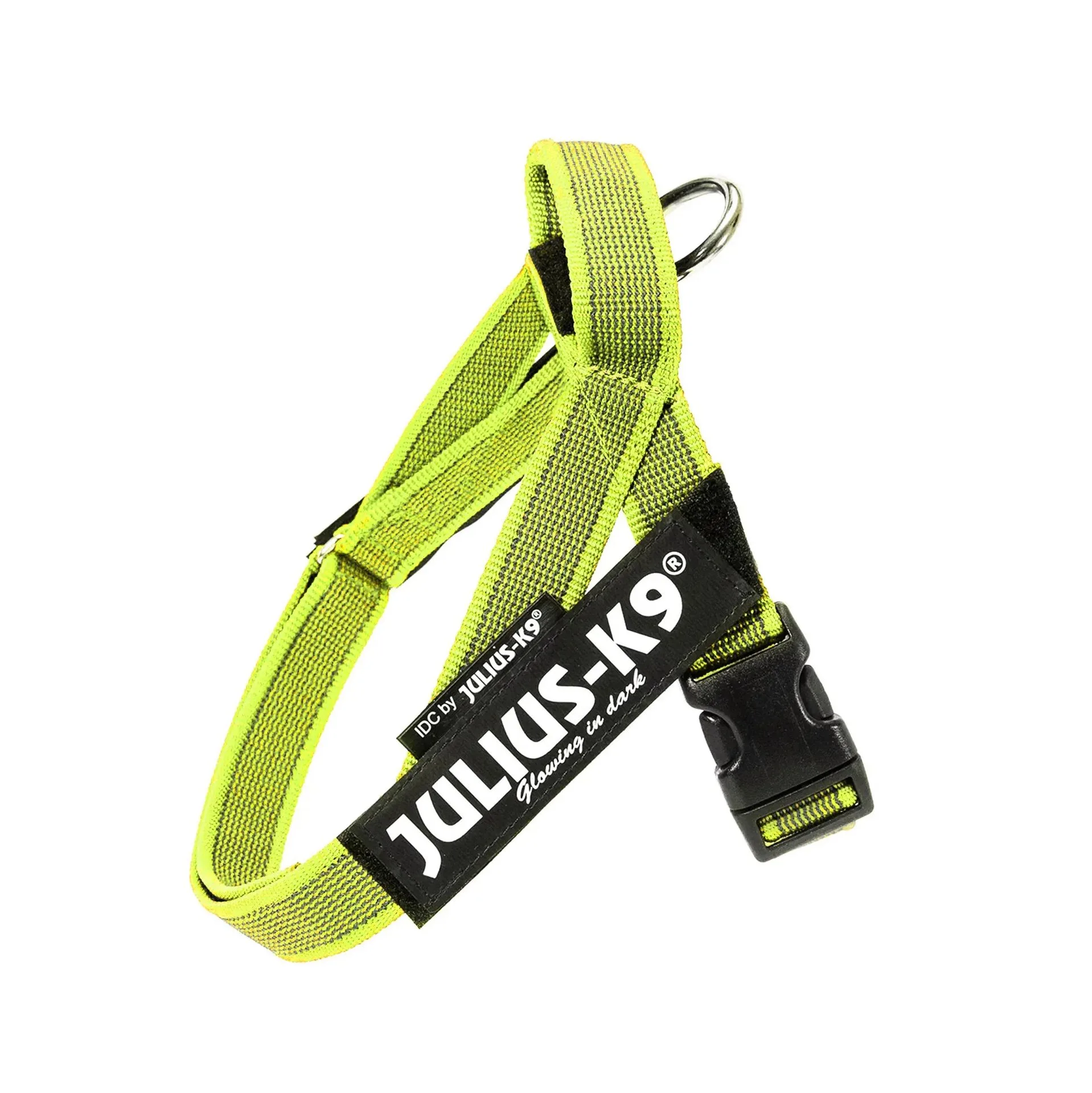
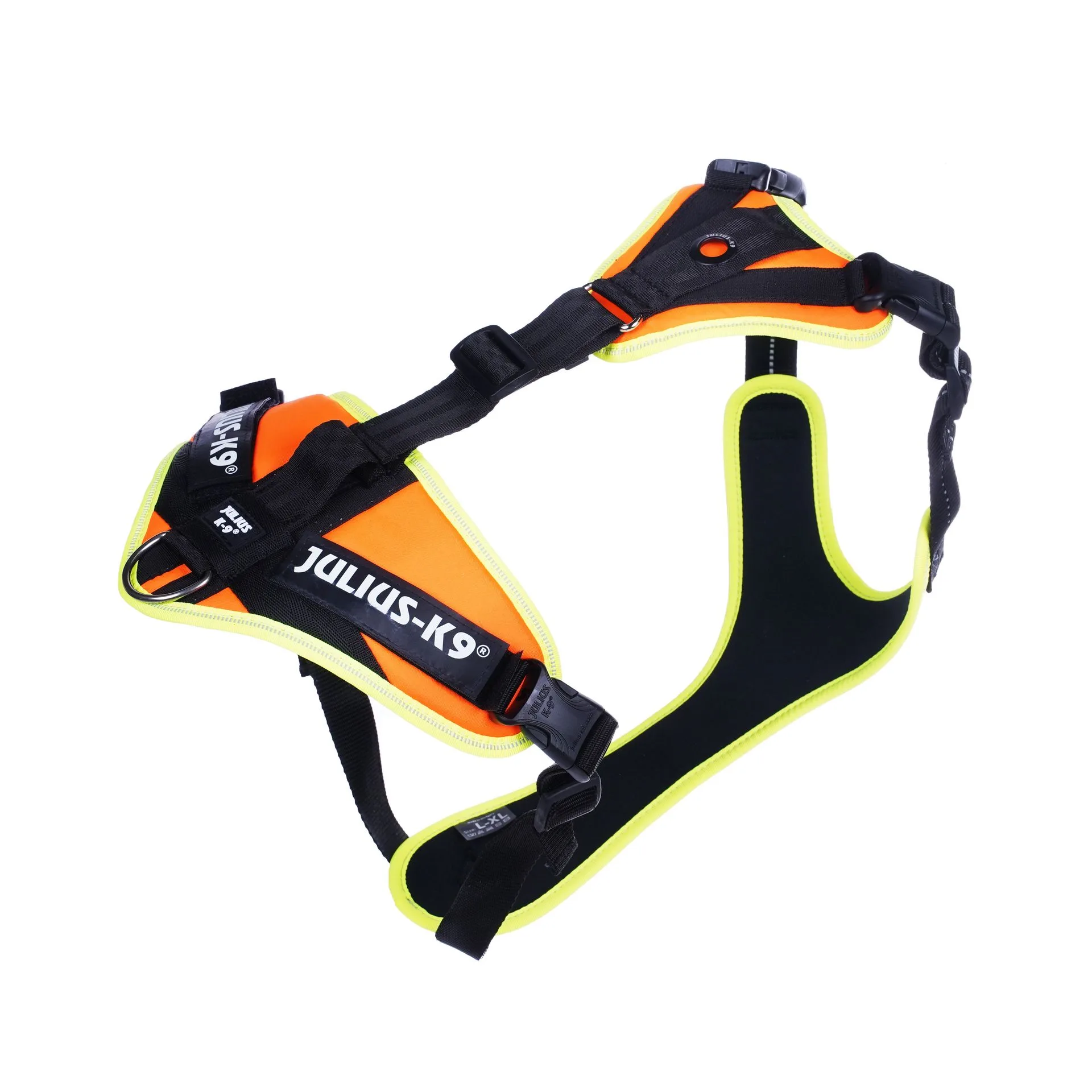
Harnesses, on the other hand, distribute pressure across the chest and back, reducing strain on the neck. This makes them an excellent choice for dogs with respiratory issues, small breeds prone to tracheal collapse, or strong pullers. Julius-K9 harnesses, like the Julius-K9® IDC® Powair harness, are designed with ergonomics in mind, offering both comfort and control. They also provide more points of attachment, which can be useful for training and specific activities.
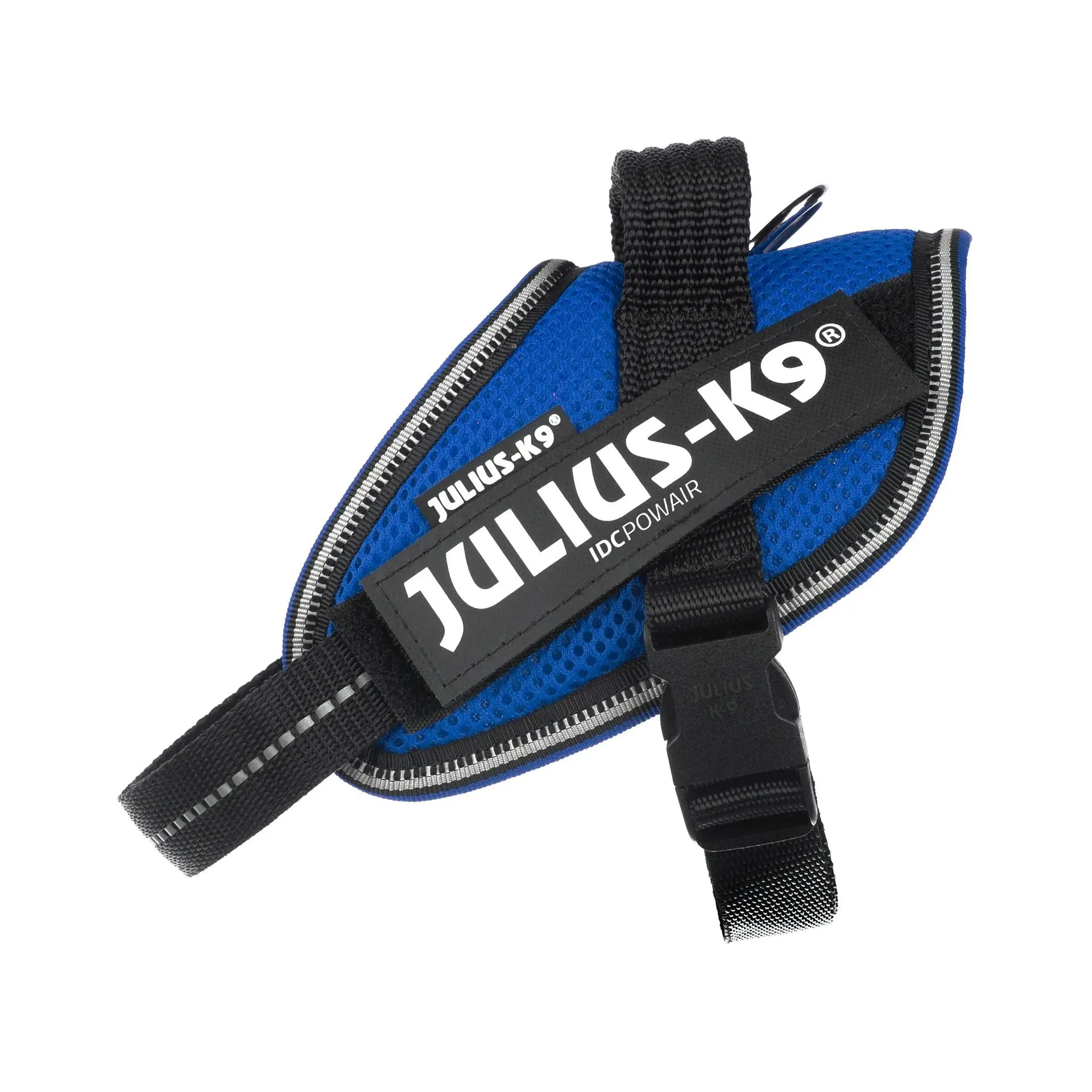
Julius-K9® IDC® Powair harness
- Collars are lightweight and simple, ideal for ID tags and everyday use.
- Harnesses reduce neck strain and offer better control for pullers or dogs with health issues.
Key Differences: Comfort, Control, and Safety
Comfort is a major factor when choosing between a collar and a harness. Collars can cause chafing or matting in long-haired breeds, and they may be uncomfortable for dogs that pull. Harnesses, especially those with padded chest plates like the Julius-K9® IDC® Powair harness, provide a more comfortable fit by spreading pressure evenly. This is particularly beneficial for dogs with sensitive necks or those prone to coughing.
Control is another critical aspect. For dogs that are well-trained and walk politely on a loose leash, a collar may offer sufficient control. However, for strong or reactive dogs, a harness gives you more leverage without risking injury. Julius-K9 harnesses often feature front and back attachment points, allowing you to choose the best configuration for your dog's needs. This versatility is a significant advantage over a standard collar.
- For dogs with tracheal issues or that pull, a harness is safer and more comfortable.
- Harnesses with multiple attachment points offer better control during training.
Training Considerations: Collar or Harness?
When it comes to training, the choice between a collar and a harness can impact your dog's learning. Collars are often used for basic obedience and leash correction, but they can inadvertently encourage pulling if used improperly. Harnesses, particularly no-pull varieties, can help discourage pulling by redirecting your dog's forward motion. For professional training, such as protection or agility, a harness like the Julius-K9® IDC® Powair harness provides a secure base for attaching training aids.
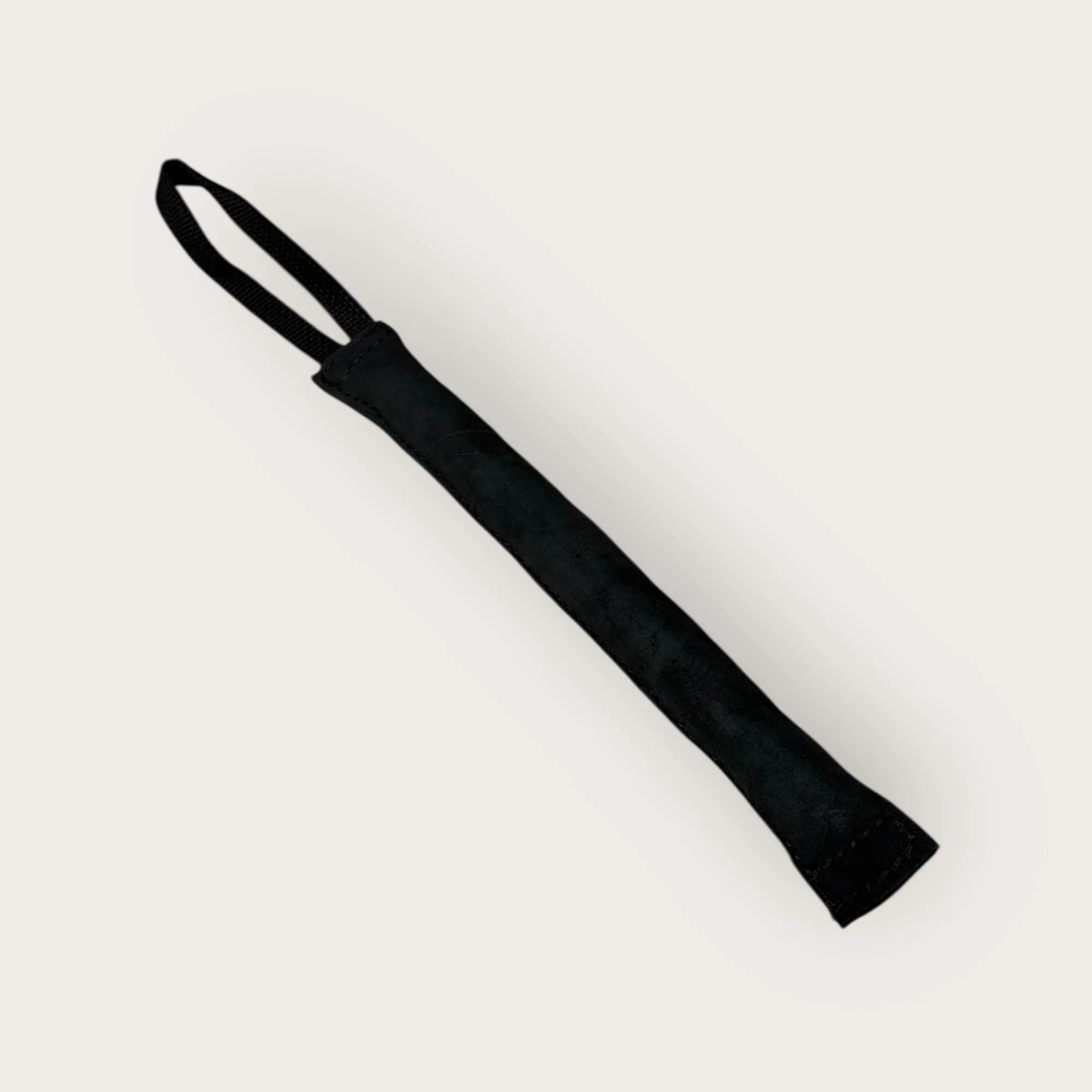
Julius-K9 also offers a range of training gear, including tugs and bite suits, which pair well with a sturdy harness. If you're engaged in activities like tug-of-war or bite work, a harness ensures that your dog's neck is protected while you maintain control. For everyday training, a collar may be sufficient for basic commands, but for more advanced work, a harness is often the preferred choice.
- For no-pull training, a harness is more effective than a collar.
- Advanced training activities often require the security of a harness.
Lifestyle and Activity: Matching Gear to Your Dog's Needs
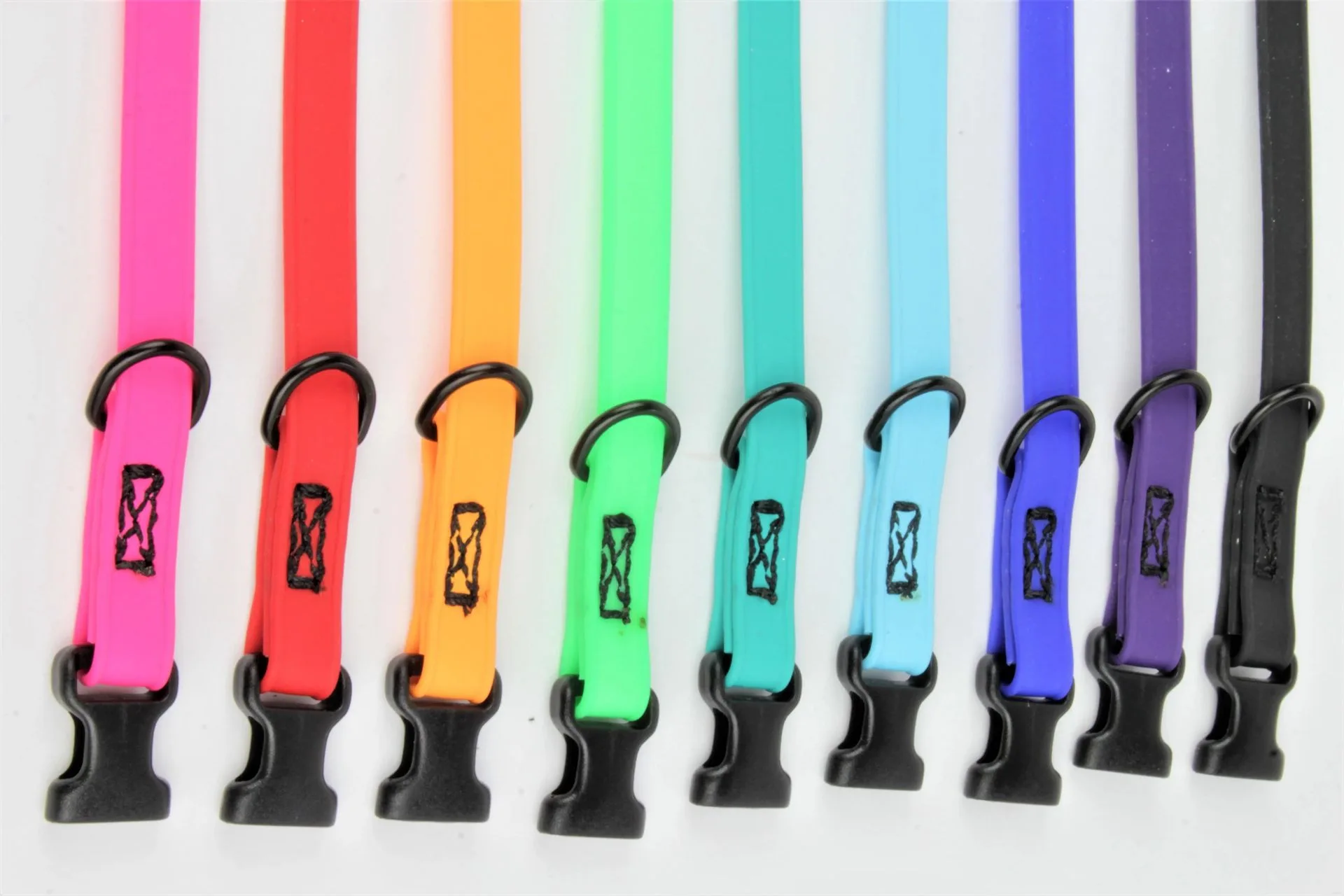
Your dog's lifestyle plays a significant role in deciding between a collar and a harness. If you have an active dog that loves hiking, running, or swimming, a harness is a practical choice. It stays secure during vigorous activity and allows you to attach accessories like a Jogging Leash for hands-free runs. For water-loving dogs, the Julius-K9® IDC® Powair harness is designed with breathable materials that dry quickly, making it ideal for summer adventures.
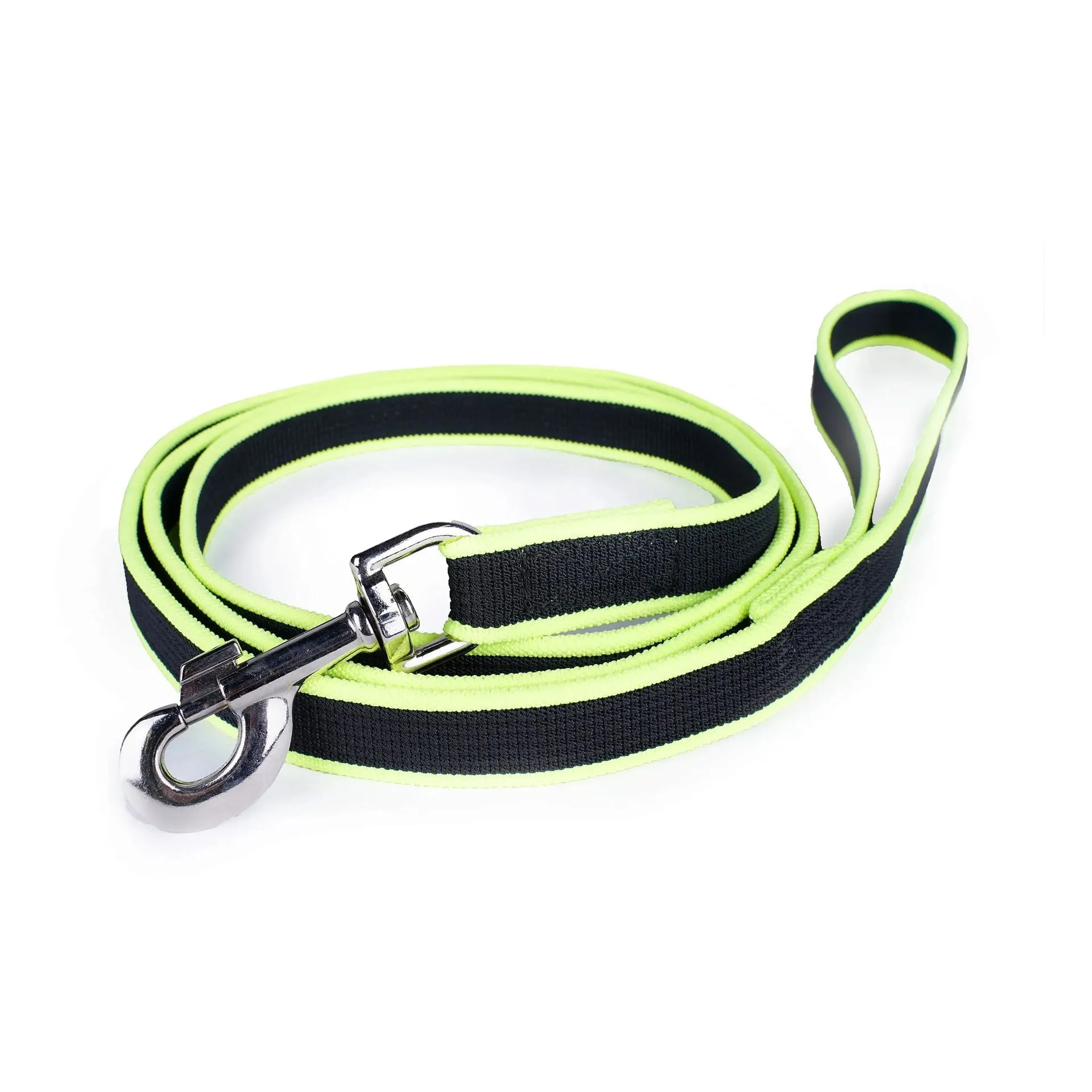
Jogging Leash
On the other hand, if your dog is a couch potato or only needs a collar for ID tags and short walks, a simple collar might be all you need. However, even for leisurely strolls, a harness can offer extra security, especially if your dog is prone to slipping out of a collar. Consider your daily routine and the environments you frequent to determine which option aligns best with your lifestyle.
- Active dogs benefit from a harness's security and attachment options.
- For water activities, choose a quick-drying harness like the IDC Powair.
Making the Right Choice: Factors to Consider
To summarize, here are key factors to weigh when choosing between a collar and a harness. First, assess your dog's health: if they have respiratory issues or a delicate neck, a harness is safer. Second, consider your dog's behavior: if they pull, lunge, or are reactive, a harness gives you better control. Third, think about your training goals: for advanced training or protection work, a harness is essential. Finally, evaluate your lifestyle: for active dogs, a harness offers more versatility.
It's also worth noting that you don't have to choose just one. Many pet parents use a collar for ID tags and a harness for walks and training. This combination ensures your dog is always identifiable while enjoying the comfort and control of a harness during activities. Julius-K9 offers a variety of options in both categories, allowing you to mix and match based on your needs.
- Health, behavior, training goals, and lifestyle are the four pillars of your decision.
- Using both a collar and a harness gives you maximum flexibility.
Ultimately, the choice between a Julius-K9 collar and harness comes down to your dog's individual needs. By considering factors like health, behavior, and your activities, you can select the gear that ensures comfort, safety, and control. Explore Julius-K9's range of harnesses, including the Julius-K9® IDC® Powair harness, to find the perfect fit for your furry companion.