Quick Answer
To combine Sew Kind of Wonderful patterns for a unique quilt, start by selecting patterns that share a similar scale or color palette, then mix blocks in a grid layout. Use the Quick Curve Ruler to maintain consistent curves, and don't be afraid to experiment with fabric placement. This approach lets you create a custom design that feels cohesive and personal.
Combining Sew Kind of Wonderful patterns opens up a world of creative possibilities. Instead of following a single pattern to the letter, you can mix blocks from different patterns to craft a quilt that's uniquely yours. Whether you're drawn to the classic Double Rings or the modern Chic & Jazzy, blending elements can yield stunning results.
In this guide, we'll walk through a practical process for combining patterns, from choosing compatible designs to arranging your blocks. You'll also learn how to leverage the Quick Curve Ruler for consistent curves and avoid common pitfalls along the way.
Choose Patterns with Complementary Scales
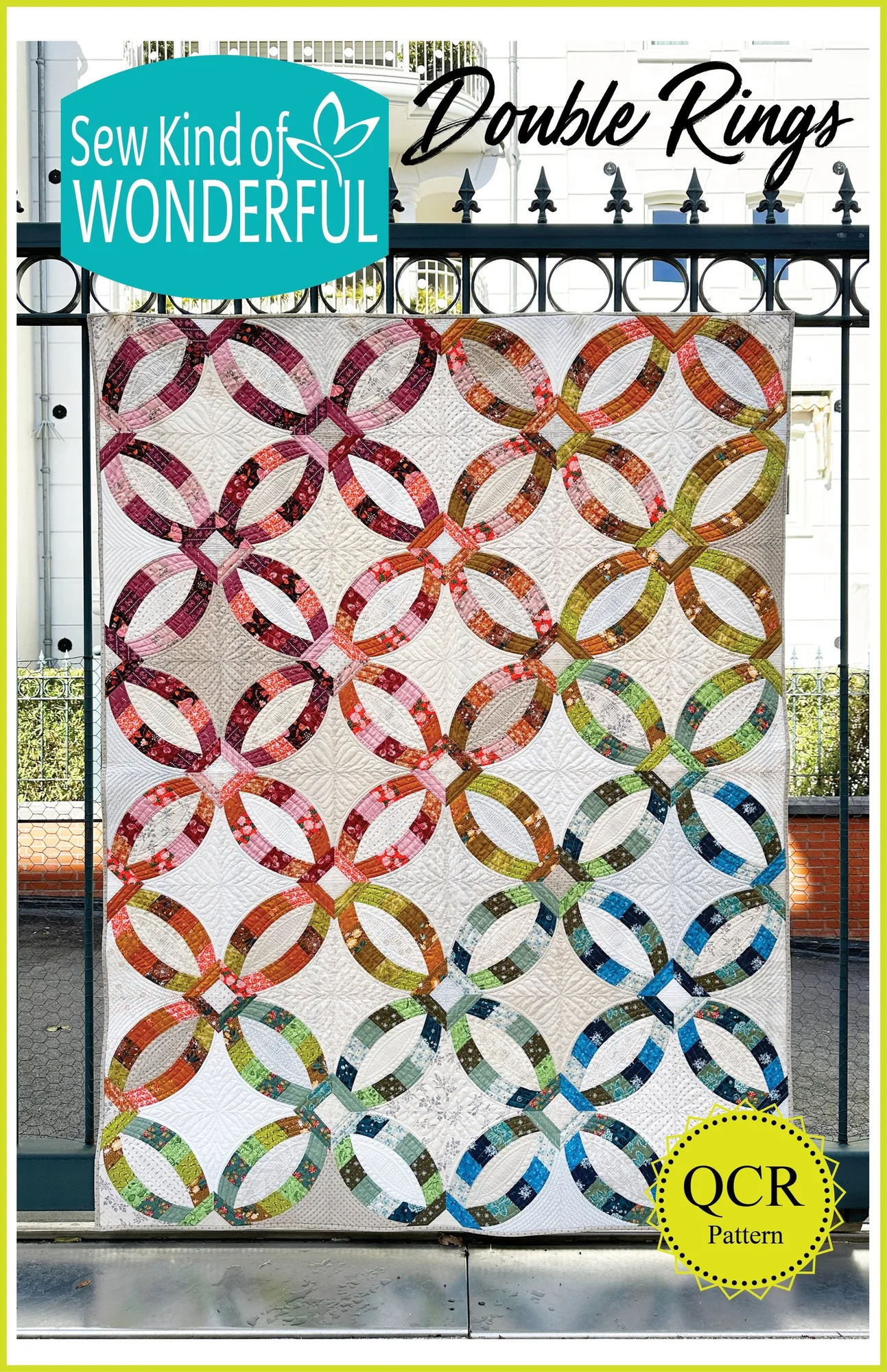
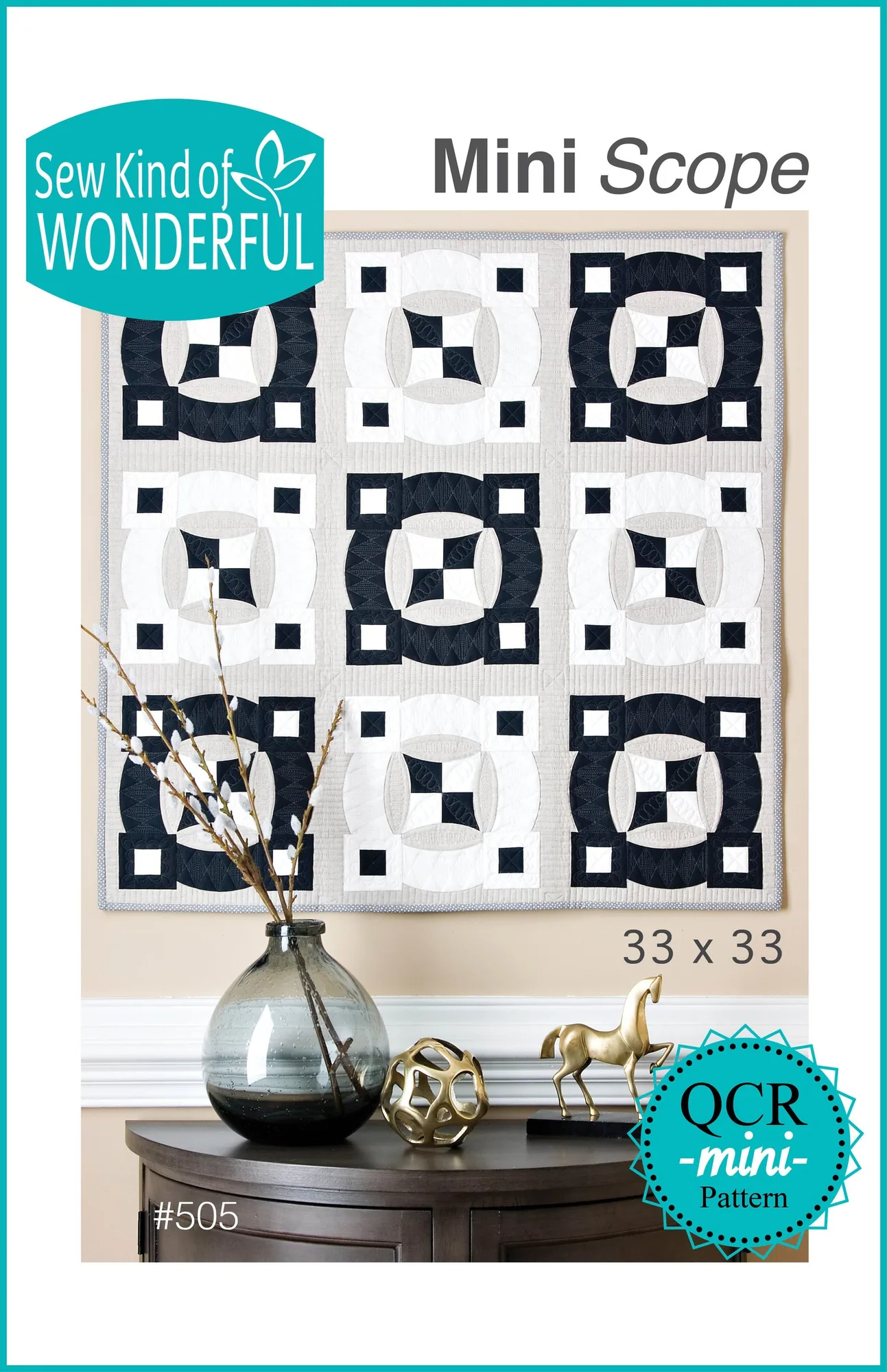
When mixing patterns, consider the scale of the blocks. Large, bold blocks like those in Double Rings (Paper) can anchor a quilt, while smaller blocks like those in Mini Scope (Paper) can add intricate detail. Combining different scales creates visual interest, but be mindful of proportion—too much contrast can feel chaotic.
Mini Scope (Paper)
A common mistake is choosing patterns with conflicting geometric styles. For example, pairing a very angular design with a heavily curved one might create tension. Stick to patterns that share a similar aesthetic, such as those that all use curved piecing with the Quick Curve Ruler.
- Look for patterns that use the same ruler (e.g., Quick Curve Ruler or QCR Mini Ruler) to ensure consistent technique.
- Sketch your layout on paper before cutting fabric to visualize how blocks will interact.
Unify with a Consistent Color Palette
A unified color palette is the glue that holds mixed patterns together. Choose a background fabric that appears in most of your selected patterns, and limit your accent colors to a few complementary hues. For instance, if you're combining Chic & Jazzy (which uses a gray solid and white background) with Twist Revival (which also uses a gray background), the shared tones will create harmony.
Avoid the mistake of using too many busy prints. Instead, incorporate solids or subtle tone-on-tone fabrics to let the quilt block designs shine. This approach is especially effective when working with scrappy patterns like Double Rings, where fabric variety is key.
- Pull fabrics from your stash that fit the palette before buying new ones.
- Use a design wall to audition fabric combinations before sewing.
Plan Your Layout on a Grid
Once you've selected your patterns and palette, plan the layout on a grid. Decide how many blocks you'll need from each pattern and arrange them in a balanced composition. For example, you might alternate large Double Rings blocks with smaller Mini Scope blocks to create a rhythmic pattern.
A frequent mistake is not considering the overall quilt size. Ensure your layout results in the dimensions you desire. If you're unsure, lay out the blocks on a flat surface or use graph paper to scale your design before cutting.
- Aim for a symmetrical or intentionally asymmetrical layout—both can work well.
- Check that seams will align where blocks meet; adjust block sizes if needed.
Cut and Piece with Precision
Precision is critical when combining patterns. Use the specified rulers (like the Quick Curve Ruler) to cut curved pieces accurately. Follow each pattern's fabric requirements, but feel free to swap fabrics as long as you maintain the same yardage.
One common mistake is rushing the cutting process, leading to mismatched seams. Take your time, and consider using a new rotary blade for clean cuts. When sewing curved pieces, use pins to ease fabric and maintain consistent seam allowances.
- Label your cut pieces to avoid confusion when assembling.
- Press seams carefully—either open or to one side, depending on the pattern.
Assemble and Adjust
Start assembling your quilt top by sewing blocks together in rows, then joining the rows. As you work, step back and evaluate the overall design. If a block feels out of place, don't hesitate to rearrange or swap it with another.
A checkpoint here is to ensure that all seams nest nicely and that your quilt lies flat. If you encounter puckering, it may be due to inaccurate seams—take the time to correct it before adding borders or quilting.
- Use a walking foot when sewing long seams to prevent shifting.
- Trim any dog ears and square up your quilt top before adding borders.
Step-by-Step Process for Combining Patterns
- Select Your Patterns: Choose two or three Sew Kind of Wonderful patterns that share a common ruler or design language. For example, pair Double Rings with Chic & Jazzy, both using the Quick Curve Ruler. Consider the finished sizes and how they'll fit together. Checkpoint: Ensure you have the required rulers and fabric amounts for each pattern before cutting.
- Define Your Color Story: Pick a unifying background fabric (like a solid gray or white) and a limited accent palette. Use the fabric requirements from each pattern as a starting point, but adjust to create cohesion. For instance, use the gray solid from Chic & Jazzy as your main background. Common mistake: Using too many unrelated colors can make the quilt feel disjointed. Stick to 3-4 main colors.
- Sketch a Layout: Draw a simple grid on graph paper, indicating where each block will go. Mix large and small blocks to create rhythm. For example, alternate Double Rings blocks with Mini Scope blocks in a checkerboard pattern. Checkpoint: Verify that your layout matches the desired quilt dimensions and that you have enough blocks.
- Cut with Precision: Follow each pattern's cutting instructions using the appropriate ruler (Quick Curve Ruler or QCR Mini Ruler). Label all pieces to avoid mix-ups. If a pattern requires fat quarters, feel free to swap fabrics within your palette. Common mistake: Rushing cuts can lead to inaccurate seams. Double-check measurements before cutting.
- Piece Blocks and Assemble: Sew each block according to its pattern. Then, join blocks in rows, pressing seams as directed. After assembling the top, step back and assess the design. Make any necessary adjustments before adding borders. Checkpoint: Ensure all seams are consistent and the quilt top lies flat. Trim and square up if needed.
Patterns That Work Well Together
- Double Rings (Paper): This classic double wedding ring quilt is updated with modern cutting and piecing techniques. The iconic design, featuring two intertwined rings, has a traditional look and feel and is ideal for all quilters. With its scrappy design, this quilt is a timeless quilting tradition. The scrappy nature of Double Rings makes it a flexible anchor for a mixed quilt—you can pull fabrics from other projects to tie the design together.
- Chic & Jazzy (Paper): 53” x 70” Pattern to be used with Quick Curve Ruler© (QCR). Fabric Requirements: (12) fat quarters assorted prints, 2 yards gray solid, 3 1/4 yards white background, 4 yards backing, 1/2 yard binding, 9” or larger square-up ruler, Quick Curve Ruler© (QCR). Chic & Jazzy offers a modern, graphic look with a gray and white palette that can harmonize with other patterns using similar backgrounds.
- Mini Scope (Paper): 33" x 33" Pattern to be used with QCR Mini Ruler. Materials: 2/3 yard white fabric, 3/4 yard black fabric, 1 1/4 yards tan background fabric, 1 yard backing, 1/3 yard binding, QCR Mini Ruler. Mini Scope's smaller scale (33" x 33") makes it ideal for creating secondary blocks or borders that add detail without overwhelming a larger quilt.
Combining Sew Kind of Wonderful patterns is a rewarding way to express your creativity. By choosing compatible designs, unifying your palette, and following a thoughtful layout, you can create a quilt that's both unique and cohesive. Remember to take your time, enjoy the process, and don't be afraid to experiment. Happy quilting!