Quick Answer
Before buying any anime statue, inspect photos for paint defects, cracks, and warping, and ask sellers for additional angles if needed. For pre-orders, research the studio's track record and check for known issues. If you spot a defect that affects structural integrity or is a deal-breaker, walk away—unless you're prepared to repair it.
Anime statues are more than just collectibles—they're investments in art. But even the most anticipated releases can arrive with flaws. From paint smudges to broken parts, defects can turn excitement into disappointment. Knowing what to look for before you buy can save you money and frustration.
Whether you're buying from a warehouse stock, a pre-order, or a secondary market, this guide will help you spot common anime statue defects. We'll cover what to check, how to assess severity, and when to walk away.
Paint Defects: The Most Common Issue
Paint defects are the most frequent problems on anime statues. Look for uneven paint application, color bleeding, or spots where paint has chipped off. Check the face, hair, and intricate details closely—these areas often reveal flaws. In photos, ask for close-ups in natural light to see the true condition.
Some paint issues are minor and can be touched up, but others, like large scratches or mismatched colors, may be permanent. If a statue is described as 'warehouse in stock,' it might have been handled multiple times, increasing the risk of paint wear. Always inspect photos carefully and request additional images if needed.
- Use a magnifying glass or zoom on photos to inspect fine details.
- Ask for photos under different lighting conditions to reveal hidden flaws.
Cracks and Breakage: Structural Integrity Matters
Cracks can occur in resin or PVC statues due to stress, temperature changes, or shipping mishandling. Check the base, joints, and thin parts like swords or hair strands. A hairline crack might be cosmetic, but a deep crack can worsen over time. For statues with dynamic poses, stress points are especially vulnerable.
When buying a pre-order, you can't inspect the actual item, but you can research the studio's reputation. Some studios have known issues with fragile parts. For in-stock items, ask for photos of the base and any connection points. If a statue has a crack that compromises its stability, it's usually best to avoid it unless you're skilled at repairs.
- Check the base for cracks—a cracked base can cause the statue to lean or fall.
- For pre-orders, look up reviews of the studio's previous releases for fragility reports.
Warping and Leaning: The Silent Killer
Warping occurs when parts of a statue bend or twist out of shape, often due to heat or poor material quality. This is common in long, thin parts like swords, staffs, or hair. A slight lean might be acceptable, but a significant warp can ruin the silhouette. Ask for a photo from behind to check if the statue stands straight.
Warping is hard to fix and may require heat treatment, which is risky. If you notice warping in photos, ask the seller if it's a known issue. For pre-orders, check if the studio uses high-quality materials like PU resin, which is less prone to warping than PVC.
Mold Lines and Flash: The Unwanted Extras
Mold lines are visible seams where the mold halves met, and flash is excess material that wasn't trimmed. These are more common on mass-produced figures but can also appear on resin statues. They are often found along edges, hair, or limbs. While they can be sanded down, they can also indicate poor quality control.
If you're buying a high-end statue, mold lines are less acceptable. Check photos for any visible seams. If you see them, consider whether you're willing to do the cleanup work. For licensed statues, quality control is usually stricter, but it's not a guarantee.
Defect Diagnosis Guide
- Symptom: Paint smudge or bleed: Check if the smudge is on a prominent area like the face or if it's on a less visible part. Ask for close-up photos. If it's on the face, it's likely a deal-breaker; on a hidden area, you might accept a discount.
- Symptom: Hairline crack on base or joint: Assess if the crack affects stability. Try to see if it's superficial or deep. Ask for a photo from different angles. If the crack is structural, avoid unless you can repair it. If it's cosmetic, consider if it bothers you.
- Symptom: Leaning or warping: Check if the statue stands straight. Ask for a photo from behind. Consider the material—PU resin is less prone to warping. If the lean is noticeable, it's usually a deal-breaker. If it's slight, you might accept it for a discount.
Product Facts: What to Expect from These Statues
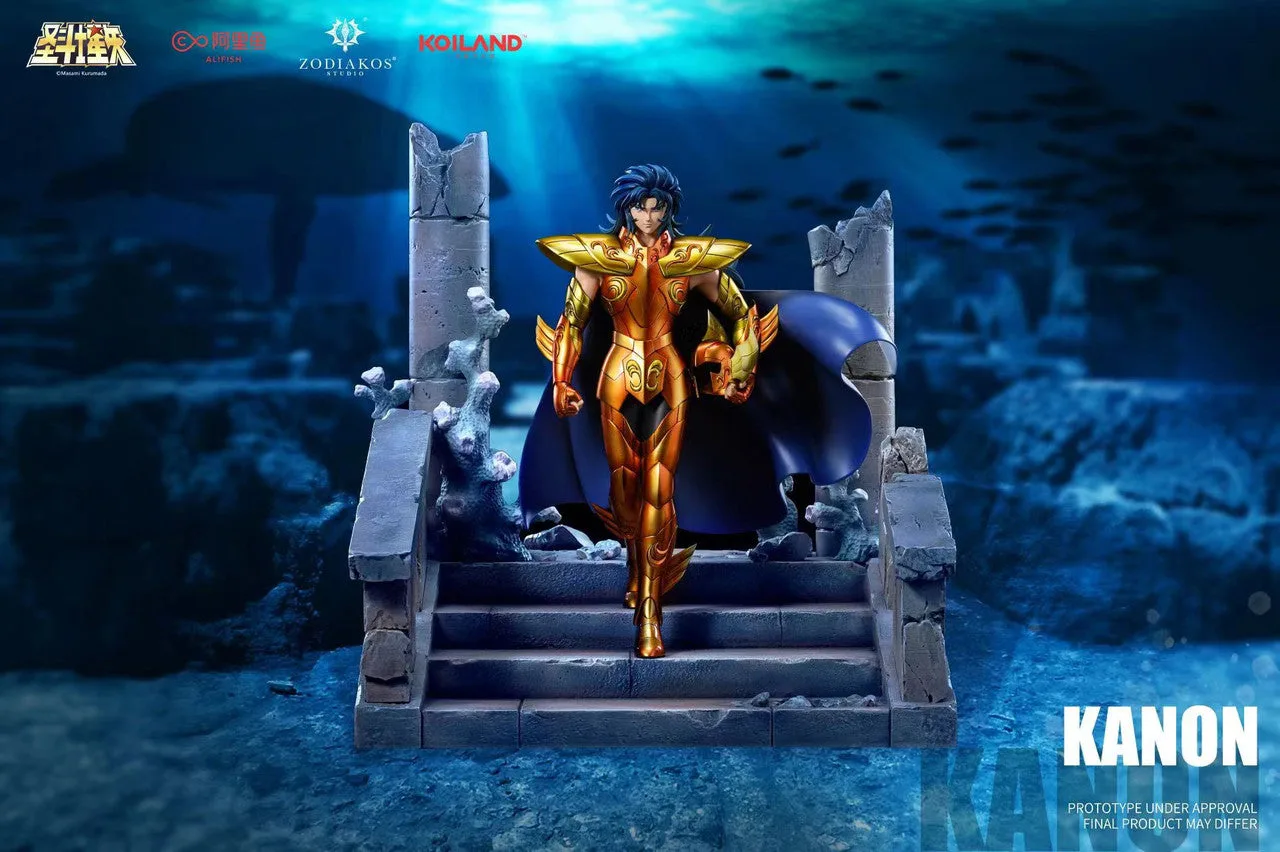
- [Warehouse in Stock] Zodiakos Studio - Statue - Saint Seiya - Sea Dragon Sea General Kanon (Licensed): This licensed statue is ready to ship from the logistic center. It measures 41cm in height and is in stock. Being in stock means you can request additional photos before purchase, allowing you to inspect for any paint defects or cracks.
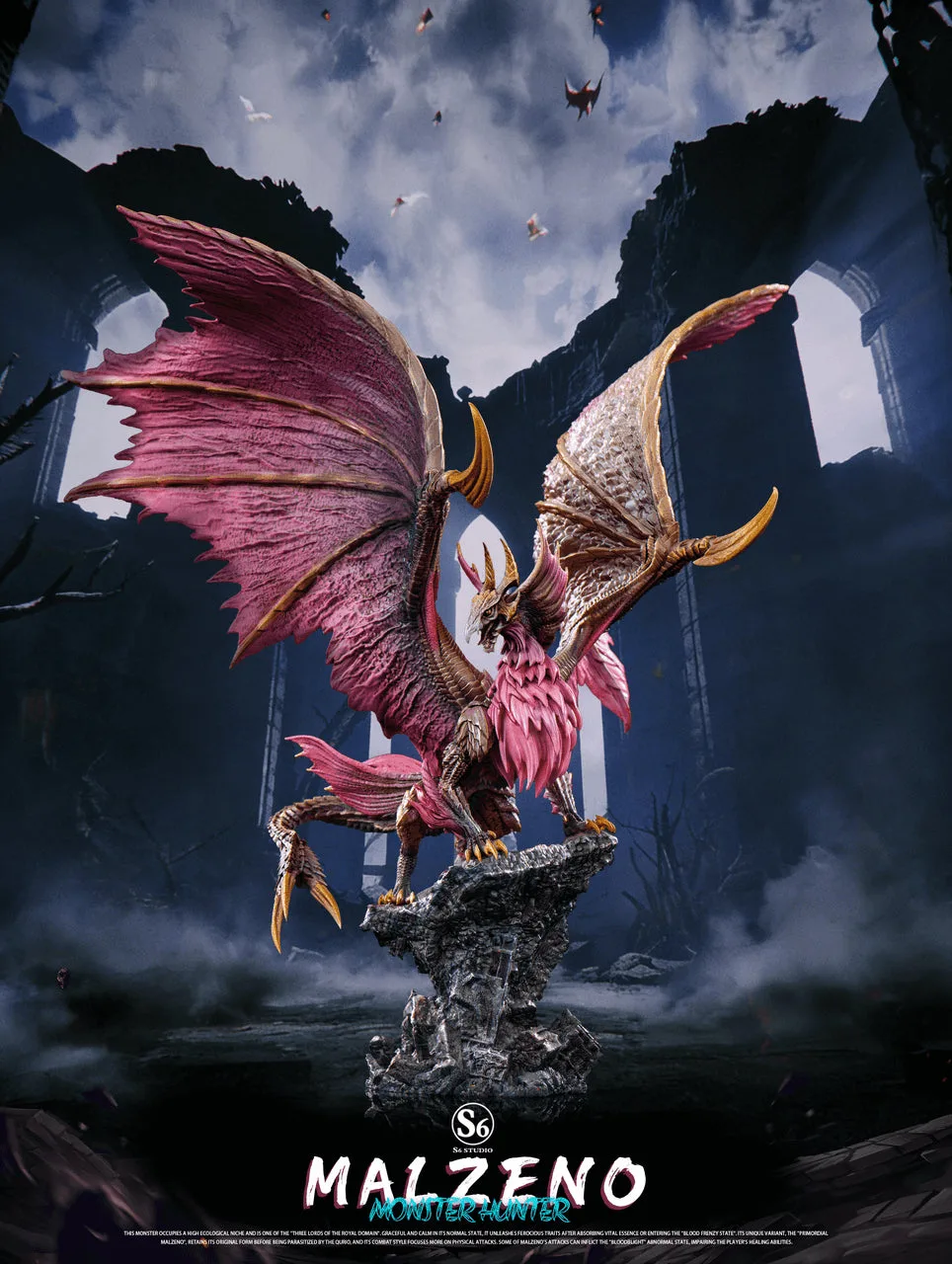
- [Pre-Order] S6 studio - Statue - Malzeno Monster Hunter: This is a pre-order for a GK statue made of PU + Resin, limited to 220 pieces globally, with a height of 29cm. Since it's a pre-order, you can't inspect the actual item, but the limited production and PU resin material suggest higher quality and less risk of warping.
Spotting anime statue defects before buying is a skill that improves with practice. Always request detailed photos, ask specific questions, and trust your instincts. If a defect is a deal-breaker, don't settle—there are plenty of other statues waiting for you. For a reliable in-stock option, consider the [Warehouse in Stock] Zodiakos Studio - Statue - Saint Seiya - Sea Dragon Sea General Kanon (Licensed), which you can inspect closely before purchase.