Quick answer
Most bra fit mistakes come down to a handful of habits: wearing a band that is too loose, judging size by the cup letter alone, and ignoring how the straps and inside construction actually support you. Fix the band first, then the cup, then the straps. A bra that fits should feel snug around the ribcage, smooth in the cup, and stable when you move.
If your bra digs, slips, or leaves marks, the problem is usually not your body. It is one of a few common fitting errors that are easy to repeat because they sound logical. This guide separates the myths from what actually works, using real construction details from bras you can buy today.
You do not need a tape measure or a fitting appointment to improve your fit. You need to know which signals to trust, which ones to ignore, and how support features like an inside sling or J-hooks change the way a bra behaves on your frame.
Myth: The band should be loose so it does not dig in
A loose band is one of the most common bra fitting errors. The band does most of the support work, so when it is too loose, the straps have to take over. That is when you get red marks on your shoulders, a band that rides up in the back, and cups that gap when you move.
A band that fits stays level around your ribcage and stays put when you lift your arms. If you can pull it more than a couple of inches away from your back, it is too loose. Tighten the hooks or size down in the band, then adjust the cups from there.
- Fasten on the loosest hook when the bra is new so you can tighten it as the elastic relaxes.
- If the back band climbs up, the band is too loose, not too tight.
- Shoulder marks are often a sign the band is not doing its share.
Myth: Cup letter tells you everything about size
Cup letters are not absolute. They only mean something in relation to the band size. A 34D and a 38D do not hold the same volume, which is why bra sizing myths about letters cause so much confusion. The letter is a ratio, not a fixed size.
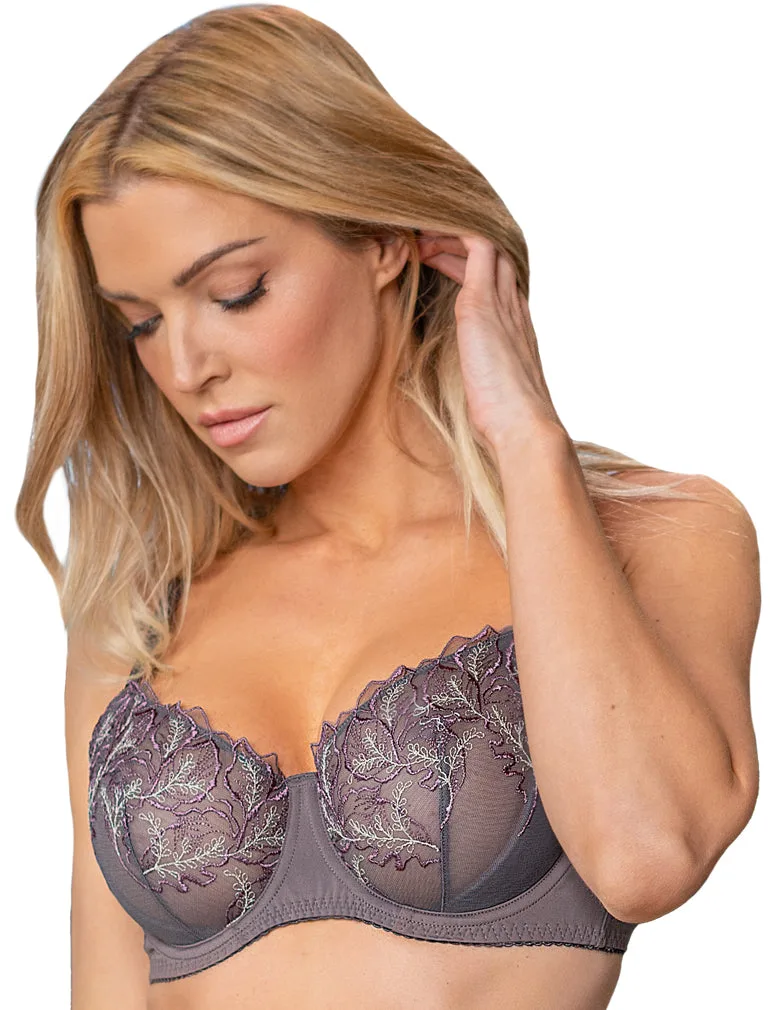
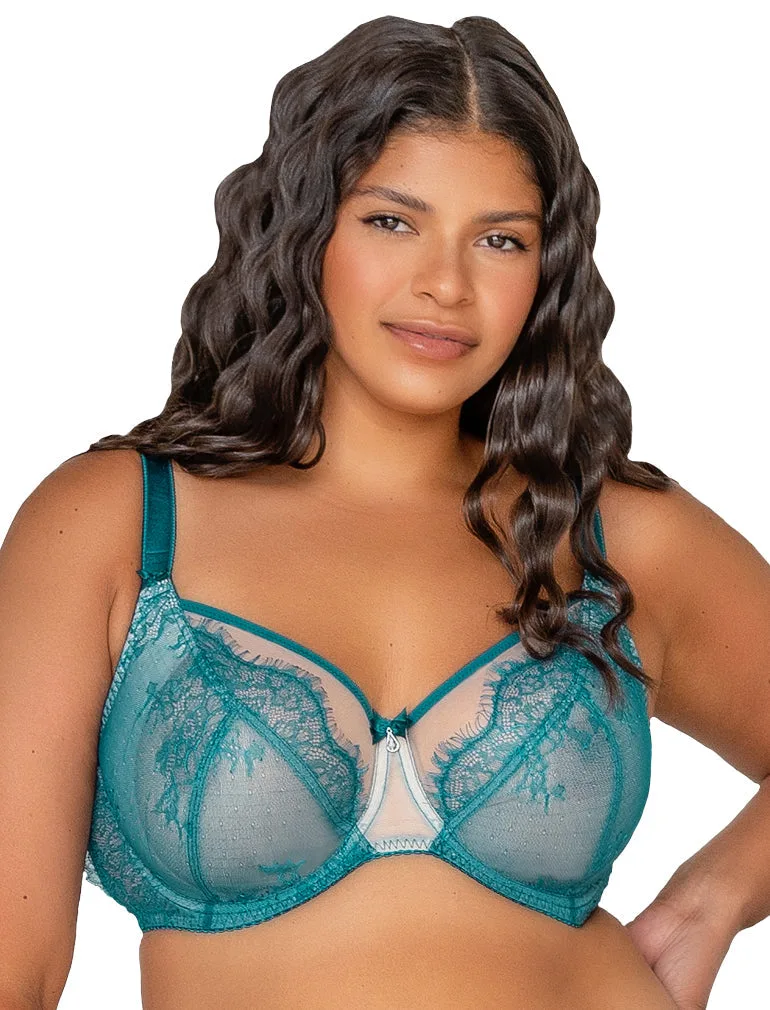
This is also why an inside sling matters in larger cup sizes. In the B2382 Ava See-Thru Lace, the inside sling is provided in G cup sizes and up specifically to give greater support where the cup volume is larger. That construction detail does more for fit than the letter on the tag.
- Judge fit by how the cup sits on your body, not by the number on the label.
- If the center of the bra does not lie flat against your sternum, the cup is likely too small.
- If the cup wrinkles at the top or bottom, it may be too large or the wrong shape for you.
Myth: Straps should be tightened for lift
Over-tightening straps is a classic wrong bra size mistake in disguise. Straps are meant to fine-tune, not to carry the bra. When they are cranked too tight, they pull the band up in the back and can dig into your shoulders, which makes the whole bra feel unstable.
Adjust straps so they lie smooth against your skin without pressing in. If you still feel unsupported, the fix is usually in the band or cup, not the straps. Fully adjustable straps help because they let you set tension precisely, but they cannot compensate for a band that is too loose.
- Tighten both straps evenly, then move your arms to check for slipping.
- If a strap falls down repeatedly, check whether the band is riding up first.
- Straps that leave deep grooves are too tight, not a sign of good support.
Myth: You should only buy bras with underwire for support
Underwire is one way to get shape and separation, but it is not the only way to get support. Construction details inside the cup often do more for lift than the wire itself. An inside sling, for example, gently lifts the bust and creates a fuller look without relying on the wire alone.
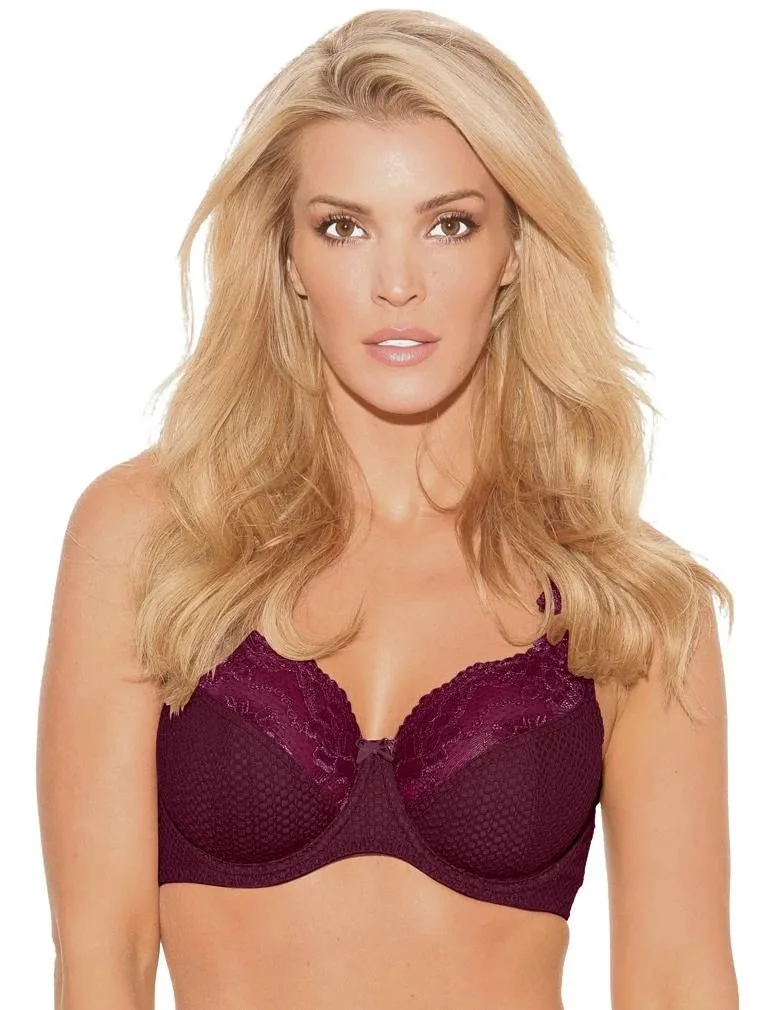
The B2645 Bridget in Mauve Plum uses that inside sling to lift the bust and create a more flattering, fuller shape. The B2498 Carmen is engineered for maximum support with an inside sling in all sizes, not just larger cups. If you avoid underwire because it feels uncomfortable, look at what is happening inside the cup before you rule out the style.
- Check whether the underwire sits flat against your ribcage, not on breast tissue.
- If the wire pokes, the cup is often too small or too shallow, not the wrong style.
- Support features inside the cup can change how a bra feels more than the wire.
Myth: A gap in the cup always means the bra is too big
Gapping is one of the most misunderstood bra fit misconceptions. It can mean the cup is too large, but it can also mean the band is too loose, the strap tension is uneven, or the cup shape does not match your breast shape. A molded cup that is the right volume can still gap if your shape is fuller on the bottom or top.
Before you size down, check the band and the strap tension. If the band is stable and the straps are even, then try a different cup shape or size. The B2761 Serena Lace uses J-hooks, which let you convert the straps to a racerback and change the angle of pull, which can reduce gapping for some wearers.
- Fasten the band on the loosest hook and see if the gap changes.
- Loosen straps slightly to see if the cup settles against your body.
- If gapping continues, try a different cup construction, not just a smaller size.
Myth: You only need one fitting, then you know your size forever
Bodies change. Weight shifts, muscle changes, and hormonal cycles can all affect how a bra fits from month to month. Treating your size as permanent is one of the most common bra fitting errors because it stops you from checking fit when something feels off.
Do a quick fit check every few months: band level and snug, center flat, cups smooth, straps comfortable. If one of those fails, adjust or revisit your size. That habit prevents small discomfort from turning into a drawer full of bras you avoid wearing.
- Recheck fit after any weight change or new exercise routine.
- If a bra that used to fit now digs or slips, recheck the band first.
- Keep one well-fitting bra as a reference for future purchases.
Bra fit myths: verdicts
- A loose band is more comfortable: A loose band shifts support to your straps, which causes shoulder marks and a riding-up back. The band should stay level and snug on the loosest hook. Verdict: myth. Fix the band first.
- Cup letter is a fixed size: Cup volume changes with band size. A 34D and a 38D are not the same. Judge fit by how the cup sits, not by the letter. Verdict: myth. Size is a ratio.
- Tighter straps mean more lift: Straps fine-tune; they do not carry the bra. Over-tightening pulls the band up and makes the fit worse. Adjust straps after the band and cup are right. Verdict: myth. Set straps last.
- Underwire is the only real support: Inside slings and other cup construction can lift and shape without relying on the wire. The B2498 Carmen uses an inside sling in all sizes for maximum support. Verdict: myth. Look inside the cup.
- Cup gapping means size down: Gapping can come from a loose band, uneven straps, or a cup shape mismatch. Check those before changing cup size. Verdict: not always. Diagnose first.
- Your size never changes: Body changes affect fit. A quick check every few months keeps your bras wearable and comfortable. Verdict: myth. Recheck regularly.
Construction details that change fit
- B2382 Ava See-Thru Lace: DARK TEAL: The inside sling is provided in G cup sizes and up to give greater support in larger cups. If you wear a G cup or larger, this feature adds support where volume is greater, which can reduce the need to over-tighten straps.
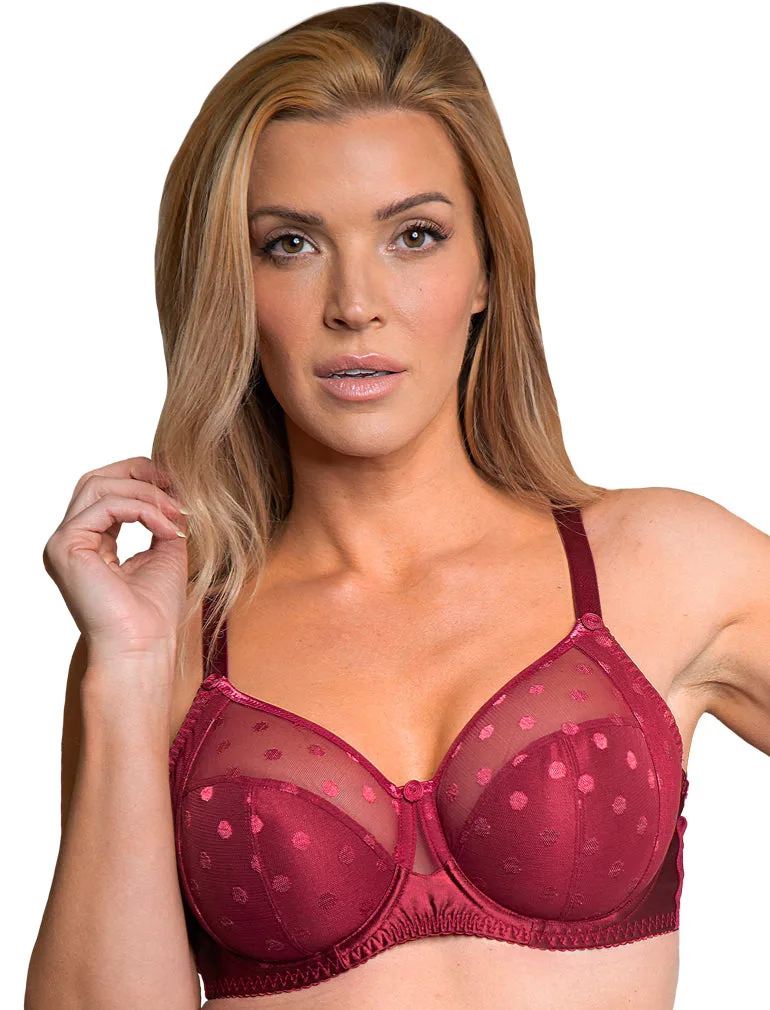
- B2498 Carmen: DEEP RED: Engineered for maximum support, it comes fully equipped with an inside sling in all sizes. You get the same lifting construction regardless of cup size, so smaller and larger cup wearers both benefit.
- B2761 Serena Lace: BURGUNDY: This bra has J-hooks. J-hooks let you convert the straps to a racerback, which changes the pull angle and can help with slipping straps or cup gapping.
- B2645 Bridget: MAUVE PLUM: Bridget boasts an inside sling that gently lifts the bust and creates a more flattering and fuller look. If you want more lift without a tighter band or straps, an inside sling does that work inside the cup.
Most bra fit problems are not about your body. They are about a loose band, a misunderstood cup letter, or straps doing work they were not meant to do. Fix the band, check the cup construction, and set the straps last. That order solves more fit issues than any size chart.