Quick answer
Most longarm quilting problems come down to three things: threading and tension, machine setup and maintenance, and how you move the machine or ruler. Start by rethreading with the presser foot up, check your bobbin, clean and oil the machine, then test on a scrap sandwich. If the problem persists after those steps, it is usually a timing, needle, or mechanical issue that needs a technician.
You sit down to quilt, and something goes wrong. The thread shreds, the stitches skip, the ruler slips, or the machine fights you across the quilt. Longarm troubleshooting can feel overwhelming when you are in the middle of a project, but most common longarm issues have a short list of likely causes you can check in order.
This guide walks through the problems quilters run into most often. For each one, you will find the symptom, the likely cause, the corrective action, and the point where you should stop and choose another option—whether that means switching tools or calling a technician. Work through them one at a time, and change only one variable before you test again.
Tension problems: thread nests, loops, and tight stitches
Tension problems show up in predictable ways. Loose top tension creates loops on the back. A bobbin tension that is too tight pulls the top thread down and makes the stitches look small and tight. A thread nest under the quilt usually means the top thread is not seated in the tension discs, the presser foot was down when you threaded, or the bobbin is wound unevenly.
Fix tension by rethreading with the presser foot up so the thread seats fully in the discs. Check the bobbin case for lint and make sure the bobbin spins freely. Test on a scrap sandwich that matches your quilt's batting and fabric. Adjust only the top tension first, in small increments, and re-test after each change. If the bobbin tension needs adjusting, do it a quarter turn at a time and keep notes.
- Always rethread the top and check the bobbin before you touch tension dials.
- Test on the same fabric, batting, and thread you are using in the quilt.
- If tension changes mid-quilt, stop and look for lint or a thread guide that has been missed.
Skipped stitches, thread breaks, and needle issues
Skipped stitches and thread breaks often point to the needle. A bent, dull, or wrong-size needle will cause skipped stitches, especially with thicker threads or denser quilting. The needle could also be inserted backward or not pushed all the way up into the clamp. Thread breaks can come from a burr on the needle, a rough spot in a thread guide, or thread that is too old and brittle.
Change the needle first. Use the correct needle size for your thread and batting, and make sure it is inserted fully and facing the right direction. Run your finger along the thread path to feel for burrs or rough spots. If the thread still breaks after a fresh needle and a clean thread path, the issue may be timing or a mechanical adjustment that is best handled by a technician.
- Keep a spare pack of needles in the sizes you use most and change them often.
- If a needle breaks, find the tip before you quilt again—it may be in the quilt.
- Stop and call a technician if the machine makes unusual noises or the needle hits the bobbin case.
Ruler slip, drag, and machine movement problems
Ruler slip happens when the ruler moves while the needle is down, which can break the needle or nick the ruler. The cause is usually not enough grip between the ruler and the fabric, or moving too fast for the ruler's base. Drag and heavy movement often come from a dirty track, a dry machine, or a quilt that is too tight on the frame.
Clean and lubricate the machine track according to your manual, then check that the quilt is loaded with even tension. Add grip to your rulers with grip tape or a handle that keeps your hand steady. Slow down and reposition your hands before you move. If the machine still drags, check the wheels and the frame for debris or a bent track.
- Use grip tape or a ruler handle to keep the ruler from sliding.
- Clean the wheels and track regularly—lint and thread bits cause drag.
- If a ruler chips or cracks, stop using it and replace it.
Uneven stitches, eyelashes, and poor stitch quality
Uneven stitches and eyelashes on the back usually mean the tension is off, the quilt is not moving at a consistent speed, or the machine is not set up for the thread you are using. Eyelashes—small loops on the back—often happen when the top tension is too loose or the bobbin is not seated correctly. Stitches that look great in one direction and poor in another can mean the quilt is too tight or too loose on the frame.
Adjust the top tension in small steps and test after each change. Make sure the quilt moves smoothly through the machine without pulling. If the stitch quality changes with speed, slow down and keep a steady pace. If the problem continues after tension and setup checks, the machine may need timing or a checkup.
- Keep a scrap sandwich nearby to test tension before you quilt the real thing.
- If stitches look bad only in one direction, check the quilt tension on the frame.
- Stop adjusting and get help if the machine has been serviced recently but the problem persists.
When to stop and choose another option
Not every problem is a quick fix. If you have rethreaded, changed the needle, cleaned and oiled the machine, checked the bobbin, and tested on a scrap sandwich, and the problem is still there, it is time to stop. Continuing to quilt can damage the quilt, the machine, or both. Mechanical issues like timing, hook alignment, and motor problems are not user-serviceable on most longarm machines.
If you are new to longarm quilting or ruler work, a class or a guided project can save you hours of frustration. Structured lessons walk you through machine setup, tension, and ruler techniques so you can build good habits from the start. If the problem is beyond your comfort level, contact your machine dealer or a qualified technician.
- Write down what you changed and what happened—it helps you and your technician.
- Keep a small notebook with your machine's tension settings for different threads.
- Do not force a fix that requires disassembling the machine unless you are trained.
Longarm problem diagnosis chart
- Thread nests on the back: The top thread is not seated in the tension discs, or the machine was threaded with the presser foot down. Rethread with the presser foot up, check the bobbin, and test on a scrap sandwich before you adjust tension.
- Skipped stitches: Usually a bent, dull, or wrong-size needle, or a needle that is not inserted fully. Change the needle first. If skipping continues after a new needle, stop and have the timing checked.
- Ruler slip or needle breakage: The ruler is moving because it lacks grip or you are moving too fast for the ruler base. Add grip tape or a handle, slow down, and replace any ruler that is chipped or cracked.
- Uneven stitches or eyelashes: Tension is off, the quilt is too tight or loose on the frame, or you are moving at an inconsistent speed. Adjust top tension in small steps, check quilt tension, and keep a steady pace. If it persists, stop and get a professional checkup.
- Machine drag or heavy movement: Dirty wheels or track, lack of lubrication, or a quilt loaded too tightly. Clean and lubricate the track, check the wheels, and reload the quilt with even tension.
Tools that help with common longarm problems
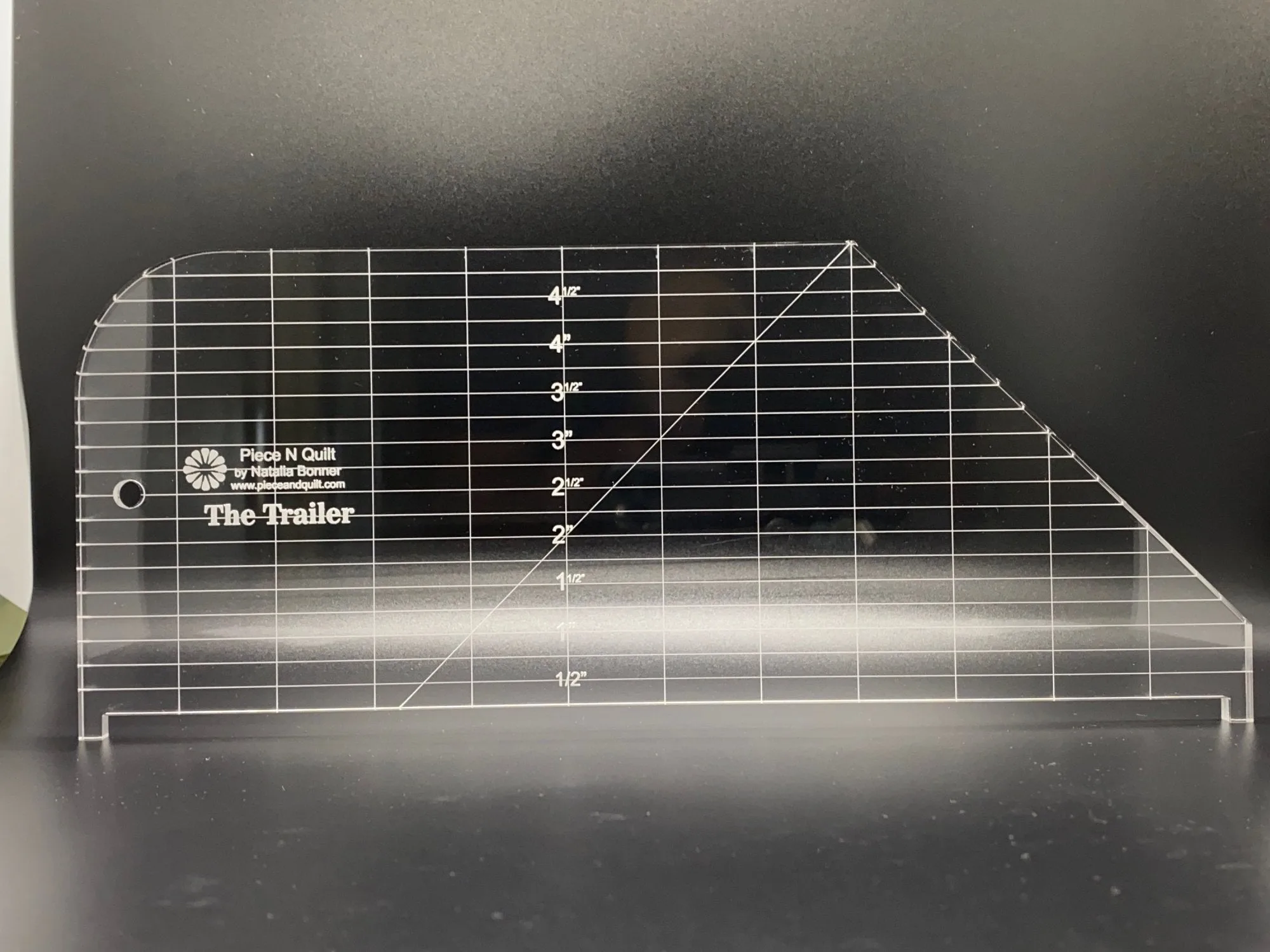
- The Trailer Machine Quilting Ruler: Designed by professional machine quilter Natalia Bonner, this ruler is 12 inches long and 5 inches at its widest point, with notches along the edge for quilting straight lines, 45-degree angles, curved corners, and stitch-in-the-ditch. A dedicated ruler with clear markings reduces ruler slip and helps you keep control for accurate lines and corners, which cuts down on the stop-and-fix cycle.
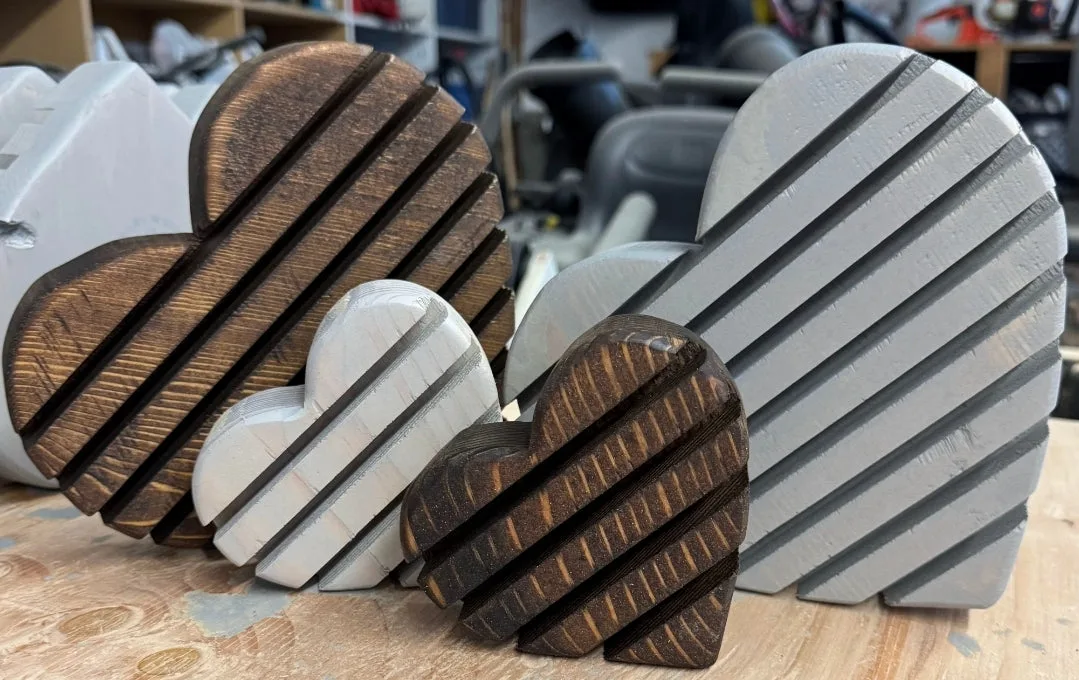
- Made with Love Longarm Quilting Ruler Stand: This stand holds up to 4 machine quilting rulers in the Mini (4.5 inch) size or the Regular (7.5 inch) size, keeping rulers organized and within reach. Having rulers organized and close by means fewer interruptions and less chance of grabbing the wrong tool or setting a ruler down on a hot surface.
- Beginner's Guide to Free-Motion Quilting: Signed copies by Natalia Bonner include more than 50 quilting designs, with tips for choosing batting and thread, layering and basting, starting and stopping, and prepping your machine. If tension and stitch quality problems keep coming back, the setup and prep chapters help you fix the root causes instead of chasing symptoms.
Most longarm quilting problems are solvable with a calm, step-by-step approach: rethread, change the needle, clean and oil, then test. When the fix is beyond a fresh needle or a tension tweak, stop and get help—your quilt and your machine will thank you.