Quick answer
Most quilting thread tension problems are caused by incorrect top tension, bobbin tension, or threading path errors. Start by rethreading the machine with the presser foot up, then test on a scrap sandwich before adjusting tension dials in small increments.
Understanding Tension Basics
Thread tension in machine quilting is a balance between the top thread and the bobbin thread. When they are balanced, the stitches interlock in the middle of the fabric layers. If the top tension is too tight, the bobbin thread shows on top; if too loose, loops form underneath. Longarm machines often have a separate tension assembly that requires regular cleaning and careful adjustment.
Before making any adjustments, always check that the machine is threaded correctly. A skipped thread guide or a thread caught on a spool pin can mimic a tension problem. Also confirm the needle is not bent or dull, and that the thread type matches the needle size and batting weight.
Common Symptom: Thread Breaking
If your top thread snaps during quilting, the most likely causes are a burr on the needle or hook, incorrect tension setting, or a thread that is too weak for the stitch length. Inspect the needle for damage and replace it if needed. Check the thread path for any rough spots. Reduce top tension by one-quarter turn and test again. If breaking continues, slow down the machine speed and consider a heavier thread weight.
Common Symptom: Loops or Tangles on the Back
Loops on the underside of the quilt usually mean the top tension is too loose. Tighten the top tension dial in small increments (one-eighth turn) until the loops disappear. If the top tension is already high, the bobbin tension may be too loose. On longarm machines, check that the bobbin case is clean and that the bobbin is wound evenly. A bent bobbin case finger can also cause loops.
Common Symptom: Puckered Fabric
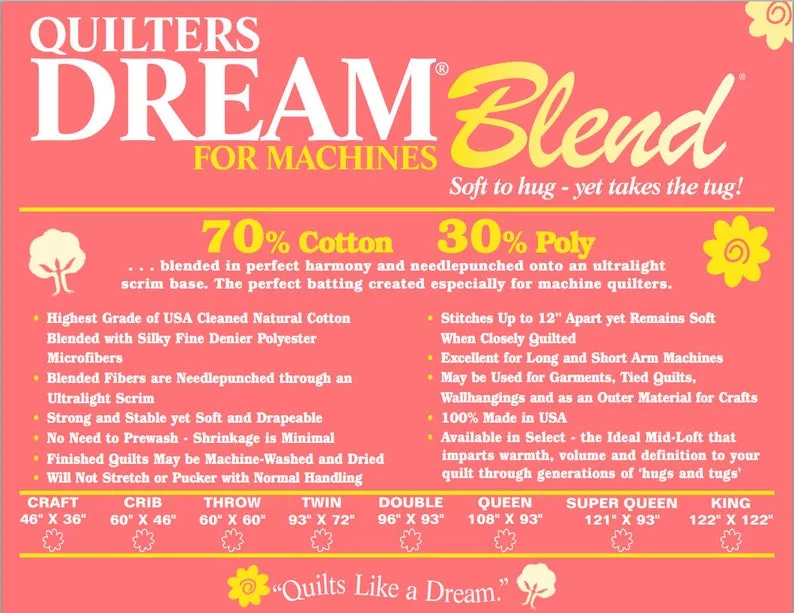
Puckering happens when the thread tension pulls the fabric layers out of alignment. This is often a sign of too much top tension. Loosen the top tension dial gradually until the fabric lies flat. Also check that the batting is not too thick for the needle size. For machine quilting, a blended batting like Quilters Dream Dream Blend 70/30 for Machines (70% cotton, 30% polyester microfibers) is designed to reduce drag and help prevent puckering.
When to Seek Professional Help or Replace Parts
If you have tried rethreading, cleaning, and adjusting tension without success, the problem may be mechanical. A burr on the hook assembly or a worn tension spring requires a technician. For longarm quilters, a consistent tension issue across multiple projects may indicate the machine needs a timing check. Do not force adjustments beyond the manufacturer's recommended range.
Tension Problem Diagnosis Guide
- Symptom: Thread breaks on top: Likely cause: burr on needle/hook, top tension too tight, or weak thread. Corrective action: replace needle, check thread path, reduce top tension by 1/4 turn. If breakage persists after three adjustments, stop and inspect the hook assembly for damage.
- Symptom: Loops on quilt back: Likely cause: top tension too loose or bobbin tension too loose. Corrective action: tighten top tension in 1/8-turn increments. If no change, adjust bobbin case tension. If loops remain after both adjustments, the bobbin case may need replacement.
- Symptom: Puckered fabric: Likely cause: top tension too tight or batting too thick for needle. Corrective action: loosen top tension gradually. Switch to a thinner or blended batting if needed. If puckering continues, reduce stitch length and check needle size before adjusting tension further.
Tools and Products That Help
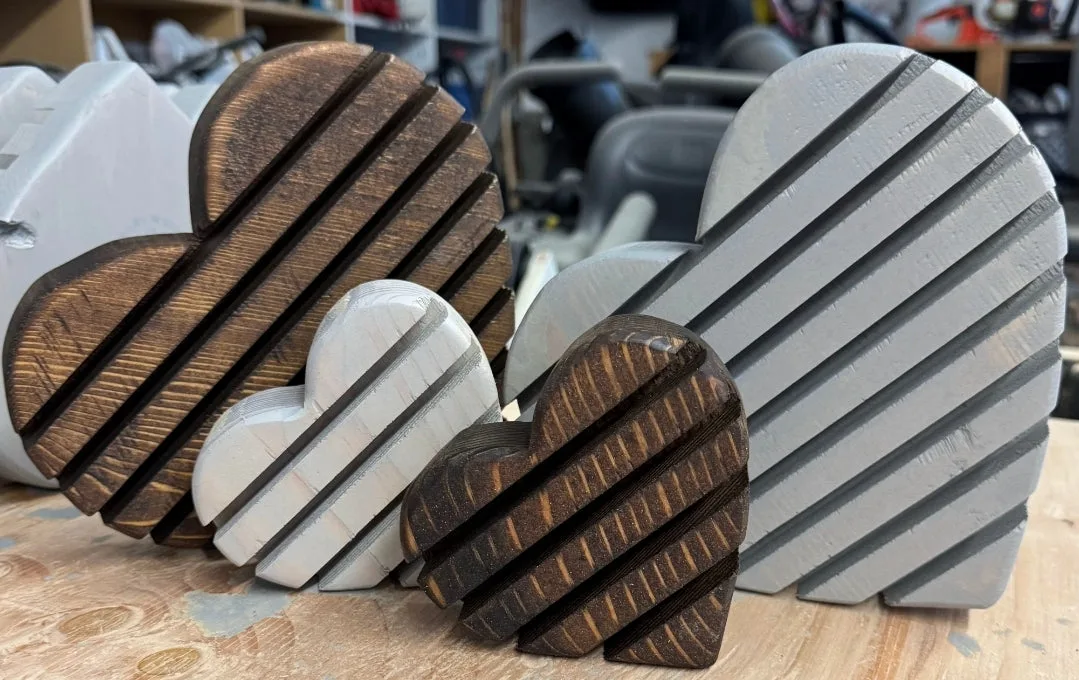
- Made with Love Longarm Quilting Ruler Stand: Piece N Quilt - Made with Love Longarm Ruler Stand keeps your machine quilting rulers organized and within reach. Available in Mini (4.5") and Regular (7.5") sizes. Having your rulers organized prevents accidental drops and damage that can cause burrs on ruler edges, which in turn snag thread and create tension-like problems.
- Quilters Dream Dream Blend 70/30 for Machines: Quilters Dream Dream Blend 70/30 for Machines is 70% cotton blended with 30% fine denier polyester microfibers, carded and cross lapped for a smooth web, developed especially for machine quilting. A smooth, consistent batting reduces friction and drag on the thread, making it easier to achieve balanced tension and avoid puckering or thread breaks.