Quick answer
The biggest camping mattress buying mistakes are choosing by thickness alone, ignoring how the pad is inflated or packed, and assuming every pad fits every shelter. Match the pad to your shelter, your sleeping position, and your transport method first. Then compare foam type, base construction, and pack size. That order prevents most returns and uncomfortable nights.
Most people buy a camping mattress pad the same way they buy a home mattress: they lie on the thickest option and call it done. Outdoors, that approach backfires. A pad that feels plush in a showroom can be wrong for a tent floor, a platform camper, or a backpack.
This guide busts the most common camping mattress buying mistakes and explains what to check instead. The goal is simple: help you choose a camping mattress pad you will still like on night twenty, not just night one.
Myth: Thicker always means more comfortable
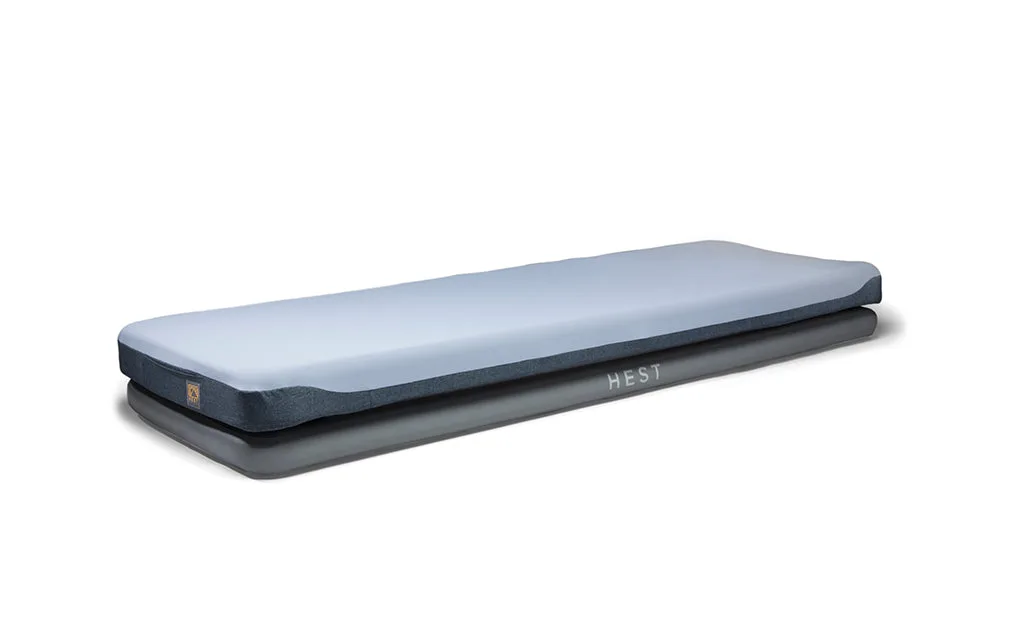
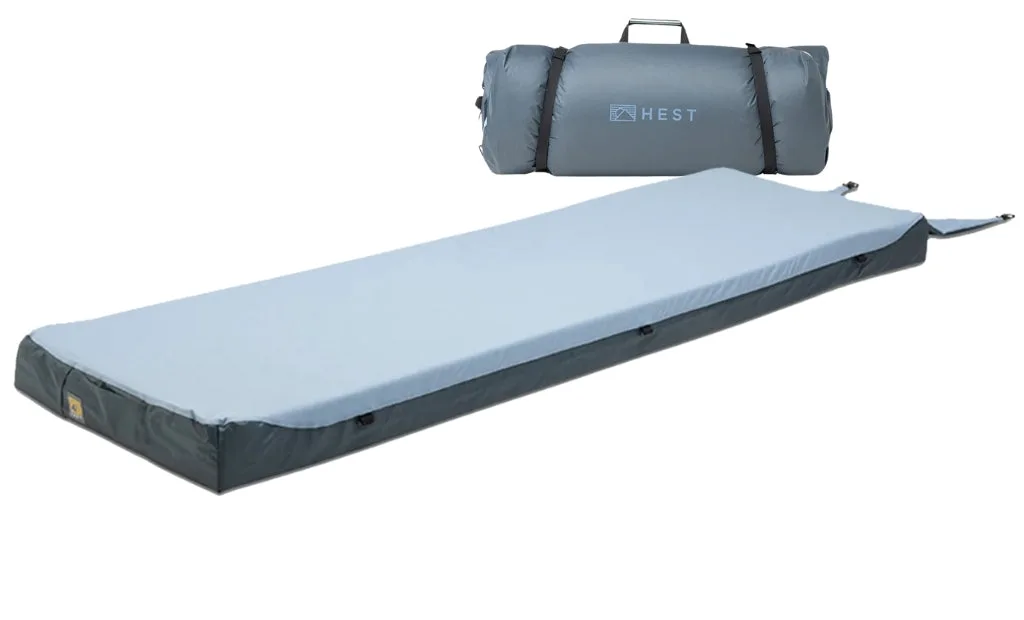
Verdict: false. Thickness is only one part of comfort. Support comes from how the pad is built underneath you, not just how tall it sits. A high-quality temperature resilient memory foam paired with a supportive, durable outdoor-ready drop-stitch base can outperform a thicker pad with a weak foundation.
That matters because camping surfaces are rarely flat. On uneven ground, a soft top layer without a stable base lets you sink into the low spots. A stable base keeps the foam doing its job. When you compare pads, ask what supports the foam, not only how much foam there is.
- Check the base construction before the thickness number.
- If you sleep on your side, prioritize support under the hip and shoulder.
Myth: Any pump works, so the pump is an afterthought
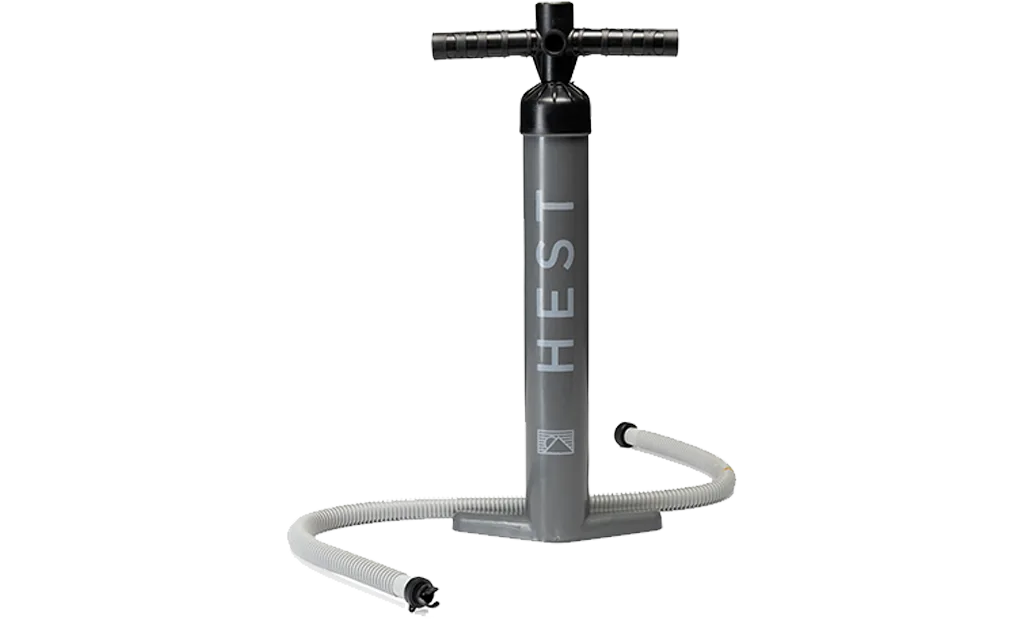
Verdict: false. On drop-stitch base pads, the pump is part of the sleep system, not a throwaway accessory. Drop-stitch pads need proper inflation to reach their intended firmness, and firmness is what keeps your hips from bottoming out.
A dedicated pump also lets you fine-tune firmness night by night. That is useful when temperatures change or when you move from a soft forest floor to a hard platform. Losing the pump or leaving it at home can turn a good pad into a mediocre one.
- Keep the pump with the pad, not in a separate gear bin.
- A backup pump is cheap insurance for a multi-night trip.
Myth: One pad size fits every shelter and sleeper
Verdict: false. Shelter dimensions and sleeping setup decide the right size more than your height alone. A pad built for a specific camper or sleeping platform will fit that space far better than a generic rectangular pad that is slightly too wide or too short.
Before buying, measure the usable floor area, not the tent's advertised footprint. Corners, pole sleeves, and door slopes eat space. If two people share a shelter, add up both pad widths plus a little margin. A pad that touches the tent walls collects condensation and feels colder.
- Measure the actual sleeping rectangle, not the tent spec sheet.
- Leave a small gap between pads for couples to avoid pressure transfer.
Myth: Memory foam is too heavy or bulky for camping
Verdict: partly false. Memory foam camping pads are heavier and bulkier than simple air pads, and that is a real tradeoff. But the category has changed. Temperature resilient memory foam paired with a packable design can work for car camping and platform camping without the bulk of an old-school foam topper.
The honest limitation is backpacking. If you carry your sleep system on your back for long distances, weight and packed volume matter more than plushness. For car camping, camper platforms, and base camps, memory foam is often the better comfort choice. Decide by transport method first, then by foam.
- Car camping and platform camping: memory foam is usually worth the bulk.
- Long backpacking trips: weigh packed size and total weight carefully.
Myth: You can judge a pad in the store in five minutes
Verdict: false. A five-minute lie-down tells you almost nothing about how a pad performs after inflation settles, temperature shifts, or a full night of movement. Camping pads are also usually tested on a flat showroom floor, which hides the weaknesses that show up on uneven ground.
A better test is to inflate the pad to your preferred firmness, lie in your normal sleeping position for at least fifteen minutes, and pay attention to hip and shoulder pressure. If the store will not let you do that, rely on construction facts and return policy instead of first impressions.
- Test in your sleeping position, not on your back for thirty seconds.
- Ask how the pad behaves when partially deflated for side sleeping.
Myth: The mattress is the whole sleep system
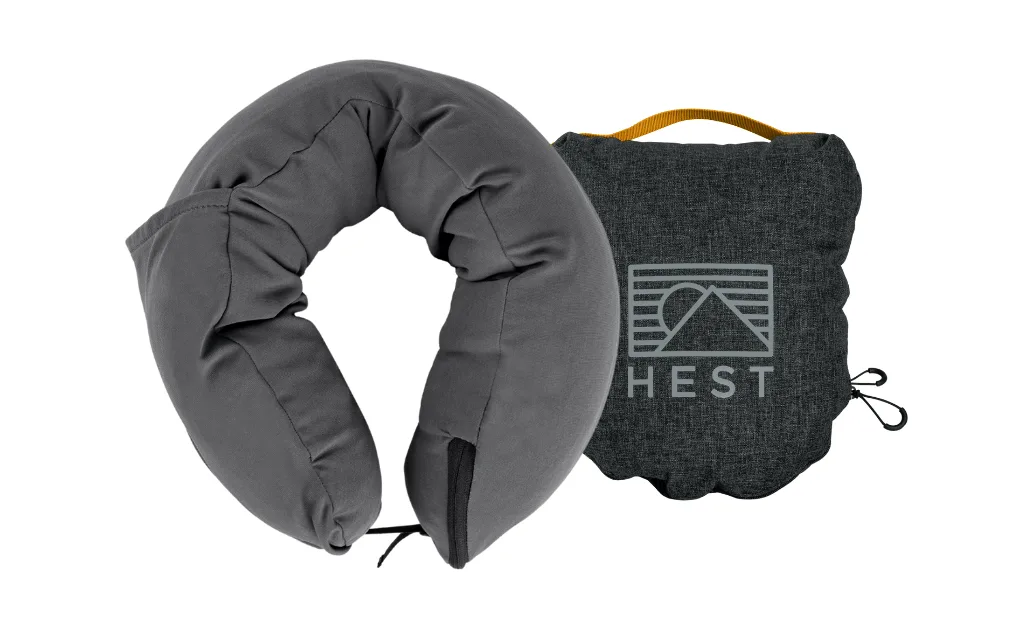
Verdict: false. A mattress pad without a matching pillow leaves comfort on the table. Pillow height and loft change how your neck aligns, and that affects whether you wake up rested. Pairing a pad with a pillow designed for the same system removes a lot of guesswork.
Bundles and multi-pillow packs can also reduce cost per item if you need more than one. If you camp with a partner or travel often, buying pillows together is usually smarter than buying them one at a time.
- Match pillow loft to your sleeping position and pad firmness.
- Check bundle pricing before buying pillows individually.
Verdicts on common camping pad buying claims
- Thicker is always better: Support comes from the base as much as the foam. A drop-stitch base under temperature resilient memory foam keeps you from sinking into uneven ground. Verdict: false. Compare base construction, not just thickness.
- The pump is optional: Drop-stitch pads need proper inflation to reach intended firmness. The HEST Pump fine-tunes firmness and adjusts air on the base. Verdict: false. Treat the pump as part of the system and carry a backup.
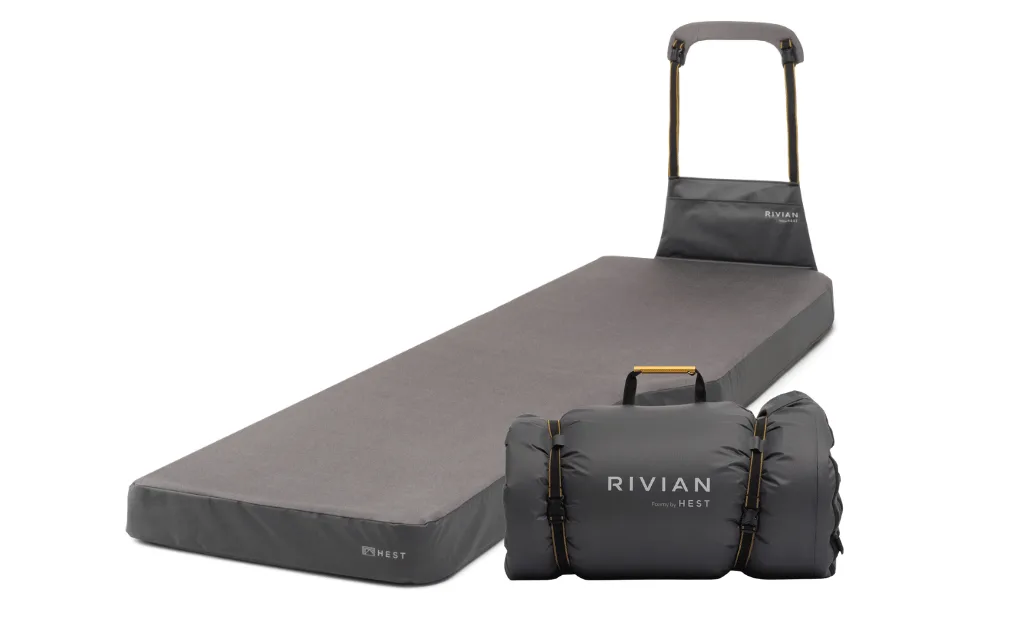
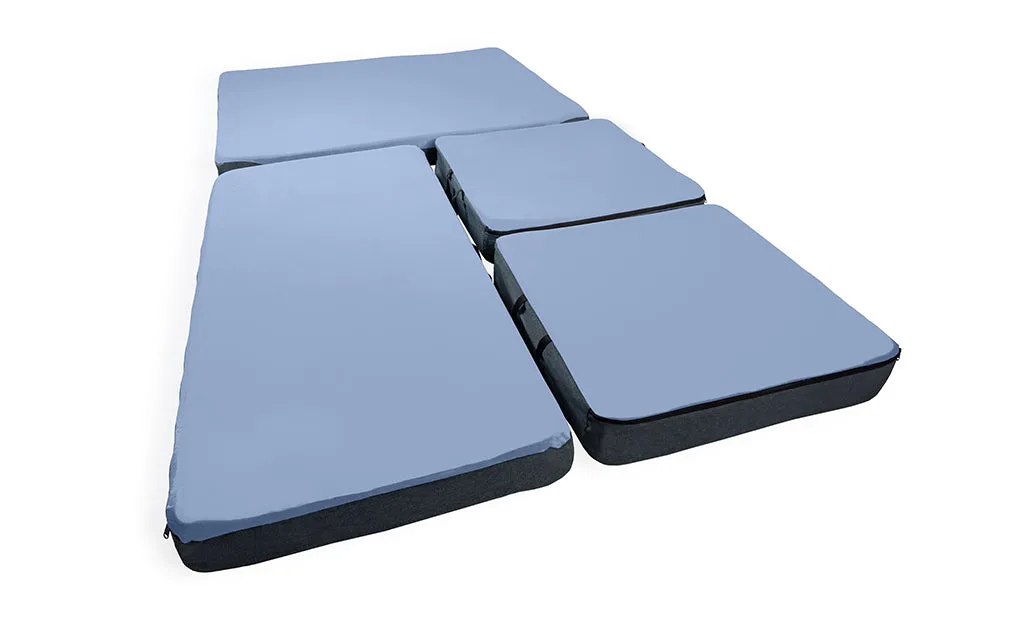
- One size fits all shelters: Pads built for specific campers, like the Dually Platform 50 for the GFC Standard Platform Camper, fit those spaces far better than generic sizes. Verdict: false. Measure your actual sleeping area first.
- Memory foam is always too bulky: It is heavier and bulkier than simple air pads, which matters for backpacking. For car camping and platform camping, the comfort tradeoff often favors memory foam. Verdict: partly false. Decide by transport method, then by foam.
- A five-minute store test is enough: Short tests on flat floors hide how a pad performs on uneven ground and after inflation settles. Test in your sleeping position for at least fifteen minutes. Verdict: false. Rely on construction facts and return policy.
Product facts that affect your decision
- Hest Sleep System: Flagship mattress combining high-quality temperature resilient memory foam with a supportive, durable outdoor-ready drop-stitch base, paired with a durable, easily packable memory foam pillow. This is the clearest example of foam plus base construction working together. If you want one purchase that covers mattress and pillow, this is the system to compare against.
- HEST Pump: Packable and easy to use, the pump fine-tunes firmness and adjusts the air on the drop-stitch base of the Sleep System. Drop-stitch pads depend on correct inflation. A dedicated pump is a functional part of the setup, and a backup prevents a trip-ending problem.
- Dually Platform 50: Designed as a premium sleep upgrade for the GFC Standard Platform Camper and other sleeping areas in platform campers. This shows why shelter-specific sizing matters. If you sleep in a platform camper, a pad designed to spec will fit better than a generic rectangular pad.
- https://hestty.com/products/pro-pack-c5dfef7acc7ed5f56b2ebae4-1913125Pro Travel Pillow Pack: Bundle pricing saves up to 25% off when you buy multiple Pro Travel Pillows together, with a 3-in-1 design that transforms from a neck pillow to other configurations. If you need more than one pillow, bundling lowers the per-pillow cost and covers travel and camping use with the same product.
Buying a camping mattress pad gets easier when you stop shopping by thickness and start shopping by how you camp. Match the pad to your shelter, your sleeping position, and your transport method. Then confirm the base, the pump, and the pillow. That sequence avoids the most common camping mattress buying mistakes and gets you a setup you will actually want to sleep on.