Quick Answer
To cook frozen pizza perfectly, preheat your oven to at least 450°F (232°C) and use a preheated baking sheet or pizza stone. Avoid overcrowding the oven, undercooking the crust, and overloading with wet toppings. Follow the package directions as a baseline, then adjust for your oven's quirks.
Frozen pizza is a weeknight lifesaver, but it’s easy to end up with a soggy center or a burnt crust. The good news? Most frozen pizza mishaps come down to a few fixable mistakes. Whether you’re heating up a classic cheese or a veggie-loaded pie, these tips will help you get that crispy, melty result you’re after.
We’ve broken down the five most common frozen pizza errors—from oven temperature to topping choices—and how to avoid them. No special equipment required, just a little attention to detail.
Mistake 1: Not Preheating the Oven (or the Pan)
One of the biggest mistakes is popping the pizza in before the oven reaches the right temperature. A cold oven means the crust starts cooking slowly, absorbing moisture and turning soft instead of crisp. The result? A pale, doughy crust and unevenly melted cheese.
Always preheat your oven to the temperature on the package—usually 425–450°F (218–232°C). For an extra-crispy bottom, place a baking sheet or pizza stone in the oven while it heats. Then, slide the pizza onto the hot surface. This immediate heat blast helps set the crust and prevents sogginess.
- Use an oven thermometer to verify your oven’s actual temperature—many run cooler than the dial shows.
Mistake 2: Overloading with Extra Toppings
It’s tempting to pile on extra cheese, veggies, or sauce to make frozen pizza taste more gourmet. But too many wet or heavy toppings can weigh down the crust and release moisture during baking, leading to a soggy middle.
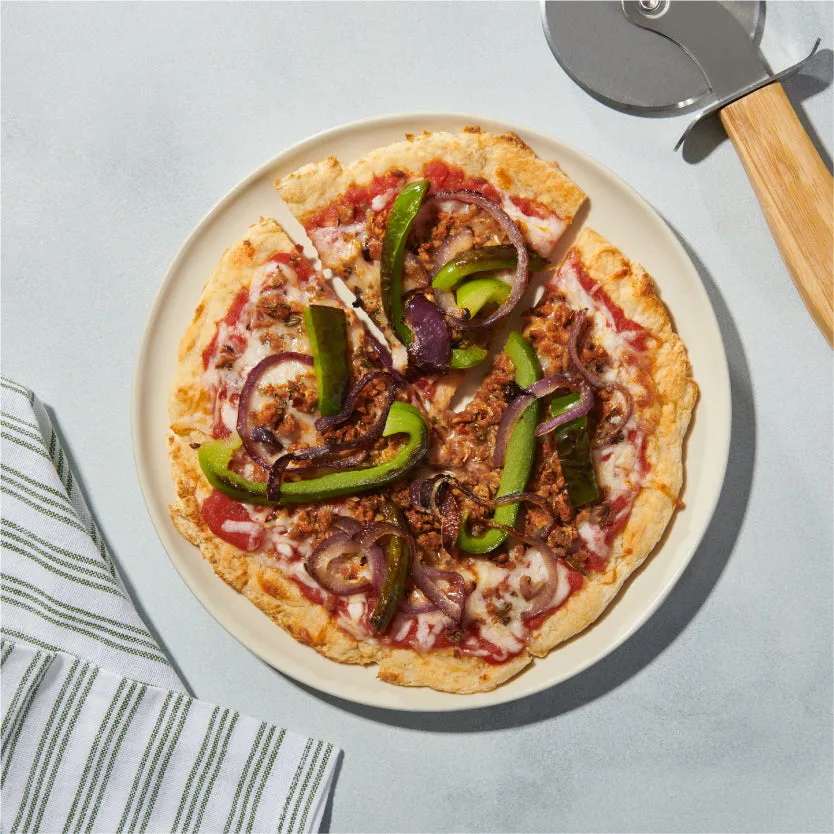
If you want to add toppings, keep them light and pre-cook wet ingredients like mushrooms or peppers to release excess water. Also, consider adding toppings halfway through baking so they heat through without making the crust soggy. Or, choose a pizza already loaded with veggies—like A Dozen Cousins’ 'Sausage' & Pepper Pizza, which features soy sausage crumbles, roasted garlic, fennel, thyme, mozzarella, green peppers, and red onion on a crispy cauliflower crust.
- Pat dry any fresh toppings with a paper towel before adding them.
Mistake 3: Using the Wrong Oven Temperature
Cooking frozen pizza at too low a temperature is a common error. Low heat (like 350°F) extends the baking time, drying out the toppings while the crust stays soft. On the flip side, an oven that’s too hot can burn the cheese before the center is cooked.
Stick to the recommended temperature on the package—usually 425–450°F. If your pizza has a thick crust, you might drop it to 400°F and bake longer. For thin or cauliflower crusts, the higher end of the range helps achieve crispness without overcooking. A Dozen Cousins' BBQ Seitan Pizza, for example, features a spinach crust that gets crispy at high heat, so don’t be afraid to follow the package's suggested setting.
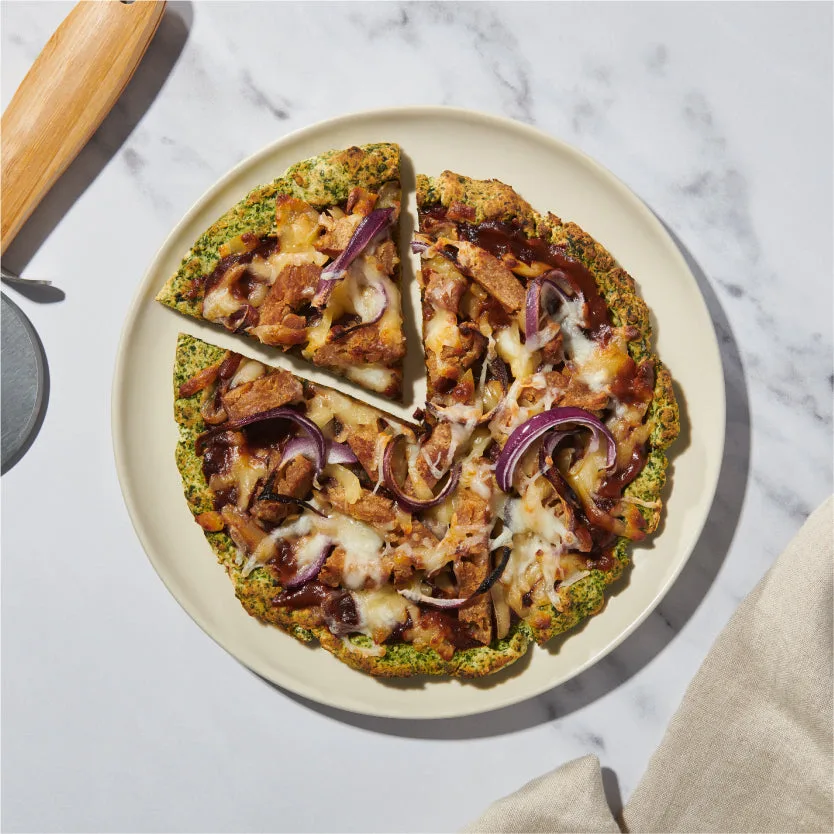
BBQ Seitan Pizza
- Check the pizza at the minimum bake time and add minutes as needed.
Mistake 4: Not Using a Rack or Baking Sheet Properly
Placing the pizza directly on the oven rack can lead to uneven cooking and drips that cause smoke. But putting it on a cold, unperforated baking sheet can trap steam and make the bottom soggy.
For best results, use a preheated baking sheet or pizza stone. If you use a sheet, ensure it’s hot before adding the pizza. Alternatively, bake the pizza directly on the rack with a sheet on the lower shelf to catch drips. This allows hot air to circulate, crisping the crust evenly. Some frozen pizzas, like those with a cauliflower crust, benefit from a few minutes on the rack to finish crisping.
- Avoid using parchment paper on a cold sheet—it can insulate the crust.
Mistake 5: Cutting and Serving Too Soon
It’s tempting to slice into the pizza the moment it comes out, but cutting too soon lets the steam escape, causing the cheese to slide and the crust to become chewy. The pizza needs a few minutes to set so the cheese firms up slightly and the crust holds its structure.
Let the pizza rest for 3–5 minutes after baking. This allows the interior to finish cooking from residual heat and makes slicing cleaner. If you’re serving a veggie pizza, the resting time also helps the toppings settle. Then, use a sharp pizza cutter to get clean slices without dragging the toppings.
- Resting is especially important for pizzas with a lot of sauce or wet toppings.
Diagnosing Your Frozen Pizza Problems
- Soggy crust: Likely cause: oven not hot enough or pizza placed on a cold pan. Corrective action: Preheat oven to 450°F and use a preheated baking sheet or stone. If still soggy, consider baking directly on the rack for the last few minutes. If the crust remains soggy after these fixes, your oven may run cool—check with an oven thermometer.
- Burnt toppings, raw center: Likely cause: oven too hot or pizza placed too close to the broiler. Corrective action: Reduce temperature to 425°F and move pizza to the middle rack. Check at minimum bake time. If the center is still doughy, the pizza may be too thick; consider a thinner crust variety.
- Cheese slides off: Likely cause: cutting too soon or overloading with wet toppings. Corrective action: Let pizza rest 3–5 minutes before slicing. If adding fresh veggies, pat dry or pre-cook them. If cheese still slides, your toppings may be too heavy—choose a pizza with balanced toppings like the 'Sausage' & Pepper Pizza.
Pizzas That Cook Up Crispy
- 'Sausage' & Pepper Pizza: Our crispy cauliflower crust is topped with soy sausage crumbles, roasted garlic, fennel and thyme for an authentic, but veggie spin on this classic. Smothered in mozzarella, fresh green peppers, and red onion. The cauliflower crust is designed to get crispy at high heat, so follow the package temperature and preheat your oven to avoid a soggy center.
- BBQ Seitan Pizza: Topped with a homemade sweet and smoky bbq sauce, melt in your mouth Monterey jack cheese and seitan pieces, this little slice of bliss sits on a spinach crust so crispy you’ll never know it’s not takeout. The spinach crust benefits from a preheated baking sheet or stone to achieve that crispy texture—don't skip the preheat.
Avoiding these five common mistakes will transform your frozen pizza from mediocre to mouthwatering. Remember to preheat properly, resist overloading, and give your pizza time to rest. With these tips, you'll enjoy a crispy, delicious pizza every time—whether it's a classic cheese or a veggie-loaded creation from A Dozen Cousins.