Quick Answer
The most common eco friendly flosser mistakes include using too much pressure, reusing a flosser pick too many times, and neglecting the curve of the tooth. To avoid these errors, glide the floss gently between teeth, use a fresh section for each gap, and follow the natural contour of each tooth. With a few simple adjustments, you can make your sustainable flossing routine both effective and comfortable.
Switching to eco-friendly flossers is a great step toward reducing plastic waste, but even the most sustainable tool won't do its job if you use it incorrectly. Many people assume flossing is flossing, but the design and material of eco-friendly picks require a slightly different technique than traditional floss or disposable plastic picks.
In this guide, we'll walk through the most common eco friendly flosser mistakes, explain why they happen, and show you how to fix them. You'll also learn when a flosser pick isn't the right choice for your dental needs and what to do instead.
Mistake 1: Applying Too Much Pressure
One of the most frequent eco friendly flosser mistakes is pressing too hard between teeth. Eco-friendly flossers, especially those made with recycled or plant-based materials, can feel stiffer than traditional floss. As a result, people often force the floss through tight contacts, which can irritate gums or cause the floss to snap.
The fix is simple: use a gentle sawing motion and let the floss find its own way. If you feel resistance, don't push. Instead, move the flosser back and forth lightly while applying minimal downward pressure. This is especially important with eco-friendly picks, as their materials may have slightly less give than conventional plastic.
- If the floss shreds or breaks frequently, you may be pressing too hard or the contact point is too tight. In that case, consider a different flossing tool.
Mistake 2: Reusing the Same Section of Floss
Many people use the same section of floss for multiple teeth, thinking it's still clean enough. But each pass picks up plaque and food particles, and reusing that section just spreads them around your mouth. This is a common eco friendly flosser mistake because the floss segment on a pick is short, so it's tempting to use it repeatedly.
The correct approach is to use a fresh section of floss for each gap. With a flosser pick, that means moving the pick to a new spot or using a different section of the floss strand. If you're using a reusable flosser handle with replaceable heads, change the head regularly to maintain hygiene.
- If you have very tight teeth and find it hard to reach with a pick, a traditional floss threader might be a better option.
Mistake 3: Ignoring the Curve of the Tooth
Flossing isn't just about getting between teeth—it's about cleaning the curved surface at the base of each tooth. Many people make the mistake of simply snapping the floss straight down and back up, missing the area where plaque tends to accumulate most.
To floss correctly, wrap the floss around the side of each tooth in a C-shape and gently slide it up and down, going slightly below the gumline. This technique removes plaque from the tooth surface, not just the gap. With a flosser pick, you can angle the handle to achieve this curve more easily.
- If you have bridges or wide gaps, a flosser pick may not be able to create the necessary C-shape—consider a water flosser or interdental brush instead.
Mistake 4: Flossing Too Quickly
Flossing is often rushed, especially at the end of a long day. But speed leads to sloppy technique, which means you're not actually removing plaque effectively. This is a common eco friendly flosser mistake because the pick format feels quick and convenient, so people assume a fast pass is enough.
Slow down and take your time. Aim for at least two minutes of flossing, spending a few seconds on each gap. Use a mirror if needed to ensure you're reaching the back teeth and following the correct technique. Quality matters more than speed.
- If you consistently skip flossing because it takes too long, consider a water flosser as a faster alternative—but note that it doesn't replace the mechanical action of string floss for plaque removal.
Mistake 5: Not Rinsing After Flossing
After flossing, you've loosened plaque and food particles from between your teeth. If you don't rinse, those particles can settle back onto your teeth or along the gumline. Many people forget this step, especially when using flossers, because they think the floss removed everything.
Always rinse your mouth with water or mouthwash after flossing to wash away the debris. If you're using toothpaste tablets, you can floss before brushing, then brush and rinse as usual. This ensures a thorough clean.
- If you have sensitive gums, rinsing with a gentle, alcohol-free mouthwash can help soothe irritation.
Diagnosis: Is Your Flossing Technique on Track?
- Symptom: Gums bleed or feel sore after flossing: Likely cause: applying too much pressure or flossing too aggressively. Corrective action: use a gentle sawing motion and avoid forcing the floss. Takeaway: If bleeding persists after a week of gentle flossing, consult your dentist.
- Symptom: Floss shreds or breaks mid-use: Likely cause: using a worn section of floss or pressing too hard. Corrective action: use a fresh section for each gap and reduce pressure. Takeaway: If shredding continues, consider a different floss material or a water flosser.
- Symptom: You skip flossing because it takes too long: Likely cause: rushing or not having the right tool. Corrective action: slow down and focus on technique, or try a more convenient tool like a flosser pick. Takeaway: If you still can't maintain a routine, explore alternatives like interdental brushes or water flossers.
Eco-Friendly Flosser Options to Consider
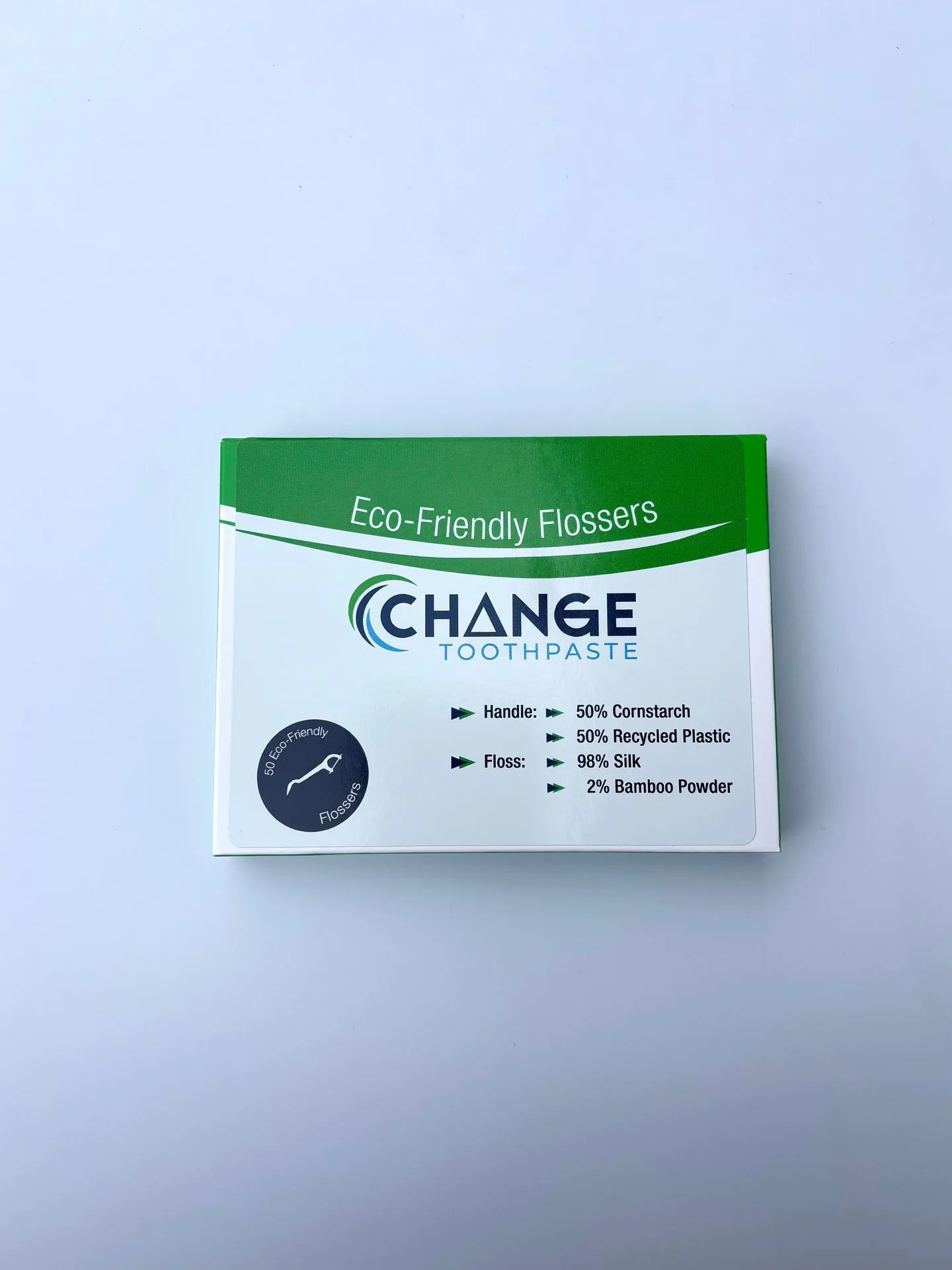
- Wholesale 50 Eco-Friendly Flossers - Boxed: Made with 50% cornstarch and 50% recycled polypropylene, these picks are designed to reduce the use of virgin plastic found in traditional flosser picks while delivering a smooth, effective clean between teeth. The ultra-thin floss is made from 98% silk and 2% bamboo powder, shred-resistant, and gentle. If you're looking for a flosser that's gentler on gums and the planet, this option uses less virgin plastic and features a silk-based floss that's less likely to shred—addressing two common flosser mistakes: harsh pressure and floss breakage.
- Wholesale Bamboo Travel Toothbrush: Our Bamboo Travel Toothbrush screws together to form a full-size, stand-up toothbrush, then unscrews to store neatly inside its own protective travel case. No extra pieces, no plastic tubes, no bulky bits — just one smart, compact design. Made from smooth, durable and renewable bamboo. Pair your eco-friendly flossing routine with a travel-friendly bamboo toothbrush to maintain a consistent oral care habit on the go, reducing the chance of skipping flossing when you're away from home.
Avoiding these common eco friendly flosser mistakes will help you get the most out of your sustainable oral care routine. Remember to be gentle, take your time, and rinse after flossing. If you find that flosser picks aren't working for your dental needs, don't hesitate to explore other eco-friendly options. Your teeth and the planet will thank you.