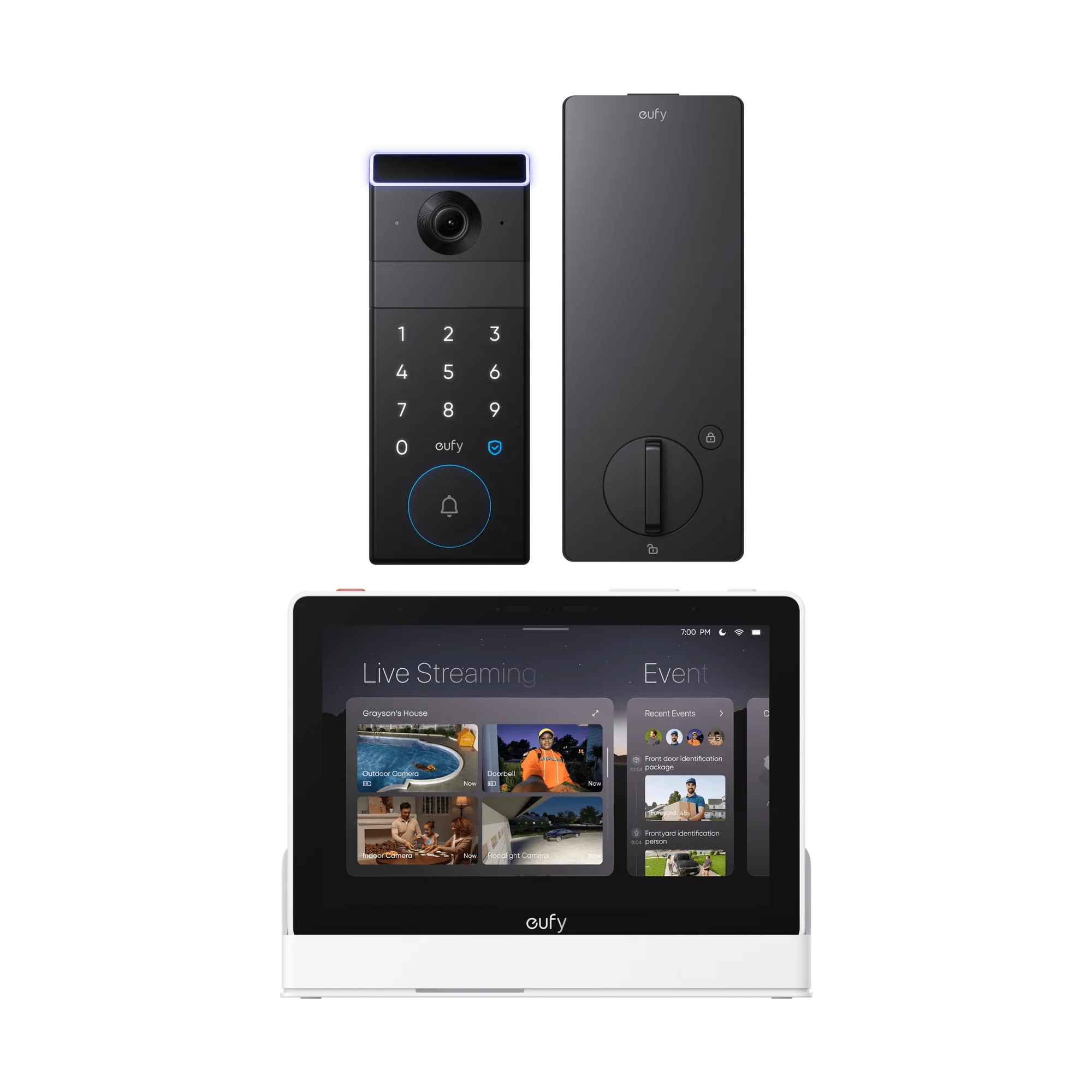
Quick Answer
Smart locks are generally as secure as traditional deadbolts, and often more so when used with best practices like strong passwords and firmware updates. Common fears about hacking and reliability are largely overblown, but understanding the real trade-offs helps you choose and use a smart lock wisely.
Smart locks have become a popular upgrade for modern homes, but they still face skepticism. Concerns about hacking, battery failures, and the reliability of digital access often make homeowners hesitate. Let's separate fact from fiction and look at what these devices actually offer.
We'll examine the most common myths about smart locks, from security vulnerabilities to the fear of being locked out. By the end, you'll have a clearer picture of whether a smart lock fits your lifestyle and how to address any legitimate concerns.
Myth 1: Smart Locks Are Easy to Hack
The idea that any tech-savvy intruder can remotely hack your smart lock is a persistent fear. In reality, most smart locks use strong encryption and require physical access or advanced skills to compromise. While no device is 100% hack-proof, the risk is comparable to traditional lock picking—which also requires skill and tools.
What matters more is how you use the lock. Simple habits like using a unique, strong password for your smart lock app, enabling two-factor authentication, and keeping firmware updated go a long way. These steps reduce the already low risk and ensure your lock stays ahead of potential vulnerabilities.
- Always change default passwords and enable two-factor authentication if available.
Myth 2: Smart Locks Are Less Secure Than Traditional Deadbolts
Traditional deadbolts are familiar, but they have their own weaknesses—lock bumping, picking, and lost keys are real risks. Smart locks often add features like tamper alerts, activity logs, and remote monitoring, which can enhance security beyond what a standard deadbolt offers.
For example, some smart locks allow you to grant temporary access codes, so you never have to share a physical key. This reduces the risk of unauthorized copies. While a smart lock's electronic components introduce new considerations, the overall security profile is comparable, if not superior, for most homeowners.
- Consider a smart lock with a built-in alarm or tamper detection for added peace of mind.
Myth 3: Smart Locks Will Leave You Locked Out
Battery failure is a common worry, but smart locks are designed with fallbacks. Most have a low-battery warning and a physical key override, so you're never truly stuck. Some models even allow you to power the lock temporarily with a 9V battery from outside.
The key is to pay attention to alerts and replace batteries proactively. With a little routine care, the risk of being locked out is minimal—and you'll likely find it more convenient than fumbling for keys in the dark.
- Keep spare batteries handy and replace them as soon as you see a low-battery notification.
Verdicts on Common Smart Lock Myths
- Smart locks are easy to hack: With proper security practices like strong passwords and updates, the risk is low and comparable to traditional lock picking. Adopt good cyber hygiene to minimize any residual risk.
- Smart locks are less secure than traditional deadbolts: Smart locks offer features like activity logs and temporary codes that enhance security beyond a standard deadbolt. Evaluate your specific needs; smart locks can be equally or more secure.
- Smart locks will leave you locked out: Battery warnings and physical key overrides prevent lockouts. Regular maintenance ensures reliability. Replace batteries proactively to avoid inconvenience.
Smart Lock Features That Address Common Concerns
- eufy Rechargeable Battery for https://eufydu.com/products/t81721w1-5e6b6e62b8b0c59ae32046ab-563392eufyCam S4, S330 3-in-1 Video Smart Lock, E330 Video Smart Lock, Smart Lock S230, Smart Lock E31 and Smart Drop, Black: 10,000 mAh Capacity compliments each advanced feature. Rechargeable: Save you money and enjoy the convenience that single-use batteries never have. Easily Swap the Battery Without Moving the Device. For smart locks, a rechargeable battery means you can keep the lock powered without frequent replacements, and swapping is quick and easy—addressing the fear of being locked out due to dead batteries.
- eufy S1 Pro Wearable Heated Electric Breast Pump with Charging Case: The Only Wearable Breast Pump with Heating: Choose from 7 adjustable heat settings (ranging from 35°C to 41°C) with innovative HeatFlow technology that gently warms during pumping to boost milk output by 30% and prevent clogs. While not a smart lock, this product demonstrates eufy's commitment to thoughtful design and reliability, which extends to their smart lock lineup. It shows the brand's focus on user-friendly features that address real concerns.
Smart locks are a practical and secure choice for most homes when used correctly. By debunking these myths, we hope you feel more confident in considering a smart lock upgrade. Remember to prioritize strong passwords, firmware updates, and battery care—and you'll enjoy the convenience and peace of mind that smart locks offer.