Quick answer
Most wireless fence problems are training and setup errors, not equipment failures. Set the boundary before you ever put the collar on your dog, keep sessions short and positive, and supervise every outdoor trip for the first few weeks. If your dog still bolts after four to six weeks of consistent, reward-based training, a wireless fence may not suit that dog, and a physical fence or professional trainer is the better call.
A wireless fence looks like a shortcut: bury nothing, string no wire, and let the collar do the work. In practice, the system only works as well as the setup and the training behind it, and that is where new owners get tripped up.
The good news is that nearly every common problem has a specific, fixable cause. Below, each issue is broken into the symptom you will actually see, the likely cause, the corrective action, and the point where you should stop and choose a different option.
Mistake 1: Setting the boundary by feel instead of by test
The symptom shows up fast: your dog gets a correction in the house, near the garage, or in a corner of the yard you thought was safe. The likely cause is a boundary radius set too wide for the lot, or a transmitter placed where walls, metal siding, or a parked car distort the signal. Walk the actual boundary with the collar in test mode and flag where the warning tone starts, not where you assume it should.
Correct it by shrinking the radius until the warning zone sits inside your usable yard, then re-test at several points, including the far corners. If the signal bleeds into the house no matter where you move the transmitter, that is a hardware or layout limitation, not a training problem.
- Test the boundary at least twice: once when you set it, once a week later after any landscaping or furniture changes.
- Re-check the boundary after storms or power outages, since some transmitters reset to default settings.
Mistake 2: Skipping the training phase and going straight to the yard
The symptom is a dog that freezes at the door, refuses to go out, or bolts the moment the collar goes on. The likely cause is that the dog never learned what the warning tone means before it ever felt a correction. The tone has to become a reliable cue for 'turn around' while the dog is calm, on a leash, and still inside the safe zone.
Correct it by going back to short indoor or leashed sessions: tone first, reward for turning toward you, and only then progress toward the boundary. Ten to fifteen minutes a day beats one long weekend session. If your dog shows fear or shutdown after several calm sessions, stop and get a trainer involved rather than pushing through.
- Pair the warning tone with a high-value reward every single time during the learning phase.
- Keep the first two weeks on a long line so you can guide your dog back without chasing.
Mistake 3: Assuming one collar fits every dog in the house
The symptom is one dog responding well while another ignores the boundary entirely. The likely cause is that the second dog was never trained on the system, or the collar is not fitted or set correctly for that dog. A receiver collar is not a plug-and-play device you can hand off; each dog needs its own fit check and its own training progression.
Correct it by fitting the collar snugly high on the neck, checking contact daily for irritation, and running the same tone-first training sequence for the second dog. If you are adding a dog to an existing system, the PAC00-16163 PetSafe® Add-A-Dog Receiver Collar is designed for exactly that, and its adjustable fit suits different neck sizes.
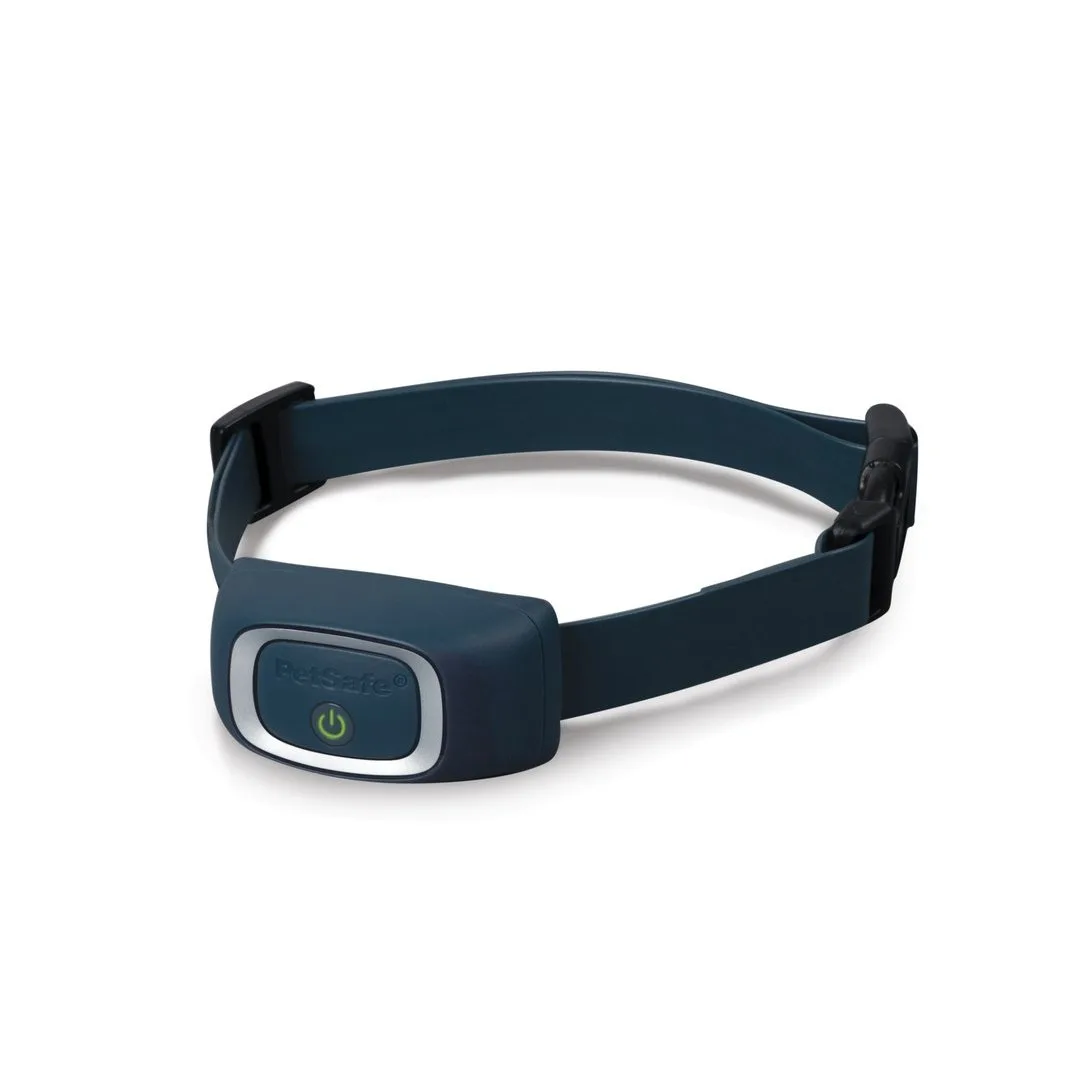
PAC00-16163 PetSafe® Add-A-Dog Receiver Collar
- Check contact points every day for the first two weeks; redness means the fit is too loose or worn too long.
- Never leave a receiver collar on a dog that is unsupervised or crated.
Mistake 4: Blaming the fence when the real problem is the dog's environment
The symptom is a dog that respects the boundary all week and then blows through it when a delivery truck, a squirrel, or a neighbor's dog appears. The likely cause is prey drive or excitement overriding training that was never proofed around distractions. A wireless fence raises the cost of leaving, but it does not remove the motivation.
Correct it by practicing near the boundary at low distraction first, then adding mild distractions on a long line, and only then trusting the system unsupervised. If your dog has a strong chase drive and repeatedly breaks through even after proofing, that is your stop point: no containment system should be the only thing standing between a high-drive dog and a road.
- Log every breakout with what triggered it; patterns tell you which distraction to train against next.
- Keep the dog on a leash near the boundary during high-traffic times like school pickup.
Diagnosis: match the symptom to the fix
- Dog gets corrected inside the house or in a safe zone: The boundary radius is too wide or the transmitter is picking up interference from walls, metal, or vehicles. Walk the boundary in test mode and shrink the radius until the warning zone sits inside the yard. If the signal still bleeds indoors after repositioning, that is a layout limitation, not a training issue.
- Dog panics at the door or refuses to go outside: The dog never learned the warning tone as a cue before feeling a correction. Return to leashed, indoor tone-and-reward sessions and rebuild the association slowly. If fear or shutdown continues after several calm sessions, stop and bring in a professional trainer.
- Dog respects the boundary until something exciting appears: Training was never proofed around distractions. Practice at low distraction on a long line, then add mild triggers, and only then allow supervised off-leash time. If a high-drive dog repeatedly breaks through after proofing, choose a physical fence or professional training instead of relying on the wireless system alone.
Gear that supports the fix
- PAC00-16163 PetSafe® Add-A-Dog Receiver Collar: This receiver collar is designed to assist in training your pet for off-leash safety and is easily adjustable to fit the neck of various dogs, making it a versatile choice for owners with multiple canine companions. If you are adding a second dog to an existing wireless system, this is the piece that lets both dogs train on the same boundary instead of one dog being left out.
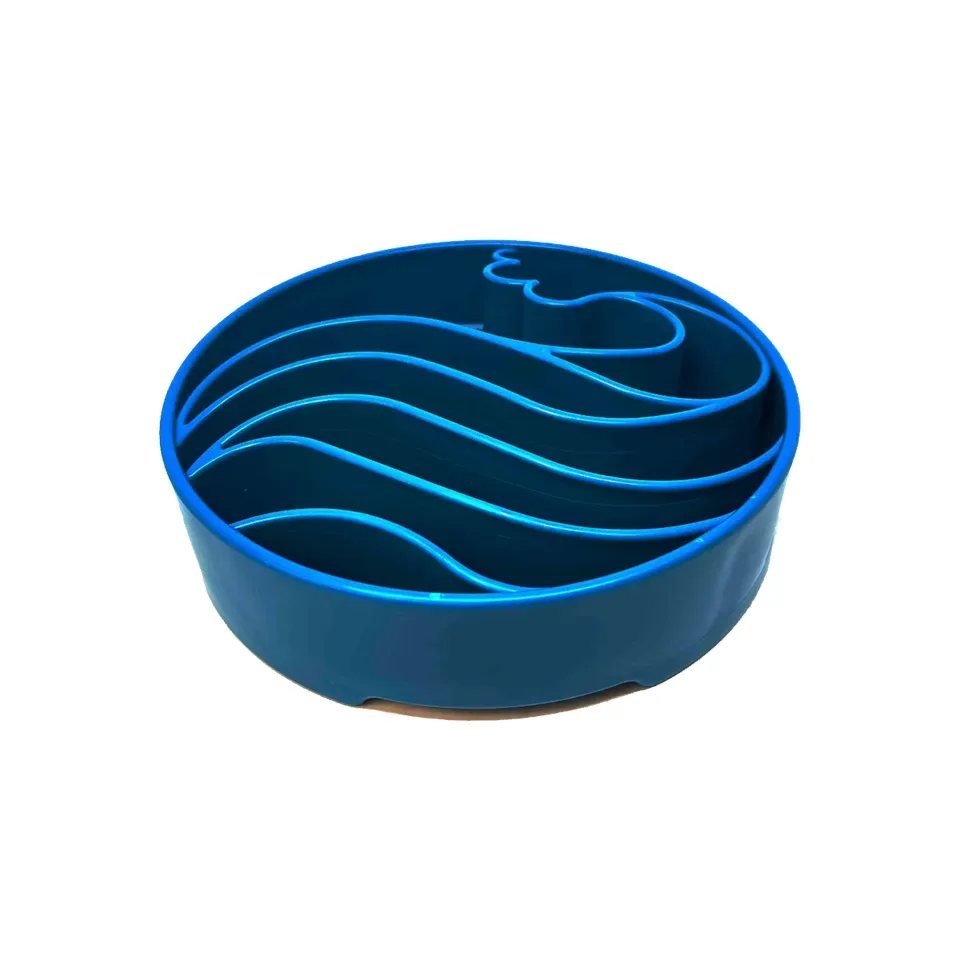
- NEW! Wave Bowl Enrichment Slow Feeder Bowl: The Wave Bowl's segmented design is more difficult than other slow feeder bowls and promotes healthy slower eating, providing an interactive answer to a pup's speedy eating habits. Training sessions go better when your dog is not gulping dinner right before or after. A slower meal can help settle a dog that gets over-aroused during boundary work.
Wireless fences fail for predictable reasons, and almost all of them are fixable with better setup and slower training. Work the diagnosis above in order, give each fix a full week before judging it, and know your stop point: if a high-drive dog keeps breaking through after consistent training, a physical fence or a trainer is the safer answer.