When you walk down the pet food aisle, the sheer number of options can be overwhelming. Bags, cans, pouches, and toppers all make bold claims about nutrition. But not all pet foods are created equal. One of the most important distinctions you need to understand is between complete and complementary pet foods. Knowing the difference can help you build a balanced diet that meets your pet’s specific needs and avoids nutritional gaps.
Complete pet foods are formulated to provide all the essential nutrients your dog or cat requires in the right proportions. Complementary foods, on the other hand, are designed to be fed alongside a complete diet to add variety, extra moisture, or targeted nutrients. In this guide, we’ll break down what these terms mean, how to read pet food labels, and how to use both types of food to keep your furry friend healthy and happy.
What Is Complete Pet Food?
Complete pet food is any product that contains all the necessary nutrients—proteins, fats, carbohydrates, vitamins, and minerals—in the correct balance to sustain your pet’s health when fed as the sole source of nutrition. These foods are rigorously tested and must meet standards set by organizations like the Association of American Feed Control Officials (AAFCO) or the European Pet Food Industry Federation (FEDIAF). A complete diet ensures that your pet does not develop deficiencies or excesses that could lead to health problems over time.
Examples of complete pet foods include most dry kibbles, canned wet foods, and gently cooked meals that are labeled as “complete and balanced.” For instance, a product like RawMix Open Prairie Ancient Grains Dog Kibble is formulated to deliver all essential nutrients, making it suitable as a standalone meal. Similarly, wet foods such as Icelandic Cod & Herring Wet Food for Dogs can be complete if the label states it meets AAFCO requirements. Always check the packaging for phrases like “complete and balanced” or “100% nutritionally complete.”

RawMix Open Prairie Ancient Grains Dog Kibble
- Look for an AAFCO nutritional adequacy statement on the label to confirm a food is complete.
What Is Complementary Pet Food?
Complementary pet foods are not meant to be fed as a sole source of nutrition. Instead, they are designed to supplement a complete diet by adding flavor, texture, moisture, or specific nutrients. These products include meal toppers, treats, broths, and some wet foods that lack the full nutritional profile required for a balanced diet. Feeding only complementary food can lead to malnutrition over time, so they should always be used in combination with a complete food.
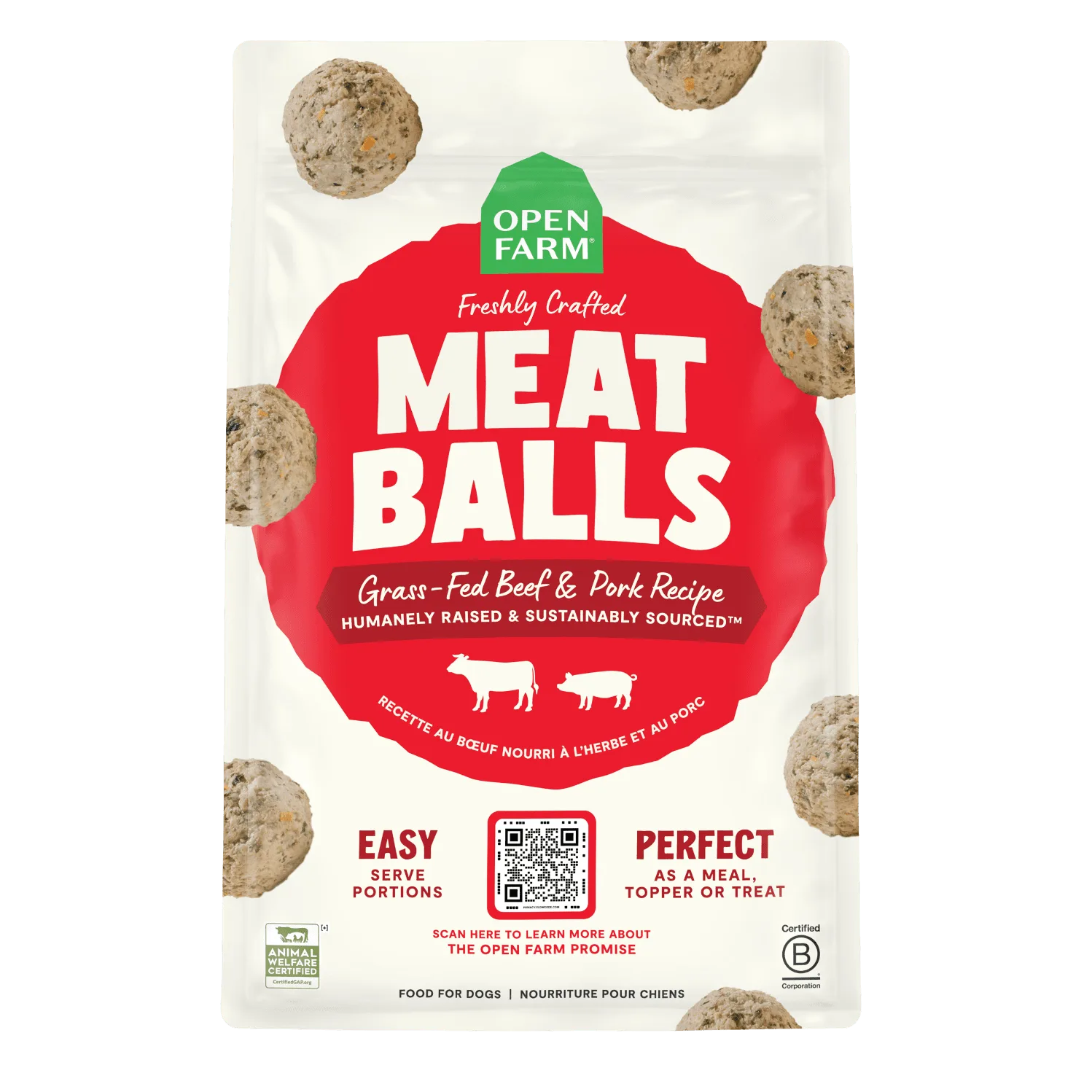
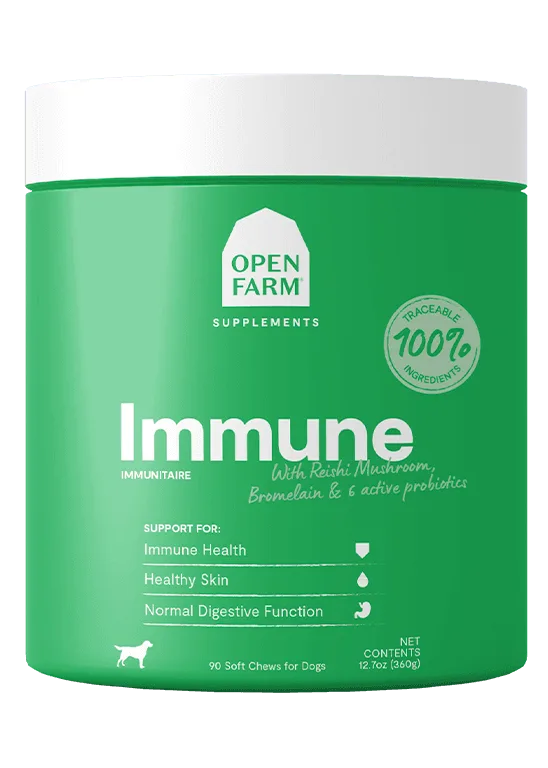
A popular example of a complementary product is a meal topper, such as Salmon & Cod Topper for Dogs. This freeze-dried topper adds omega-3 fatty acids and protein to your dog’s bowl, but it doesn’t provide all the vitamins and minerals needed for a complete diet. Another common complementary product is the Calming Health Supplement Chews for Dogs, which support relaxation and stress relief but are not a food replacement. Always follow feeding guidelines on complementary products to avoid over-supplementation.
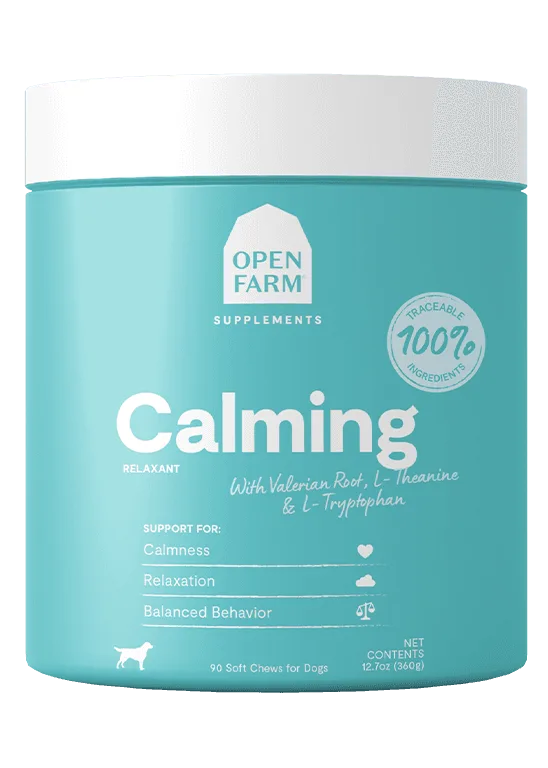
Calming Health Supplement Chews for Dogs
- Complementary foods should make up no more than 10% of your pet’s daily caloric intake to maintain nutritional balance.
How to Read Pet Food Labels for Complete vs. Complementary Claims
Pet food labels are regulated, but the terminology can be confusing. The key phrases to look for are “complete and balanced,” “formulated to meet AAFCO nutrient profiles,” or “100% nutritionally complete.” These indicate the food is intended as a sole diet. Products labeled as “supplemental,” “complementary,” “treat,” or “topper” are not complete. Also, check the guaranteed analysis and ingredient list to ensure the food aligns with your pet’s life stage—puppy, adult, or senior.
For cats, wet food textures like pâté or morsels can be either complete or complementary. For example, Kitten Chicken & Salmon Pâté for Cats is a complete wet food designed for growing kittens, while a complementary topper might lack taurine or other essential feline nutrients. Always verify the label, especially when feeding a product like Chicken & Pollock Healthy Weight Pâté for Cats, which is formulated as a complete diet for weight management. When in doubt, consult your veterinarian.
- If a product does not have an AAFCO statement, it is likely complementary and should not be fed as a meal.
Building a Balanced Diet with Both Types of Food
Many pet parents choose to mix complete and complementary foods to provide variety and address specific health concerns. For instance, you might feed a complete kibble like RawMix Open Prairie Ancient Grains Dog Kibble as the base and add a complementary topper for extra flavor or omega-3s. This approach can help picky eaters, support joint health, or simply make mealtime more exciting. However, it’s crucial to ensure the complete food still provides at least 90% of your pet’s daily nutrients.
For dogs with sensitive stomachs or allergies, single-protein complementary toppers can be a great way to introduce new ingredients without upsetting their diet. Similarly, for cats, a complementary broth or topper can increase water intake, which is beneficial for urinary tract health. Always introduce new foods gradually over 7–10 days to monitor for adverse reactions. If you’re unsure about proportions, a veterinary nutritionist can help you design a balanced feeding plan.
- Start by replacing 10% of your pet’s complete food with a complementary product and adjust based on their response.
Common Mistakes to Avoid When Using Complementary Foods
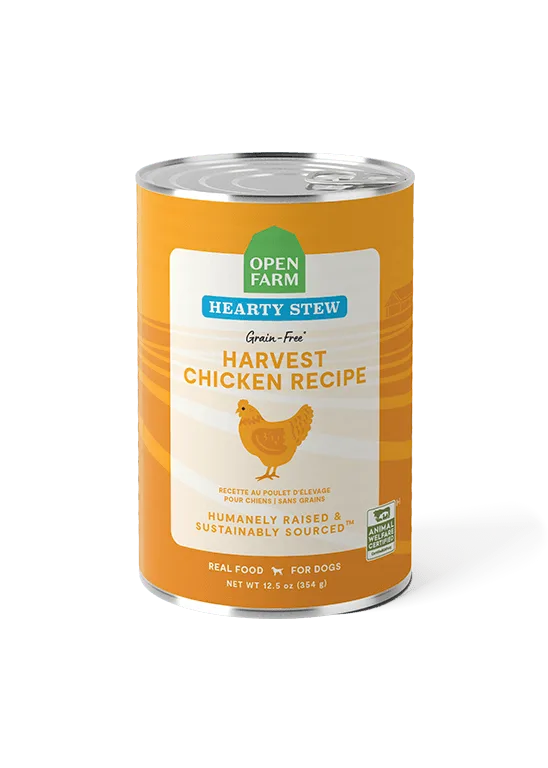
One of the most common mistakes pet owners make is assuming that all wet or fresh foods are complete. For example, gently cooked meals like Limited Edition Winter Blend Gently Cooked for Dogs may be labeled as complementary, meaning they lack certain nutrients and should be paired with a complete base. Another mistake is overfeeding treats or toppers, which can unbalance the diet and lead to obesity or nutrient deficiencies.
It’s also important to avoid using complementary foods as a replacement for veterinary-prescribed diets. If your pet has a medical condition, always follow your vet’s recommendations. Additionally, don’t rely solely on supplement chews like Calming Health Supplement Chews for Dogs to address behavioral issues—they should be part of a holistic approach that includes training and environmental enrichment. By understanding the role of each product, you can make informed choices that support your pet’s long-term health.
- Keep a log of everything you feed your pet for a week to ensure you’re not exceeding the 10% rule for complementary items.
Understanding the difference between complete and complementary pet foods empowers you to make smarter choices for your dog or cat. By reading labels carefully and using complementary products as intended, you can provide a balanced diet that supports their health and happiness. For a delicious and nutritious complete option, explore our Salmon & Cod Topper for Dogs to add variety to your dog’s meals while keeping their diet on track.