Quick answer
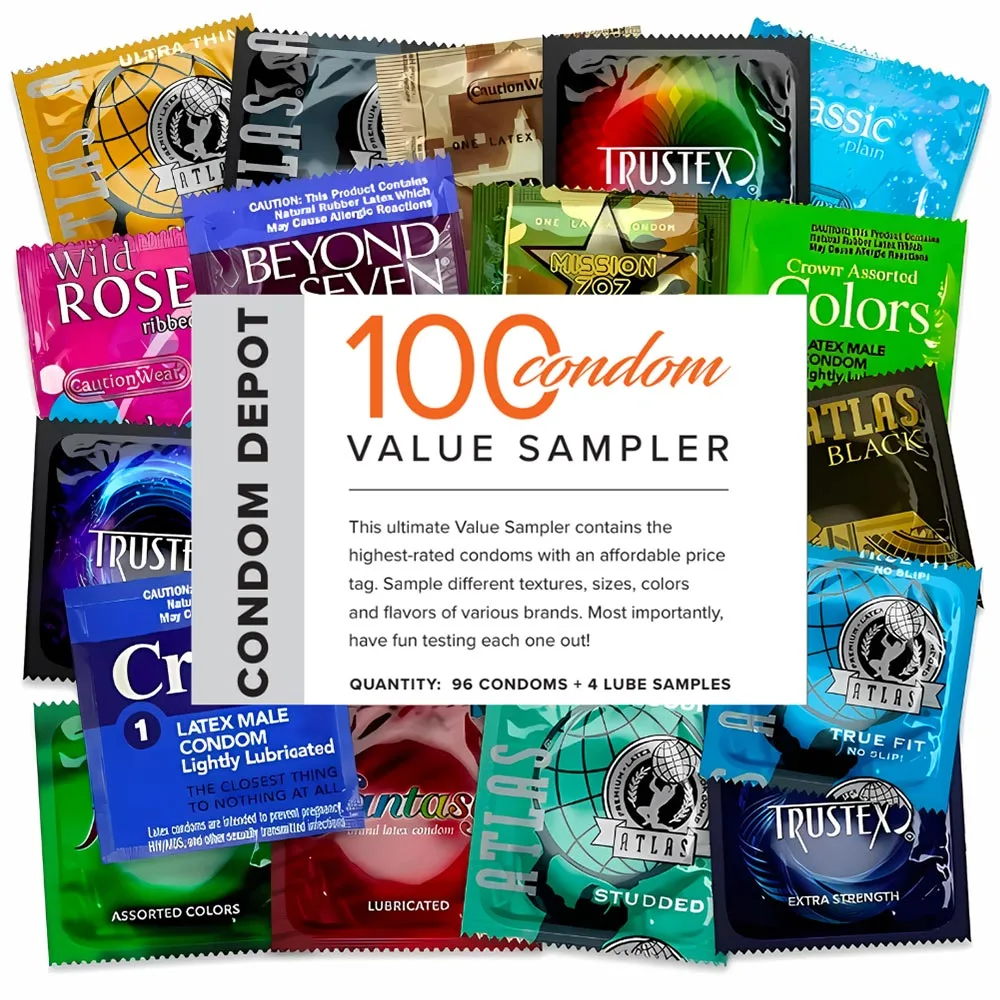
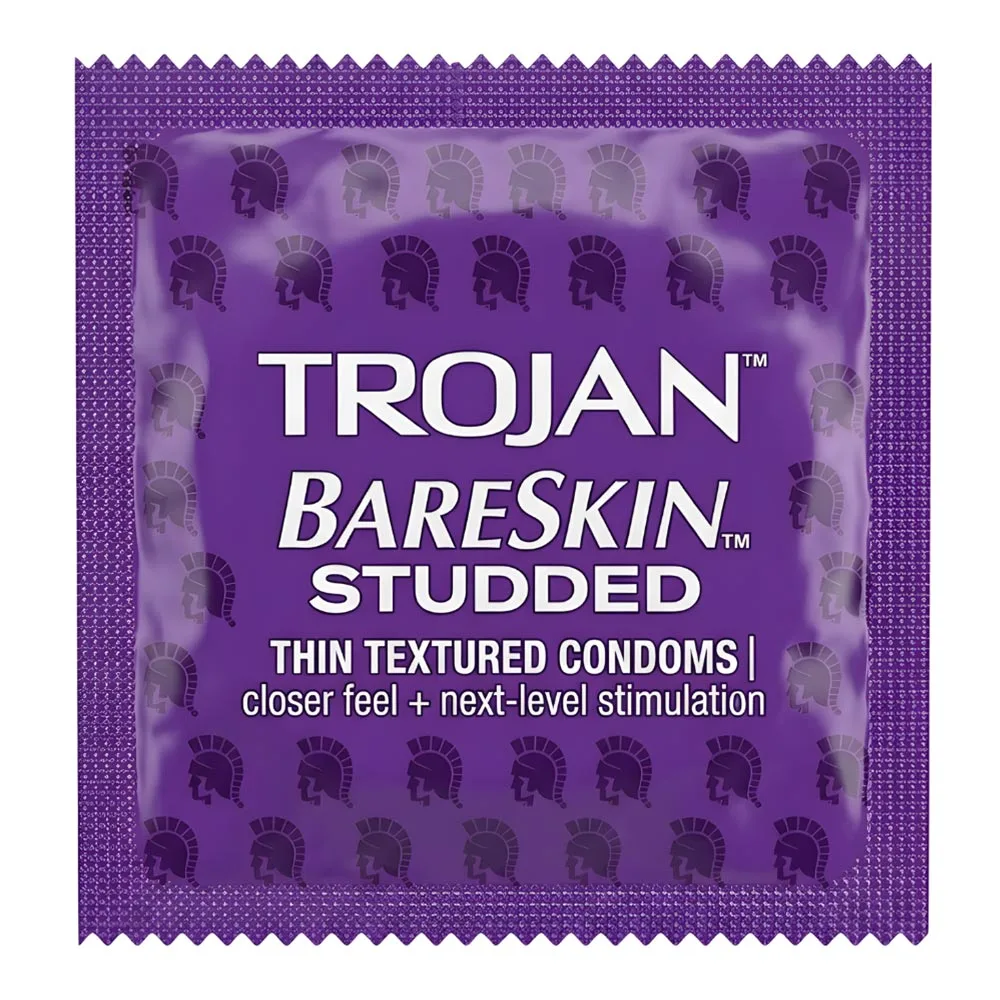
A condom sampler pack works best when you treat it as a fit test, not a novelty box. Start with three to five condoms that differ in one variable at a time—nominal width, material, or texture—and note comfort, slippage, and sensation after each. If you already know latex fits well and want a thinner feel with added stimulation, Trojan Bareskin Studded Condoms are a targeted next step. If you are still narrowing down your baseline size and material, the Casanova Condom Sampler Pack gives you a broader starting range.
What a sampler pack can and cannot tell you
A sampler pack lets you test real-world fit and feel without buying a full box of one style. That matters because condom comfort depends on how a specific combination of nominal width, material, and lubrication interacts with your body—not on a single number. What a sampler cannot do is tell you which condom is objectively best; it only tells you which one fits and feels best for you. Treat every sample as data, not a verdict.
Before you open anything, check the expiration date and store the pack away from heat and direct sunlight. Latex and polyisoprene condoms degrade faster with heat and friction, so a sampler that sat in a hot car is not a fair test. If a condom feels unusually stiff or tacky, discard it rather than using it as a comparison point.
How to run a fair fit comparison
Change one variable at a time. If you switch width, material, and texture all at once, you will not know which change caused the difference. A practical sequence: test two condoms of the same material but different nominal widths, then test the better-fitting width in a second material, then add texture or a thinner design. Keep notes on three things—roll-down resistance, whether the base stays put, and whether you feel pinching or bunching.
Fit problems show up in predictable ways. A condom that is too tight leaves a red ring at the base and can reduce sensation; one that is too loose wrinkles along the shaft and may slip. If a condom breaks, do not assume the brand is wrong—check whether it was pinched at the tip, whether air was trapped, or whether the lubricant you used was oil-based with a latex condom. Oil-based lubes weaken latex and should not be used with it.
Material and texture: what changes feel
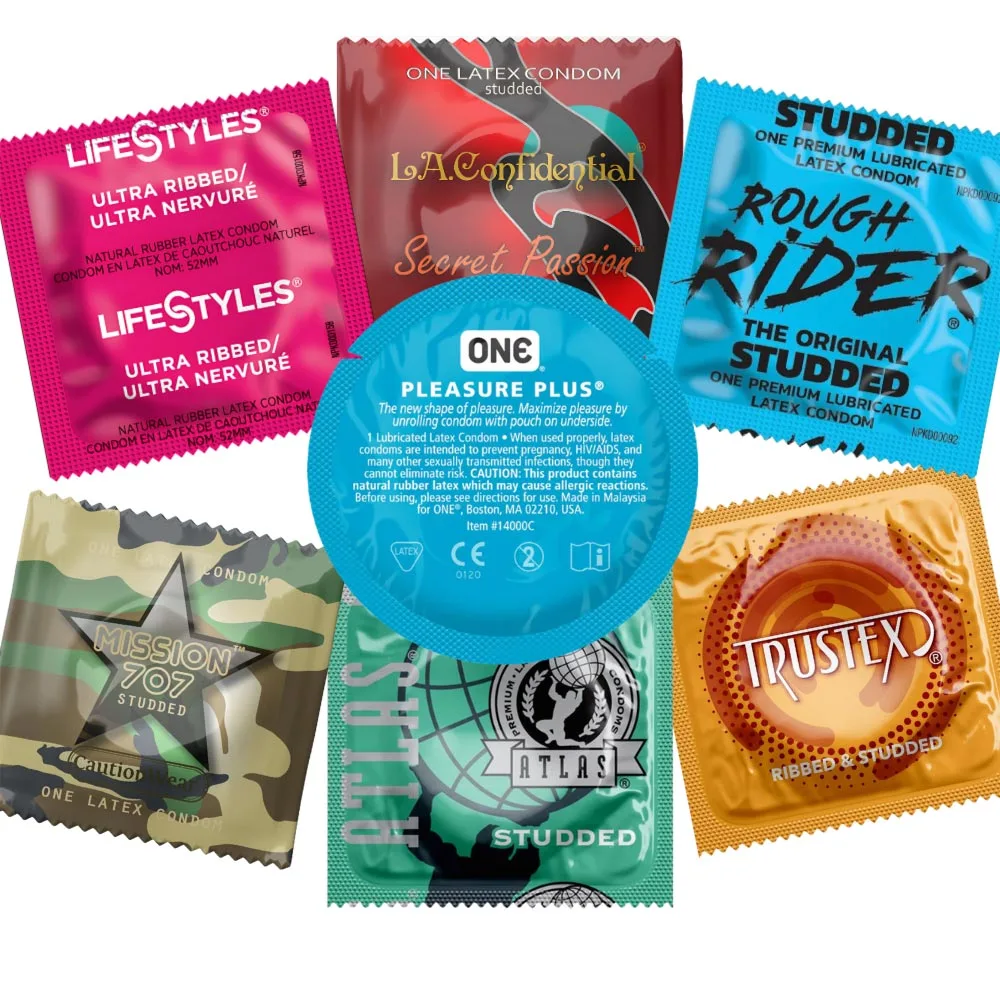
Latex remains the most widely tested and elastic material, but some people prefer polyisoprene or polyurethane for sensitivity or for a latex allergy. Thinner latex designs increase sensation but leave less margin for error if fit is already borderline. Texture—studs, ribs, or dots—adds stimulation for a partner but can also increase friction, so pair textured condoms with a compatible lubricant rather than relying on the condom's own coating.
Lubricant choice is part of the comparison, not an afterthought. Silicone lubricant stays slippery longer and works with latex, polyisoprene, and polyurethane condoms. Water-based lubricant is easier to rinse and is safe with all condom materials, but it needs reapplication. If you are testing several condoms in one session, use the same lubricant each time so you are comparing the condoms, not the lube.
When a sampler is the wrong purchase
If you have already identified a condom that fits well and you use it consistently, a sampler adds cost and decision fatigue without new information. The same is true if you need a guaranteed supply for a specific event or a shared space—buying a full box of your known fit is more practical. Bulk cases make sense only after you have confirmed a style you will actually use, because condoms do expire and storage conditions matter.
If you have a diagnosed latex allergy, skip latex samplers entirely and go straight to a non-latex option rather than testing through a pack. If you are buying for multiple people with different preferences, a variety pack can work, but expect to discard the styles nobody likes—factor that into the value comparison.
Decision rules for your sampler
- Rule 1: One variable per test: Change only width, material, or texture between condoms. If two things change at once, you cannot attribute the difference. Keep a simple note for each sample: fit, comfort, sensation.
- Rule 2: Fit beats features: A textured or ultra-thin condom that slips or pinches is not an upgrade. Resolve width and material first, then add texture. If the base rolls up or the shaft wrinkles, stop and adjust size before testing more styles.
- Rule 3: Match lubricant to material: Use silicone or water-based lubricant with latex, polyisoprene, and polyurethane. Never use oil-based lubricant with latex. Keep the lubricant identical across tests so you are comparing condoms, not lube.
- Rule 4: Buy bulk only after you commit: A 1000-condom case is cost-effective only when you have a confirmed fit and realistic usage. Otherwise, expiration dates and storage heat work against you. Confirm your style with a sampler or a small box before scaling up.
Product facts
- Casanova Condom Sampler Pack: Best Condoms for Women | Casanova Condom Sampler Pack A broad sampler is the most efficient way to establish your baseline fit and material before buying a full box.
- Trojan Bareskin Studded Condoms: Trojan BareSkin Studded Condoms feature ultra-thin latex with raised studs and smooth lubrication for enhanced sensitivity and stimulation If you already know latex fits and want a thinner feel with added texture, this is a targeted next step rather than a blind guess.
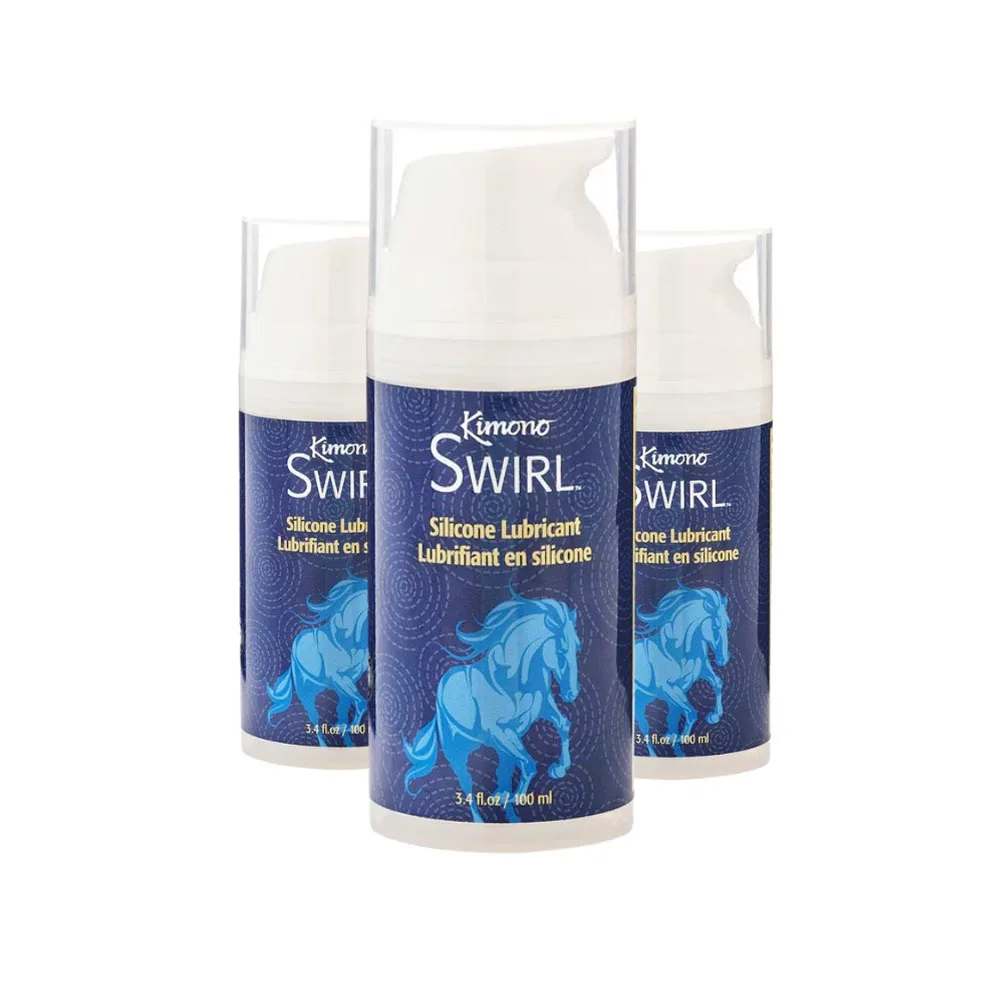
- Kimono Swirl Silicone Lubricant: Best Silicone Lubes | Kimono Swirl Silicone Lubricant A silicone lubricant keeps the lubricant variable constant across your condom tests and is compatible with latex, polyisoprene, and polyurethane.
- 1000 Condom Value Pack (Bulk Case): Wholesale Condoms | 1000 Condom Value Pack Bulk pricing only pays off after you have confirmed a style and fit you will use consistently; otherwise expiration and storage become the real cost.
Who should choose a sampler
Best for
- First-time buyers who do not yet know their nominal width or preferred material
- People who want to compare latex versus non-latex feel before committing to a box
- Couples who want to test texture and thinness together
Not for
- Anyone who already has a confirmed, comfortable fit and consistent use
- People with a known latex allergy who should choose non-latex directly
- Buyers who need a guaranteed large supply for a specific date