Quick answer
Choose continuous LED lighting if you shoot video or need to see the light before you shoot. Choose studio flash if you photograph stills and need high output to overpower ambient light or freeze motion. Neither is universally better; your primary medium and subject motion decide.
How continuous and flash differ on set
Continuous lights stay on, so what you see is what you get. You can judge shadows and reflections directly, which speeds up product styling and video framing. Flash bursts only when triggered, so you must rely on modeling lamps or test shots. Flash typically delivers more power per watt and can freeze fast action, but it adds recycle time between pops.
Heat and power draw matter. Many continuous LEDs run cool and are safe around delicate products, but high-output models can still warm a small room. Studio flash heads stay cool between bursts but may have noisy fans. Battery options exist for both, but continuous lights often drain faster because they run constantly.
Modifiers and support: the hidden cost
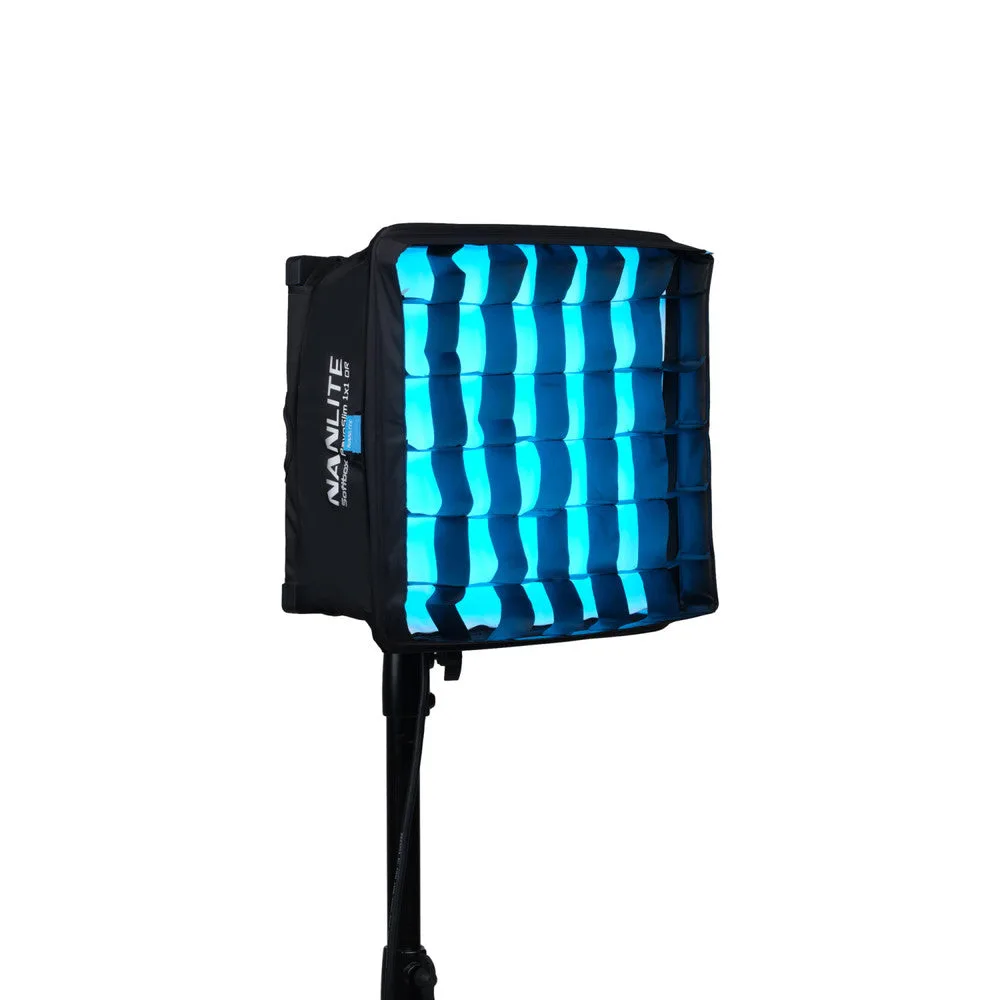
Your choice of light shape often costs as much as the head. Softboxes, grids, and reflectors are not universal; they must match the fixture's mount and size. For example, the Nanlite Pop-Up Softbox and Grid is made specifically for the PavoSlim 60C and 60B panels, so it will not fit other brands. This matters because a softbox that stays attached during storage saves setup time, but only if it fits your light.
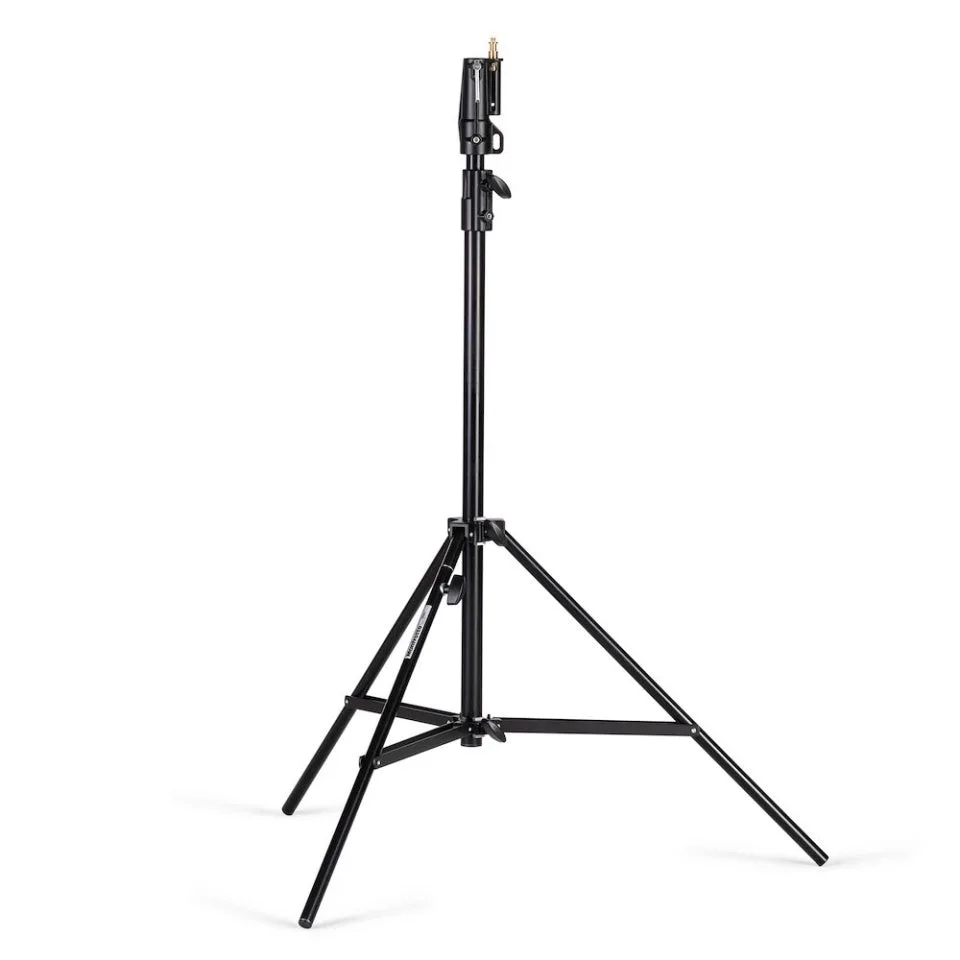
Stands and grips also differ. A lightweight LED panel may work on a compact stand, while a heavy strobe head needs a sturdier support. The Manfrotto 008BU Cine Stand is a two-section aluminium stand with a levelling leg for uneven surfaces and double leg bracing for stability. It accepts a Junior receiver and a 5/8-inch stud, so it can hold both flash heads and larger continuous fixtures. A flimsy stand will wobble and limit your modifier choices.
Practical buying steps
Start with your primary output: stills or video. If you shoot both, prioritize the one that pays the bills. Next, check your space and power. Continuous lights are easier to learn on because there is no sync or trigger to manage, but flash gives more power for large modifiers or bright rooms. Finally, budget for a modifier and a stand that match your light's mount and weight.
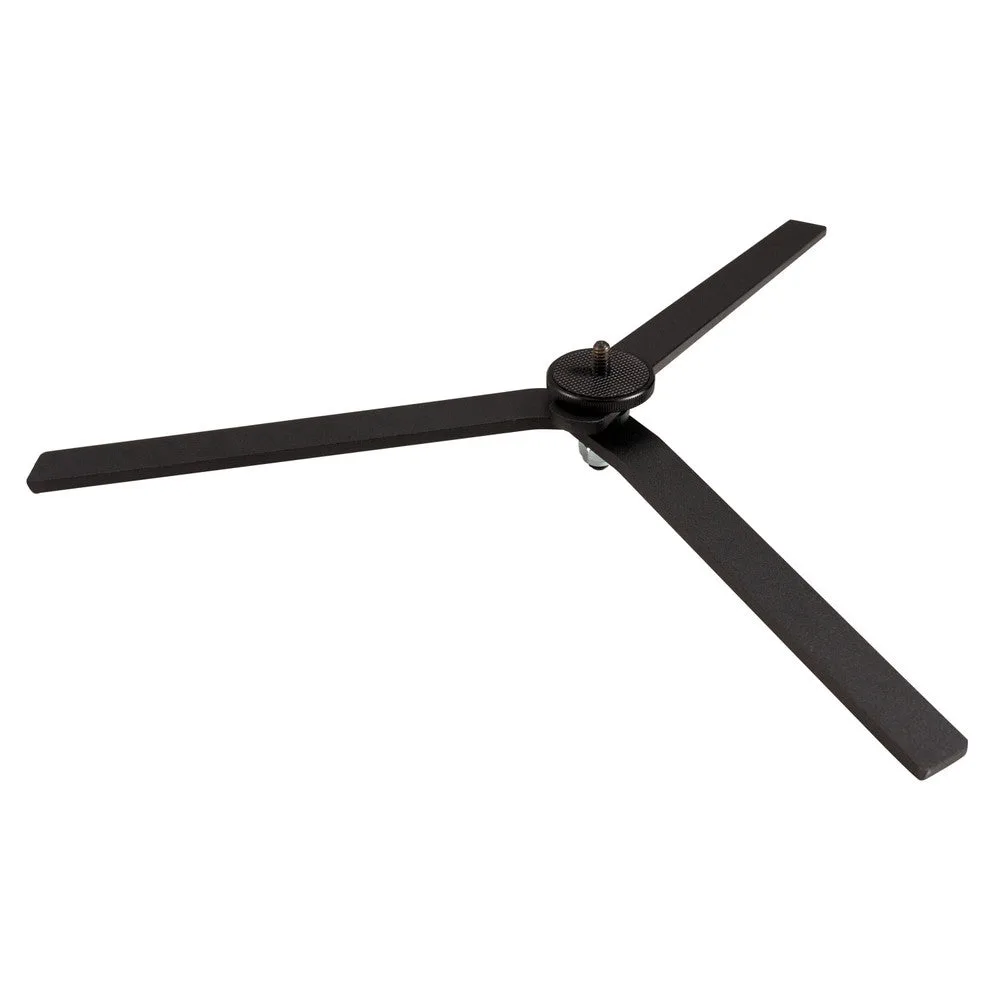
For small products, a continuous LED panel with a softbox and grid gives precise control and lets you see reflections. For portraits or action, flash is usually more efficient. If you already own a PavoSlim panel, the dedicated softbox is a logical add-on. If you use PavoTube II 15X or 30X tubes, the Nanlite Foldable Floor Stand holds them vertically with an 18-inch footprint and a 1/4-20-inch mount, which is useful for accent lighting. For heavier heads, consider a cine stand with a levelling leg.
Trade-offs to weigh
- Continuous lighting: You see the final look immediately, which helps with video and reflective products. But output is limited compared to flash, and heat or battery drain can be issues. Best if your primary work is video or you need constant visual feedback.
- Studio flash: Higher power per watt and short bursts freeze motion. But you need a trigger, and modeling lights may not show the exact final exposure. Best for stills, especially when you need to overpower ambient light or stop action.
- Modifiers and stands: A softbox or grid must match your fixture. A sturdy stand with a levelling leg, like the Manfrotto 008BU, prevents wobble and supports heavy heads. Budget for these early; they often outlast the light itself.
Product facts
- Nanlite Pop-Up Softbox and Grid for the PavoSlim 60C and 60B: The Nanlite Pop-Up Softbox and Grid is designed for the PavoSlim 60C and 60B. It can stay attached to the panel during storage and pops open in seconds. If you use a PavoSlim panel, this modifier saves setup time and provides soft light with grid control. It will not fit other fixtures.
- Nanlite Foldable Floor Stand For PavoTube II 15X and 30X: The Nanlite Foldable Floor Stand for PavoTube II 15X and 30X has a 1/4-20-inch mount and an 18-inch diameter footprint, enabling the tubes to stand vertically. This stand is a compact way to position tube lights for accent or background lighting without a traditional light stand.
- Manfrotto 008BU Cine Stand Black: The Manfrotto 008BU Cine Stand is a two-section aluminium stand with a levelling leg and double leg bracing. It has a universal mount with a 1/8-inch Junior receiver plus either a 5/8-inch receiver or 5/8-inch stud. This stand supports heavy flash or continuous heads and remains stable on uneven floors, making it a long-term investment for studio work.
Which should you buy?
Choose continuous if you:
- shoot video or need to see lighting in real time
- photograph small products where heat is manageable
- are a beginner who wants a simple, trigger-free setup
Choose studio flash if you:
- primarily shoot stills and need high output
- need to freeze motion or overpower bright ambient light
- work with large modifiers that require more power