Quick Answer
For families with teens, conversation cards like the Teens Edition or Resilience deck can turn awkward silences into genuine exchanges. Choose cards that match your teen's comfort level and your family's values, and use them as a tool for connection, not interrogation.
Teenagers often retreat to their rooms, and parents wonder what happened to the chatty child who used to share everything. The generation gap isn't just about slang or music; it's about finding ways to talk that don't feel forced or cringe-worthy. Conversation cards designed for families with teens can help bridge that gap by providing prompts that are fun, thought-provoking, and respectful of a teen's need for autonomy.
But not all conversation cards are created equal. Some are too childish, some feel like an interview, and others miss the mark on topics that matter to teens. This guide will walk you through what to look for in teen-focused conversation cards, how to use them effectively, and which Talking Point Cards editions might be the best fit for your family.
Why Conversation Cards Work for Teens and Parents
Conversation cards work because they lower the stakes. Instead of a parent launching into 'So, how was school?'—a question that often gets a one-word answer—cards offer a shared activity that feels like a game. The prompts are designed to be open-ended, encouraging teens to express themselves without fear of judgment. This can be especially helpful for quiet teenagers who struggle to open up.
Cards also create a structured opportunity for family time. In our busy lives, it's easy to let evenings slip by without real conversation. A deck of cards on the dinner table signals that connection is a priority. For families with teens, this structured approach can be the difference between surface-level exchanges and meaningful dialogue.
Choosing the Right Deck: What to Consider
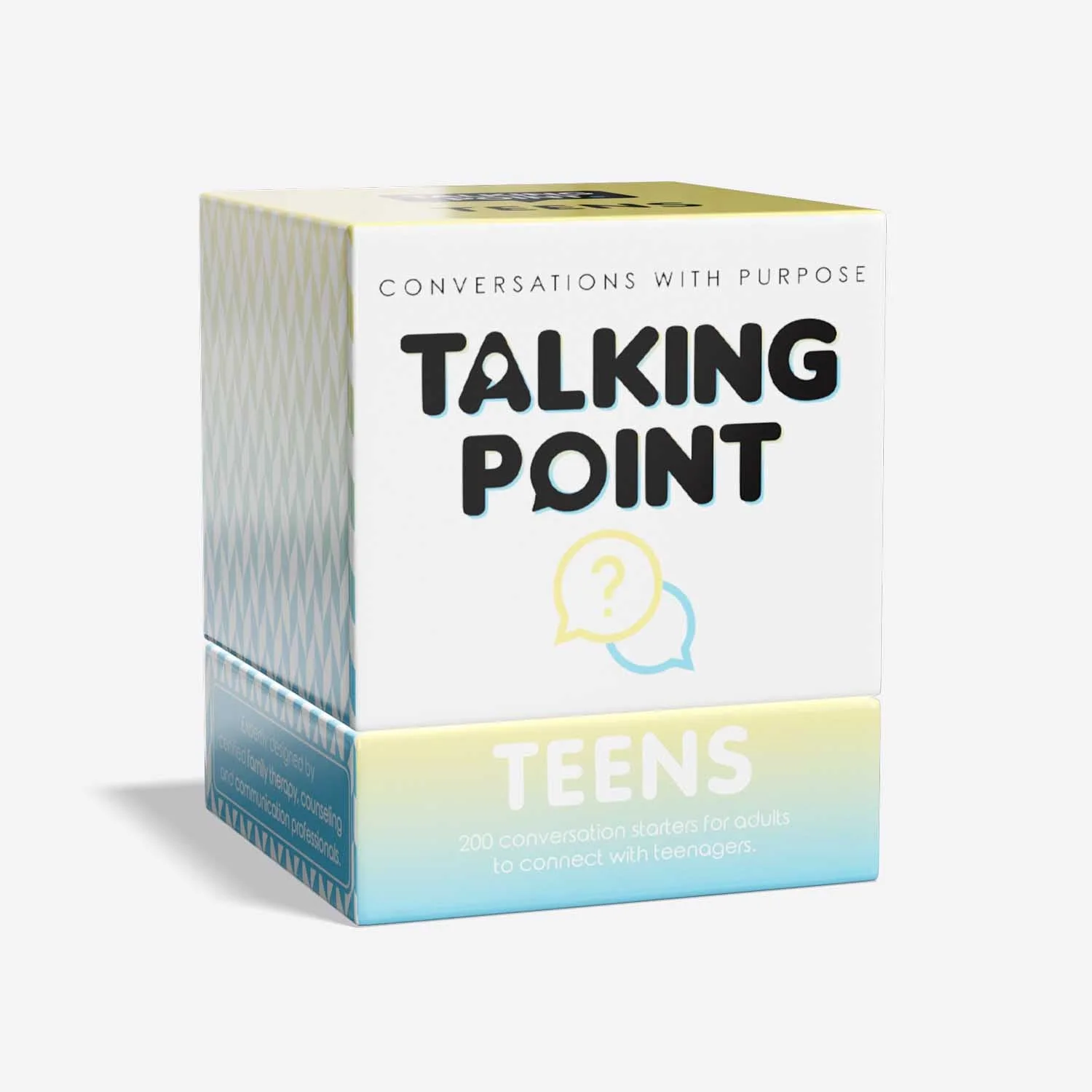
Age appropriateness is key. A deck meant for younger children might feel condescending to a 15-year-old. Look for cards that address teen-specific issues like stress, friendships, identity, and future plans. The Teens Edition from Talking Point Cards is designed exactly for this, with prompts that help quiet teenagers open up without awkwardness.
Consider the tone and values of your family. If faith is central to your home, a Christian edition might align better. If your teen is struggling with confidence or stress, a resilience-focused deck could provide targeted support. Think about what you want the conversations to achieve: deeper connection, problem-solving, or simply fun.
- Match the deck's focus to your teen's current challenges or interests.
- Check the age range and sample questions if available.
- Consider whether you want a general deck or one with a specific theme like resilience or faith.
How to Use Conversation Cards Without the Cringe
The biggest mistake parents make is turning card time into an interrogation. Instead, make it a relaxed ritual. Start with light, fun questions before moving to deeper ones. Let your teen draw the card and decide if they want to answer or pass. Giving them control reduces resistance.
Use cards during activities where eye contact isn't forced, like while driving or cooking together. This takes the pressure off. Also, be prepared to answer the questions yourself. Sharing your own thoughts shows vulnerability and encourages reciprocity.
- Set a regular time, but keep it flexible.
- Let the teen lead the pace and skip questions if needed.
- Model honest answers to build trust.
Decision Rules for Choosing Your Deck
- If your teen is reluctant to talk: Choose the Teens Edition, which is designed to feel less awkward and more inviting for quiet teenagers. Start with this deck to build trust and comfort.
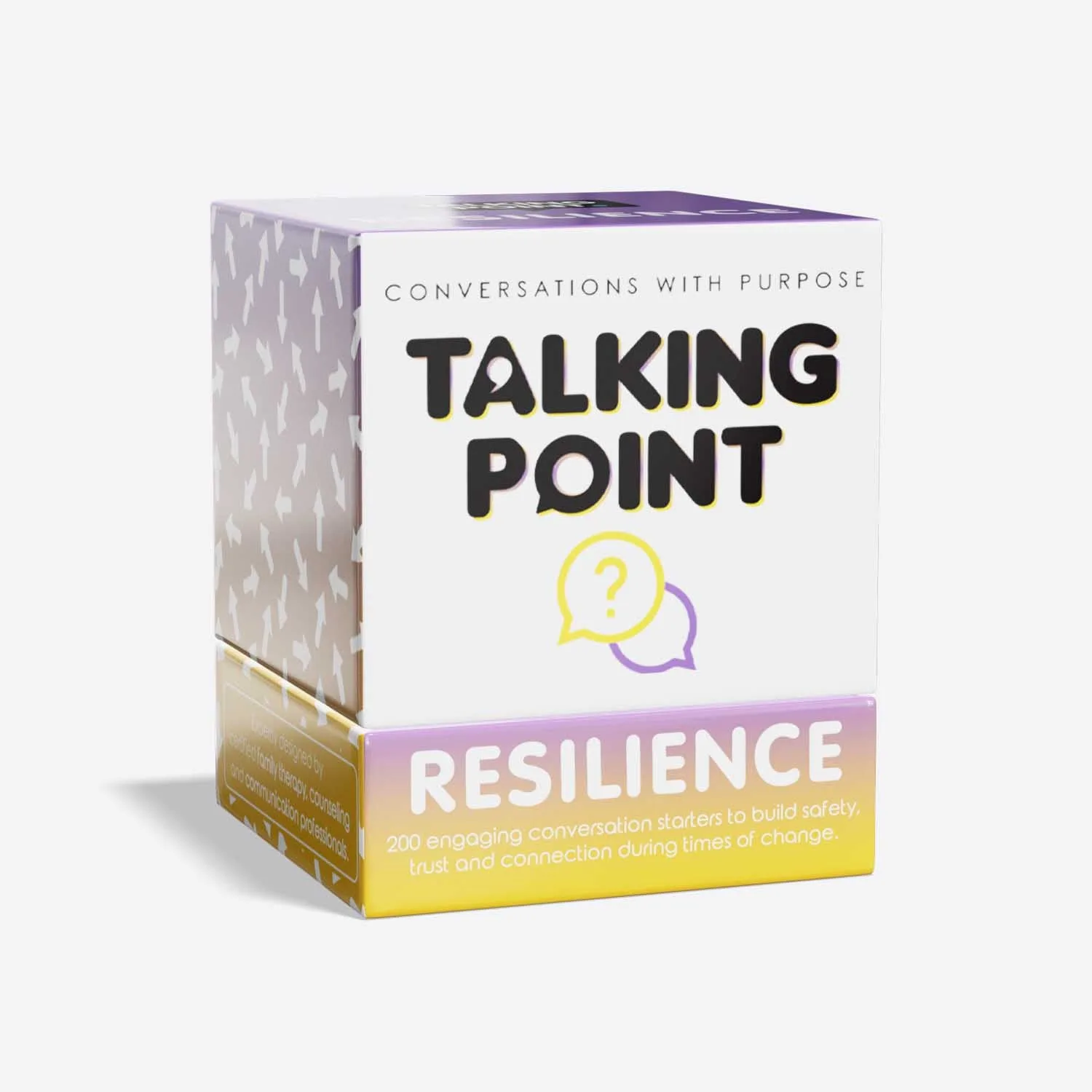
- If your teen is dealing with stress or low confidence: Consider the Resilience deck to help them navigate challenges and build inner strength. Use this deck during one-on-one time to offer support.
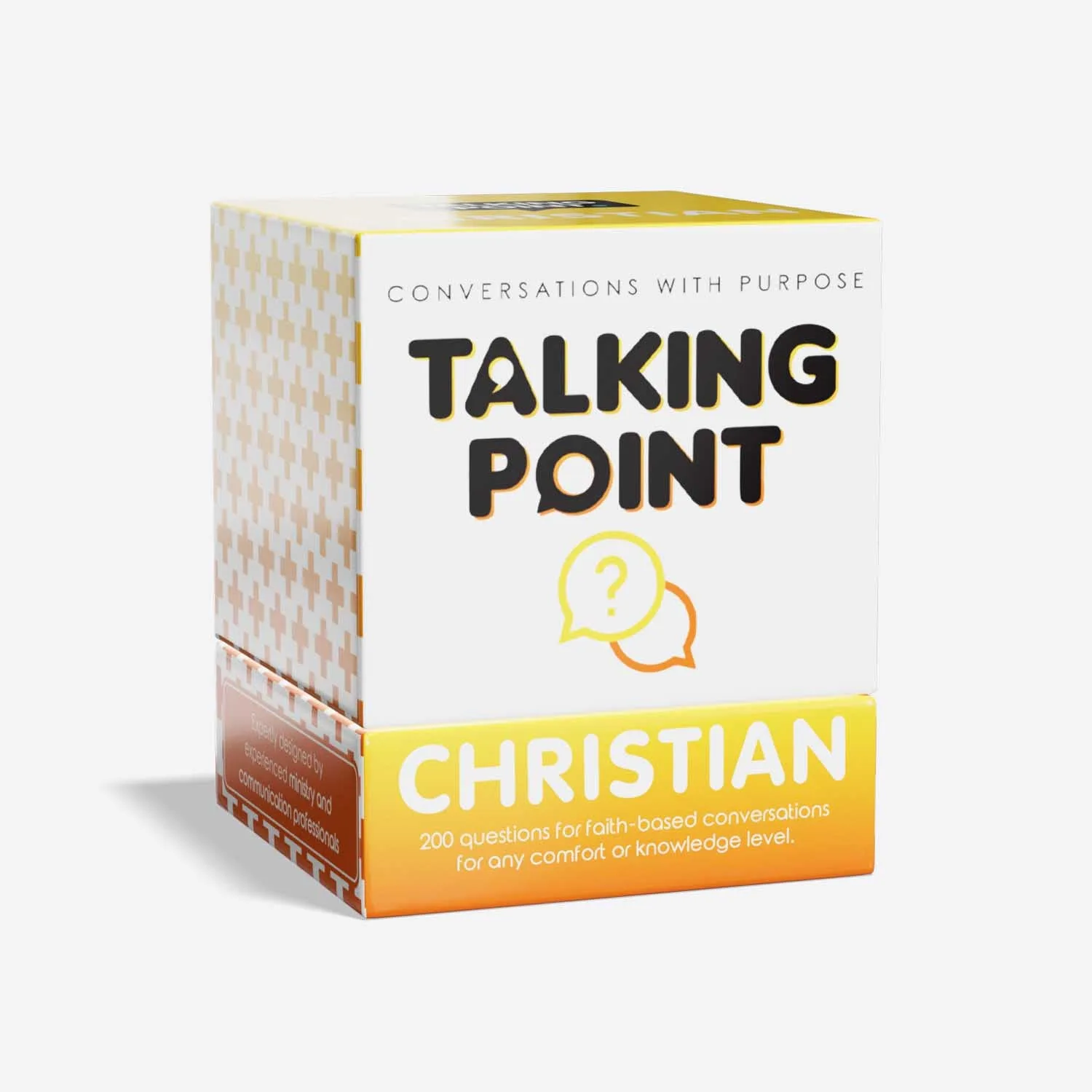
- If faith is a core family value: The Christian edition can help you talk about beliefs and values in a natural way. Incorporate this deck into family devotions or Sunday chats.
Talking Point Cards Options for Families with Teens
- Teens: Get quiet teenagers to happily open up without the awkward cringe. This deck is specifically designed for the teen years, making it a natural first choice for parents who want to start conversations without eye-rolls.
- Resilience: Build unbreakable confidence and navigate stress with ease. Teens face academic and social pressures; this deck helps build the emotional skills they need to handle stress, making it a great complement to general conversation cards.
- Christian: Spark meaningful discussions and build a deeply connected, faith-filled home. For families who want to integrate faith into their conversations, this edition provides prompts that align with Christian values, fostering both spiritual and relational growth.
Finding the Right Fit for Your Family
Best for
- Families with teenagers who are open to guided conversation but need a gentle starting point.
- Parents who want a structured yet flexible way to connect with teens on meaningful topics.
Not for
- Families with very young children—these decks are tailored to teen interests and maturity levels.
- Those seeking a completely unstructured chat—cards provide prompts, not a script.
Bridging the generation gap doesn't happen overnight, but conversation cards offer a simple, effective way to start. Whether you choose the Teens Edition, Resilience, or another deck, the goal is to create a space where your teen feels heard and valued. Start small, stay consistent, and watch your family conversations deepen.