Quick answer
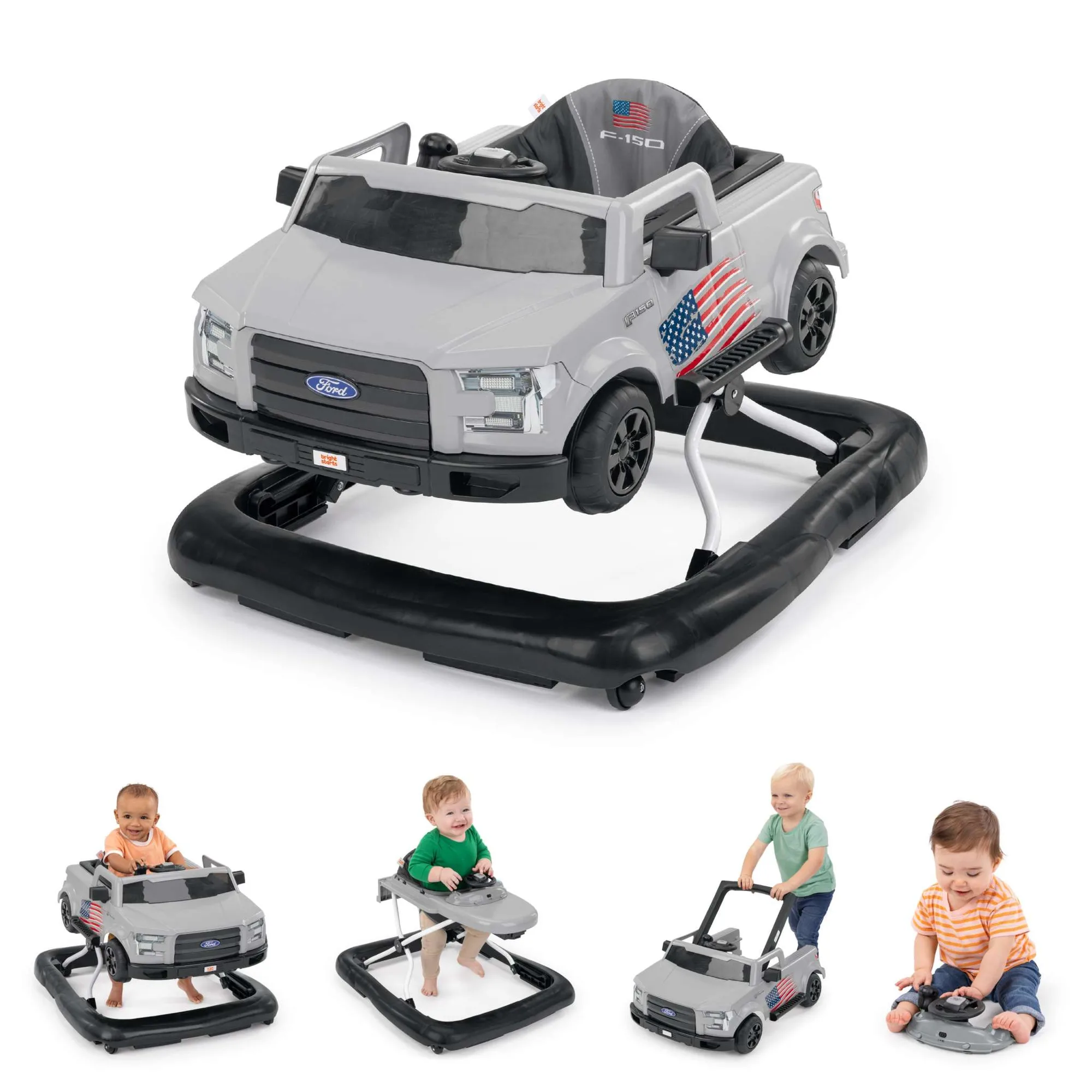
The Bright Starts Ways to Play Walker - Ford F-150 is built around four play modes, and you switch between them by moving or removing the activity tray rather than buying new parts. Start in the seated walker mode for early 6-month sitters, then move to the push-behind or walker-with-car configuration as balance and leg strength improve. Always check the tray locks and height before each use.
What the four modes actually change
The Ford F-150 walker's 4-in-1 design is not four separate products. The seat, frame, and wheels stay the same; what changes is whether the activity tray is in place, flipped, or removed, and whether baby is seated inside or pushing from behind. That matters because you are not storing extra parts, but you are also not getting a different height range or wheel type in each mode. The catalog lists it as a walker with car, which is the mode most parents miss because it looks like a toy rather than a walker.
When to move from one mode to the next
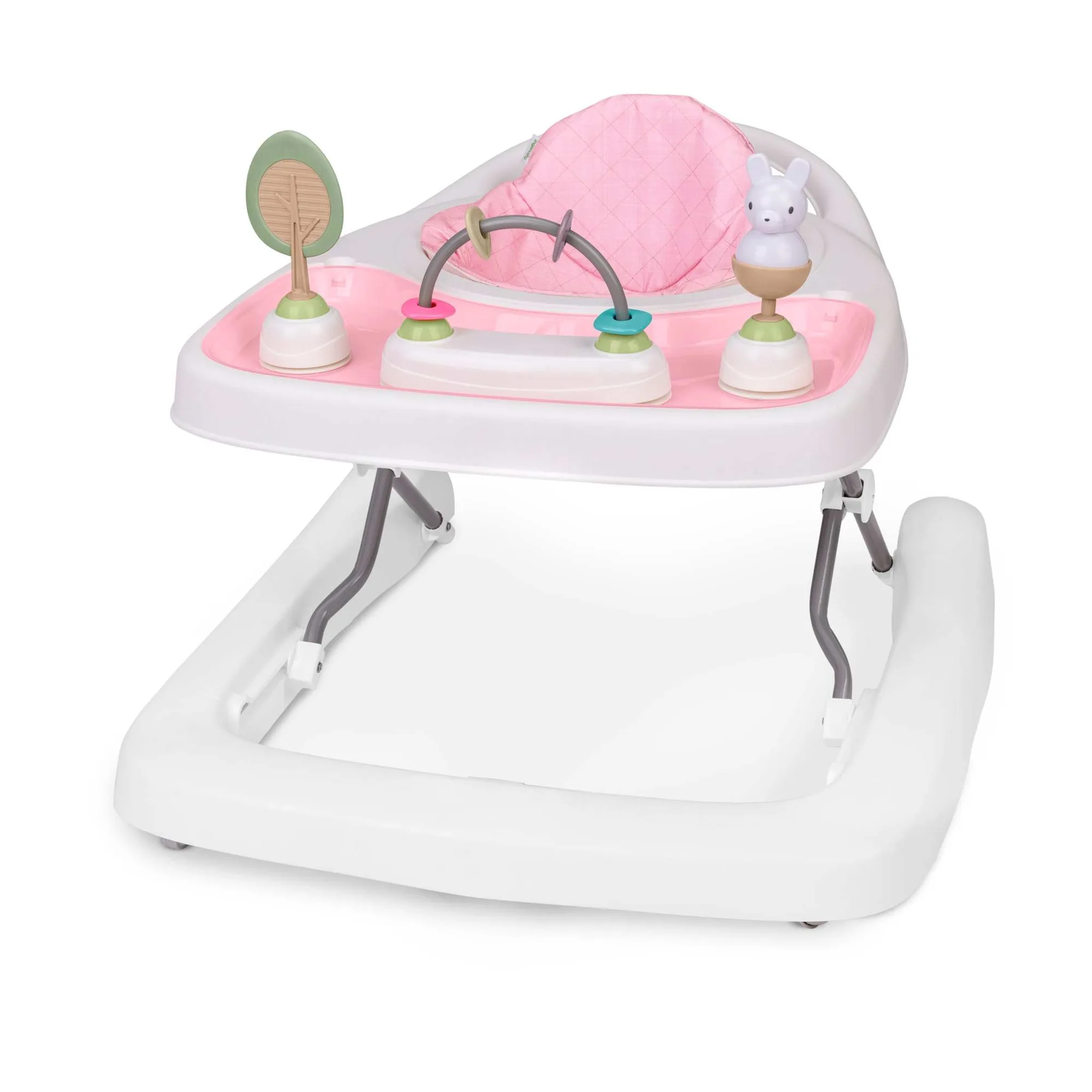
Use seated walker mode once baby can sit with head control and has feet that reach the floor or the lowest height setting. Move to push-behind or the car mode when baby pulls up and wants to stand, not on a birthday. A baby who slumps in the seat or whose toes barely graze the floor is not ready for the next mode, even at 9 or 10 months. The Ingenuity Step & Sprout 3-in-1 walker in the same catalog covers 6-24 months with a similar grow-with-baby idea, which is a useful comparison if you are deciding between the two.
Step-by-step conversion
- Set the seat height before anything else: With baby out of the walker, turn the walker over and adjust the seat to the highest setting for a new sitter, then lower it as feet grow. Most parents set height last, after the tray, and end up with a seat that is too low. Checkpoint: baby's feet should rest flat, not dangle or bend deeply.
- Lock the activity tray in the seated position: Press the tray down until both side tabs click. Tug upward on the tray once to confirm it is seated. A tray that rocks means one tab is not engaged, which is the most common setup mistake. Checkpoint: no rocking, no gap between tray and frame.
- Convert to the car mode for floor play: Remove the tray and let baby sit in the walker with the car-shaped front facing out, using it as a stationary play seat rather than a rolling walker. This is the mode parents skip because it looks like a toy. Checkpoint: use this mode on carpet or a mat, not near stairs.
- Switch to push-behind when baby pulls up: Once baby stands and pushes, move the tray to the rear position or remove it so baby can grip the frame and walk behind. Keep both hands on the frame; this mode is for supervised walking practice, not independent cruising. Checkpoint: if baby cannot stand holding the frame, stay in seated mode.
- Re-check the whole walker each time you change modes: After any conversion, confirm the tray locks, the seat is level, and the wheels spin freely. Do this every time, because parts can loosen when the walker is carried between rooms. Checkpoint: a 30-second check before baby gets in.
Product facts
- Bright Starts Ways to Play Walker - Ford F-150, All American, 4-in-1 Walker: Bright Starts Ways to Play Walker - Ford F-150, All American, 4-in-1 Walker, catalog price USD 73.99 against a comparison price of USD 99.99. One walker covers seated, push-behind, and car play, so you are not buying a second walker at the next stage.
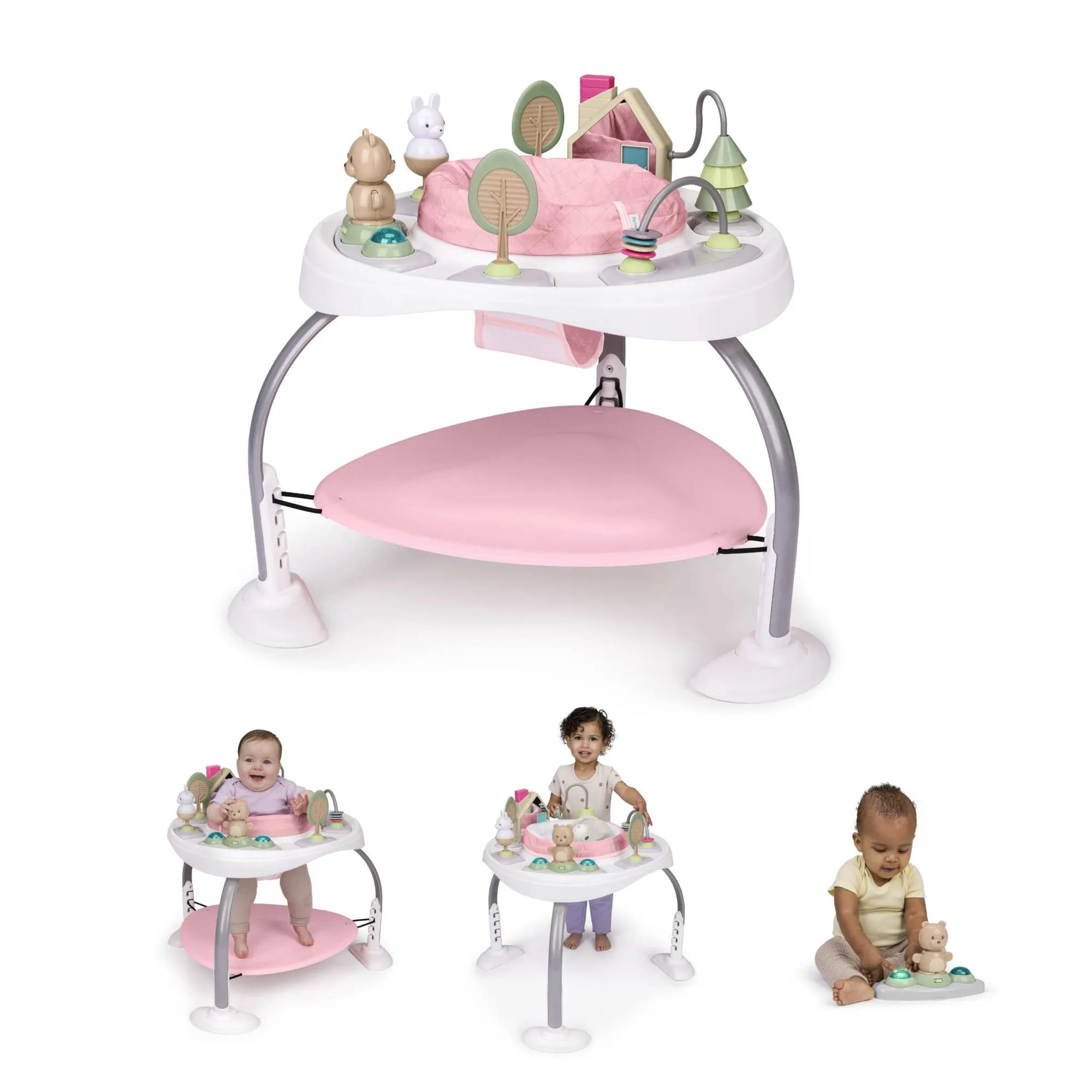
- Ingenuity Step & Sprout 3-in-1 Foldable Baby Activity Walker with Removable Toys Ages 6 months +, First Forest - Pink: Ingenuity Step & Sprout 3-in-1 Foldable Baby Activity Walker with removable toys, ages 6-24 months, catalog price USD 65.69 against a comparison price of USD 89.99. If you want a walker that folds and has suction-cup toys that move to other surfaces, this is the closer match than the Ford F-150.
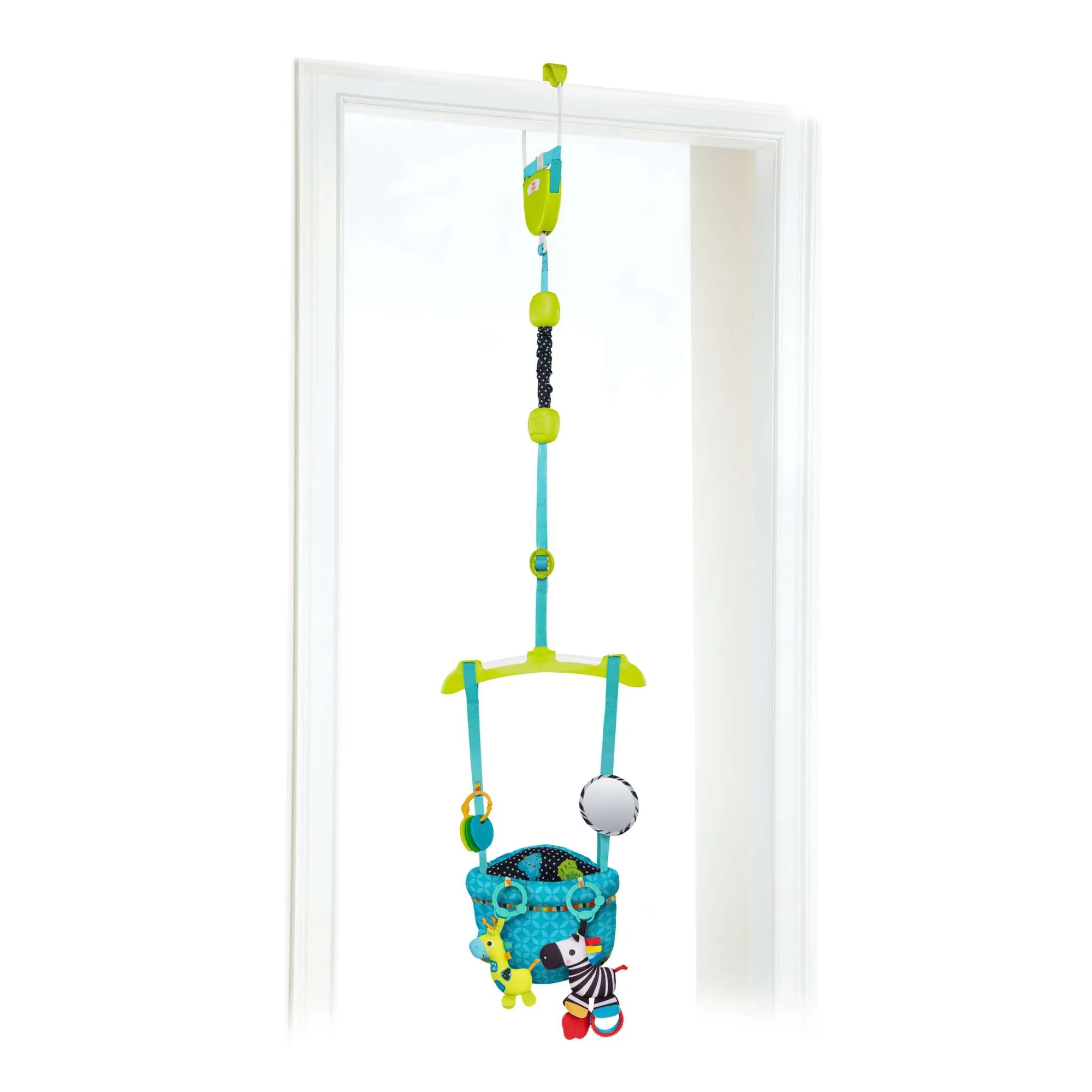
- Bright Starts Bounce 'n Spring Deluxe Door Jumper with Take-Along Toys: Bright Starts Bounce 'n Spring Deluxe Door Jumper with take-along toys, catalog price USD 27.59 against a comparison price of USD 39.99, no tools required to clamp in a doorway. A doorway jumper gives upright bounce play without floor space, which is a practical add-on if the walker stays in one room.