Quick answer
Learn Cop Moves first if you want a utility you can slot into existing routines, because the Top Cop is a single move you can drill and apply immediately. Learn Latch first if your routine needs a control that happens in the open, right under the spectator's eyes. They solve different problems, so pick the one that matches the trick you are already performing.
What each download actually teaches
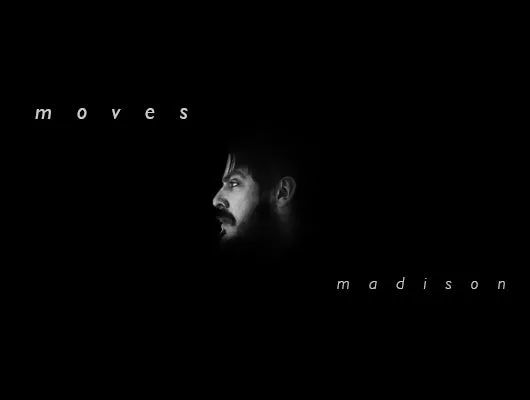
Cop Moves is a single session from Daniel Madison's MOVES project. It is a bitesize chunk built around handpicked principles, sleights and utilities, and the featured utility here is the Top Cop. Because it is sold as a session rather than a full course, you are buying one specific tool instead of a broad curriculum.
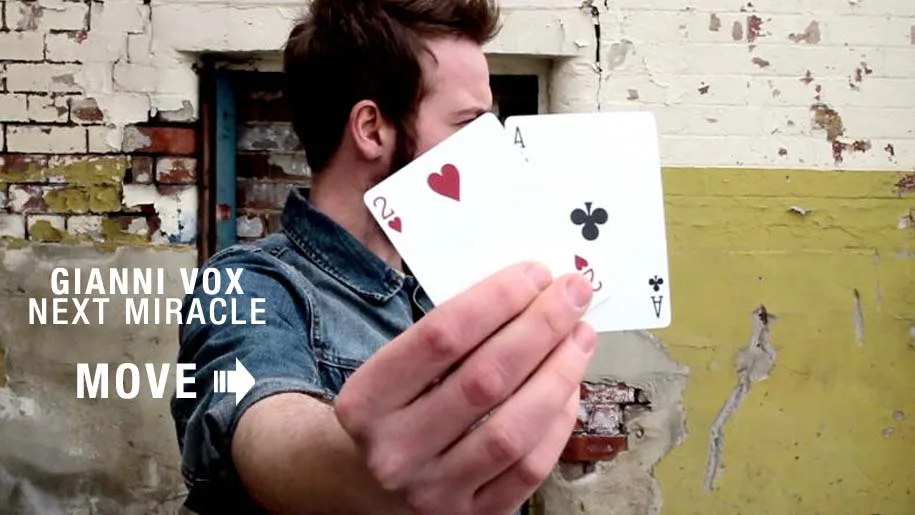
Latch is a two-card transposition with a thought-of card, built on a control that lets you switch or control a card in the open. The move happens in plain sight and, according to the catalog description, flies past spectators undetected. That is a different promise from a hidden utility: the deception is designed to survive being watched.
The trade-off: hidden utility vs open deception
The real decision is not which move is stronger. It is whether you want a move the audience never sees or a move they see and still miss. Hidden utility, like the Top Cop, tends to be easier to rehearse because you control the moment it happens. Open deception, like Latch, demands timing and audience management, because the move is exposed to their attention by design.
If you already have a routine with a dead spot where a card needs to be controlled, Cop Moves gives you a tool that can fill it. If your routine already has a strong reveal and you need the control itself to be the moment of surprise, Latch is the better fit.
How to test which one suits your hands
Before buying either, run a five-minute self-test. Take a deck and try to control a card while a friend watches your hands. If you feel exposed, you need a hidden utility first, and Cop Moves is the more direct route. If you can control a card cleanly but the move still reads as a move, you need an open control, and Latch is built for that exact problem.
Neither download includes a live performance reel in the catalog facts, so treat the descriptions as a starting point. If you learn best from a single focused move, Cop Moves is the leaner purchase. If you want a complete two-card effect with a built-in reveal, Latch gives you more routine for a similar price.
Trade-offs at a glance
- Cop Moves: focus: A single MOVES session built around the Top Cop utility, which means you get one tool rather than a full course. Choose it when you already know the routine and just need the move.
- Latch: exposure: The control happens in the open, so the deception depends on timing and audience management rather than secrecy. Choose it when you want the control to be the moment of surprise.
- Price and scope: Both are downloads in the same category, but Latch includes a two-card transposition and a thought-of card reveal, while Cop Moves is a single utility session. Pick Latch for more routine material, Cop Moves for a leaner, focused purchase.
Product facts
- Cop Moves: Cop Moves is a single session from Daniel Madison's MOVES project, featuring handpicked principles, sleights and utilities, including the Top Cop. You are buying one focused utility rather than a full course, so it suits magicians who want a specific move to slot into an existing routine.
- Under Control: Latch is a two-card transposition with a thought-of card, built on a control that switches or controls a card in the open, right under the spectator's eyes. It suits performers who want the control itself to be the deceptive moment, not just a hidden step before the reveal.
- Confinement: Confinement is a signed card to impossible location routine, described as the cleanest signed card to impossible location the catalog has seen. If you want a complete effect rather than a control, Confinement is a stronger starting point than either Cop Moves or Latch.
- A Beginners Guide to Multiple Outs: A Beginners Guide to Multiple Outs by Peter Turner is a beginner-friendly downloadable resource focused on multiple outs for predictions and outcomes. If you are still building foundational mentalism skills, this is a more accessible entry point than a dedicated card control download.
Which should you learn first?
Best for
- Magicians who want a hidden utility move to control a card during an existing routine.
- Performers who prefer to drill one specific sleight before adding new effects.
Not for
- Magicians looking for a complete two-card effect with a built-in reveal.
- Performers who want the control itself to be visible and deceptive in the open.