A copper saucepan is a stunning addition to any kitchen, offering superior heat conductivity and a warm, timeless look. But that beautiful glow fades quickly if you don't stay on top of maintenance. Copper reacts with air and moisture, forming a dark patina that many home cooks find unappealing. The good news? With the right technique and a little regular attention, you can keep your copper cookware looking mirror-bright for years.
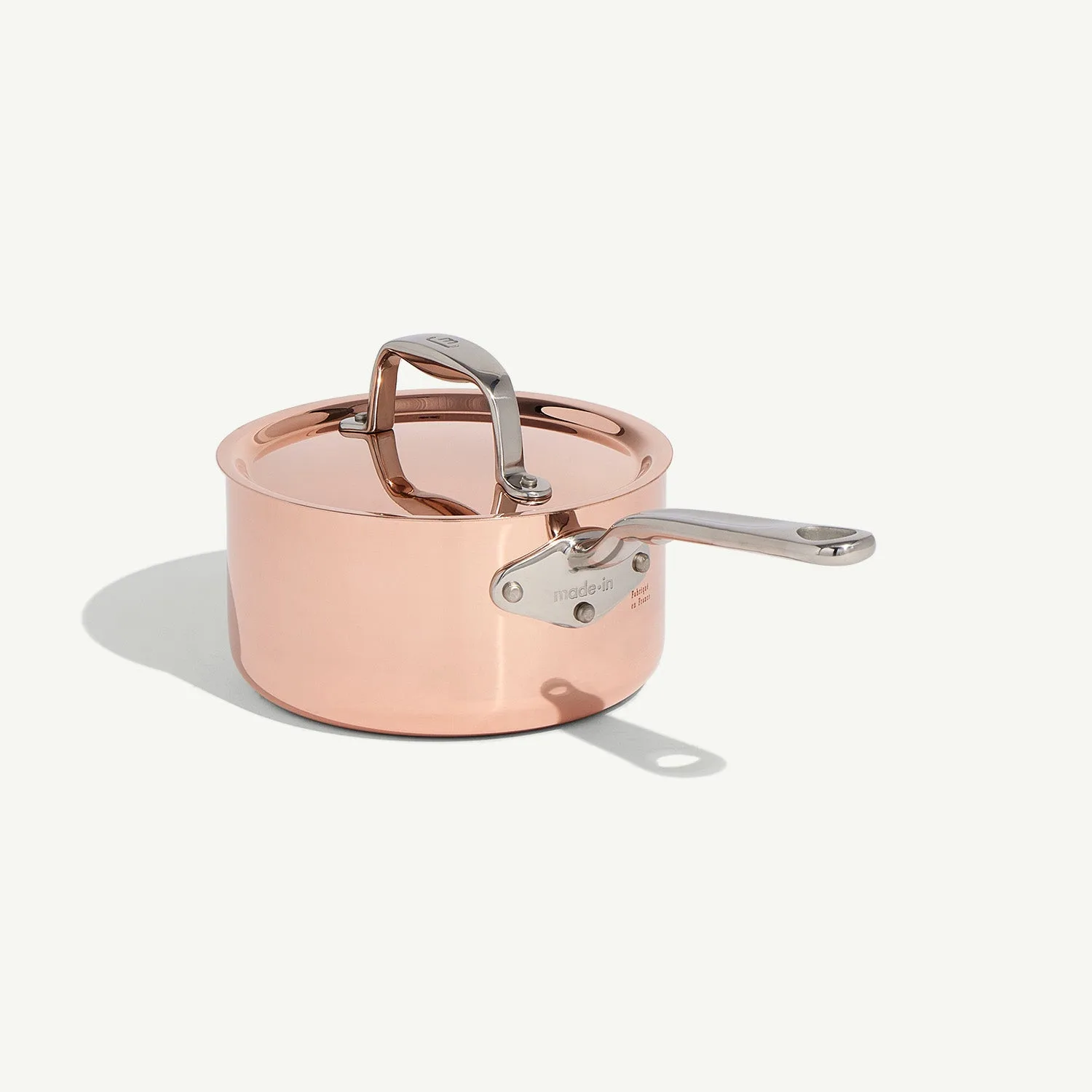
copper saucepan
Before diving into the how-to, let's be honest: copper requires more effort than stainless steel or non-stick. If you want the performance and beauty of copper, be prepared for a quick post-cook polish. That trade-off is worth it when you see the results. This guide covers cleaning, polishing, and simple habits to prevent heavy tarnish so your copper saucepan stays showroom ready.
Why Copper Tarnishes and What to Do About It
Copper tarnishes because it oxidizes when exposed to oxygen and sulfur compounds in the air. This natural process creates a layer of copper oxide and copper sulfide, which appears as dark brown, purple, or greenish discoloration. The rate of tarnish depends on humidity, cooking frequency, and how often you touch the surface. Hand oils can accelerate the reaction, so handle your copper saucepan by the handle when possible.
To prevent heavy buildup, wipe the pan dry immediately after washing—never let it air dry. A quick buff with a soft cloth after each use removes fingerprints and moisture that cause rapid tarnishing. For deeper cleaning, you'll need a proper copper polish or a DIY paste. Avoid abrasive scouring pads; they scratch the finish and make future polishing harder.
- Store copper pans away from humid areas like near the dishwasher or sink.
- Use a dedicated copper polish or a mixture of lemon juice and baking soda for gentle cleaning.
How to Clean a Copper Saucepan After Cooking
Cleaning a copper saucepan starts the same way as any quality pan: let it cool completely, then hand wash with warm water and mild dish soap. Use a soft sponge to avoid scratching. For stuck-on food, soak for 10 minutes rather than scraping. Rinse thoroughly and dry with a lint-free towel immediately to prevent water spots and patina.
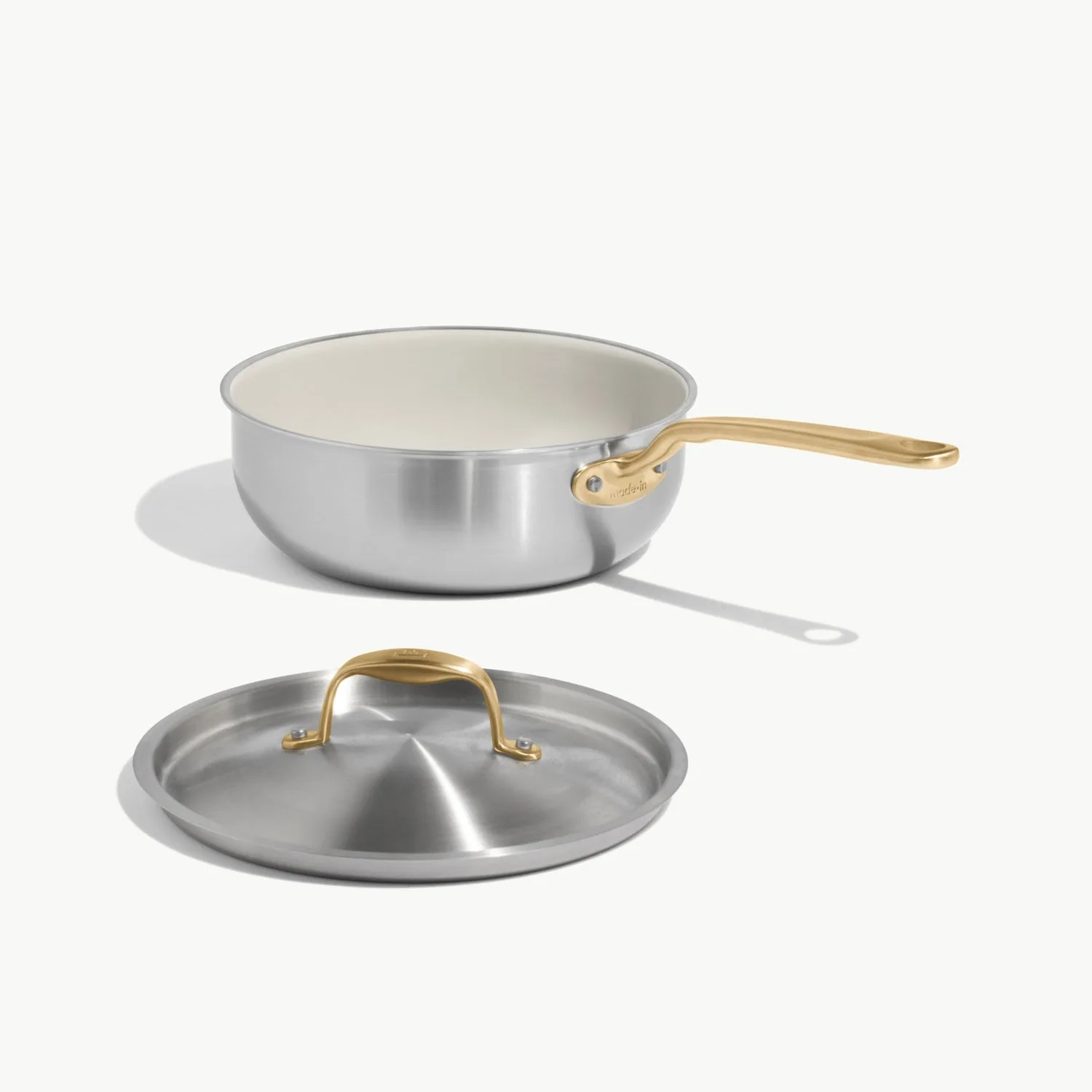
For the interior, there's good news if you have a stainless steel lining (common in many copper saucepans). You can use standard cleaning methods like a soft brush or non-abrasive cleaner. If the interior is unlined tin or copper, be more careful—tin is soft and can be damaged by harsh chemicals. Always check your manufacturer's guidelines. For example, a https://kindaero.store/products/stainless-clad-saucier-97233https://kindaero.store/products/stainless-clad-saucier-97251https://kindaero.store/products/stainless-clad-saucier-97254Stainless Clad Saucier from Made In offers a tri-ply stainless interior that's much lower maintenance than bare copper, giving you the heat response without the tarnish worry.
Polishing Copper to a Mirror Finish
Polishing is the heart of copper maintenance. You can buy commercial copper polish (look for one without harsh abrasives) or make your own paste from equal parts white vinegar, all-purpose flour, and salt. Apply the paste with a soft cloth, rub in gentle circles, then rinse with warm water and buff dry. The salt acts as a mild abrasive, the vinegar dissolves oxidation, and the flour creates a gentle paste.
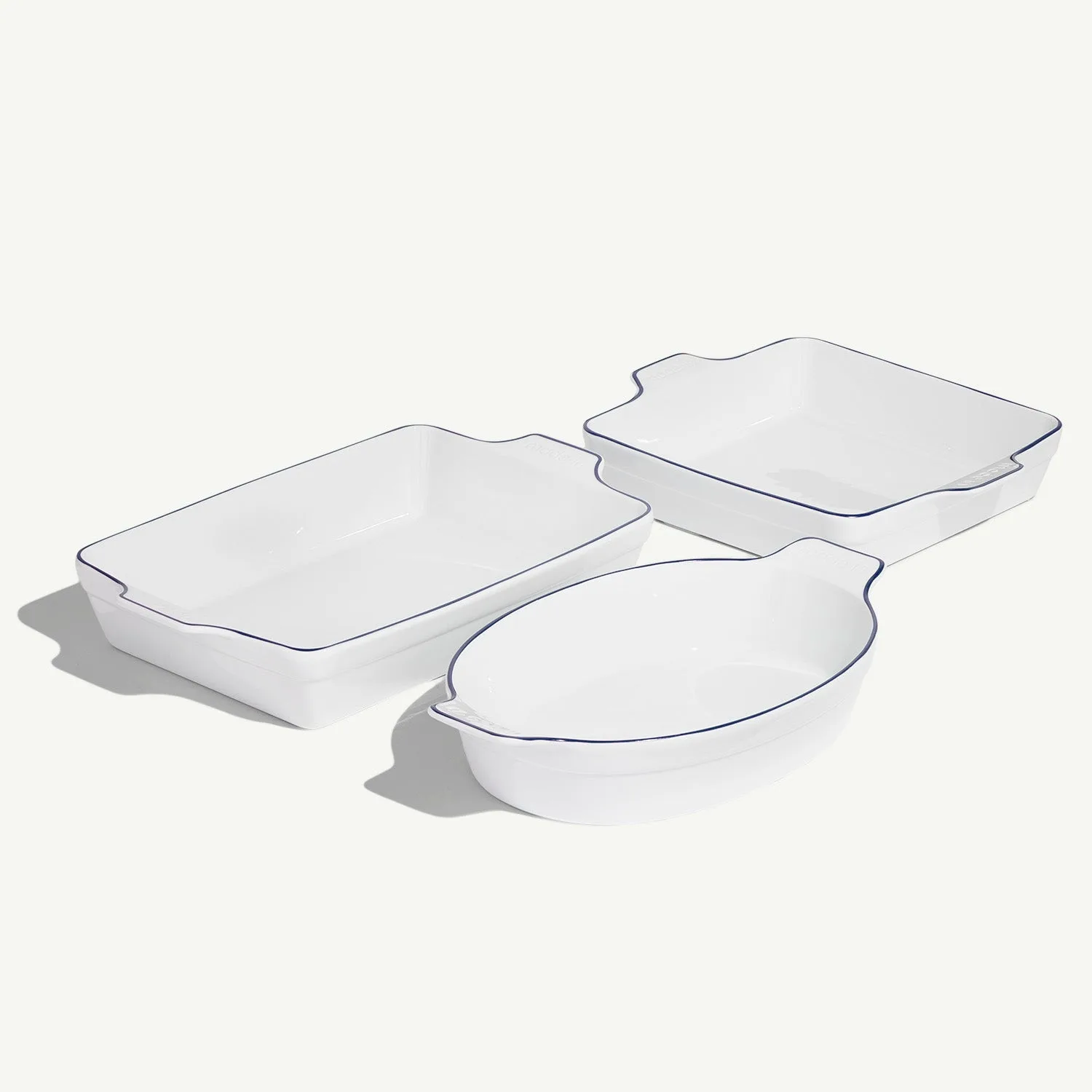
For a quicker daily polish, a microfiber cloth and a drop of lemon juice can remove light tarnish. But if your copper saucepan has significant dark spots, you may need multiple polish sessions. Be patient—it's easier to prevent deep tarnish than to remove it. If you prefer cookware that doesn't require constant polishing, consider complementing your collection with an Enameled Cast Iron Set for slow-braised dishes where appearance matters less than even heat.
- Always polish in a well-ventilated area and test any new polish on a small hidden spot first.
Long-Term Copper Pan Maintenance Tips
Preventing tarnish is easier than removing it. After each use, give your copper saucepan a quick wipe with a cloth dampened with a few drops of white vinegar, then rinse and dry. This neutralizes any sulfur compounds before they form a patina. For storage, place a layer of acid-free paper between stacked pans to avoid scratches, or hang them on a pot rack—displaying copper actually keeps it polished because you see it daily.
Avoid cooking acidic foods like tomatoes or vinegar-based sauces in unlined copper for long periods; the copper can leach into food. Most modern copper cookware has a stainless steel lining, but always verify. If you're looking for a kitchen tool that requires almost no maintenance, a Carbon Steel Seasoning Wax is fantastic for seasoning carbon steel pans, but for copper, stick to polishing. Remember: copper's shine is earned, not given. Make it a habit, and your saucepan will reward you with decades of performance.
- If you use a copper polish, make sure it is food-safe and rinse thoroughly before cooking.
- For a deeper clean once a month, mix lemon juice and table salt into a paste and scrub gently.
Copper saucepan care comes down to three simple habits: wash and dry immediately after use, polish regularly to prevent deep tarnish, and store in a dry place. With consistent effort, your copper cookware will stay beautiful and functional for a lifetime. It's a commitment, but one that pays off in both performance and the joy of cooking with a truly radiant pan.