Quick answer
Take 100–200 mg of CoQ10 with a meal that contains fat, once daily, and stay consistent for at least 8 weeks before judging results. If you take a statin, are over 60, or absorb fats poorly, ubiquinol is often the better form; otherwise ubiquinone is a cost-effective starting point. Check with your doctor first if you take blood thinners or blood pressure medication.
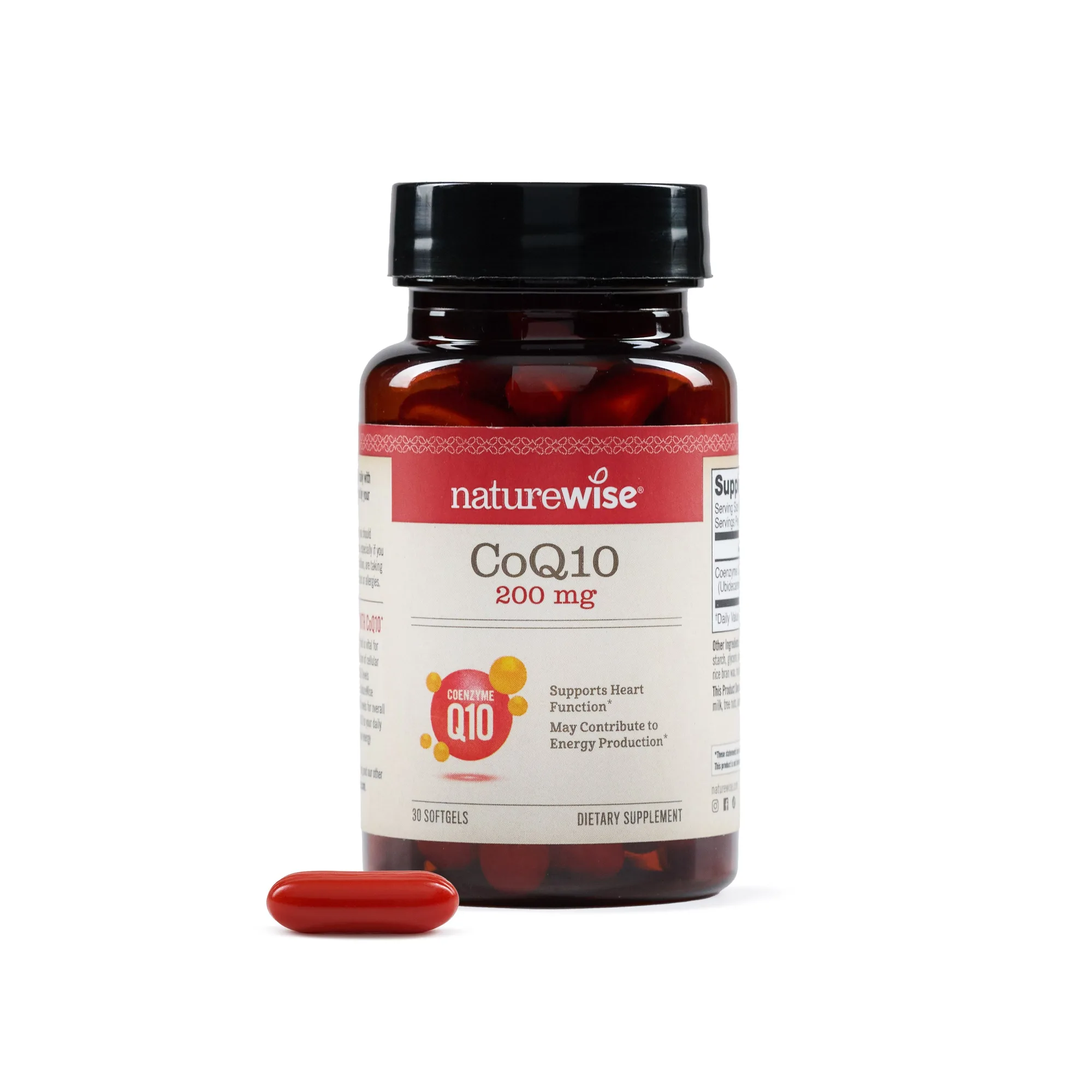
CoQ10
CoQ10 is one of those supplements that sounds simple until you read the label: ubiquinone or ubiquinol, 100 mg or 400 mg, softgel or capsule, morning or night. The differences matter because CoQ10 is fat-soluble and poorly absorbed on its own — how you take it changes how much your body actually uses.
This guide walks through the practical steps for using CoQ10 to support heart health, energy, and antioxidant defense. It covers dosage, form, timing, and the interactions worth knowing about, plus the red flags that mean you should stop and ask a professional.
What CoQ10 does and who tends to need more
CoQ10 is a compound your body makes and uses in nearly every cell, especially in the heart, which has high energy demands. Levels can decline with age and with certain medications, particularly statins, which can reduce the body's natural CoQ10 production. That is why CoQ10 is often discussed alongside heart health, energy, and antioxidant support.
Food sources like fatty fish, organ meats, and some nuts provide small amounts, but it is hard to reach meaningful levels through diet alone. Most people turn to a coq10 supplement when they want a consistent, measurable dose. The catch is that absorption varies widely between products and forms, so the steps below focus on how to take it effectively rather than just what to buy.
Step 1: Set a realistic target dose
For general heart-health support, 100–200 mg per day is a common starting range. Some people take 200–400 mg under a doctor's guidance, particularly if they are on a statin or have been told they have low levels. More is not automatically better — absorption tends to plateau, and higher doses mainly increase cost and stomach upset risk.
Start at the lower end and give it 8–12 weeks. CoQ10 is not a stimulant, so you will not feel it within hours. If you notice nothing after two to three months at a consistent dose, increasing the dose is a reasonable next step, but only after checking with your healthcare provider.
- Checkpoint: pick one dose and stick with it for at least 8 weeks before changing anything.
Step 2: Choose ubiquinol or ubiquinone
Ubiquinone is the standard, oxidized form and is usually the cheaper option. Ubiquinol is the reduced, more bioavailable form, which some people — especially those over 60 or with absorption issues — may convert less efficiently. If you have tried ubiquinone and felt nothing, ubiquinol is worth a trial.
There is no universal winner in the ubiquinol vs ubiquinone debate. Ubiquinone has more long-term research behind it and costs less; ubiquinol may work better for some individuals. If budget is tight, start with ubiquinone and a fat-containing meal. If you are older or taking a statin, ubiquinol may be the more practical choice.
- Mistake to avoid: assuming a higher-milligram ubiquinone product is stronger than a well-absorbed ubiquinol product.
Step 3: Take it with fat, not on an empty stomach
CoQ10 is fat-soluble, so taking it with a meal that contains some fat — eggs, olive oil, avocado, nut butter, full-fat yogurt — can improve absorption. Taking it with water on an empty stomach is one of the most common reasons people report no effect.
If you take it in the morning, pair it with breakfast rather than coffee alone. If you take it later, dinner works just as well. The key is consistency: same time, same fat-containing meal, most days.
- Checkpoint: if your breakfast is just coffee and a banana, move your CoQ10 to a meal that actually has fat.
Step 4: Decide morning or evening
There is no strong evidence that CoQ10 must be taken at a specific time. Some people find it slightly energizing and prefer morning; others take it at night with dinner and sleep fine. If you notice it keeps you awake, switch to earlier in the day.
If you take multiple medications, spacing CoQ10 at least two hours apart from them is a reasonable precaution, especially with warfarin or blood pressure drugs. Do not stop or change prescription medication on your own — talk to your prescriber first.
- Mistake to avoid: taking CoQ10 at the same time as thyroid medication or blood thinners without asking your pharmacist.
Step 5: Track what you are actually trying to improve
CoQ10 is not a quick fix, so vague goals make it hard to know if it is working. Pick one or two things to track — energy in the afternoon, recovery after walks, or a number your doctor is monitoring — and note them before you start.
Review at 8–12 weeks. If nothing has changed and you have been consistent with a fat-containing meal, consider switching form (ubiquinone to ubiquinol) or discussing dose with your doctor. If you notice stomach upset, take it with a larger meal or split the dose.
- Checkpoint: stop and ask a professional if you experience unusual bleeding, bruising, or a racing heartbeat.
Your CoQ10 routine in five steps
- Pick a dose and commit for 8 weeks: Start at 100–200 mg daily. Do not judge results in the first week — CoQ10 works gradually. Checkpoint: if you have not been consistent for 8 weeks, do not increase the dose yet.
- Choose your form: Ubiquinone is the budget-friendly standard; ubiquinol is the reduced form often chosen by older adults or statin users. Mistake to avoid: switching forms every few weeks instead of giving one a fair trial.
- Take it with a fat-containing meal: Pair your dose with eggs, olive oil, avocado, or nut butter rather than an empty stomach. Checkpoint: if your meal has no fat, move the dose to one that does.
- Set a consistent time: Morning or evening both work. Choose the one you will remember, and separate from thyroid or blood-thinning medication by at least two hours. Mistake to avoid: taking it randomly and expecting steady results.
- Track one or two outcomes and review: Note energy, recovery, or a doctor-monitored number before you start. Review at 8–12 weeks. Next step: if nothing changes, discuss form or dose with your healthcare provider before adding more supplements.
Product facts worth knowing
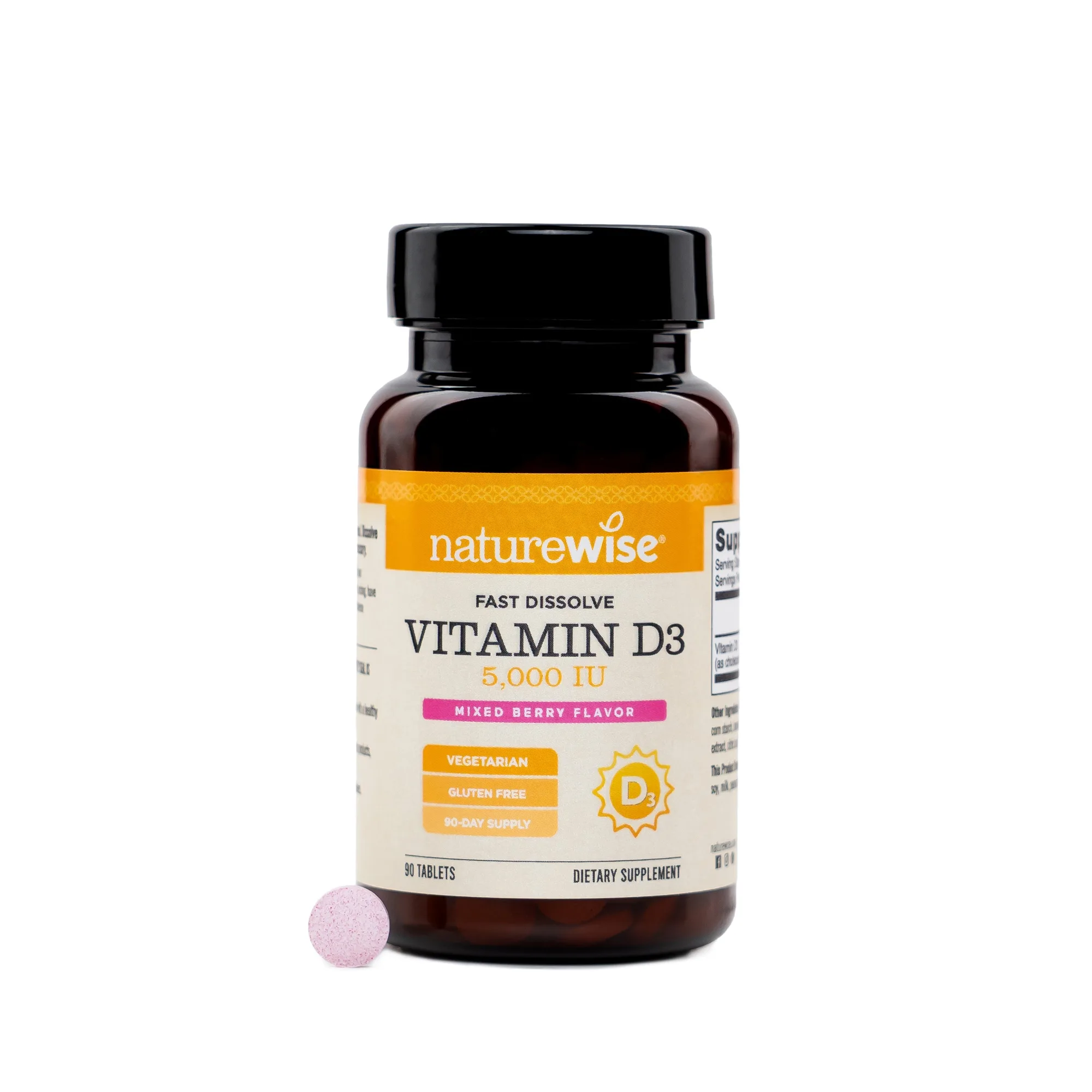
- Fast Dissolve Vitamin D3: Mixed berry flavor, sugar free, fast dissolve tablets that dissolve under the tongue; supports immune health, bone health, and muscle function. If you already take a D3 supplement for heart and immune support, a fast-dissolve tablet is easy to pair with your CoQ10 routine without adding another pill to swallow.
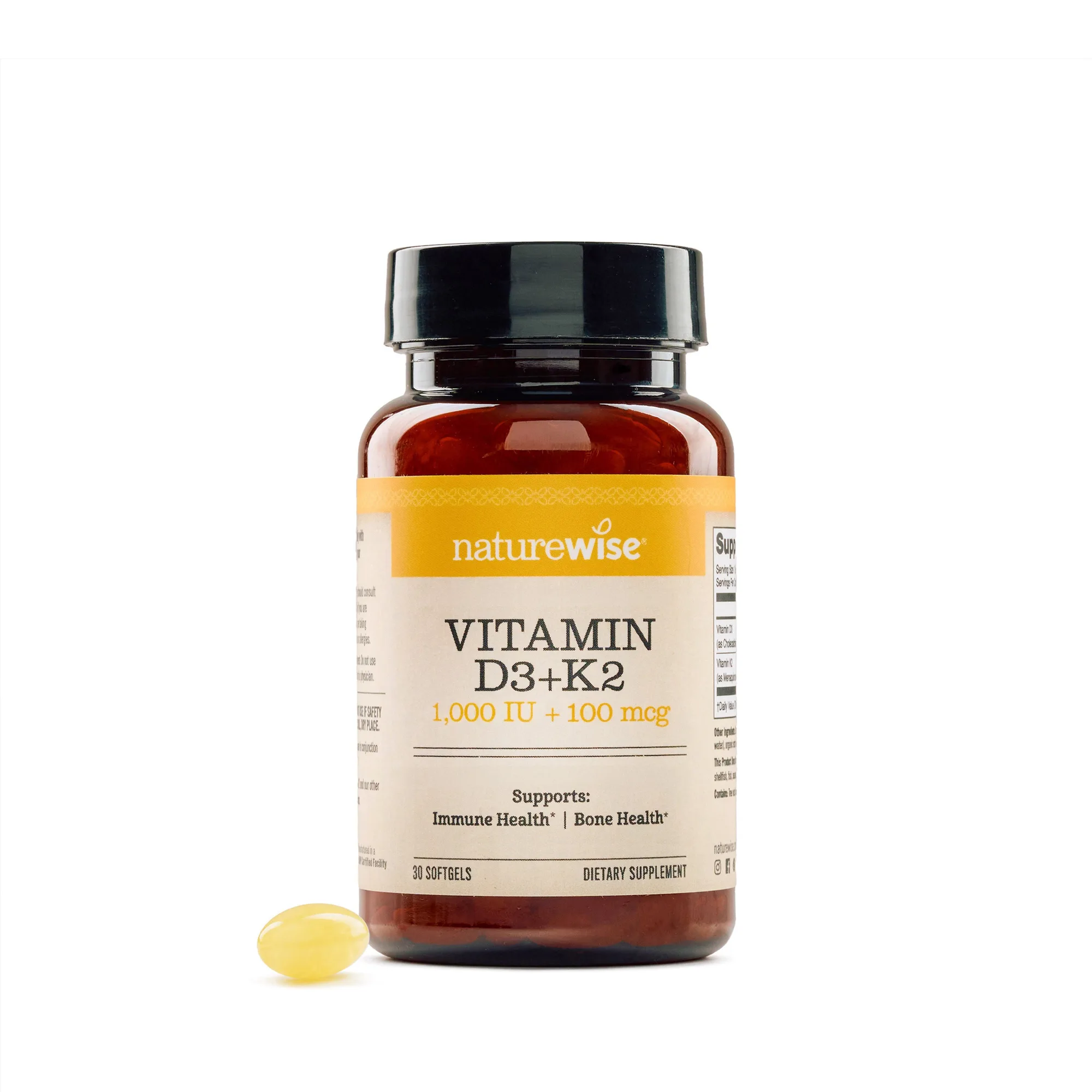
- https://naturewisenmz.com/products/vitamin-d3-k2-with-mct-oil-1617c26fd1834cc3c3471290-2611056Vitamin D3 + K2 with MCT Oil: Vegan, organic MCT oil, vitamin D3 plus K2; supports bone health, heart health, immune health, and calcium distribution. K2 helps direct calcium to bones rather than arteries, which is relevant if heart health is your reason for taking CoQ10. The MCT oil base also provides fat, which can help with absorption of fat-soluble supplements taken at the same meal.
- Zinc Picolinate: 30 mg of zinc picolinate per serving, vegan, one-per-day formula, available in 120 count; supports immune system, eye health, and skin health. A one-per-day zinc is simple to stack with CoQ10 if you are building a basic heart-and-immune routine, though zinc should not be taken in high doses long term without guidance.
CoQ10 is not complicated once you strip it down: pick a sensible dose, choose the form that fits your age and budget, take it with fat, and stay consistent long enough to judge. If you take prescription medication or have a heart condition, loop in your doctor before you start — that is the step that matters most.