Quick Answer
Coral calcium provides a natural source of calcium and trace minerals that support tooth enamel and bone density. For most people, it's a safe and effective supplement, but it's not a substitute for professional dental care or a balanced diet. Always check with your healthcare provider before adding any supplement.
You've probably heard that calcium is essential for strong teeth and bones, but what about coral calcium specifically? This natural supplement, derived from fossilized coral, is marketed as a more bioavailable source of calcium. But does it really make a difference?
Coral calcium contains calcium carbonate plus trace minerals like magnesium, which are also found in your teeth and bones. Some studies suggest that these minerals may enhance absorption, but the evidence is not conclusive. In this article, we'll break down what coral calcium can and can't do for your oral and skeletal health.
How Coral Calcium Supports Teeth and Bones
Your teeth and bones are living tissues that constantly remodel. Calcium is the main building block, but it doesn't work alone. Magnesium, vitamin D, and other trace minerals are also needed for proper absorption and utilization. Coral calcium naturally contains these co-factors, which is why some people find it more effective than regular calcium supplements.
For teeth, calcium helps maintain enamel strength and can even support remineralization of early decay. For bones, adequate calcium intake reduces the risk of fractures and osteoporosis. Coral calcium's marine origin means it's also free from the heavy metals sometimes found in land-based calcium sources.
- Look for coral calcium from above-sea sources (EcoSafe) to avoid environmental impact.
- Pair with vitamin D for optimal calcium absorption.
- Aim for a balanced diet rich in calcium-rich foods as the foundation.
Coral Calcium vs. Regular Calcium: What's the Difference?
Regular calcium supplements typically come in two forms: calcium carbonate and calcium citrate. Coral calcium is primarily calcium carbonate, but it also contains about 70 trace minerals. Proponents argue that these trace minerals make it more 'natural' and easier for the body to use.
However, clinical evidence does not strongly support that coral calcium is superior to standard calcium for bone density. The main advantage is the additional minerals, but you can get those from a varied diet. If you prefer a natural, minimally processed supplement, coral calcium is a good choice. If you're on a budget, regular calcium may be just as effective.
- Coral calcium is not a magic bullet; it's a source of calcium plus trace minerals.
- Check the label for the actual calcium content, not just the total weight.
- If you have kidney issues, talk to your doctor before taking coral calcium.
Using Coral Calcium in Your Daily Routine
Coral calcium is available in capsules, powders, and even gummies. The powder can be added to smoothies, juices, or water. Gummies are a convenient option for kids or anyone who dislikes swallowing pills. When choosing a product, look for one that specifies the calcium content per serving and any added vitamin D.
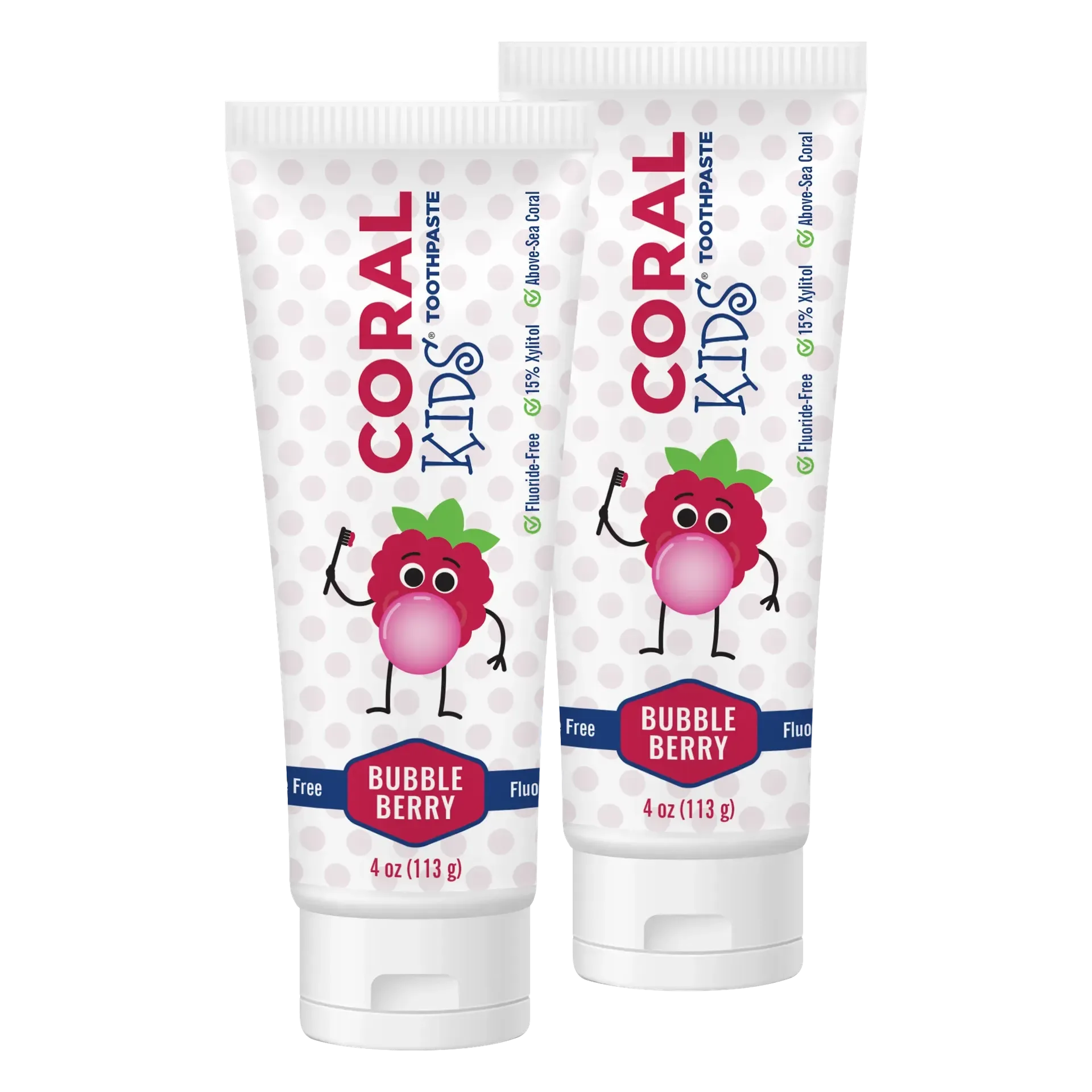
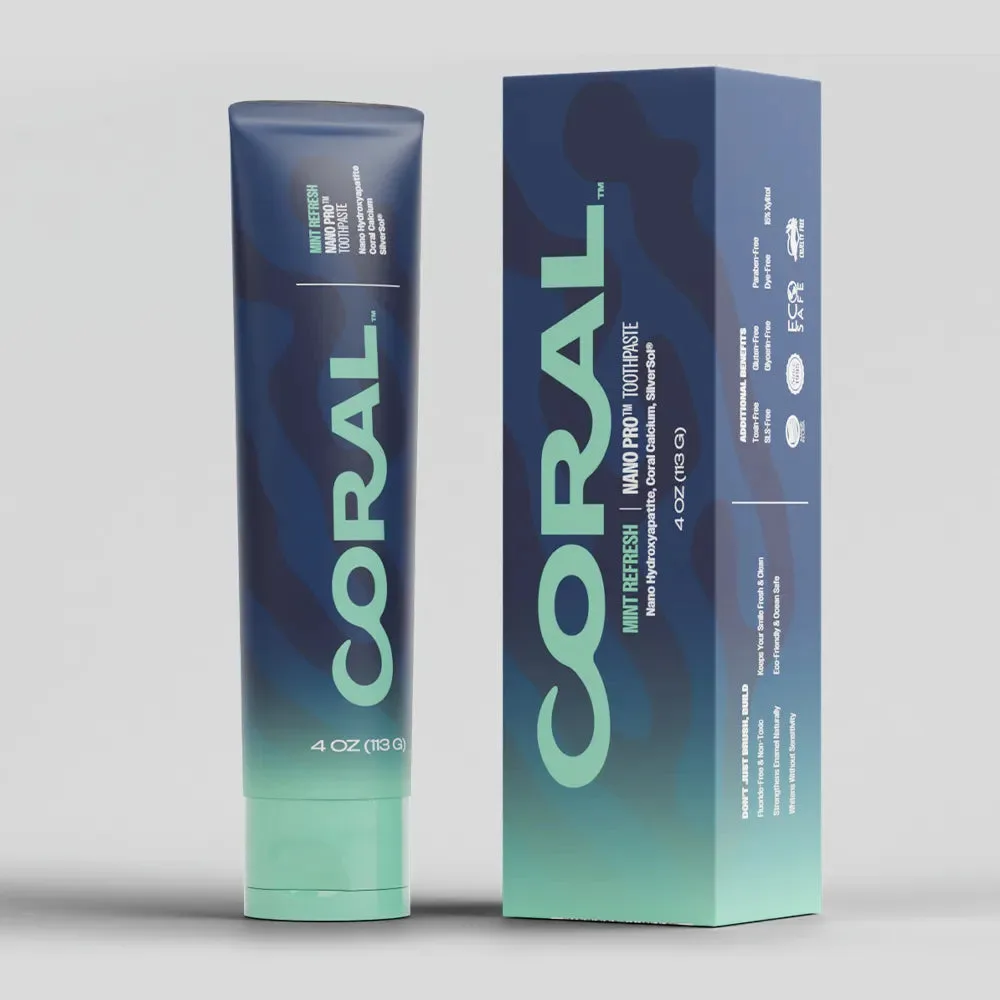
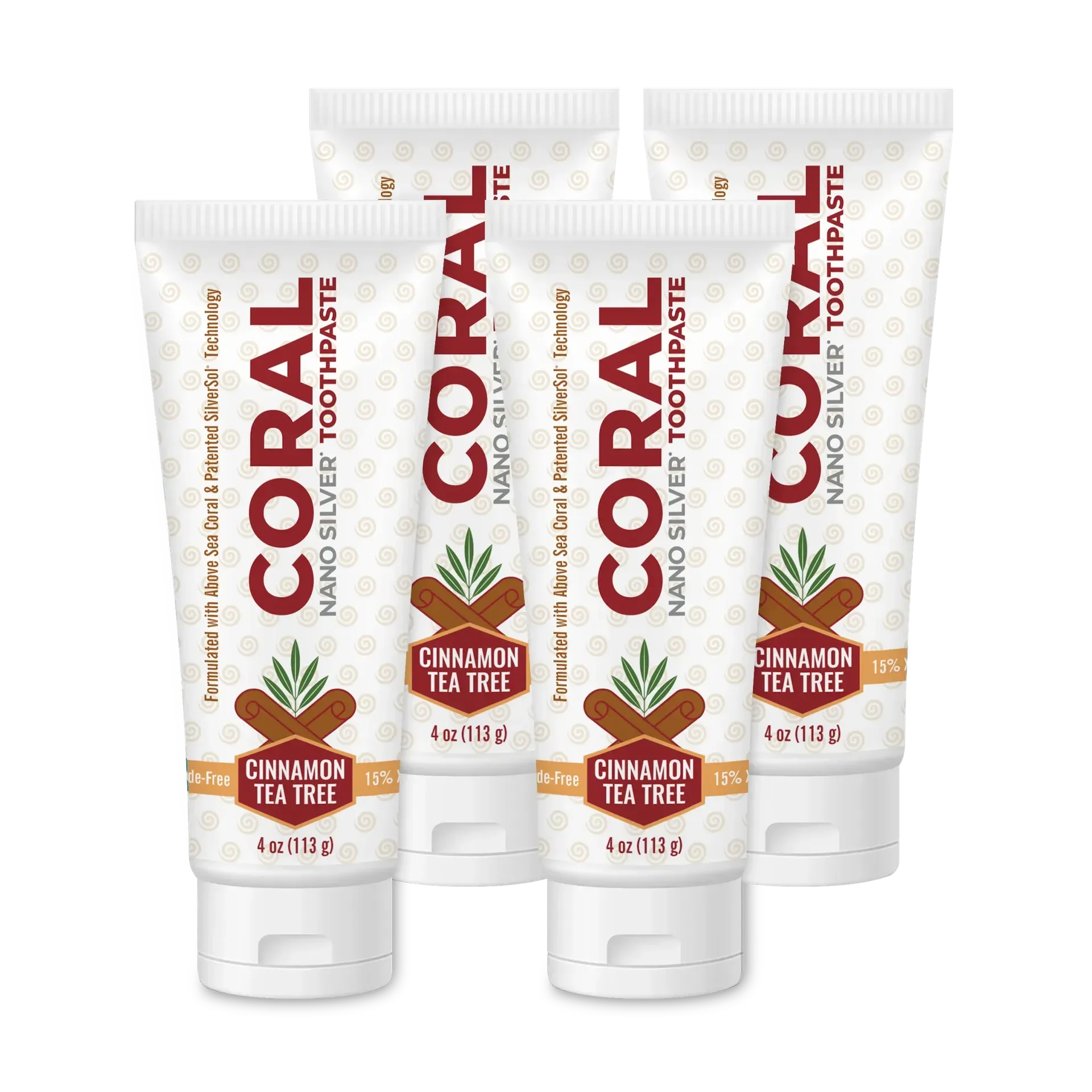
For oral care, some toothpastes incorporate coral calcium to help remineralize enamel. While brushing with a calcium-rich toothpaste can support enamel health, it's not a replacement for systemic calcium intake. Your body needs calcium from your diet or supplements to build strong teeth and bones from the inside out.
- Start with a low dose to see how your body reacts.
- Take with food to improve absorption and reduce stomach upset.
- Keep supplements out of reach of children.
Diagnosis: Is Coral Calcium Right for You?
- Symptom: Weak or brittle nails, frequent cavities, or low bone density: These signs may indicate a calcium or mineral deficiency. Coral calcium could help, but first get a blood test to confirm. Consult a healthcare provider before starting any supplement.
- Likely cause: Inadequate calcium intake or poor absorption: Even with a good diet, some people don't absorb calcium well. Coral calcium's trace minerals may support absorption, but vitamin D is also essential. Pair with vitamin D and a balanced diet.
- Corrective action: Add a coral calcium supplement or use coral calcium toothpaste: Choose a product with clear calcium content. Gummies are a tasty option for kids; toothpaste can help with enamel remineralization. Monitor your intake and adjust as needed.
- Stop or choose another option if: You have kidney stones, hypercalcemia, or take certain medications: Excess calcium can be harmful. If you have a medical condition, opt for a different calcium source or follow your doctor's advice. Your doctor is the best guide for your specific health needs.
Coral Calcium Products to Consider
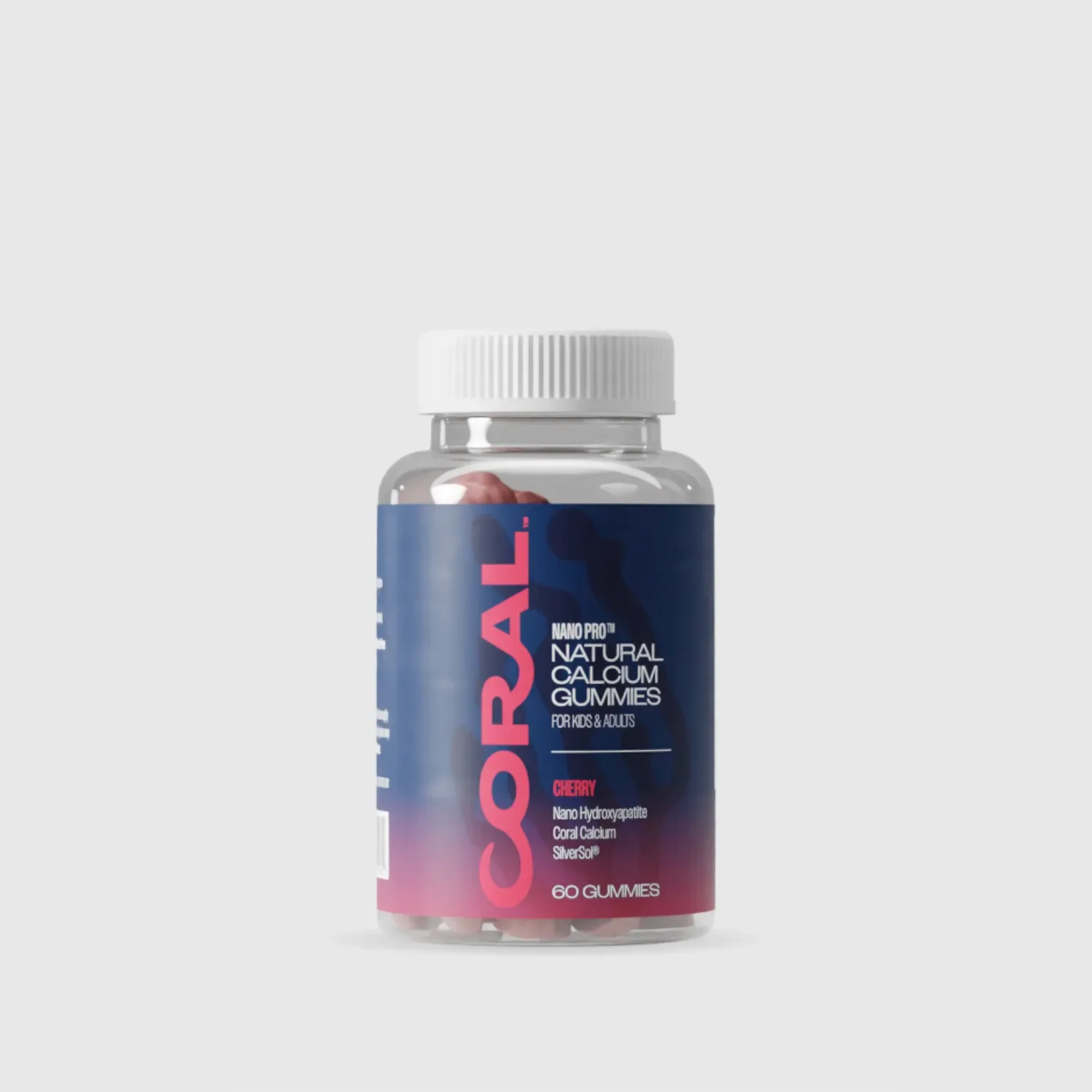
- Coral Kids Cherry Gummies: 300 mg of bioavailable calcium derived from EcoSafe, above-sea coral and 800 IU of... A tasty way to get coral calcium for kids who refuse pills or powders.
- Nano Pro Gummies: These cherry-flavored gummies are designed for easy daily use. Convenient for adults who want a simple, on-the-go calcium supplement.
Coral calcium offers a natural, mineral-rich way to support your teeth and bones. Whether you choose gummies, powder, or a toothpaste, the key is consistency and a balanced approach. Always pair supplements with good oral hygiene and regular dental check-ups.