Quick answer
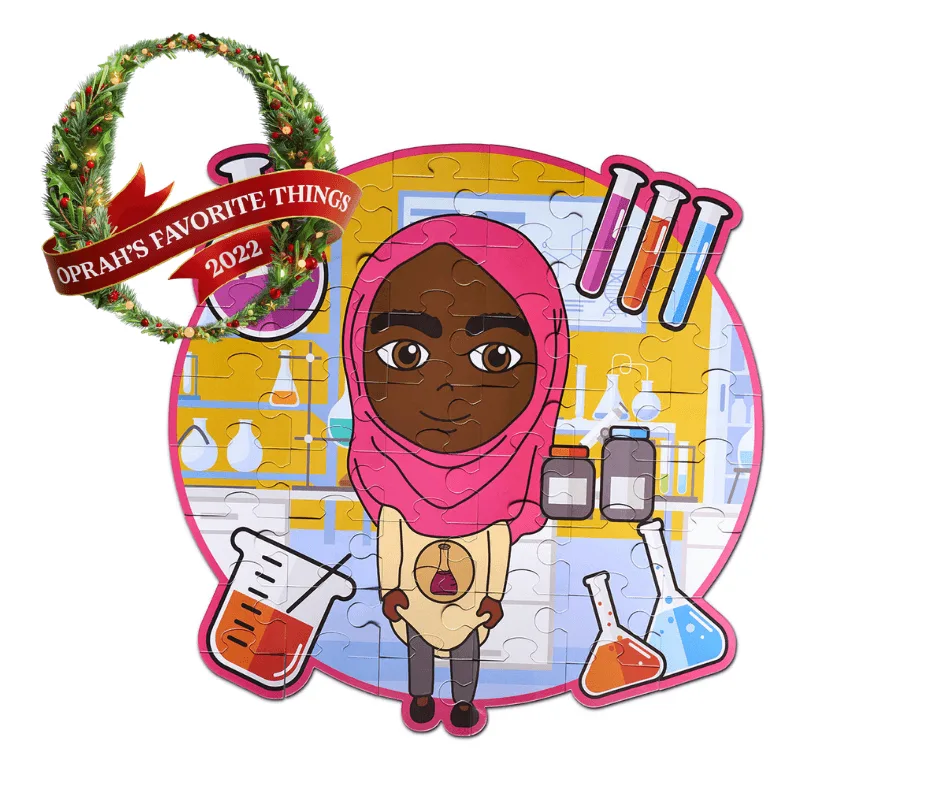
The Dear Smart Girl Cosmetic Scientist Kit is a guided way to run safe home spa experiments. It walks kids through pH testing and three formulation phases to make one hand soap and one scrub. Use it as written, supervise the pH steps, and keep the included customization options for the final mix-ins.
Set up a safe home spa workspace
Before opening the kit, clear a counter and cover it with a washable mat or tray. Keep long hair tied back and sleeves rolled. The kit includes all activity supplies, but you will still want a sink or a bowl of warm water nearby for rinsing tools between phases. Because the Cosmetic Scientist Kit focuses on pH evaluation, place the pH strips or testing tools where kids can reach them without leaning over the mixing area.
- Check that the room is well ventilated if you are working with any powders or fragrances from the kit.
- Set out a towel for hands and a separate cloth for wiping spills.
- Read the kit instructions together once before starting, so kids know when the pH checks happen.
Walk through the three formulation phases
The kit is built around three phases of formulation, not a single heat-and-pour activity. In the first phase, kids measure and combine the base ingredients. The second phase is where pH evaluation matters most: learners test the mixture to understand when chemicals are safe for skin. The third phase is customization, where the included options let them adjust scent, texture, or color. Stay with your child during the pH step and help them compare the test result to the guide in the kit. If a reading seems off, pause and re-read the instruction rather than adding more of anything.
- Use separate measuring tools for each phase if the kit provides them.
- Write down the pH reading for each batch so kids can see how formulation changes the result.
- Keep the final hand soap and scrub labeled with the date you made them.
Make the most of the customization options
The kit makes one hand soap and one scrub, and both include fun customization options. Let kids choose their own mix-ins, but add them a little at a time. Overloading a batch can change the texture or make the pH harder to read. If your child wants to experiment beyond the kit, keep it simple: test one change at a time so you can tell what caused the difference. This is also a good moment to talk about why cosmetic science for kids starts with safety checks before creativity.
- Label each batch with the name your child gives it.
- Store finished products away from direct sunlight.
- Plan a short shelf life for homemade items and use them within a few days.
Step-by-step home spa experiment
- Prepare the workspace: Clear a counter, cover it, and set out the kit supplies plus a rinsing bowl. Read the instructions together before opening any packets. Checkpoint: everyone knows where the pH testing tools are before mixing begins.
- Run phase one: combine the base: Measure and mix the base ingredients exactly as the kit directs. Keep the tools for this phase separate from the pH testing area. Mistake to avoid: guessing measurements instead of using the kit's guides.
- Run phase two: test pH: Use the kit's pH evaluation method on the mixture. Compare the result to the guide and adjust only if the instructions say to. Checkpoint: if the reading is unclear, stop and re-read the step rather than adding more ingredients.
- Run phase three: customize: Add the included customization options a little at a time to the hand soap or scrub. Stir gently and note what you added. Mistake to avoid: dumping all the mix-ins at once, which can change the texture.
- Label and store: Write the date and product name on each container. Keep the hand soap and scrub out of direct sunlight and plan to use them soon. Next step: try a second batch with one variable changed, like a different mix-in.
Product facts
- Dear Smart Girl Cosmetic Scientist Kit: The Dear Smart Girl Cosmetic Scientist Kit teaches learners to evaluate pH levels and work through three phases of formulation to make one hand soap and one scrub. The pH step is the safety checkpoint, so kids learn that cosmetic science starts with testing, not just mixing.