Living in coyote country means thinking about your dog's safety every time you step outside. Coyotes are opportunistic predators, and small to medium dogs are especially vulnerable. That's why many pet parents turn to protective gear like the CoyoteVest, which offers several spike options to deter attacks. Two of the most popular choices are the CoyoteSpikes and the CoyoteSpurs. Both are designed to make your dog less appealing to a coyote, but they work in slightly different ways. In this comparison, we'll break down the key differences to help you decide which one is right for your furry friend.
Whether you're hiking, camping, or just taking a walk in a suburban area, understanding your protection options is crucial. CoyoteSpikes are the classic choice, providing a dense array of spikes across the vest's surface. CoyoteSpurs, on the other hand, offer a more targeted approach with longer, sharper points. Let's dive into the details so you can make an informed decision.
What Are CoyoteSpikes?
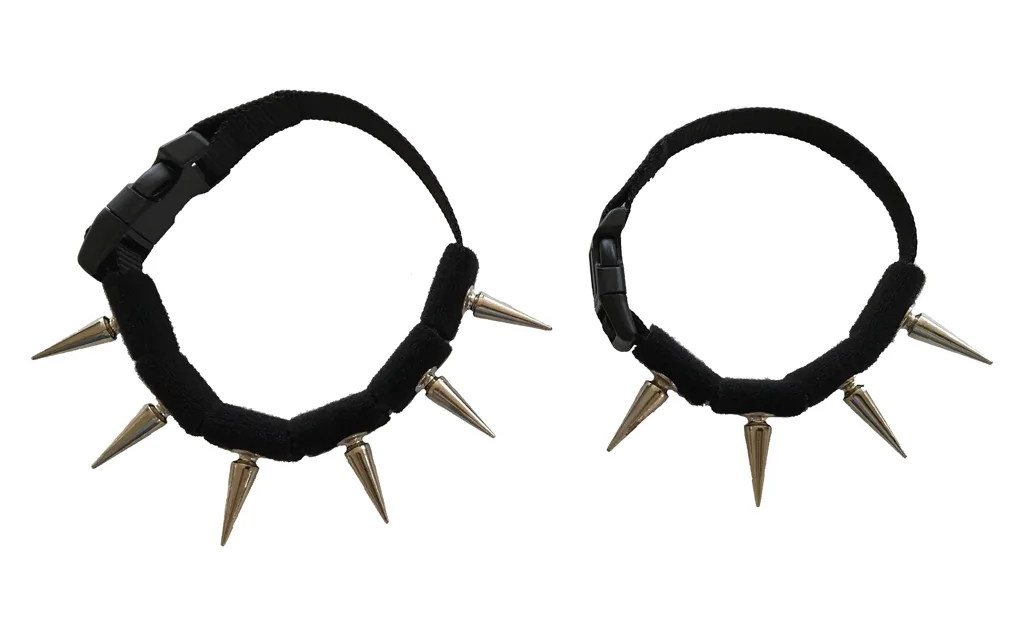
CoyoteSpikes are the original spike system from CoyoteVest. They consist of numerous short, rigid spikes that attach to the vest's outer shell. The spikes are designed to be uncomfortable for a coyote's mouth, deterring it from biting down on your dog's back or neck. The coverage is extensive, with spikes running along the back, sides, and even the chest area, depending on the vest model.
These spikes are made from durable, weather-resistant materials that can withstand rough outdoor use. They're relatively lightweight, so your dog won't be weighed down during activities. CoyoteSpikes are ideal for dogs that spend a lot of time in areas with high coyote activity, as they provide a continuous barrier of protection.
- Dense spike coverage across the vest
- Short, rigid points that deter biting
- Lightweight and durable for everyday wear
What Are CoyoteSpurs?
CoyoteSpurs are a more aggressive deterrent. These are longer, sharper spikes that are strategically placed at key vulnerable points, such as the neck, shoulders, and rump. The design mimics the spurs on a cowboy boot, delivering a painful poke when a coyote tries to grab hold. This can cause the coyote to recoil and retreat, giving your dog a chance to escape.
Because they are longer, CoyoteSpurs can be more intimidating to a predator. They are also useful for dogs that are particularly vulnerable to attacks from behind, as the rear spurs can prevent a coyote from latching onto the hindquarters. However, they may be less comfortable for your dog to wear for extended periods, so proper fitting is essential.
- Longer, sharper points for targeted deterrence
- Strategically placed at neck, shoulders, and rump
- May require more adjustment for comfort
Key Differences: Coverage vs. Precision
The primary difference between CoyoteSpikes and CoyoteSpurs is the coverage versus precision. CoyoteSpikes offer broad coverage, making them a great all-around choice for general protection. They create a 'porcupine effect' that covers most of the dog's body, which is especially important for small dogs that might be picked up by a coyote. The dense array of spikes makes it difficult for a coyote to find a safe place to bite.
CoyoteSpurs, in contrast, are all about precision. By placing longer spikes at specific points, they target the areas where coyotes typically grab their prey. This can be more effective in deterring an attack, as the coyote will quickly learn that biting those spots results in pain. However, the gaps between spurs mean that a determined coyote might find an unprotected area. Some pet parents choose to combine both systems for maximum protection, but that's not always necessary.
- CoyoteSpikes: broad coverage, great for small dogs
- CoyoteSpurs: targeted protection at critical points
- Consider your dog's size and typical attack scenarios
How to Choose Between CoyoteSpikes and CoyoteSpurs
When deciding between CoyoteSpikes and CoyoteSpurs, consider your dog's size, activity level, and the specific threats in your area. For small dogs (under 30 pounds), you might want the extra coverage of CoyoteSpikes, as they protect more surface area. For larger dogs that are more likely to be attacked from behind, CoyoteSpurs might be the better choice, as they provide targeted protection to the rear.
Think about the terrain and how your dog moves. If your dog loves to run through thick brush, the shorter CoyoteSpikes are less likely to snag on vegetation. CoyoteSpurs, being longer, could catch on branches or fences. Also, consider your dog's comfort: some dogs may find the longer spurs irritating, especially when lying down. Always do a test fitting and observe your dog's behavior.
- Small dogs: CoyoteSpikes for maximum coverage
- Large dogs: CoyoteSpurs for rear protection
- Consider snagging risks and comfort
Installation and Compatibility
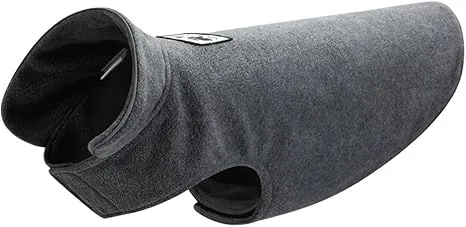
Both CoyoteSpikes and CoyoteSpurs are designed to be easily attached to your CoyoteVest. The installation process is straightforward, and you can switch between spike types if you have multiple vests. The spikes are secured with durable fasteners that hold firmly during active use. If you're unsure about installation, check out our installation guides or contact support.
It's important to note that both systems are compatible with the SpikeVest Waistband Extension and the SpikeVest Waistband Stay-Strap. These accessories help keep the vest in place, ensuring that the spikes stay in the correct position for optimal protection. Pairing the right spikes with a secure vest is key to effective defense.
- Easy to install and remove
- Compatible with vest extensions
- Ensure a snug fit for best results
Real-World Considerations: Coyote Behavior
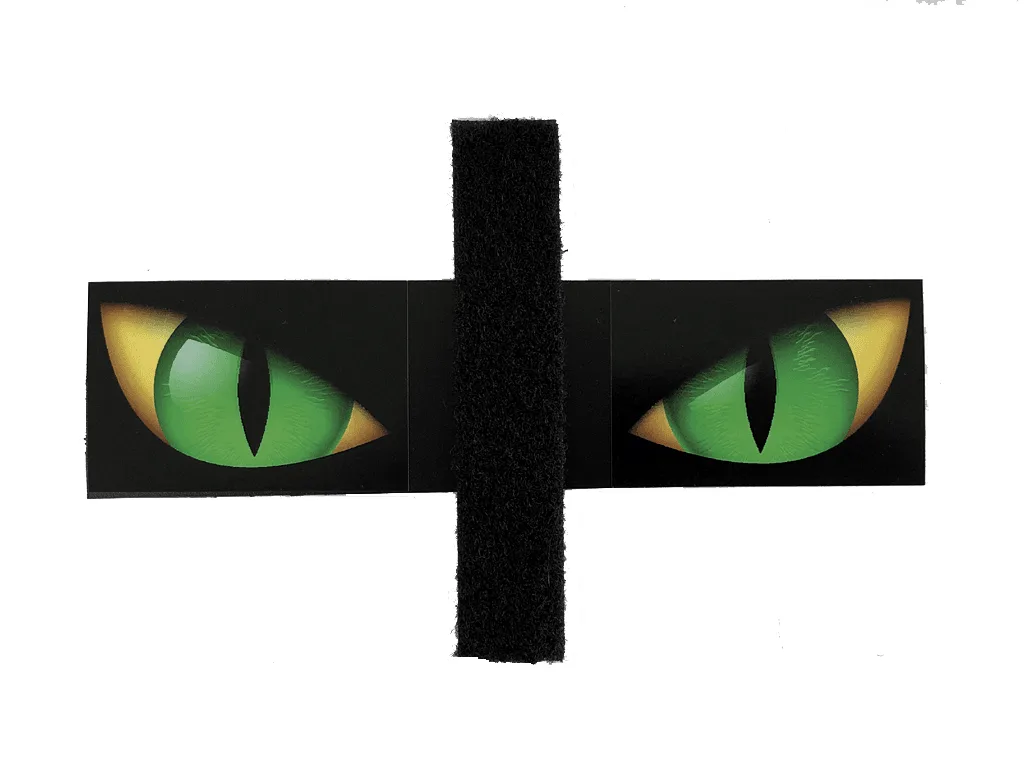
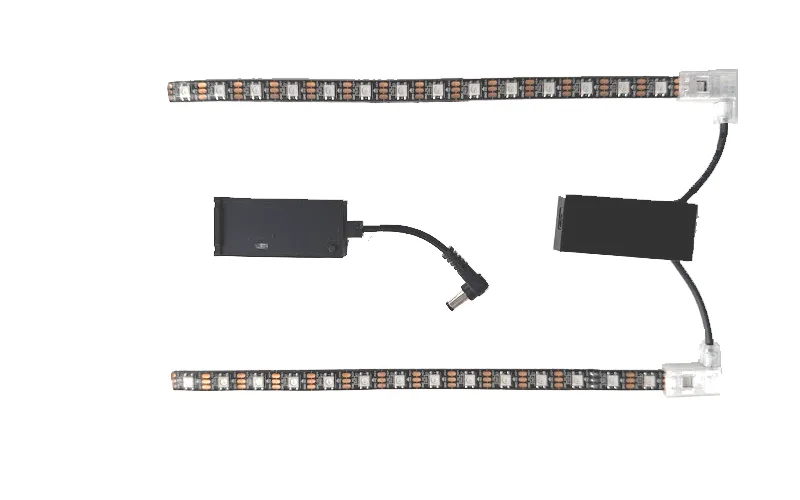
Coyotes are intelligent and adaptable. They often test prey, looking for weaknesses. The presence of spikes can make your dog seem like a risky target, but it's not a guarantee. Coyotes may still attempt to attack, especially if they are desperate or defending their territory. That's why it's crucial to also use other deterrents, such as the CoyoteDazzler, which uses light patterns to confuse predators, or the Pee Lights for visibility during early morning or evening walks.
Remember that no single product can guarantee safety. Using multiple deterrents, such as spikes and lights, increases your dog's chances of avoiding an attack. Always supervise your dog in coyote-prone areas and keep them on a leash when necessary. Your vigilance is the first line of defense.
- Spikes are a deterrent, not a guarantee
- Combine with lights for better visibility
- Supervise your dog in high-risk areas
Ultimately, the choice between CoyoteSpikes and CoyoteSpurs depends on your dog's needs and your environment. Both are effective deterrents, but they serve different purposes. For broad protection, especially for small dogs, CoyoteSpikes are a solid choice. For targeted defense against rear attacks, CoyoteSpurs may be more suitable. Whichever you choose, ensure it's properly fitted and paired with other safety measures. Explore our range of protective gear to find the perfect solution for your canine companion.