Quick Answer
For most puppies, start with a full-size crate and use a crate divider to shrink the space as they grow. This approach saves money and avoids buying multiple crates. Choose a divider that fits your crate model and adjust it as your puppy grows—remove it once they are house-trained and can be trusted with more room.
Bringing home a puppy is exciting, but choosing the right crate setup can feel overwhelming. One common question is whether to start with a small crate and upgrade later, or buy a full-size crate and use a divider. The answer depends on your puppy's expected adult size, your budget, and how quickly they grow.
A crate divider is a simple panel that temporarily reduces the interior space of a crate, making it cozy and den-like for a young puppy. As your puppy grows, you can move the divider back to give them more room. This approach lets you buy one crate that lasts into adulthood, which is often more practical and cost-effective than buying multiple crates.
Why Crate Size Matters for Puppies
Dogs naturally avoid soiling their sleeping area, but only if the space is appropriately sized. If a crate is too large, a puppy may use one end as a bathroom and sleep in the other. A divider creates a snug space that encourages your puppy to hold their bladder, which supports house-training.
As your puppy grows, you gradually increase the crate space by moving the divider. This prevents the need to buy a new crate every few weeks. The key is to adjust the divider so your puppy can stand, turn around, and lie down comfortably—but not have extra room to roam.
Crate Divider vs Full-Size Crate: Key Trade-offs
Buying a full-size crate with a divider is a common strategy because it's cost-effective and future-proof. You invest in one crate that fits your dog as an adult, and the divider adapts it for puppyhood. The main trade-off is that a large crate takes up more floor space, even when the divider makes the usable area small.
Alternatively, you could buy a small crate for your puppy and upgrade to a larger one later. This avoids the visual bulk of a large crate, but it means buying two crates and managing the transition. For most owners, the convenience of a single crate with a divider outweighs the extra floor space.
How to Choose the Right Crate and Divider
First, estimate your puppy's adult size based on their breed or mix. Then choose a crate that will comfortably fit them as an adult. For example, the Diggs Evolv Dog Crate is available in Small, Medium, Intermediate, and Large sizes, so you can pick the size that matches your dog's expected adult dimensions.
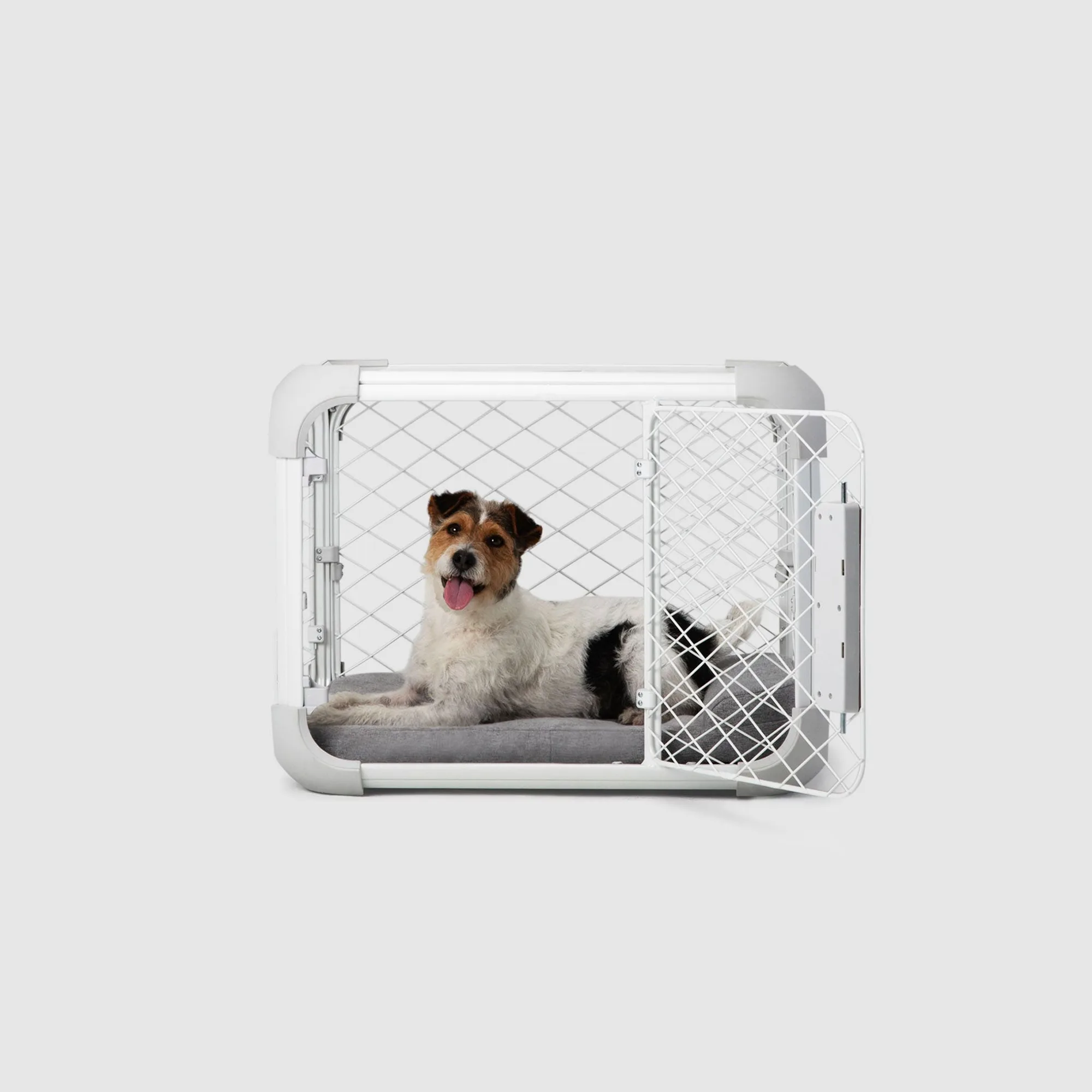
Evolv Dog Crate
Next, ensure the divider is compatible with your crate. The Diggs Evolv Divider is designed to fit Evolv crates and comes in sizes S, M, I, and L. It installs easily and adjusts as your puppy grows, giving you a simple way to manage space without buying a new crate.
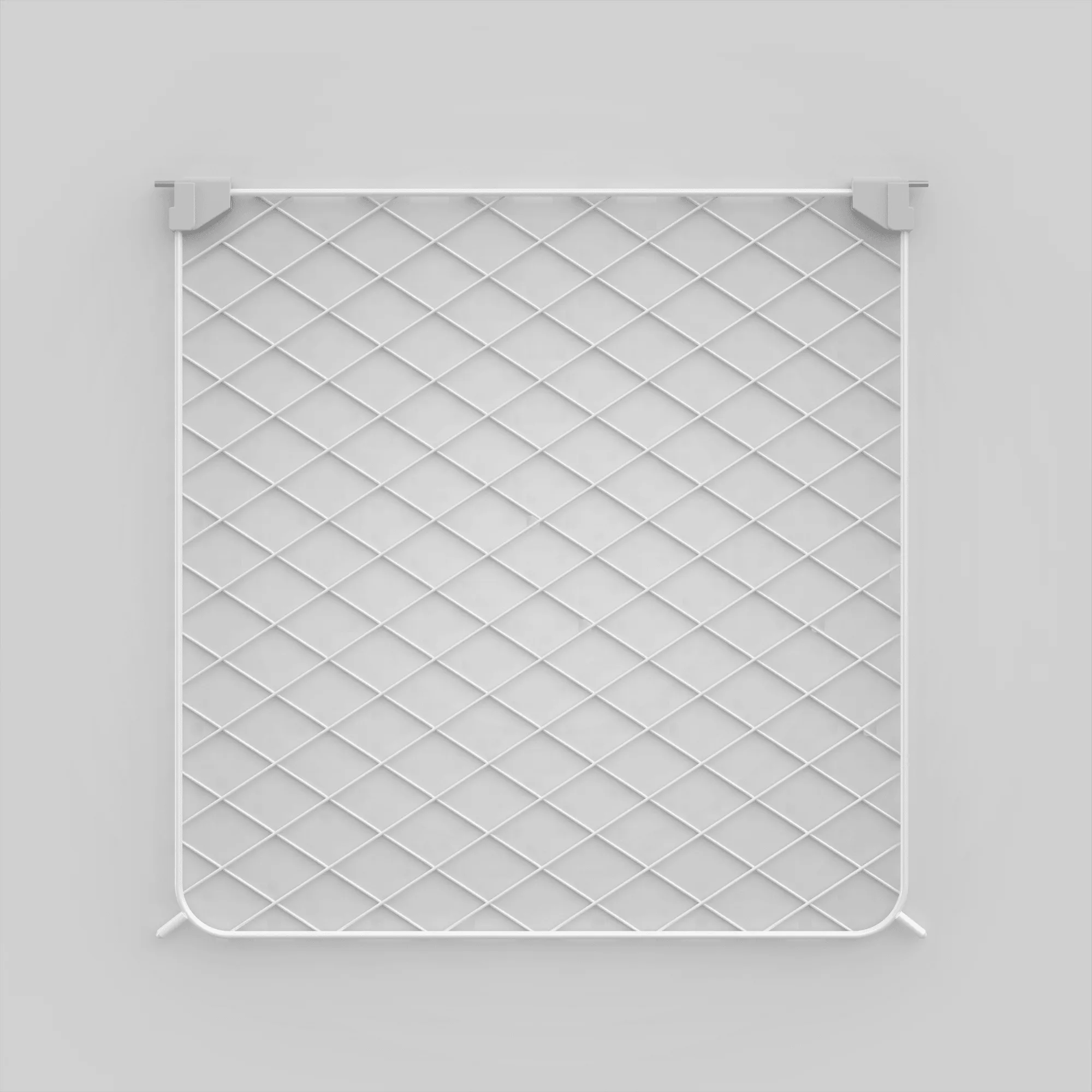
Evolv Divider
- Measure your puppy's current length from nose to base of tail, and add a few inches for comfort.
- Adjust the divider every few weeks as your puppy grows—check that they can still stand and turn around easily.
- Remove the divider once your puppy is reliably house-trained and can be trusted with more space.
When to Remove the Crate Divider
The right time to remove the divider varies by puppy, but a good rule of thumb is when your puppy is consistently clean in the crate for several weeks and has grown significantly. If they are still having accidents, keep the divider in place to reinforce good habits.
Some owners remove the divider gradually, moving it back a few inches at a time to give the puppy more space while monitoring for accidents. This gradual approach can help your puppy adjust without regression. Once the divider is fully removed, your puppy will have the full crate space, which should be sized for their adult dimensions.
Decision Rules for Crate Divider vs Full-Size Crate
- Start with a full-size crate and divider: If you want to buy once and avoid the hassle of upgrading, choose a crate that fits your dog's adult size and use a divider to shrink it for puppyhood. Most cost-effective and convenient for medium to large breeds.
- Choose a small crate first: If floor space is limited or you prefer a smaller footprint during puppyhood, you can buy a small crate now and upgrade later. This means buying two crates. Works for small breeds or owners who plan to repurpose the small crate.
- Match the divider to your crate: Ensure the divider is compatible with your crate model and size. For example, the Diggs Evolv Divider comes in sizes S, M, I, and L to match your Evolv crate. A proper fit prevents gaps and keeps your puppy safe.
Products That Help
- Evolv Divider: The Diggs Evolv Divider is a spare part designed to fit your Evolv crate, helping you create a cozy, size-appropriate space for your dog. Available in multiple sizes to match your crate configuration. This divider lets you adjust the interior space as your puppy grows, so you can use one crate from puppyhood to adulthood without buying a new one.
- Evolv Dog Crate: The Diggs Evolv Dog Crate is thoughtfully designed to blend into your home while providing a secure and comfortable space for your dog. Available in Small, Medium, Intermediate, and Large sizes. Choosing the right crate size based on your dog's adult dimensions ensures a comfortable long-term fit, and the multiple size options help you match your dog's needs.
Who Should Choose What
Best for
- Puppy owners who want a single crate that lasts into adulthood.
- Owners who value cost savings and don't mind a larger crate footprint.
Not for
- Owners with very limited floor space who prefer a smaller crate during puppyhood.
- Those who plan to have multiple dogs of different sizes and may need separate crates.
Choosing between a crate divider and a full-size crate comes down to your space, budget, and your puppy's expected adult size. A full-size crate with a divider is the most practical option for most owners, letting you adjust the space as your puppy grows and avoid buying multiple crates. Use the decision rules above to make a confident choice, and remember to remove the divider once your puppy is reliably house-trained.