Quick Answer
Cream bronzer is the better match for dry, mature, or textured skin because it melts in and leaves a dewy, skin-like finish. Powder bronzer is the better match for oily skin, large pores, or humid days because it sets down and resists sliding. If your skin is combination, cream on the cheeks and powder through the perimeter gives you both a natural bronzer look and staying power.
How the Two Formulas Behave on Skin
Cream bronzer is pigment suspended in oils, waxes, or butters. It stays movable for a short time, which is why it blends so easily with fingers or a dense brush and why it looks like skin rather than a layer sitting on top of it. The trade-off is that it never fully dries down the way powder does, so it can migrate on very oily skin or in heat.
Powder bronzer is pigment mixed with fillers and binders. It sets quickly, blurs shine, and holds its placement through a workday. The trade-off is that powder can emphasize dryness, fine lines, and texture because it absorbs whatever moisture is on the surface. That is the core of the natural bronzer comparison: cream wins on finish, powder wins on longevity.
Match the Formula to Your Skin Type
For dry or mature skin, cream bronzer is usually the best bronzer for dry skin because it adds a soft sheen instead of sitting in flakes. Apply it after foundation and before any setting powder, and keep powder off the bronzed areas so the finish stays dewy.
For oily skin, powder bronzer is the safer pick. If you still want the cream bronzer finish, use a cream-to-powder formula, or set a thin layer of cream with a light dusting of translucent powder only where you tend to shine. Combination skin often does best with cream on the cheeks and powder along the hairline and jaw, where oil shows first.
Application Order and Tools Change the Result
Cream bronzer goes on before powder products, so it has something to grip and does not get disturbed by a setting powder underneath. Warm a small amount on the back of your hand, then tap it onto the high points of the face and blend upward. A dense synthetic brush or clean fingers both work; fingers give the most control on small areas.
Powder bronzer goes on after foundation and concealer are set. Use a fluffy brush with a light hand, building in thin layers rather than one heavy pass. If you layer powder bronzer over cream bronzer, keep the powder layer sheer or the finish turns flat and the cream's dewiness disappears.
Making Cream Bronzer Last Longer
Cream bronzer longevity depends more on prep than on the formula itself. Start with a moisturized but not slippery base, give it a minute to absorb, then apply cream bronzer and let it settle before touching your face. On oily skin, a thin veil of translucent powder over the bronzed areas can extend wear without erasing the finish.
If you are layering cream bronzer with other cream products, work in the same order every time: foundation, cream blush, cream bronzer, then powder only where needed. Reapplying cream over powder is what causes patchiness, so touch up with powder bronzer instead.
Trade-Offs at a Glance
- Finish: Cream bronzer gives a dewy, skin-like glow; powder bronzer gives a matte, blurred finish. Choose cream if you want visible radiance, powder if you want to tone down shine.
- Longevity: Powder bronzer sets and resists movement; cream bronzer can migrate on oily skin or in humidity unless set lightly. Oily skin and hot climates favor powder; dry skin and cool weather favor cream.
- Skin Texture: Cream smooths over dry patches and fine lines; powder can settle into them and look chalky. If texture is your main concern, start with cream and add powder only where you need it.
Cream Formulas Worth Trying
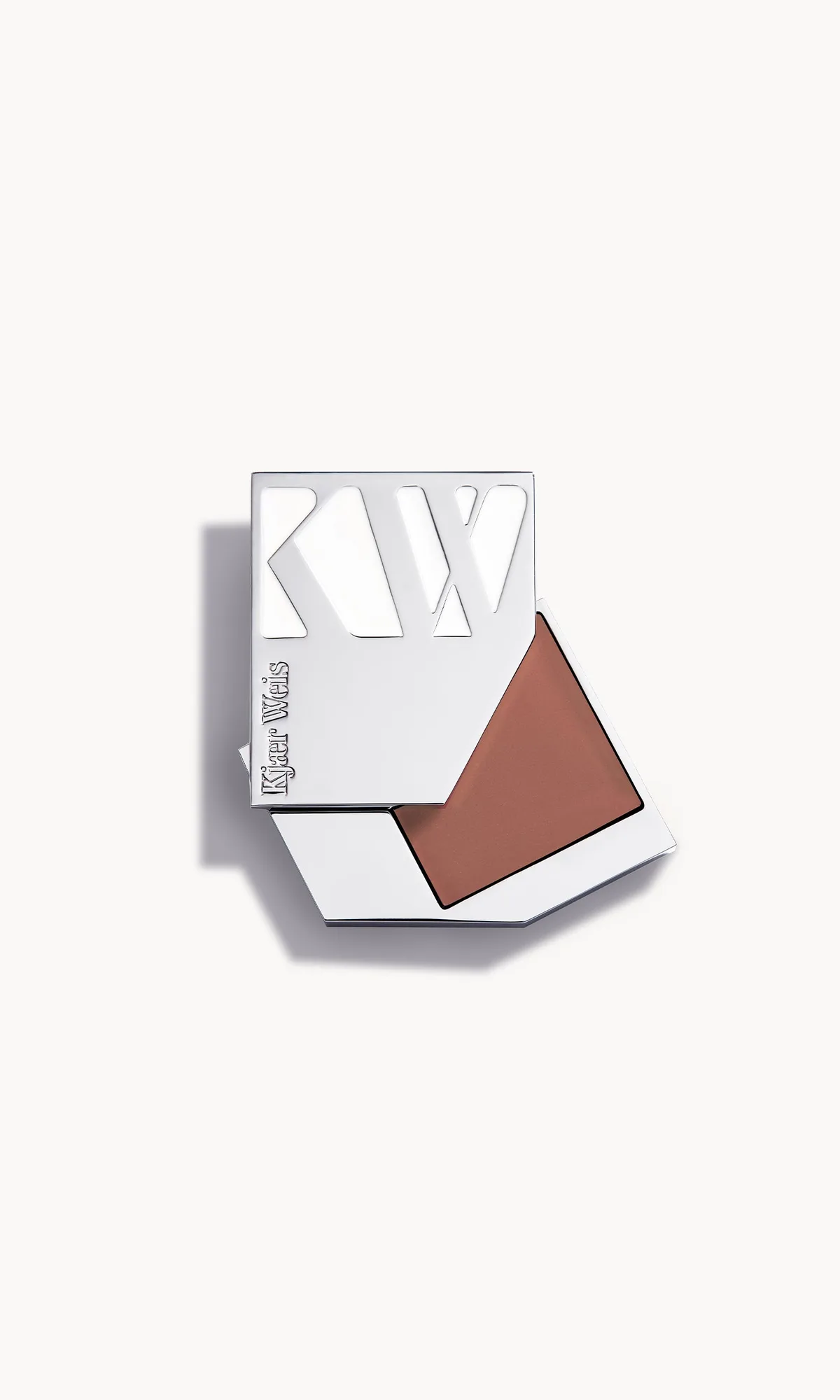
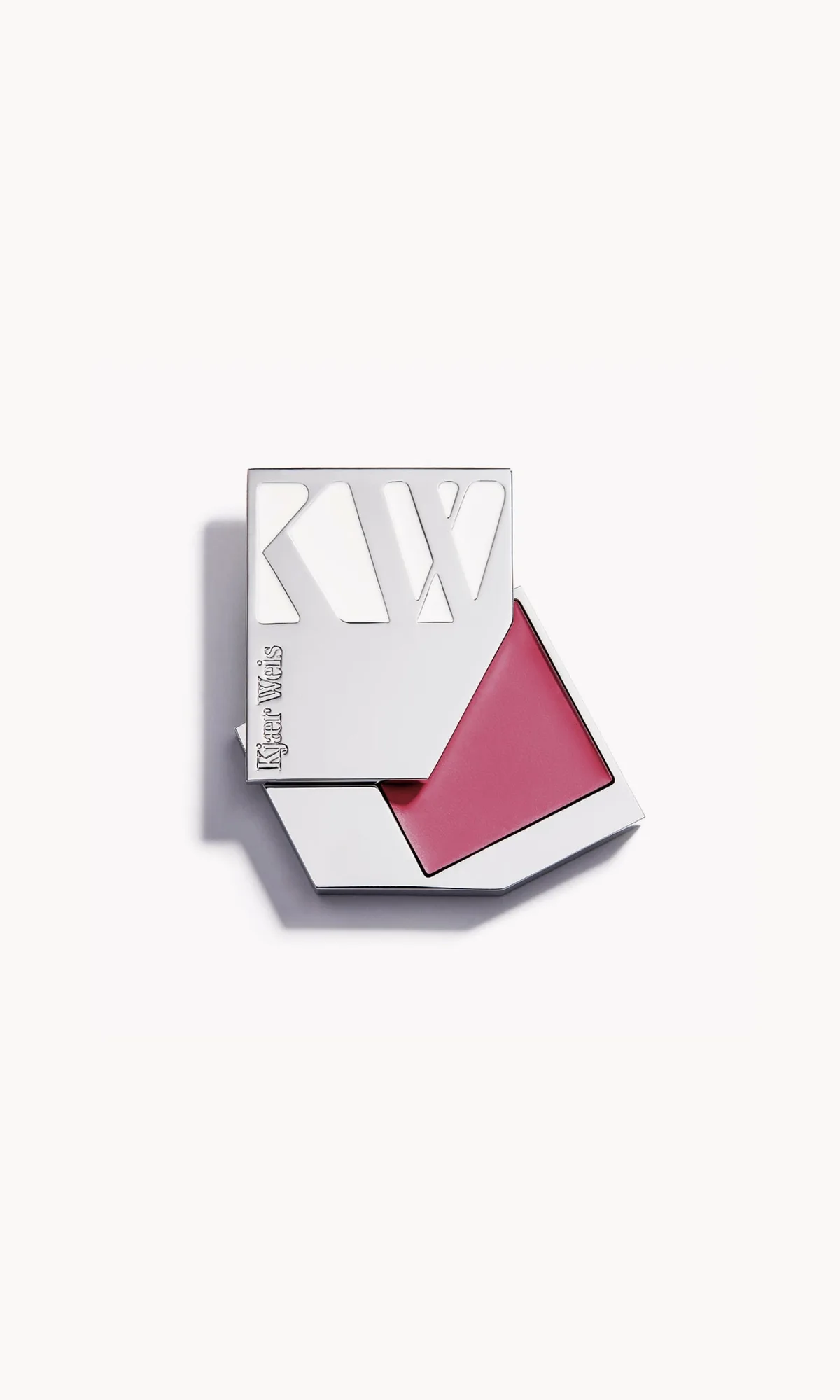
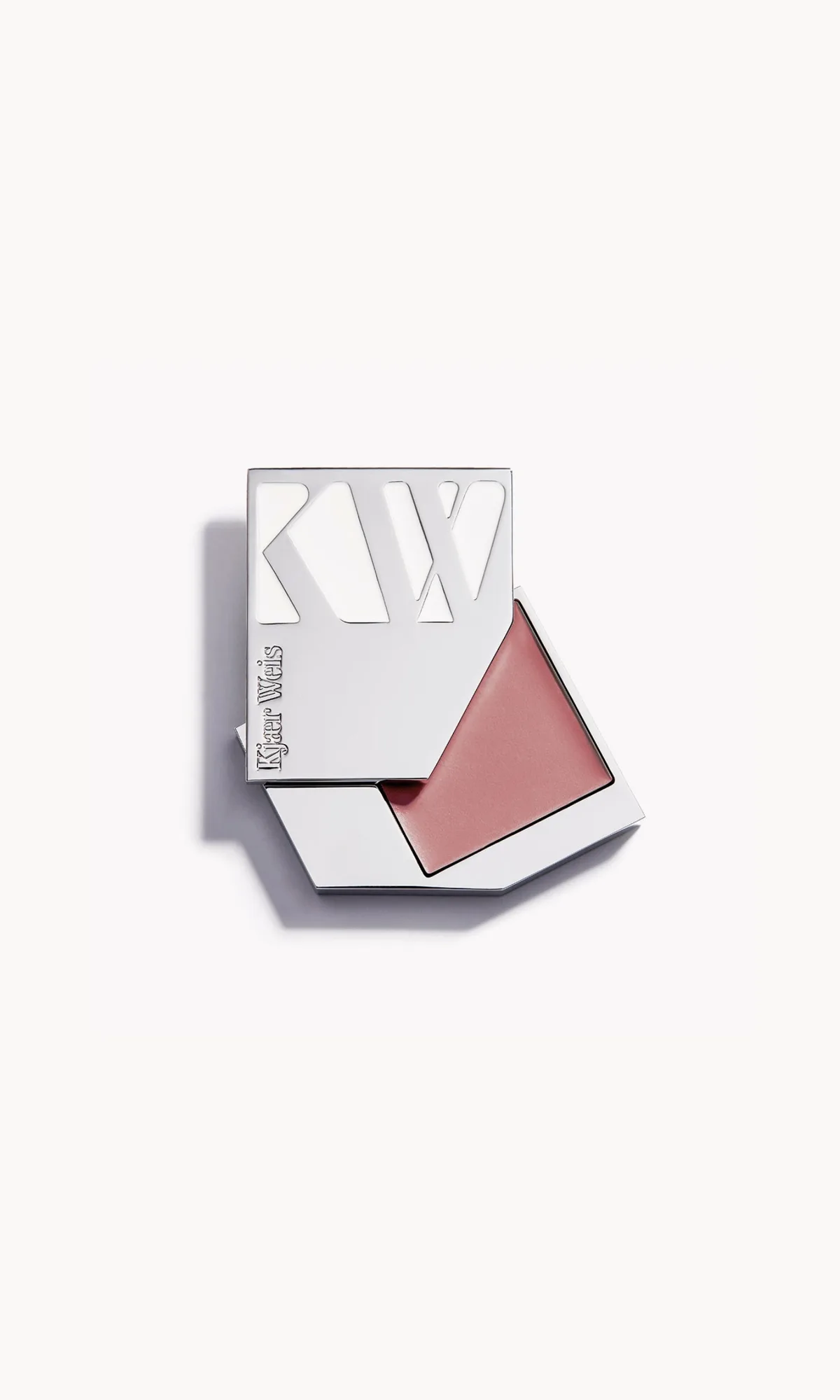
- Cream Blush / Blossoming: Cream Blush in Blossoming is a soft, warm pink with a rosy hue, described as a best-selling color that works beautifully on fair to medium-dark skin tones. If you want a cream formula that blends with fingers and adds a dewy flush, this shade range gives you a flexible starting point before you decide whether cream texture suits your skin.
- Cream Blush / Desired Glow: Cream Blush in Desired Glow is a warm, soft neutral suited to light to medium skin tones, described as ideal for balancing redness-prone cheeks. A neutral cream shade like this can stand in for bronzer on fair skin, warming the face without the orange cast that powder bronzers sometimes leave.
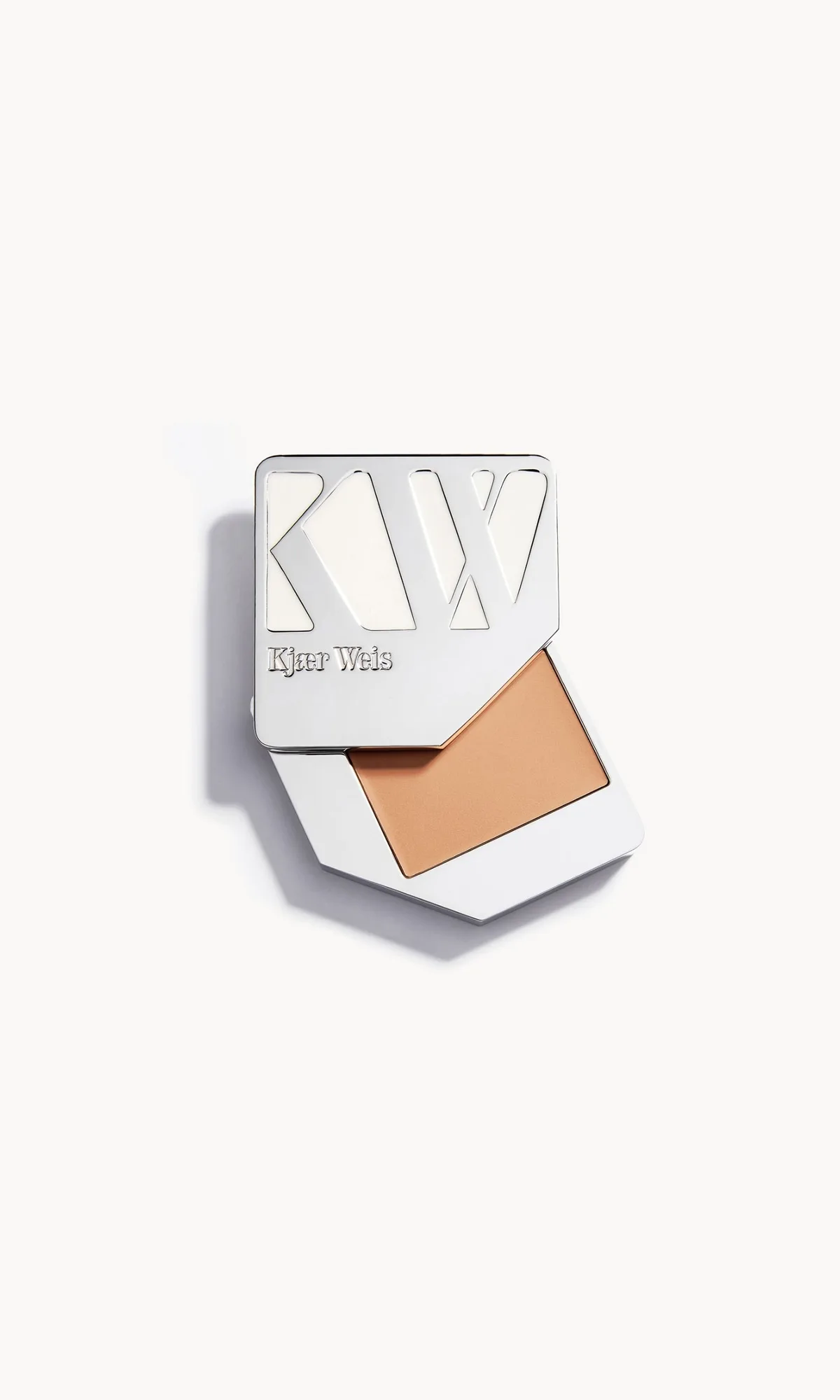
- Cream Foundation / F120 – Weightless: Cream Foundation in F120 – Weightless is a certified-organic, multi-tasking complexion product recommended for fair and light skin tones with neutral undertones. A cream base underneath cream bronzer keeps the whole look consistent in texture, which matters if you are testing whether cream formulas work for your skin type.
Which One Should You Choose?
Best for
- Dry, mature, or textured skin that wants a dewy, natural bronzer look
- Anyone who prefers blending with fingers and a minimal routine
- Cool-weather wear or indoor settings where makeup does not need to survive heat
Not for
- Very oily skin or humid climates where cream formulas tend to slide
- Anyone who wants a fully matte, set finish without any dewiness
- Skin that reacts to oils or butters in cream formulas