Imagine the aroma of coffee brewing over an open fire, the clatter of mess tins, and the camaraderie of soldiers gathered around a field kitchen. For WWII reenactors, recreating this scene isn't just about cooking—it's about bringing history to life. A realistic field kitchen setup is a cornerstone of any immersive reenactment, whether you're portraying a US infantry squad in the Ardennes or a German unit on the Eastern Front. In this guide, we'll walk you through the essentials to build a functional and historically accurate kitchen that will impress event organizers and fellow reenactors alike.
From choosing the right cookware to sourcing period-correct accessories, every detail matters. You don't need to break the bank, but you do need to prioritize authenticity. Let's explore the key components, practical tips, and must-have products that will elevate your field kitchen from basic to battlefield-ready.
Choosing the Right Cookware and Mess Gear
The heart of any field kitchen is its cookware. For WWII US impressions, the classic M1942 mess kit is a must—a two-piece aluminum set that nests together. German reenactors should look for the standard-issue enameled mess tin and canteen cup. When selecting items, prioritize reproduction gear that matches original dimensions and materials. Avoid modern aluminum or plastic that looks out of place. For a truly authentic touch, consider the Marine Shelter Half, which can double as a ground cloth or sunshade near your cooking area.
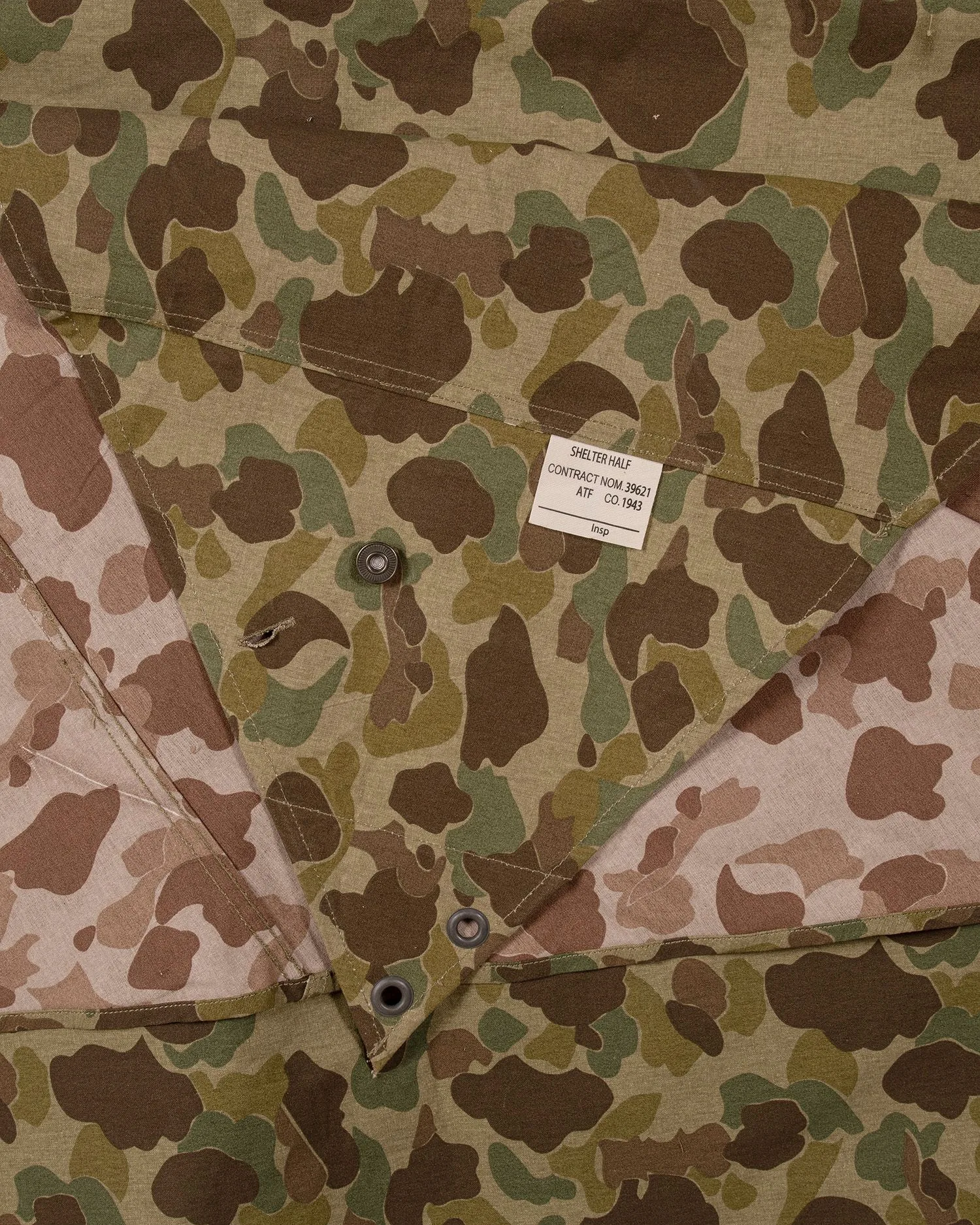
Marine Shelter Half
Don't forget the small essentials. A metal spoon, a folding knife, and a canteen cup are non-negotiable. For coffee or soup, a small billy can or pot is ideal. Many reenactors also carry a small cutting board and a tin of Griffin Shoe Polish Brown to maintain leather gear while in camp. This polish is a period-correct product that adds a layer of realism to your kit maintenance routine.
- Use reproduction mess kits that match original specs—avoid modern materials.
- Pack a canteen cup for boiling water or making instant coffee.
- Include a small cutting board and knife for food prep.
Setting Up Your Cooking Area
A well-organized cooking area is both practical and photogenic. Start with a flat, fire-safe surface. If you're using an open fire, dig a shallow pit or use a fire pan to protect the ground. A tripod or a simple metal grate suspended over the fire works well for hanging pots. For a more portable setup, consider a folding stove like the US M1937 or German Goulaschkanone. These stoves are compact and burn wood or charcoal efficiently.
Arrange your gear logically: cookware on one side, food supplies on the other. A canvas tarp or shelter half can provide shade or rain cover. Keep your firewood stacked neatly and your water source accessible. Many reenactors use a canvas water bag or canteen for washing up. Remember, the goal is to create a space that looks lived-in and functional, not cluttered.
- Use a fire pit or folding stove for controlled cooking.
- Keep your setup organized—separate cooking and prep areas.
- Use a canvas tarp for weather protection.
Selecting Period-Correct Food and Rations
What you cook matters as much as how you cook it. For US impressions, typical field fare includes canned meat (like Spam), hardtack biscuits, coffee, and dehydrated soups. German rations often feature canned sausages, black bread, and ersatz coffee. Research the specific rations used by your unit and time period. Avoid modern packaging—transfer items into cloth bags or tins.
Cooking methods should be simple: boil water for coffee or soup, fry meat in a mess tin, or bake bread in a Dutch oven. For a more elaborate meal, consider a stew with potatoes and carrots. Always bring extra water for cleaning. And don't forget a small container of salt and pepper—period-correct spices add flavor and authenticity.
- Use period-appropriate foods like Spam, hardtack, or canned sausages.
- Repackage modern items into cloth bags or tins.
- Keep cooking simple—boiling and frying are most common.
Essential Accessories for Authenticity
Beyond the basics, small accessories make your kitchen stand out. A period-correct coffee grinder, a tin of matches, and a folding camp stool add character. For US reenactors, a .45 Ammunition Pouch can be repurposed to hold small cooking tools or spices. German reenactors might use a bread bag to store rations. These items not only look great but also serve practical purposes.
Don't overlook personal items like a towel, a spoon, and a canteen cup. A small first-aid kit is also wise. And for maintaining your gear, a tin of Griffin Shoe Polish Brown is invaluable—it keeps leather boots and belts looking sharp while staying true to the era. These finishing touches transform a functional kitchen into a living history exhibit.
- Repurpose period pouches for storing cooking tools.
- Include a coffee grinder and matches for realism.
- Maintain leather gear with period-correct polish.
Building a realistic WWII field kitchen is about blending practicality with historical accuracy. Start with the core cookware, organize your space, and add authentic accessories to create an immersive experience. For a foundational piece, the Marine Shelter Half is a versatile addition that protects your gear and adds to the period look. Explore our selection of reproduction gear to complete your setup—every detail brings history to life.