When you’re deep into a WWII reenactment, the details matter. From the stitching on your uniform to the gear you carry, every piece tells a story. One area that often gets overlooked but can make or break your impression is the kitchen gear — the mess kits, canteens, and field cooking equipment that soldiers relied on daily. Authentic-looking kitchen replicas not only enhance your portrayal but also help you connect with the lived experience of the troops.
Whether you’re a seasoned reenactor or just starting out, investing in high-quality reproductions of WWII kitchen items adds depth to your kit. In this guide, we’ll explore the best kitchen replicas available, what to look for in terms of materials and construction, and how to choose pieces that will last through many weekends in the field.
Why Kitchen Replicas Matter for Reenactment Authenticity
Field kitchens were the heart of any military camp during WWII. Soldiers gathered around them for hot meals, coffee, and a brief respite from the front. Replicating this experience accurately requires more than just a generic mess tin. The correct shape, metal gauge, and even the type of handle can distinguish a high-quality reproduction from a costume piece. Reenactors who pay attention to these details often find their impressions are taken more seriously by fellow participants and the public alike.
Moreover, using functional kitchen gear — like a proper mess kit that can actually be used over a campfire — adds a layer of realism to your portrayal. It’s one thing to carry a tin cup; it’s another to cook a meal in a reproduction kettle that matches what a GI or German soldier would have used. For those looking to take their authenticity to the next level, pairing your kitchen gear with other field essentials, such as a USMC Canteen Cover, 2nd Pattern, can complete the look and ensure your kit is historically consistent.
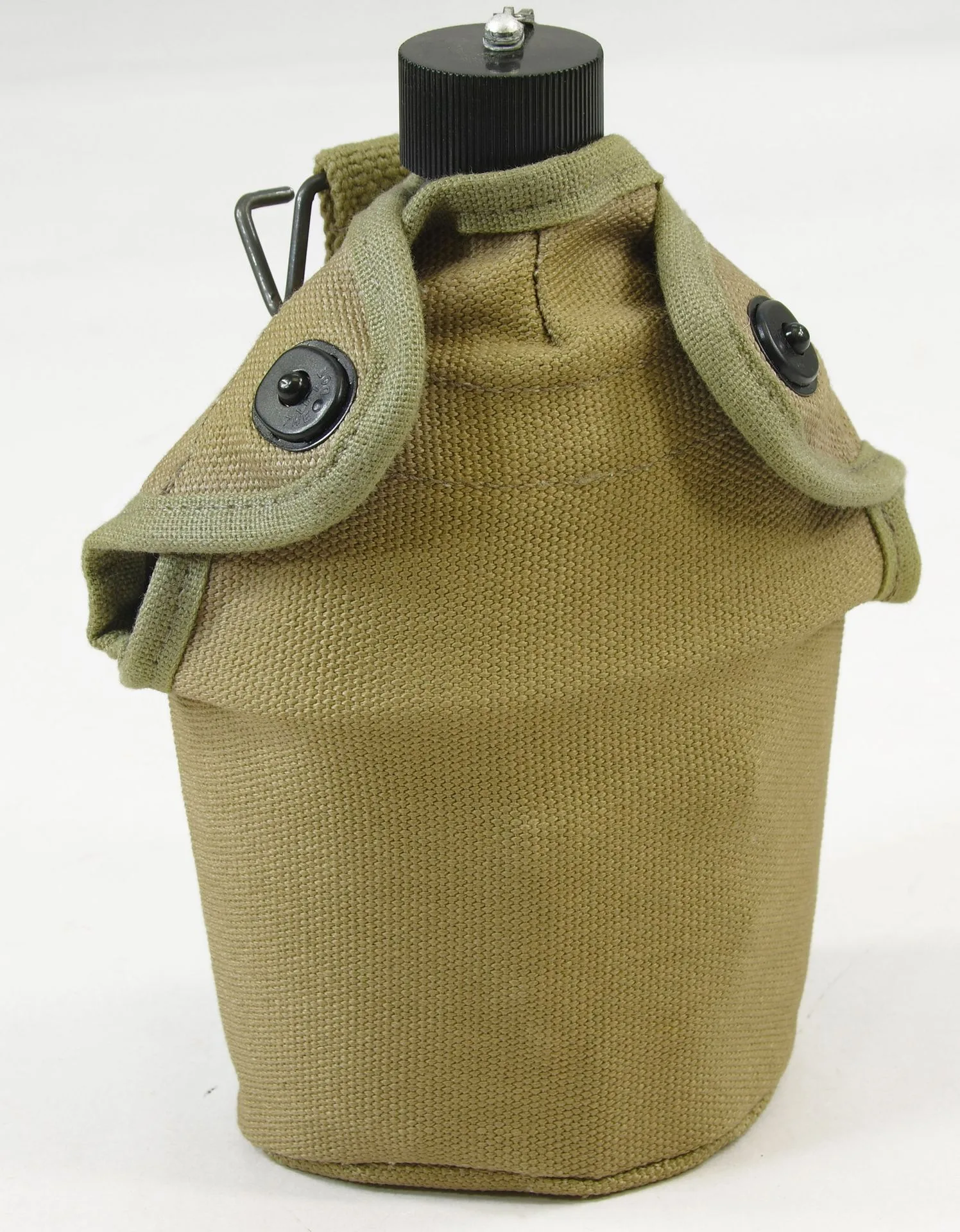
USMC Canteen Cover, 2nd Pattern
- Tip: Always check the material — aluminum and steel are period-correct for most WWII mess kits.
- Tip: Look for reproductions that include period markings or stampings for added realism.
Top Features to Look for in WWII Mess Kits and Cookware
When shopping for WWII kitchen replicas, start with the basics: mess kits. A good reproduction should mimic the original’s shape, nesting design, and handle construction. For US impressions, the classic M1932 mess kit is a staple, while German reenactors often look for the Kochgeschirr (cook pot) with its distinctive lid and folding handle. Pay attention to the finish — a dull, non-reflective surface is more authentic than a shiny, modern polish.
Beyond the mess kit, consider accessories like canteens, cups, and eating utensils. Many reenactors overlook the importance of a proper canteen cover, which should match the era and branch of service. For instance, a Marine impression would be well-served by a USMC Canteen Cover, 2nd Pattern, which offers both historical accuracy and practical field use. Similarly, adding a https://wildernessworks.shop/products/reproduction-k98-bayonet-99356Reproduction K98 Bayonet to your German kit can serve dual purposes — as a tool for food preparation and as a period-correct sidearm.
- Bullet: Ensure your mess kit is compatible with modern camp stoves or open fires — many reproductions are designed for both.
- Bullet: Look for sets that include a cup and lid, as these were standard issue in most armies.
Best German Kitchen Replicas for Reenactors
German field kitchen gear is iconic for its practicality and design. The standard-issue Kochgeschirr, often made of aluminum, was carried by every soldier and used for cooking, eating, and even washing. High-quality reproductions replicate the original’s riveted handle and tight-fitting lid, which allowed soldiers to carry hot food without spills. Pairing this with a German Duffle Bag can help you transport your gear in style, just as a soldier would have carried his belongings in a kit bag or duffel.
Another essential item is the German canteen, typically made from aluminum or bakelite with a wool or felt cover. The cover helped keep water cool in summer and prevented clanking noises on patrol. For added authenticity, consider a canteen that matches the specific year of your impression. And don’t forget the mess tin — a Reproduction K98 Bayonet can double as a field knife for cutting rations or preparing food, making it a versatile addition to your kitchen kit.
- Tip: German mess kits often came in two sizes — standard and large. Choose based on your impression and personal needs.
- Tip: Look for reproductions that include the original-style leather or webbing hangers for easy attachment to your belt.
American and Allied Kitchen Gear: What to Know
For US reenactors, the M1932 mess kit is the gold standard. It consists of a deep pan, a shallow pan, and a handle that locks into place. Reproductions should be made of heavy-gauge aluminum to withstand repeated use. Many reenactors also add a canteen cup, which nests perfectly with the mess kit for compact storage. When assembling your kit, consider a USMC Canteen Cover, 2nd Pattern to protect your canteen and keep it secure on your belt.
British and Commonwealth forces used a similar mess tin, often made of enameled steel. These are harder to find but add a unique touch to a Commonwealth impression. Regardless of your chosen impression, the key is consistency — every piece of kitchen gear should match the era and branch you are portraying. Investing in quality reproductions now will save you from having to replace cheap items later, and they will look better in photos and at events.
- Bullet: US mess kits often came with a separate fork and spoon — look for reproductions that include these.
- Bullet: British mess tins are often sold as a set with a lid that doubles as a frying pan.
Caring for Your WWII Kitchen Reproductions
To keep your kitchen gear looking authentic and functioning well, proper care is essential. Aluminum mess kits can be cleaned with mild soap and water, but avoid abrasive scrubbers that will scratch the surface. Steel or enameled pieces should be dried immediately to prevent rust. Store your gear in a dry place, and consider using a Reproduction K98 Bayonet or other field knife to cut food rather than using your mess kit as a cutting board.
For leather or webbing components, such as canteen covers, clean them with a damp cloth and condition leather periodically to prevent cracking. A product like Griffin Shoes Liquid Dye, Brown can be used to touch up any scuffs on brown leather gear, while Griffin Shoes Liquid Dye, Black is perfect for black equipment. Regular maintenance will ensure your gear remains a reliable part of your kit for years to come.
- Tip: Always test any dye or cleaner on a small, hidden area first to ensure colorfastness.
- Tip: Store canteen covers separately from metal items to avoid abrasion.
Building a historically accurate kitchen kit for WWII reenactments doesn’t have to be complicated. By focusing on quality reproductions of mess kits, canteens, and accessories, you can create a setup that looks great and functions well in the field. Whether you’re cooking over a campfire or just displaying your gear, the right pieces make all the difference. Explore our collection of kitchen replicas and field gear to find the perfect additions for your impression — start with a German Duffle Bag to carry it all in style.